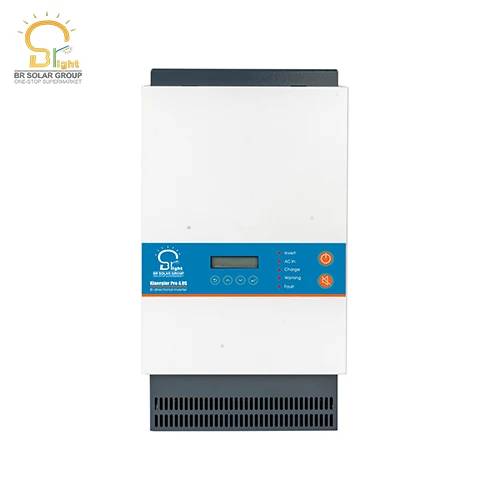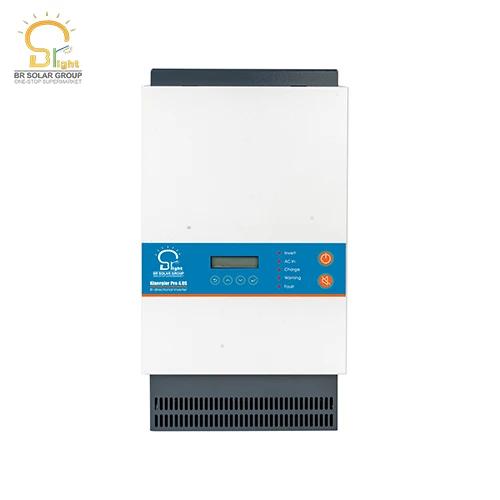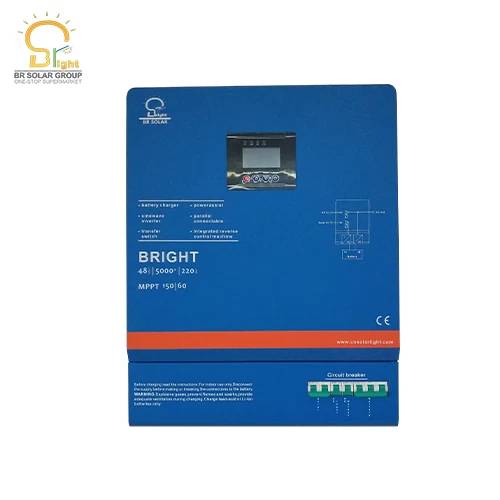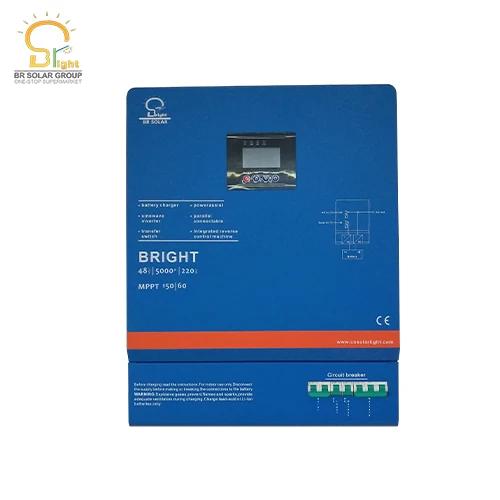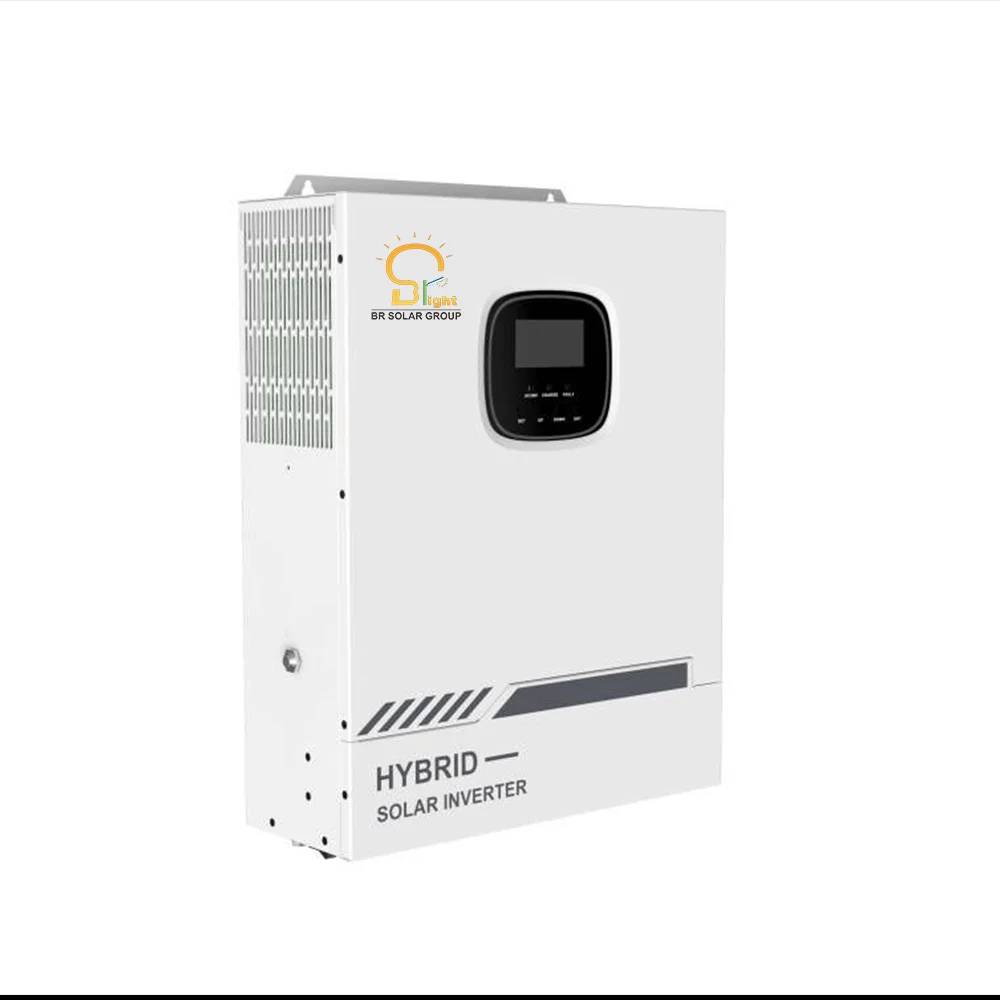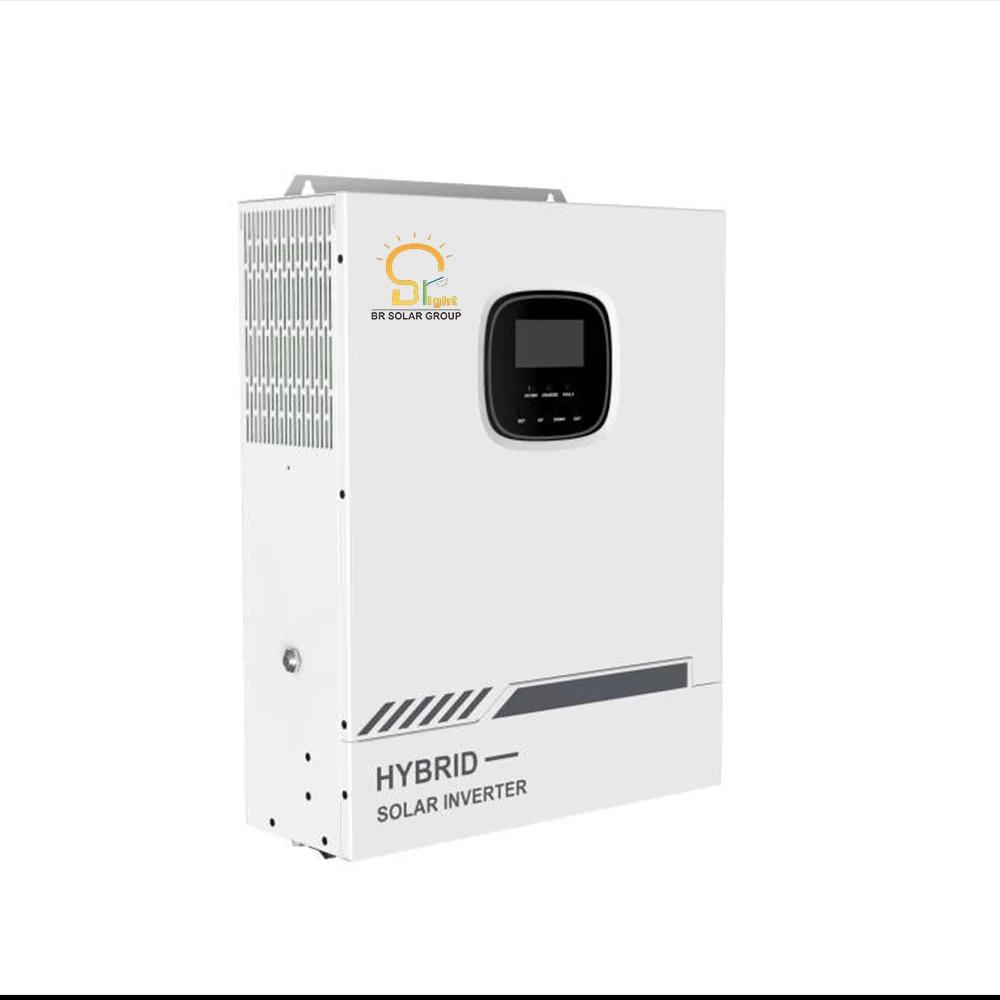

Harnessing the full potential of solar energy starts with choosing the right equipment, and the MPPT solar inverter stands out as a game-changer for efficient power conversion. If you're looking to optimize your solar setup, integrating an MPPT solar inverter can significantly boost your system's output by dynamically adjusting to varying sunlight conditions. This guide will walk you through how to select, install, and maintain an MPPT solar inverter, focusing on models like the 5kw inverter that balance power needs with reliability. Whether you're powering a home or a small business, understanding this technology is key to sustainable energy independence.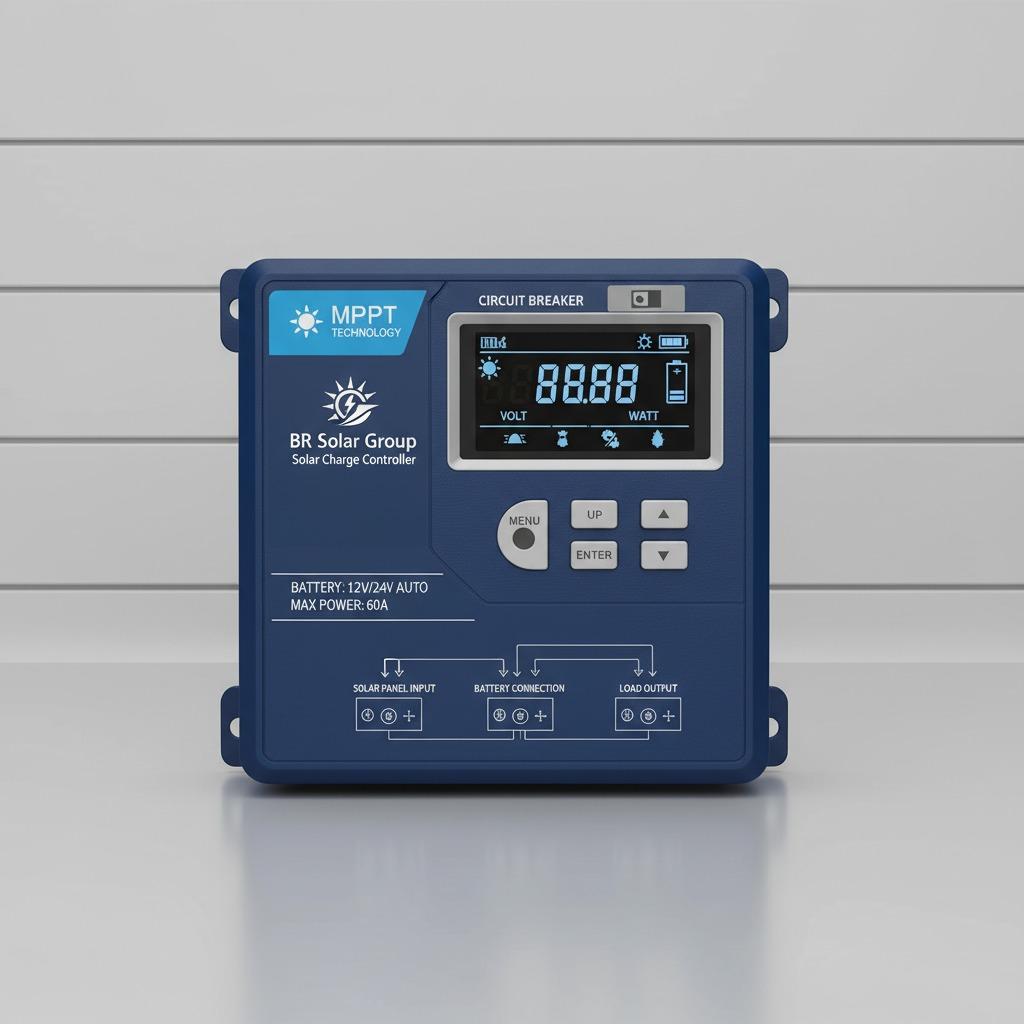
To begin, let's explore what makes an MPPT solar inverter essential. Unlike traditional inverters, an MPPT solar inverter uses Maximum Power Point Tracking to ensure your solar panels deliver peak performance. Step one in getting started is assessing your energy requirements. Calculate your daily power consumption—add up appliances, lighting, and other loads to determine if a 5kw inverter capacity suits your setup. For instance, a typical household might need around 5-10kWh per day, making a 5kw inverter ideal for moderate usage. Next, evaluate your solar array size; pair it with panels that match the inverter's input voltage, often 48V systems for efficiency.
Once you've sized your system, selecting the right type comes next. Consider a hybrid solar inverter if you want versatility. A hybrid solar inverter combines grid-tie and off-grid capabilities, allowing seamless switching between solar, battery, and utility power. For those eyeing a 5kw hybrid inverter, look for features like built-in charge controllers that prevent overcharging. Step two: Research certifications and build quality. Opt for units with CE certification to guarantee safety and compliance. Installation begins with site preparation—choose a shaded, ventilated area away from direct sunlight to avoid overheating. Securely mount the inverter on a wall using the provided brackets, ensuring it's level and accessible for maintenance.
Wiring is a critical step three in setting up your MPPT solar inverter. Connect the positive and negative terminals from your solar panels to the inverter's DC input, using appropriately gauged cables to minimize losses—typically 10-12 AWG for a 5kw inverter setup. Then, link the battery bank if using a hybrid model; a 48V deep-cycle battery array works best for storing excess energy. For a hybrid solar inverter, integrate the AC output to your main panel, installing a transfer switch for automatic grid fallback. Always double-check polarities to prevent reverse current damage, and incorporate fuses or circuit breakers for overload protection.
After wiring, commissioning your system is step four. Power on the inverter and monitor the display for initial readings—voltage, current, and power output should align with expectations. Use the user-friendly interface, like an LCD panel, to configure settings such as charge priorities or low-voltage cutoffs. For a 5kw hybrid inverter, set it to prioritize solar input during peak hours, then battery, and finally grid. Test the system under load by running appliances; observe how the MPPT technology tracks and maximizes panel efficiency, potentially increasing yield by 20-30% compared to PWM alternatives.
Maintenance ensures longevity, so follow these ongoing steps. Step five: Regularly inspect connections for corrosion, especially in humid environments, and clean the inverter's exterior to prevent dust buildup that could impair cooling fans. Monitor performance via the display or connected apps if available—track metrics like battery health and energy harvested. For a hybrid solar inverter, schedule annual checks on the battery system to replace any degraded cells. Address common issues promptly; if output drops, verify panel cleanliness or shading. With proper care, a 5kw inverter can operate reliably for over a decade.
Advanced users might explore expanding their setup with a 5kw hybrid inverter. Step six: Integrate smart monitoring tools for remote access, allowing you to view real-time data via smartphone. This is particularly useful for commercial applications where downtime costs money. Consider scalability—add more panels as needs grow, ensuring the MPPT solar inverter's tracking algorithm handles the increased load without efficiency loss. Energy storage optimization is another layer; pair with lithium batteries for faster charging and deeper discharge cycles, enhancing the hybrid solar inverter's off-grid resilience.
In challenging conditions, like partial shading or variable weather, the MPPT solar inverter shines by isolating underperforming sections of your array. Step seven: Fine-tune settings seasonally—adjust voltage thresholds in winter for shorter days. Safety is paramount; always disconnect power before servicing and wear protective gear. By following this guide, you'll not only install a robust 5kw inverter but also maximize returns on your solar investment, reducing bills and environmental impact.
For those venturing into larger systems, a 5kw hybrid inverter offers grid export options, feeding surplus power back to the utility for credits. Step eight: Consult local regulations for net metering approvals. Document your installation for warranties, which often cover 5-10 years. Troubleshooting tips include resetting the unit for software glitches or consulting manuals for error codes. Ultimately, embracing an MPPT solar inverter empowers you to build a resilient, eco-friendly power solution tailored to your lifestyle.
This comprehensive approach ensures your solar journey is smooth and effective, leveraging the superior tracking of an MPPT solar inverter for years of clean energy.
Description