

Understanding BESS Technology: The Future of Energy Storage
In the rapidly evolving world of energy, BESS technology stands out as a cornerstone for modern power systems. Battery Energy Storage Systems (BESS), often referred to simply as BESS technology, are revolutionizing how we manage electricity from intermittent sources like solar and wind. This innovative approach allows for the efficient capture, storage, and release of energy, ensuring a stable supply even when the sun isn't shining or the wind isn't blowing. As global demand for clean energy surges, BESS technology is becoming indispensable for utilities, businesses, and homeowners alike.
The core of BESS technology lies in its ability to integrate seamlessly with renewable energy sources. Unlike traditional grid systems that rely on fossil fuels to balance supply and demand, BESS solutions store excess power generated during peak production times. This stored energy can then be dispatched during periods of high demand, reducing waste and lowering costs. Moreover, BESS technology enhances grid reliability by providing frequency regulation and voltage support, preventing blackouts and stabilizing power quality.
Key Components and How BESS Solutions Work
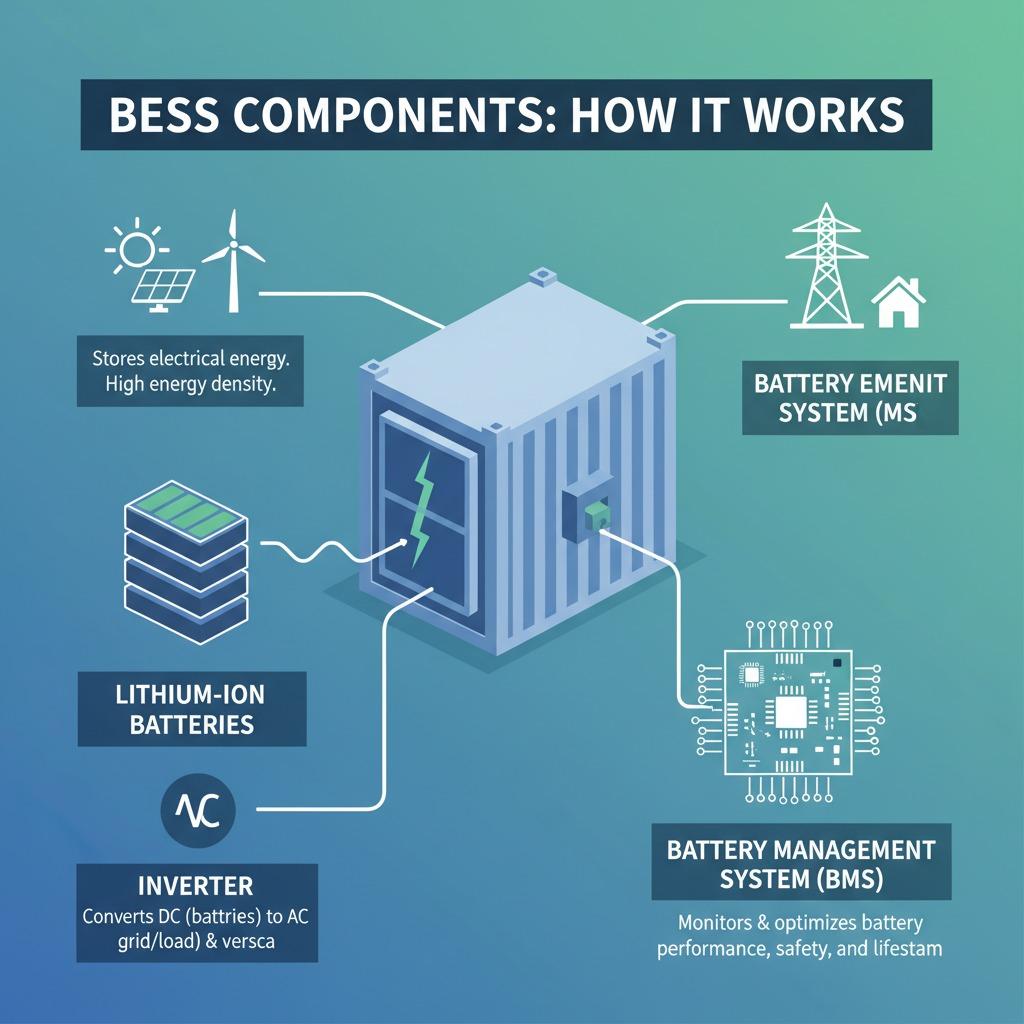
At the heart of any battery energy storage system is a sophisticated array of lithium-ion batteries, though advancements are exploring alternatives like flow batteries and solid-state options for even greater efficiency. BESS solutions typically include inverters to convert stored direct current (DC) to alternating current (AC) for grid use, along with advanced software for monitoring and optimization. This setup allows for real-time decision-making, where the system can predict demand patterns and adjust accordingly.
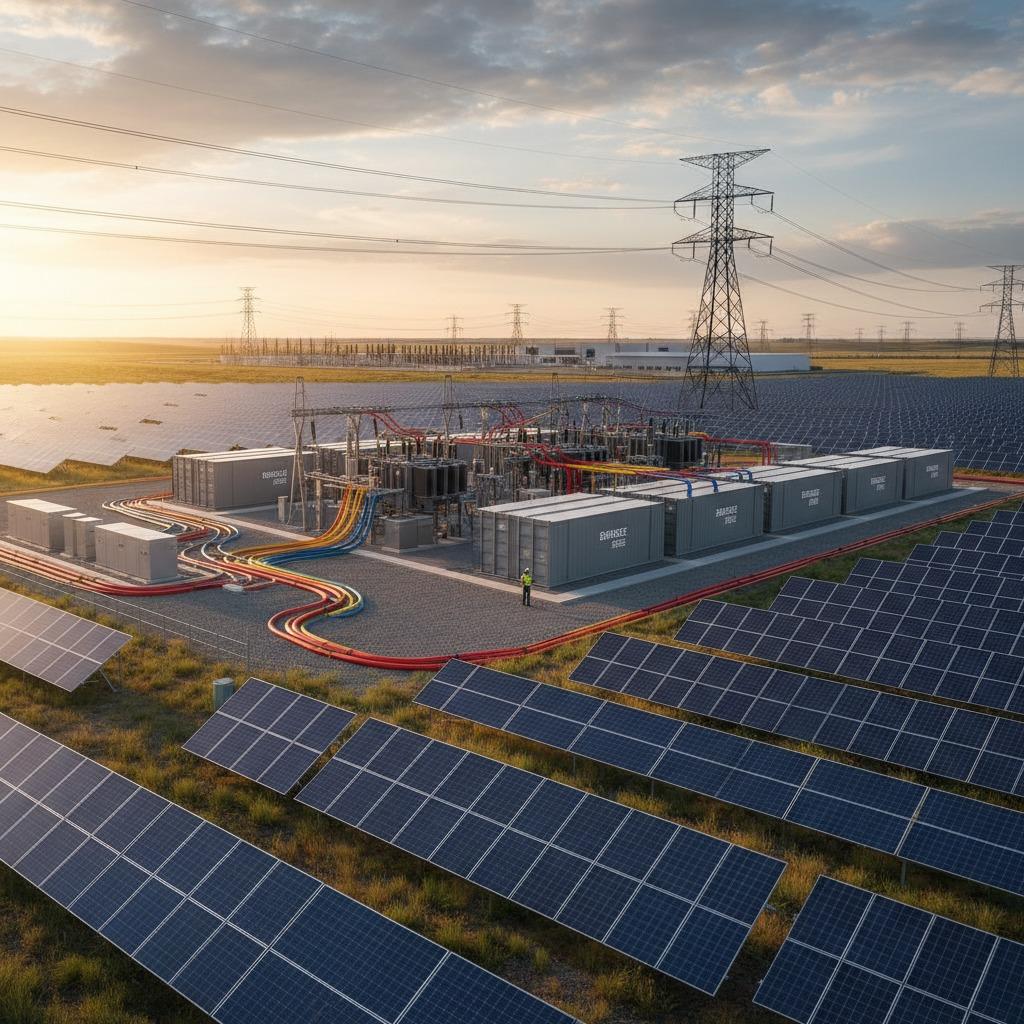
Renewable energy storage is a primary application of BESS technology. For instance, solar farms paired with BESS solutions can operate at full capacity without fear of curtailment— the forced reduction of output due to grid constraints. By storing surplus solar energy, these systems maximize the return on investment for renewable projects. Similarly, wind energy installations benefit from BESS technology, which smooths out the variability inherent in wind patterns, ensuring a consistent energy flow to the grid.
The scalability of BESS solutions makes them versatile for various scales. Large-scale installations, often in the megawatt range, support utility-scale renewable energy storage projects. These deployments help integrate more renewables into the national grid, contributing to decarbonization goals. On a smaller scale, commercial BESS technology is used in microgrids for businesses or communities, providing backup power during outages and enabling energy independence.
Advantages of Implementing BESS Technology
One of the most compelling benefits of BESS technology is its role in cost savings. By shifting energy use from peak pricing hours to off-peak storage and discharge, users can significantly reduce electricity bills. This peak-shaving capability is particularly valuable in regions with time-of-use tariffs. Furthermore, BESS solutions participate in energy markets, such as ancillary services, where they earn revenue by providing rapid response capabilities that traditional plants can't match.
Environmental impact is another key driver for adopting renewable energy storage through BESS technology. By facilitating higher penetration of renewables, these systems reduce greenhouse gas emissions and dependence on coal or natural gas peaker plants. Studies show that widespread BESS deployment could cut global CO2 emissions by billions of tons annually, aligning with international climate agreements like the Paris Accord.
Safety and longevity are also improved in modern BESS solutions. Advanced battery management systems (BMS) monitor cell health, temperature, and charge levels to prevent issues like thermal runaway. With warranties often extending to 10-15 years, BESS technology offers a reliable long-term investment. Innovations in recycling are addressing end-of-life concerns, ensuring that battery materials are reused, further enhancing sustainability.
Challenges and Innovations in BESS Technology
Despite its promise, BESS technology faces hurdles such as high upfront costs and the need for raw materials like lithium and cobalt. However, prices have plummeted over the past decade—battery costs dropped by more than 89% since 2010—making BESS solutions more accessible. Government incentives, including tax credits and subsidies, are accelerating adoption worldwide.
Research is pushing the boundaries of renewable energy storage. Next-generation batteries, such as sodium-ion variants, promise to reduce reliance on scarce materials while maintaining performance. Integration with AI and machine learning is optimizing BESS operations, predicting weather impacts on renewables, and extending battery life. Hybrid systems combining BESS technology with hydrogen storage or pumped hydro are emerging to address longer-duration needs.
Policy support is crucial for scaling BESS solutions. Many countries are updating regulations to facilitate energy storage deployment, including streamlined permitting and market reforms that value storage services. International collaborations are sharing best practices, from Europe's aggressive renewable targets to Asia's massive solar-plus-storage projects.
Real-World Applications and Case Studies
Around the globe, BESS technology is already making a tangible difference. In California, the Hornsdale Power Reserve—a 150 MW BESS solution in Australia—demonstrated how renewable energy storage can stabilize grids and save millions in operational costs. Utilities like PG&E in the US are deploying BESS to meet renewable portfolio standards, storing solar energy for evening peaks.
In developing regions, off-grid BESS solutions are empowering remote communities. Solar home systems with integrated battery storage provide reliable electricity, improving education, healthcare, and economic opportunities. Projects in Africa and India showcase how BESS technology bridges the energy access gap, supporting UN Sustainable Development Goals.
Looking ahead, the synergy between BESS solutions and electric vehicles (EVs) is exciting. Vehicle-to-grid (V2G) technology allows EVs to act as distributed storage, feeding energy back to the grid during high demand. This bidirectional flow amplifies the impact of BESS technology, creating smarter, more resilient energy ecosystems.
The Path Forward for BESS Technology
As we transition to a low-carbon future, BESS technology will be pivotal in unlocking the full potential of renewables. Its ability to store and dispatch clean energy efficiently positions it as a linchpin for energy security and sustainability. With ongoing innovations and supportive policies, BESS solutions are set to proliferate, driving down costs and emissions while powering progress.
Investing in renewable energy storage today ensures a brighter tomorrow. Whether for large-scale grids or individual applications, BESS technology offers a practical, scalable path to energy independence and environmental stewardship. The momentum is building, and the benefits are clear—it's time to embrace this transformative force in the energy landscape.






