

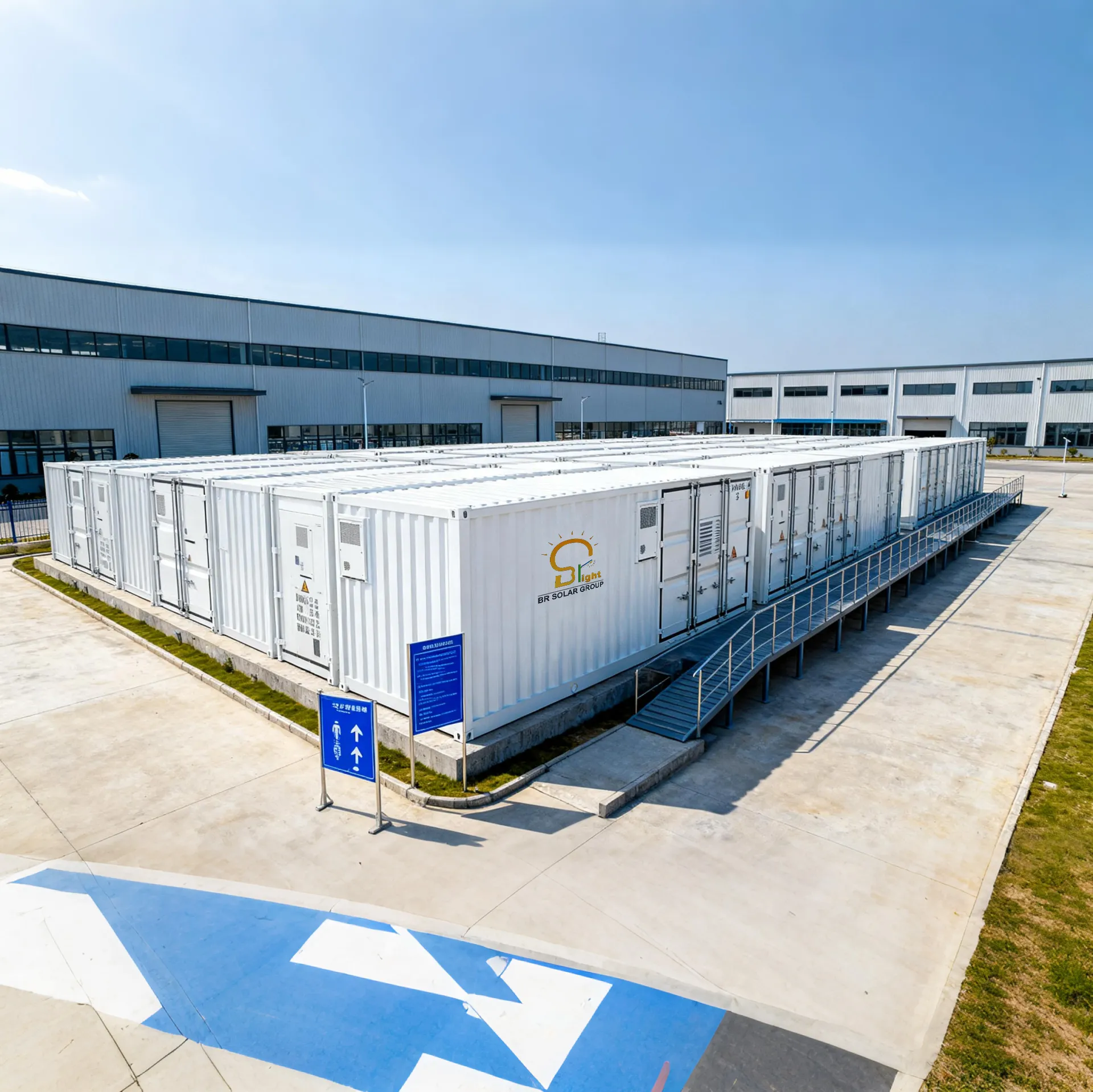
In the increasingly competitive global solar energy market, buyers are becoming more selective about whom they source from. As project requirements grow more complex, including larger scales, stringent regulatory standards, and diverse environmental conditions, reliability, transparency, and long-term stability have become critical decision factors. While trading companies may offer short-term convenience, professional buyers are shifting toward factory-based OEM solar manufacturers. By partnering directly with manufacturers that operate their own production facilities, buyers gain greater control over product quality, pricing structures, delivery timelines, and technical support—advantages that trading companies are unable to fully provide.

Direct Access to Production and Technical Expertise
As a factory-based manufacturer, Yangzhou BR Solar Group provides buyers with direct access to production lines, engineering teams, and in-house quality management systems. This factory-direct model streamlines communication between technical and production staff, allowing questions to be addressed rapidly and design or production changes to be implemented without unnecessary delays. By eliminating intermediaries, buyers can make faster, more informed decisions, coordinate complex orders, and maintain a closer oversight of production processes.
The benefits of direct engagement extend beyond communication. Buyers gain insights into production scheduling, component sourcing, and assembly processes. They can observe quality control procedures firsthand, evaluate material selection, and ensure that all products meet the specific requirements of their projects. This level of transparency and collaboration helps minimize risks and ensures that large-scale or critical projects are executed smoothly.
Factory-Direct Pricing Advantage
One of the most tangible benefits of working directly with a manufacturer is the cost advantage. By eliminating layers of intermediaries, factory-direct cooperation significantly reduces procurement costs and pricing uncertainty. Buyers benefit from transparent cost structures and predictable long-term quotations, which are particularly valuable for bulk purchases, recurring orders, and project-based supply agreements.
For distributors and EPC contractors, direct factory pricing provides better margin control and the flexibility to implement competitive pricing strategies in local markets. It also allows for more adaptable commercial arrangements, including flexible payment terms, phased deliveries, and scalable production, which are essential for meeting the dynamic demands of large-scale infrastructure projects.
Strong OEM & ODM Customization Capability
OEM and ODM manufacturing go far beyond simple logo placement or minor cosmetic adjustments. Professional factory-based manufacturers like Ruifeng New Energy possess the capability to optimize product structures, select or upgrade materials, adjust power configurations, and ensure compliance with local technical standards and regulatory requirements.
With experienced engineering teams and in-house R&D resources, Ruifeng New Energy supports fully customized solar solutions that are adapted to diverse climates, applications, and project requirements. For example, products can be configured for off-grid installations, urban street lighting, commercial solar systems, or hybrid microgrids. Customization options may include solar panel sizing, battery capacity, controller settings, mounting structures, and smart control integration. By providing tailored solutions, OEM and ODM partners help clients differentiate their offerings, improve market competitiveness, and accelerate time-to-market.
Stable Quality Control from Raw Materials to Shipment
Factory ownership enables comprehensive oversight of the entire production process. From raw material sourcing to assembly and final shipment, every stage follows strict quality management protocols. In-process inspections, standardized production checks, and final performance testing ensure that each batch meets consistent specifications.
This systematic quality control is particularly important for large wholesale orders, multi-phase infrastructure projects, and government contracts. Buyers can rely on consistent product performance, durability, and compliance, which reduces operational risks and prevents costly failures in the field. Factory-managed quality also facilitates smoother certification processes, simplifies project approvals, and enhances client confidence in the reliability of solar systems deployed across diverse environments.
Long-Term Partnership, Not One-Time Deals
Professional OEM manufacturers focus on building long-term strategic partnerships rather than executing one-off transactions. This approach fosters reliable technical support, proactive production planning, and responsive after-sales service. Partners benefit from collaborative problem-solving, prioritized project scheduling, and continuous product improvement, which collectively strengthen operational stability and market competitiveness.
For distributors, EPC contractors, and project developers, partnering with a factory committed to sustainable cooperation reduces operational risks and ensures continuity of supply. Whether executing recurring infrastructure projects, expanding regional distribution networks, or deploying government-funded programs, a long-term manufacturing partnership provides a solid foundation for business growth. It also allows clients to plan future expansions, implement standardized product specifications across multiple projects, and build lasting relationships with end customers.
Conclusion
In an era where reliability, transparency, and long-term stability define success in the solar market, working with a professional, factory-based OEM manufacturer provides decisive advantages. Yangzhou BR Solar Group combines production capacity, engineering expertise, strict quality control, and customization capabilities to deliver dependable solar solutions tailored to diverse applications. By offering factory-direct pricing, streamlined communication, and scalable manufacturing, we empower distributors, EPC contractors, and global buyers to execute projects efficiently, minimize risks, and achieve sustainable growth in a competitive market.






