

Understanding Battery Energy Storage Manufacturers
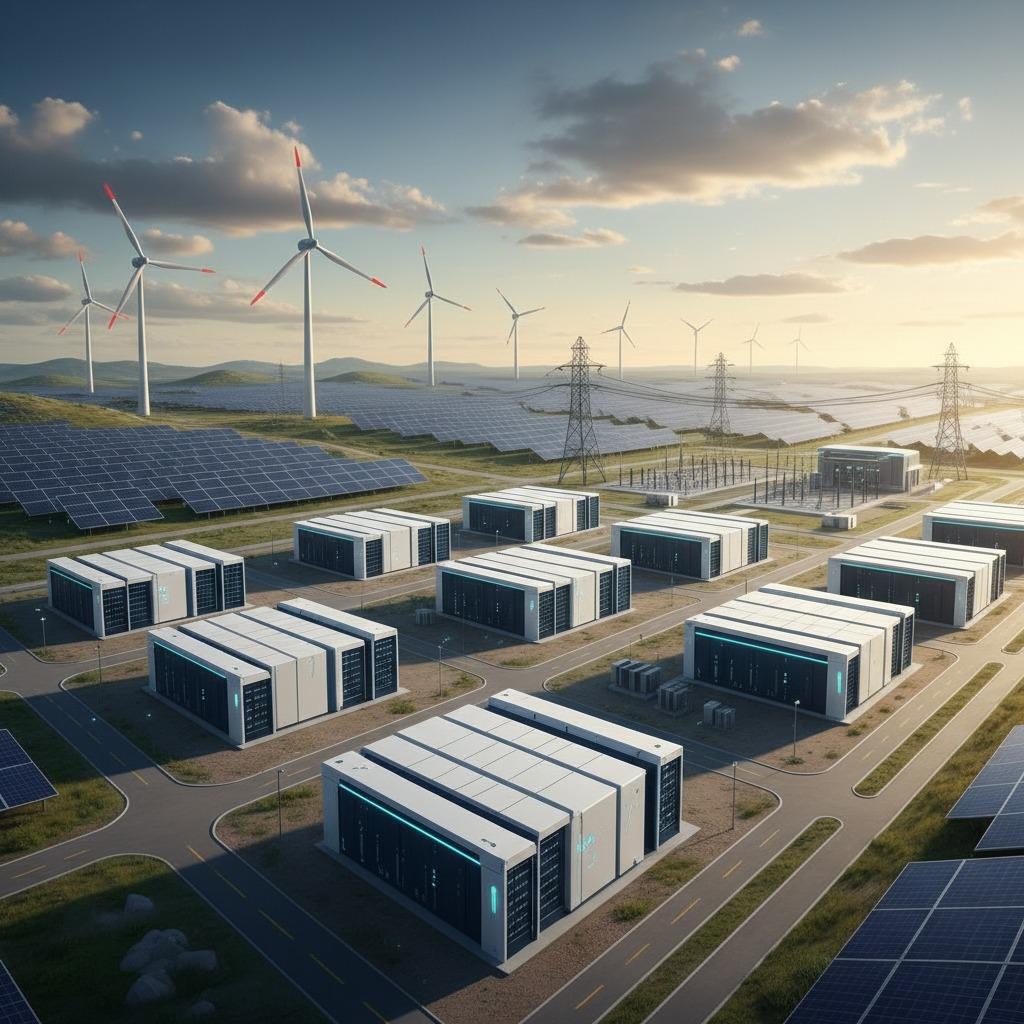
In the rapidly evolving world of renewable energy, battery energy storage manufacturers play a pivotal role in bridging the gap between intermittent power sources and consistent supply. These companies specialize in designing, producing, and innovating advanced battery systems that store electrical energy for later use, ensuring reliability in grids powered by solar and wind. As demand for sustainable solutions surges, battery energy storage manufacturers are at the forefront, delivering technologies that support everything from residential backups to large-scale grid stabilization. With global pushes toward net-zero emissions, these manufacturers are essential in transforming how we harness and manage energy.
The industry has seen remarkable growth, driven by advancements in lithium-ion batteries, flow batteries, and emerging solid-state options. Battery energy storage manufacturers focus on scalability, safety, and efficiency to meet diverse needs. For instance, they develop modular systems that can be easily integrated into existing infrastructure, reducing costs and enhancing performance. This sector not only addresses energy security but also enables the integration of renewables, making clean energy more viable worldwide.
Key Players Among Energy Storage System Providers
Energy storage system providers are the backbone of modern energy infrastructure, offering comprehensive solutions that encompass hardware, software, and integration services. These providers collaborate closely with utilities, governments, and private sectors to deploy systems that optimize energy flow and minimize waste. Among the top energy storage system providers, companies like Tesla, LG Energy Solution, and Fluence lead the pack with their cutting-edge innovations. Tesla's Megapack, for example, has been instrumental in utility-scale projects, storing gigawatt-hours of energy to support peak demand.
What sets leading energy storage system providers apart is their commitment to vertical integration, controlling everything from raw material sourcing to final deployment. This approach ensures quality and reduces lead times, which is crucial in a market projected to reach trillions in value by 2030. Providers are also investing heavily in AI-driven management software that predicts usage patterns and optimizes charging cycles, extending battery life and improving return on investment for clients.
Beyond traditional offerings, energy storage system providers are exploring hybrid solutions that combine batteries with other storage technologies, such as pumped hydro or compressed air. This diversification helps address the limitations of standalone battery systems, particularly in regions with extreme climates or high energy density requirements. As providers expand globally, they contribute to energy independence, especially in developing nations aiming to leapfrog fossil fuel dependency.
Exploring Battery Storage Solutions for Various Applications
Battery storage solutions have revolutionized how we approach energy management, from microgrids in remote areas to urban smart grids. These solutions are engineered for versatility, supporting applications like frequency regulation, peak shaving, and even electric vehicle charging networks. Battery storage solutions emphasize modularity, allowing users to scale up as needs grow, which is a key selling point for both commercial and industrial users.
In residential settings, battery storage solutions like those from Sonnen or Enphase provide homeowners with energy independence, storing solar power for nighttime use or during outages. These systems often integrate with smart home devices, offering real-time monitoring via apps. On a larger scale, battery storage solutions are critical for renewable energy farms, where they store excess generation to prevent curtailment and maximize revenue through time-of-use arbitrage.
The evolution of battery storage solutions also includes a focus on sustainability. Manufacturers are shifting toward recycled materials and longer-lasting chemistries to reduce environmental impact. Innovations such as sodium-ion batteries promise to lower costs and reliance on scarce resources like cobalt, making these solutions more accessible. As battery storage solutions become more affordable, adoption rates are skyrocketing, with installations doubling annually in key markets like Europe and Asia.
The Technological Advancements Driving the Industry
Battery energy storage manufacturers are pushing the boundaries of technology to overcome traditional challenges like energy density and cycle life. Recent breakthroughs in cathode materials, for instance, have doubled the storage capacity of lithium-based systems while cutting charging times in half. These advancements are not just incremental; they're transformative, enabling battery energy storage manufacturers to deliver products that rival fossil fuel plants in reliability and output.
Energy storage system providers are leveraging machine learning to enhance system performance, predicting failures before they occur and optimizing energy dispatch. This predictive maintenance reduces downtime and operational costs, a boon for large-scale deployments. Moreover, providers are standardizing interfaces to ensure compatibility across diverse ecosystems, fostering a more interconnected energy landscape.
Looking ahead, battery storage solutions are set to incorporate next-gen technologies like graphene-enhanced anodes, which could quadruple charging speeds. Battery energy storage manufacturers are also prioritizing safety features, such as advanced thermal management to prevent fires, building trust among regulators and consumers. With investments pouring in from venture capital and governments, the pipeline of innovations promises to make energy storage even more efficient and ubiquitous.
Challenges and Future Prospects for Manufacturers and Providers
Despite the optimism, battery energy storage manufacturers face hurdles like supply chain disruptions for critical minerals and regulatory uncertainties. Geopolitical tensions affect lithium and nickel supplies, prompting manufacturers to diversify sourcing and invest in domestic production. Energy storage system providers must navigate varying incentives across regions, from subsidies in the US to mandates in the EU, requiring agile business models.
Battery storage solutions also grapple with end-of-life management, as recycling infrastructure lags behind production rates. However, forward-thinking manufacturers are establishing closed-loop systems, recovering up to 95% of materials for reuse. This not only mitigates environmental risks but also stabilizes costs in a volatile market.
The future is bright, with projections indicating that by 2040, battery storage could account for 20% of global power capacity. Battery energy storage manufacturers and energy storage system providers are poised to lead this transition, collaborating on international standards to accelerate deployment. As battery storage solutions mature, they'll underpin a resilient, decarbonized energy system, benefiting economies and ecosystems alike.
Conclusion: Partnering with Top Manufacturers for a Sustainable Future
Selecting the right battery energy storage manufacturers and energy storage system providers is crucial for businesses and governments aiming for sustainability. By choosing reputable players offering robust battery storage solutions, stakeholders can ensure long-term energy security and cost savings. As the industry continues to innovate, staying informed about advancements will be key to capitalizing on this green revolution.
