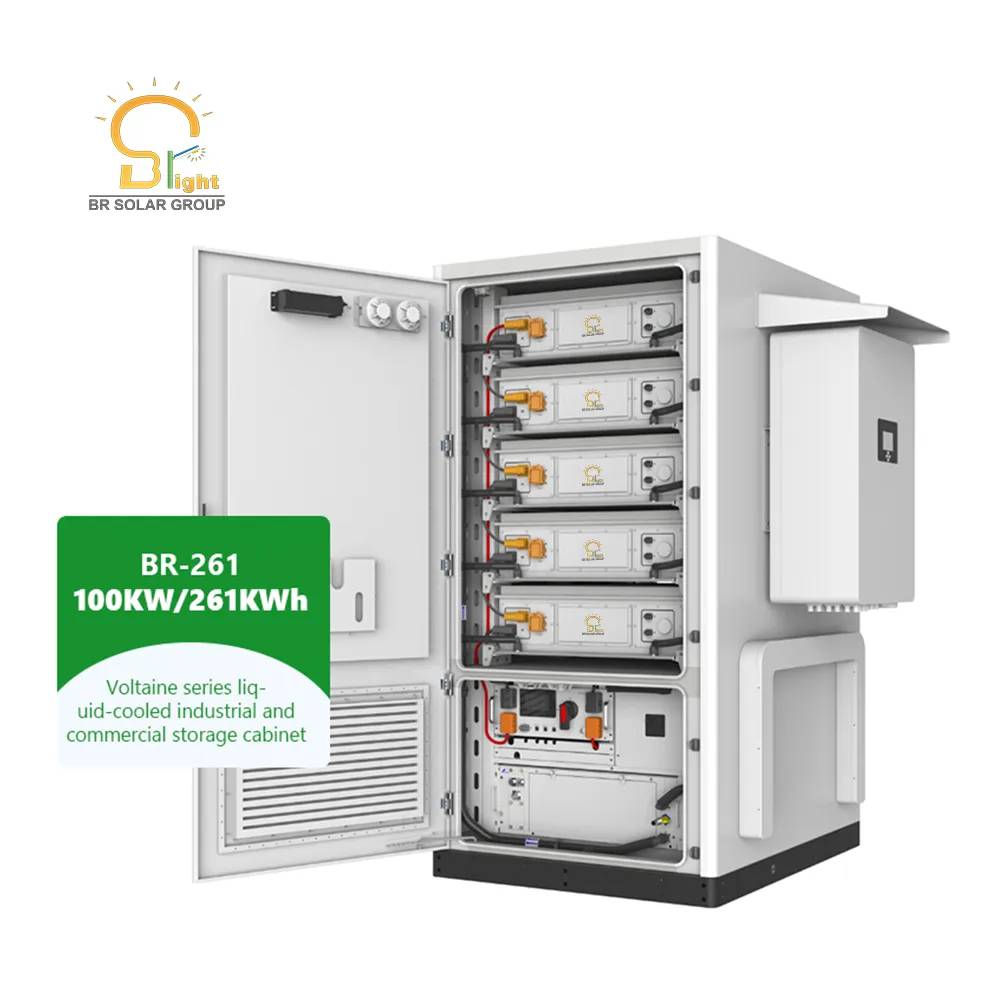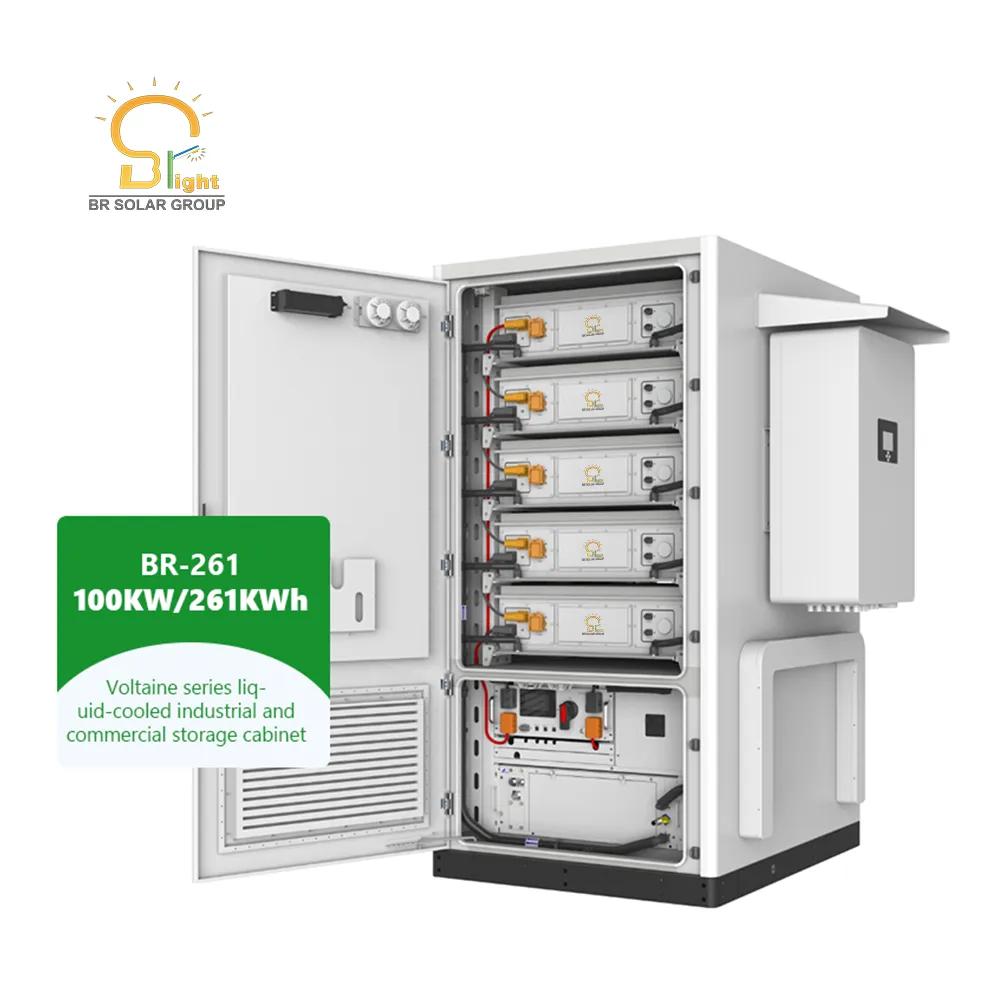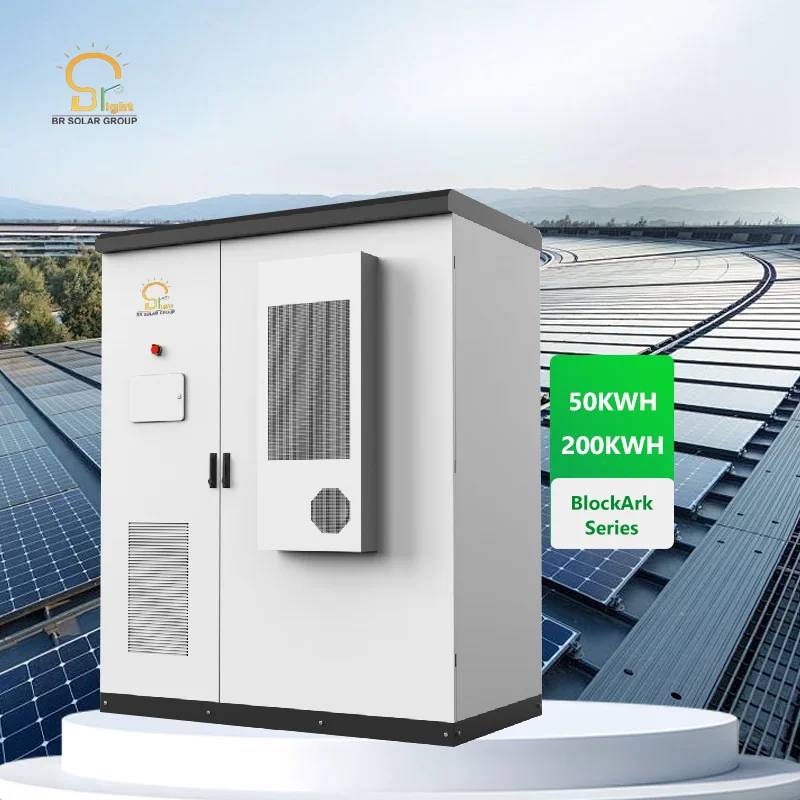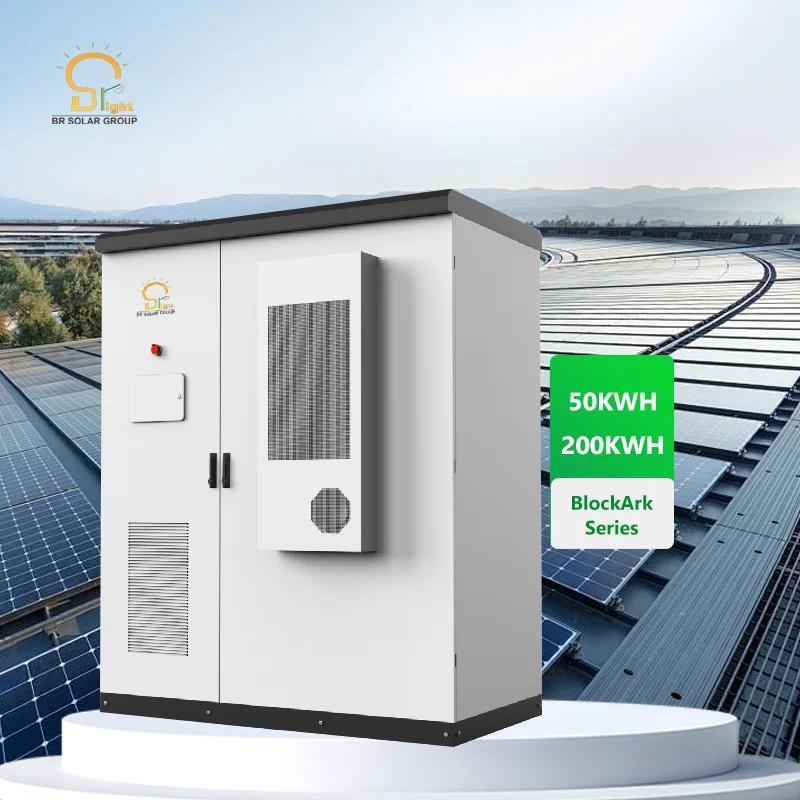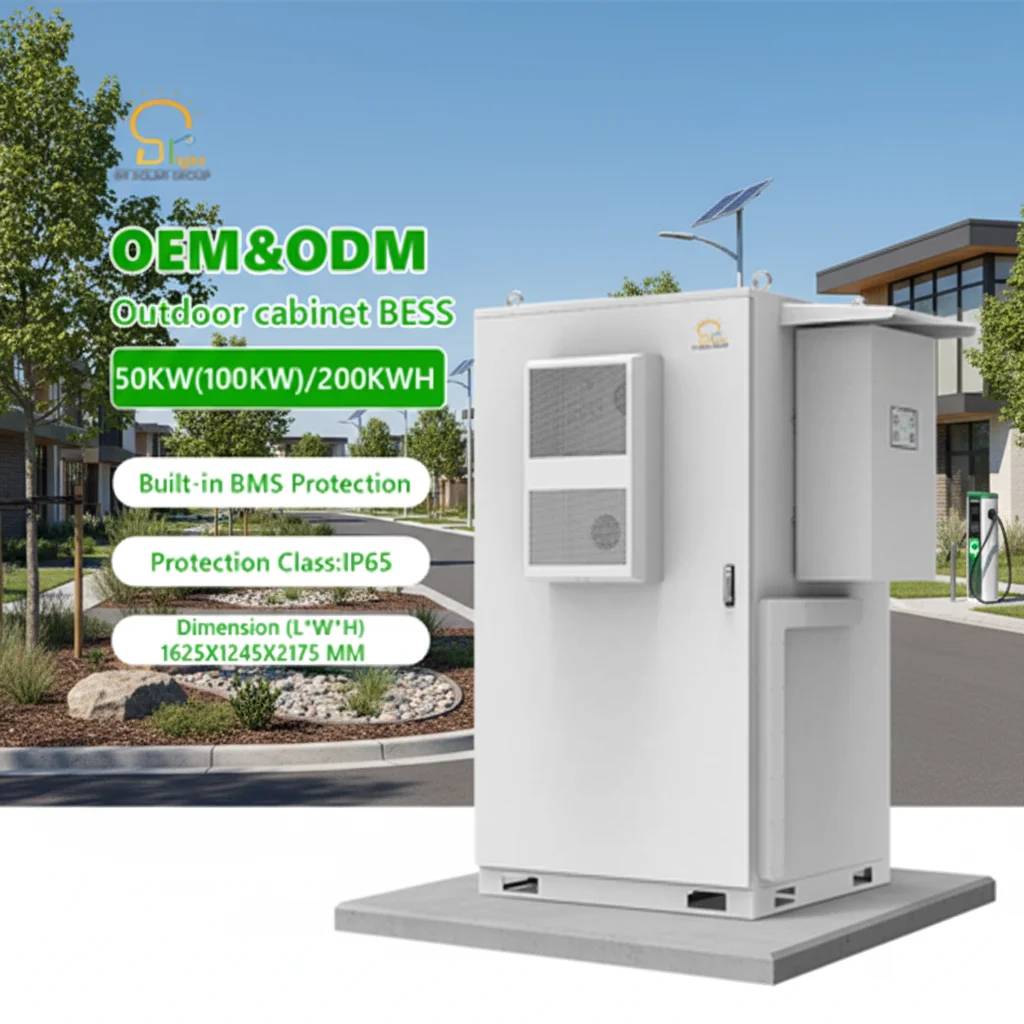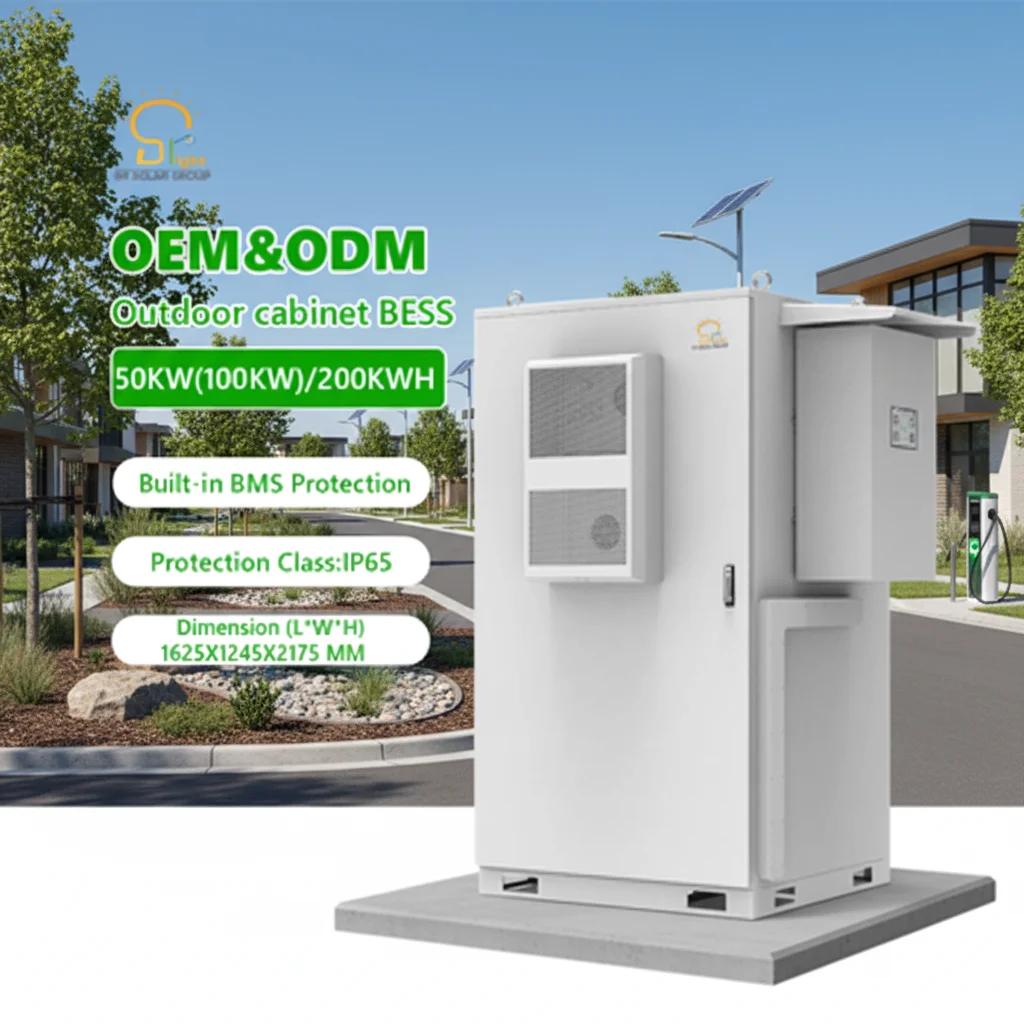

The BR-233 Modular Energy Storage System is a scalable lithium iron phosphate (LiFePO₄ / LFP) battery solution designed for commercial and industrial (C&I) energy storage applications. The system focuses on high energy density, compact footprint, and enhanced safety, integrating advanced monitoring, online maintenance, and built-in aerosol fire suppression at both battery pack and system levels.
With a modular architecture and flexible expansion capability, BR-233 enables users to start from a single module and scale smoothly to hundreds of kilowatt-hours or even megawatt-hour-level systems, making it ideal for applications such as peak shaving, load shifting, backup power, and renewable energy integration.
Core System Features
Advanced Battery Technology
-
Utilizes LiFePO₄ (LFP) cells, known for:
-
High intrinsic safety
-
Long cycle life
-
Excellent thermal stability
-
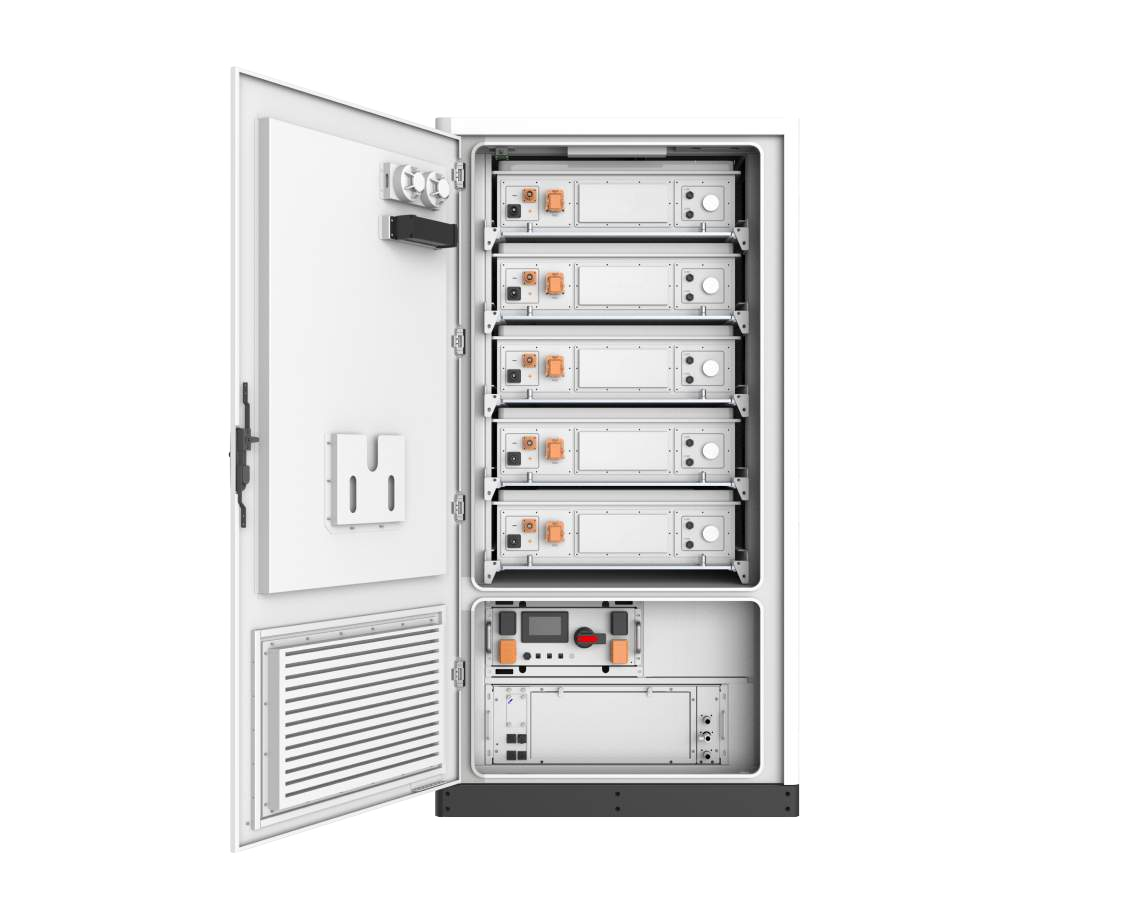
Modular & Scalable Design
-
Single module energy: 46.59 kWh
-
Supports up to 5 modules in series (5S)
-
Combined with dual battery-input inverter parallel configuration (2P)
-
Maximum system energy: 232.96 kWh
This architecture allows flexible system design based on project scale and inverter selection.
Intelligent Monitoring & Maintenance
-
Real-time monitoring of:
-
System voltage and current
-
Cell voltage and temperature
-
-
Intelligent SOC estimation algorithms
-
Supports online firmware updates and remote maintenance, significantly reducing O&M costs.
Integrated Safety Protection
-
Aerosol fire suppression systems deployed at both battery pack and system levels
-
IP65-rated enclosure, providing strong protection against dust and water ingress
-
Designed to meet stringent safety requirements for indoor and outdoor installations.
Key Technical Specifications
| Item | Specification |
|---|---|
| Cell Chemistry | LiFePO₄ (LFP) |
| Module Rated Energy | 46.59 kWh |
| Module Rated Voltage / Capacity | 166.4V / 280Ah |
| Max System Configuration | 5 modules in series (5S) |
| System Rated Voltage | 832V |
| Operating Voltage Range | 728V – 949V |
| Total / Usable Energy | 232.96 kWh / 209.66 kWh |
| Recommended / Max Charge & Discharge Current | 100A / 140A |
| Cycle Life | ≥6000 cycles @ 25°C, 0.5C, ≥70% capacity retention |
| Operating Temperature (Charge / Discharge) | 0℃–55℃ / -20℃–55℃ |
| Dimensions (W×D×H) | 1100×1400×2105 mm (without inverter) / 1600×1400×2105 mm (with inverter) |
| Weight | Approx. 2560 kg |
| Communication Interface | CAN |
| Installation Method | Floor-mounted |
Important Technical Notes
-
Usable energy is measured under the following conditions:
90% DOD, 0.2C charge/discharge, ambient temperature 25°C.
Actual usable energy may vary depending on system configuration. -
Charge and discharge current are influenced by temperature and SOC.
-
Warranty policy is based on warranty period or cycle life, whichever comes first.
Typical System Application Scenarios
Medium-Scale Energy Storage System
-
2 × BR-233 systems (466 kWh)
-
1 × 80 kW inverter
-
Resulting system: 80 kW / 466 kWh
Suitable for factories, commercial buildings, and microgrid applications.
Large-Scale Energy Storage Power Station
-
10 × 80 kW inverters, each connected to one 233 kWh BR-233 system
-
AC-side parallel connection
-
Total system capacity: 800 kW / 2330 kWh
Ideal for industrial parks, utility-side projects, and large commercial energy storage plants.
Summary
The BR-233 Modular LiFePO₄ Energy Storage System is a high-energy-density, high-safety, and highly scalable solution tailored for modern commercial and industrial energy storage needs. Its modular design enables flexible deployment from hundreds of kilowatt-hours to megawatt-hour scale, while intelligent monitoring, remote maintenance, and integrated fire protection ensure safe, efficient, and manageable long-term operation.
This system meets the core requirements of today’s energy storage projects in terms of performance, safety, scalability, and lifecycle cost control.