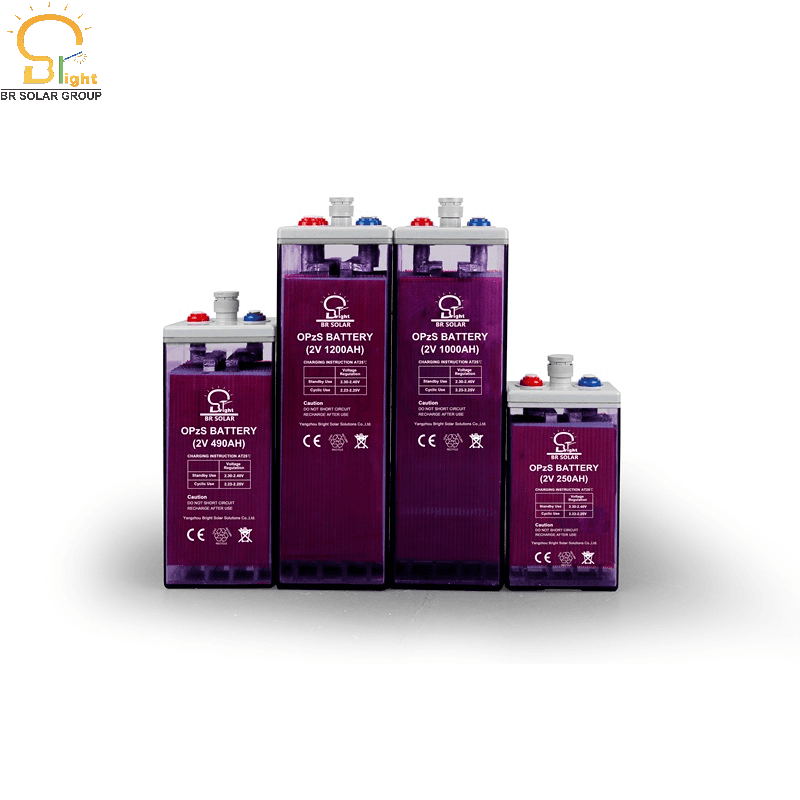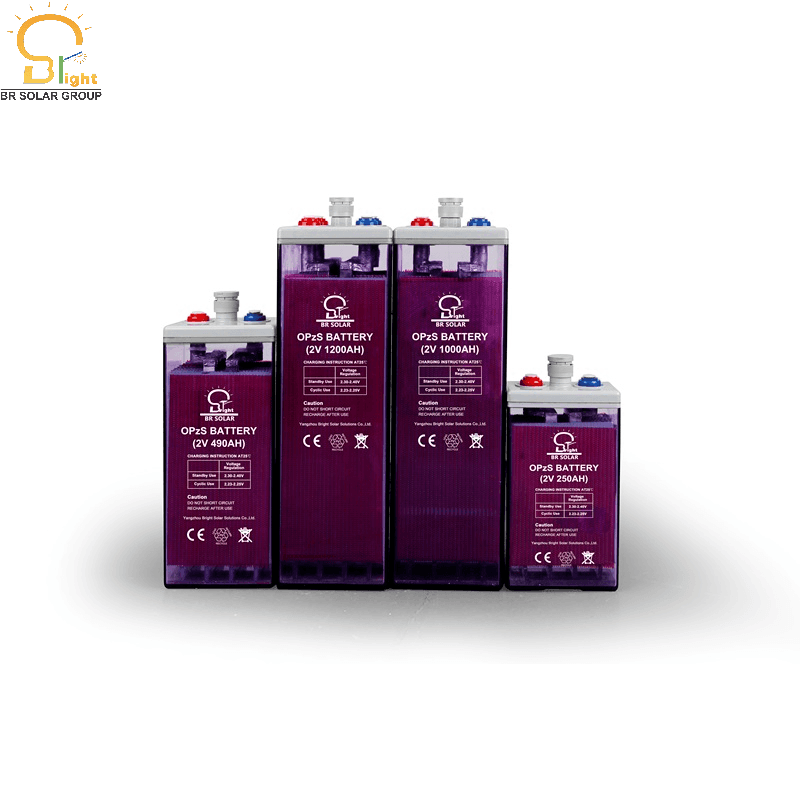

The OPzS Series is a premium flooded tubular lead acid battery designed for applications requiring high reliability, long service life, and superior cycling performance. Manufactured according to DIN 40736 and IEC 60896 standards, the OPzS battery uses die-cast tubular positive plates with a patented active material formulation to ensure exceptional durability.
Core Features & Advantages
Ultra-Long Service Life
-
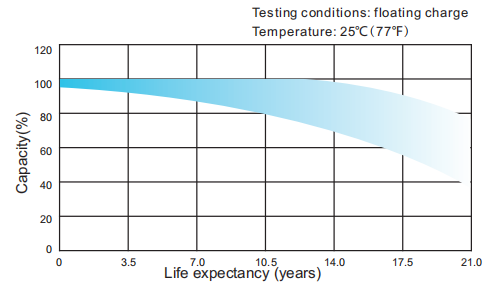
Float design life: Over 20 years
-
Engineered for long-term stationary energy storage
Exceptional Cycle Life
-
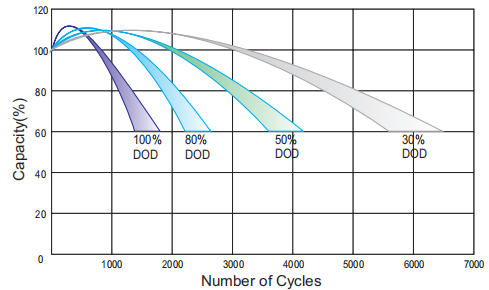
Cycle life up to 400% of standard standby batteries
-
Approximate performance:
-
4000 cycles at 50% DOD
-
6000 cycles at 30% DOD
-
-
Excellent deep discharge recovery capability
Advanced Tubular Plate Technology
-
Lead-antimony multi-alloy die-cast tubular positive plates
-
Core structural foundation for long life and high reliability
-
Optimized electrochemical stability
Strong Discharge Performance
-
Maximum discharge current: 500A (5 seconds)
-
Suitable for both:
-
Long-duration low current discharge
-
Short-duration high current discharge
-
Designed for Harsh & High-Altitude Environments
-
Stable performance in wide temperature conditions
-
Ideal for renewable energy systems in mountainous or remote regions
Key Technical Specifications (OPzS2-100 Example Model)
| Item | Specification |
|---|---|
| Model | OPzS2-100 |
| Nominal Voltage | 2 V |
| Cells per Unit | 1 |
| Nominal Capacity (C10) | 100 Ah (10-hour rate to 1.80V/cell at 25°C) |
| Weight (without electrolyte) | Approx. 8.5 kg |
| Internal Resistance | Approx. 1.0 mΩ |
| Design Life | 20 years (float use) |
| Max Discharge Current | 500 A (5 sec) |
| Max Charging Current | 15.0 A |
| Terminal Type | F10 (M8) |
| Container Material | ABS (UL94-HB / UL94-V0 optional) |
Electrical Performance Parameters
Reference Capacity (25°C)
-
C3: 81.3 Ah
-
C5: 90.5 Ah
-
C10: 100.0 Ah
-
C20: 121.0 Ah
Charging Voltage (25°C)
-
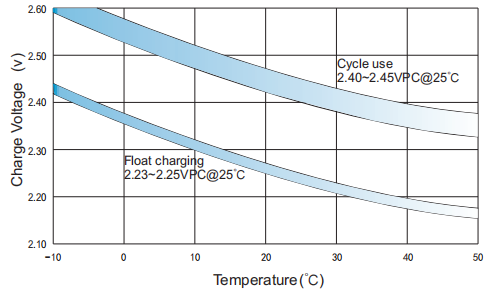
Float Voltage: 2.23 – 2.25 V
-
Temperature compensation: −3mV/°C/cell
-
-
Cycle Voltage: 2.40 – 2.45 V
-
Temperature compensation: −4mV/°C/cell
-
Operating Temperature Range
-
Discharge: −15°C ~ 50°C
-
Charge: 0°C ~ 40°C
-
Storage: −15°C ~ 50°C
-
Recommended Operating Temperature: 25°C ± 5°C
Self-Discharge Characteristics
-
Can be stored up to 2 years before electrolyte filling
-
After filling:
-
<3.5% self-discharge per month at 20°C
-
-
Battery must be fully charged before use
Discharge Performance Data (25°C)
The documentation includes detailed:
-
Constant Current Discharge Tables
(30 minutes to 20 hours at 1.60V–1.85V per cell) -
Constant Power Discharge Tables
All performance values represent the average of three charge-discharge cycles and are not minimum guaranteed values.
Capacity acceptance criteria:
-
≥95% of C10 after first cycle
-
100% of C10 after third cycle
Performance Characteristic Curves
The OPzS series includes comprehensive performance graphs:
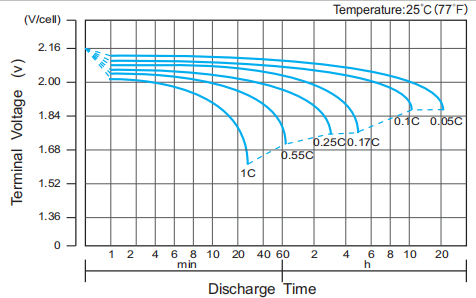
Discharge characteristic curves
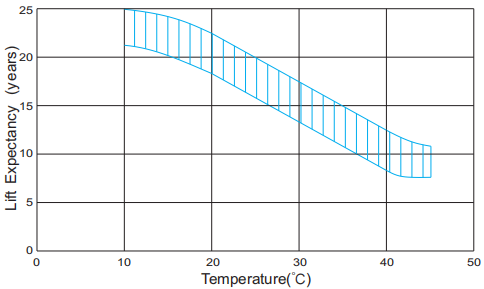
Temperature impact on long-term life
Float service life characteristics (25°C test condition)
Cycle life vs depth of discharge
Charging voltage vs temperature curve
These curves support accurate system design and lifecycle estimation.
Application Fields
The OPzS series is widely used in:
-
Solar power storage systems
-
Wind energy storage systems
-
UPS systems
-
Traction vehicles and forklifts
-
Industrial automation
-
Power utility substations
-
Telecom base stations
Conclusion
The OPzS Series Tubular Flooded Lead Acid Battery combines DIN-standard manufacturing, tubular plate technology, ultra-long service life, and superior cycling performance.
It is a reliable and cost-effective solution for renewable energy storage, industrial backup power, and high-demand stationary applications, especially in challenging environmental conditions.