

What a 2V OPzV Battery Is, and Why Buyers Keep Asking for It
A 2V OPzV Battery is one of those components that looks simple on paper and quietly determines whether a backup system behaves properly in the real world. In solar storage, telecom backup, and stationary UPS banks, the battery is not the decorative part of the project; it is the part that has to start every time, hold up under long standby periods, and recover through repeated charging cycles without turning into a maintenance headache.
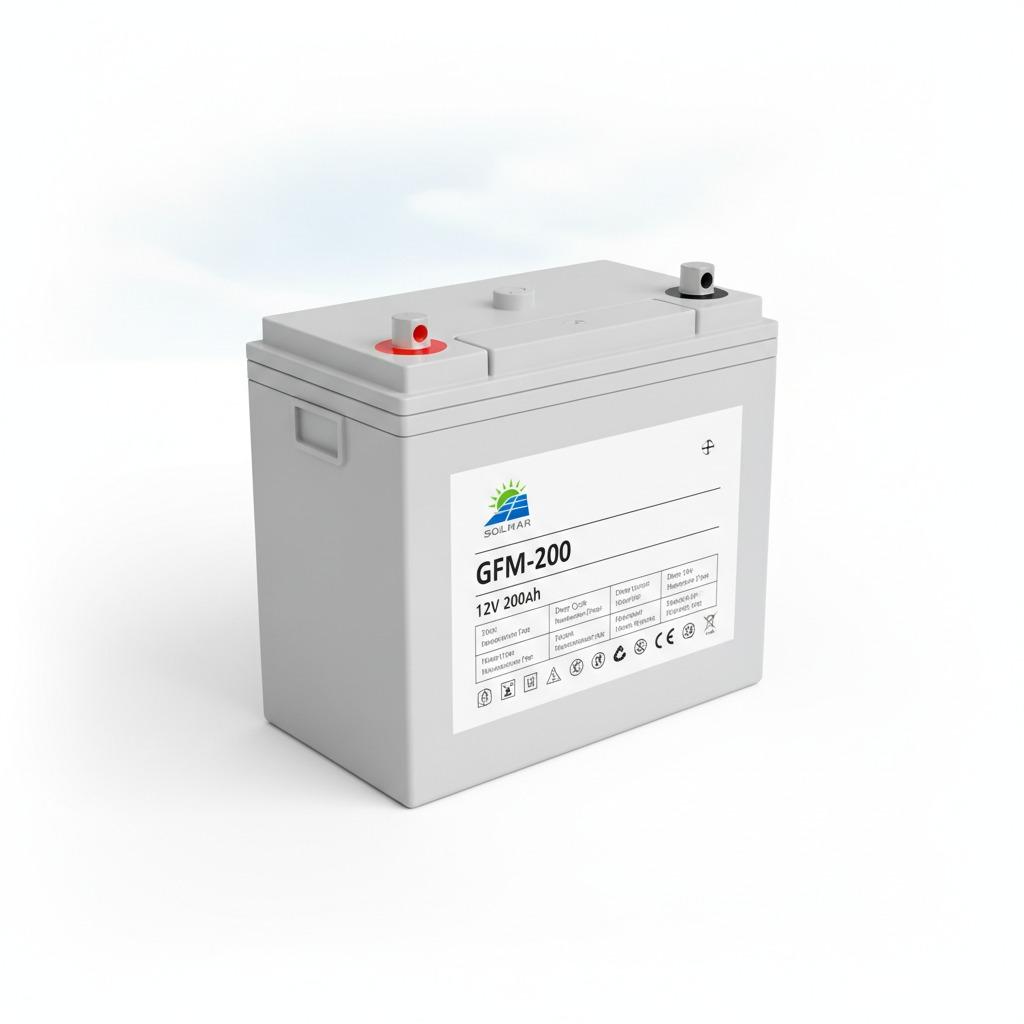
The label details provided for the GFM-200 model point to a 2V, 200Ah/10HR valve-regulated lead-acid battery intended for stationary use. It also lists cycle-use and standby-use voltage ranges, which is useful because it tells the buyer something important: this is not just a generic battery box, but a cell designed for specific charging behavior in either cycling or float service. That distinction matters more than many procurement teams first assume.
Quick Takeaways Before You Compare Models
If you are short on time, these are the practical points that usually decide the purchase:
A 2V cell is typically used as one building block in a larger battery string, so the real system voltage comes from the number of cells connected together.
The 200Ah rating at the 10-hour rate gives a useful baseline, but it does not tell the whole story about runtime. Application, discharge rate, temperature, and battery-bank design all affect actual performance.
The listed charge limits and voltage ranges matter because poor charging is one of the fastest ways to shorten battery life in stationary systems.
For buyers, the key question is not only “Does the battery fit the spec?” but also “Does it fit the charging regime and duty cycle of the actual installation?” That is where many projects drift off course.
What the Label Tells You About the GFM-200
Based on the product information provided, the GFM-200 is a valve-regulated lead-acid battery in a sealed stationary format. Its visible construction details suggest a rectangular hard plastic case, top-mounted terminals, a front label panel, and a central vent or cover feature on top. Those are ordinary but important signs of a stationary battery built for controlled installation rather than casual transport or portable use.
The label gives several key points that engineers and sourcing teams will care about:
Nominal voltage: 2V
Nominal capacity: 200Ah/10HR
Cycle use: 2.35–2.40V
Standby use: 2.23–2.27V
Charging current: ≤50A
It also carries CE and ISO 14001 markings, along with BR Solar Group / B Light brand identification. I would treat those as visible label claims rather than making assumptions beyond what is shown. In procurement, that distinction matters because the presence of a mark is not the same thing as a full certification review.
Why 2V Cells Are Used in Stationary Battery Banks
Many engineers already know the answer, but it is worth spelling out for sourcing teams and project managers: 2V cells are common in large battery banks because they let designers build the required DC system voltage in a modular way. That can make layout, replacement, and maintenance easier in a rack or cabinet system.
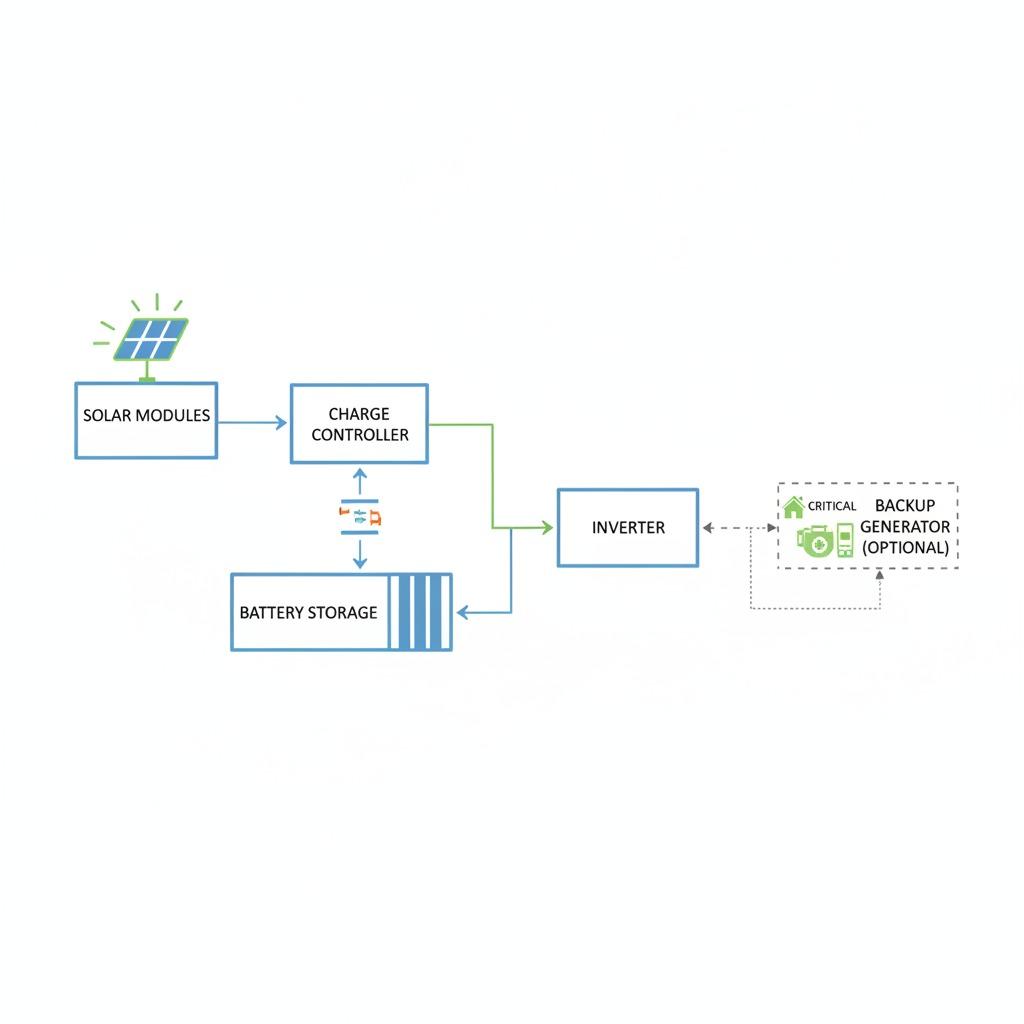
A single 2V cell is not meant to power a load by itself in most practical installations. It becomes part of a string, and the string becomes the source of energy for the inverter, rectifier, or DC bus. In solar energy storage, telecom backup, and emergency power, that modular approach is useful because it allows the system to scale. The tradeoff is obvious: more cells mean more connections, and more connections mean more points that need to be assembled correctly.
That is why buyers should not just compare amp-hour numbers. They should compare the whole battery-bank architecture.
Cycle Use Versus Standby Use: A Small Label Detail with Big Consequences
One of the more useful details on the GFM-200 label is the separation between cycle use and standby use voltage ranges. That usually tells the buyer the battery is intended to work in different service modes, each with its own charging profile.
Cycle use typically refers to applications where the battery is regularly discharged and recharged. Solar systems often push batteries in this direction, especially where daily cycling is part of the operating pattern.
Standby use refers to float service, where the battery spends most of its time fully charged and is expected to step in only when the mains or primary power source fails. Telecom backup is the classic example.
If the charging system does not match the intended use, the battery can suffer. Undercharging can leave lead-acid batteries chronically starved; overcharging can increase water loss and thermal stress, even in sealed formats. That is not dramatic marketing language, just the routine reality of battery ownership.
How Buyers Should Judge a 2V OPzV Battery
When people search for a 2V OPzV Battery, they are usually trying to solve one of three problems: runtime, reliability, or replacement compatibility. The battery only helps if it fits the actual operating environment.
1. Check the system voltage and string design
A 2V cell must match the bank design. If the project uses a defined DC bus, the number of cells, end voltage limits, and charging equipment should already be aligned. If they are not, the battery is not the first thing to buy; the system design is the first thing to fix.
2. Match the battery to the duty cycle
A battery used in daily solar cycling experiences a different stress pattern than one used mostly for emergency standby. The label’s cycle and standby voltage ranges are helpful, but the real question is whether the battery family is intended for the specific duty pattern of the site.
3. Respect the charging current limit
The stated charging current of ≤50A is a useful boundary. Exceeding charge guidance is one of those mistakes that can be made in commissioning and then quietly blamed on the battery later. It is better to verify charger settings than to discover problems after the bank is installed in a remote cabinet.
4. Look beyond the visible label
The product data provided does not include weight, dimensions, cycle life, temperature range, or service life. Those are not minor omissions. They are the fields a serious buyer still needs before making an engineering sign-off. If a supplier cannot provide them, that is a procurement issue, not a paperwork detail.
Where This Battery Category Fits Best
Based on the visible product description, the GFM-200 fits stationary DC applications where a sealed lead-acid battery is acceptable and a 2V cell format is preferred.
Common use cases include:
Solar energy storage systems
UPS installations
Telecommunications backup
Emergency power systems
Other stationary backup applications using battery strings
The common thread here is not “battery” in the abstract. It is controlled, stationary service. These systems are designed around dependable DC storage, not around portability or fast casual replacement.
Common Buying Mistakes That Cost Time Later
A few mistakes come up repeatedly in battery sourcing, and they are worth calling out plainly.
One is assuming all sealed lead-acid batteries behave the same way. They do not. Even when the chemistry family is similar, service design and charging requirements can vary.
Another is buying only on capacity rating. A 200Ah label is helpful, but it is not a substitute for understanding discharge rate, bank voltage, and charger compatibility.
A third mistake is ignoring the installation environment. Stationary batteries are usually installed in racks, cabinets, or dedicated rooms. Ventilation, cable routing, and maintenance access matter. A good battery specified badly can still create field problems.
Finally, some buyers focus on the word “maintenance-free” and stop thinking. That phrase, where used, should never be taken to mean “install and forget forever.” Battery systems still need inspection, charge verification, and periodic system checks.
Practical Questions to Ask a Supplier
If you are evaluating a 2V OPzV Battery or a similar 2V VRLA model, ask for the data that actually affects deployment:
What are the exact dimensions and weight?
What are the recommended charging parameters beyond the label ranges?
What is the expected service profile: cycle, float, or mixed use?
What installation orientation and rack configuration are recommended?
What test documentation is available for this model?
Which parts of the certification claim apply to the product itself, and which apply to the manufacturer?
These are not aggressive questions. They are normal questions from a buyer who expects the battery to operate inside a real system, not a brochure.
Final Buyer Note
The GFM-200’s label gives enough to identify it as a 2V, 200Ah stationary valve-regulated lead-acid battery with defined charge and standby voltage ranges and a stated current limit. That makes it relevant for solar, UPS, telecom, and other DC backup systems where large battery banks are assembled from individual cells.
What it does not give you is everything needed for final procurement. Before placing an order, the buyer still needs the missing mechanical and performance data, plus confirmation that the charging system and installation layout match the battery’s intended service.
If you are comparing options for a stationary battery bank, start with the system design first, then match the 2V cell to that design. That order saves time, and more importantly, it keeps the installation from becoming an expensive correction project later.