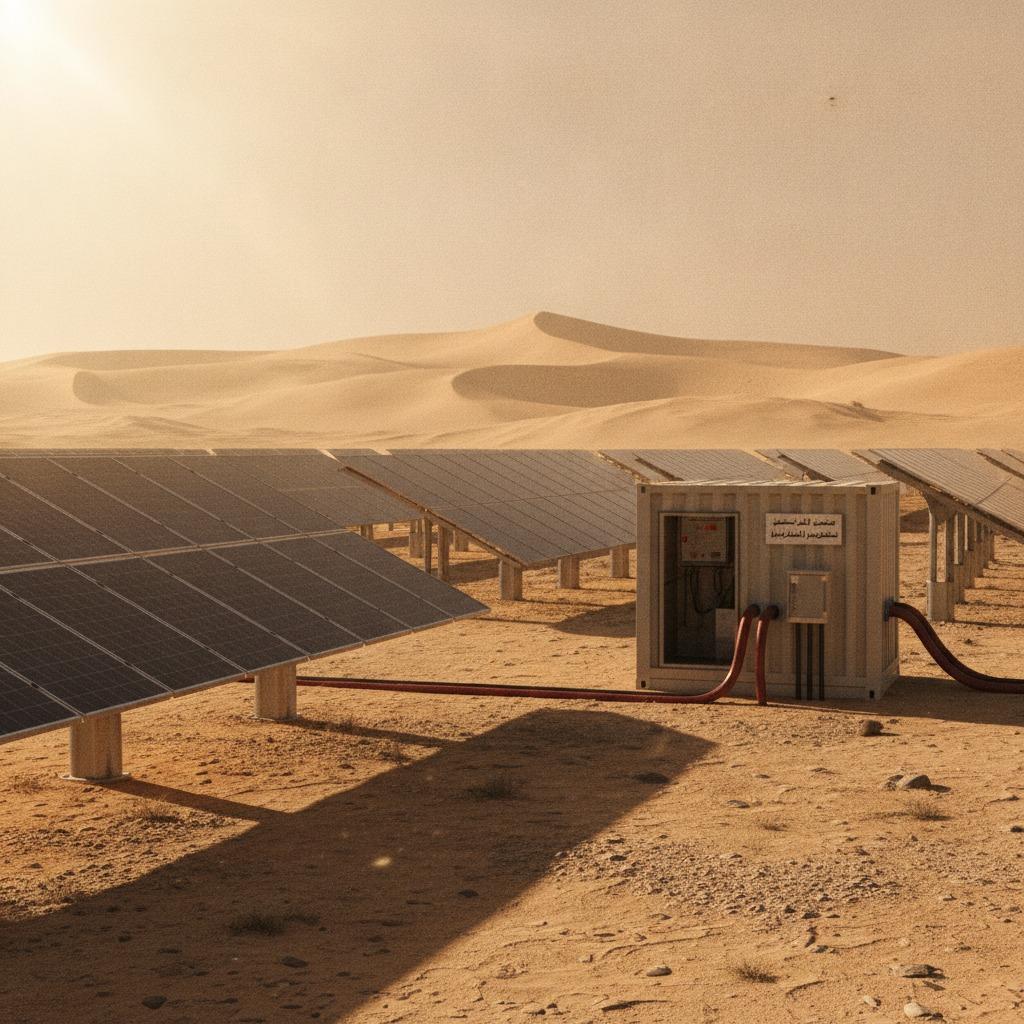

Why the 4-in-1 solar street light has become a practical buying option
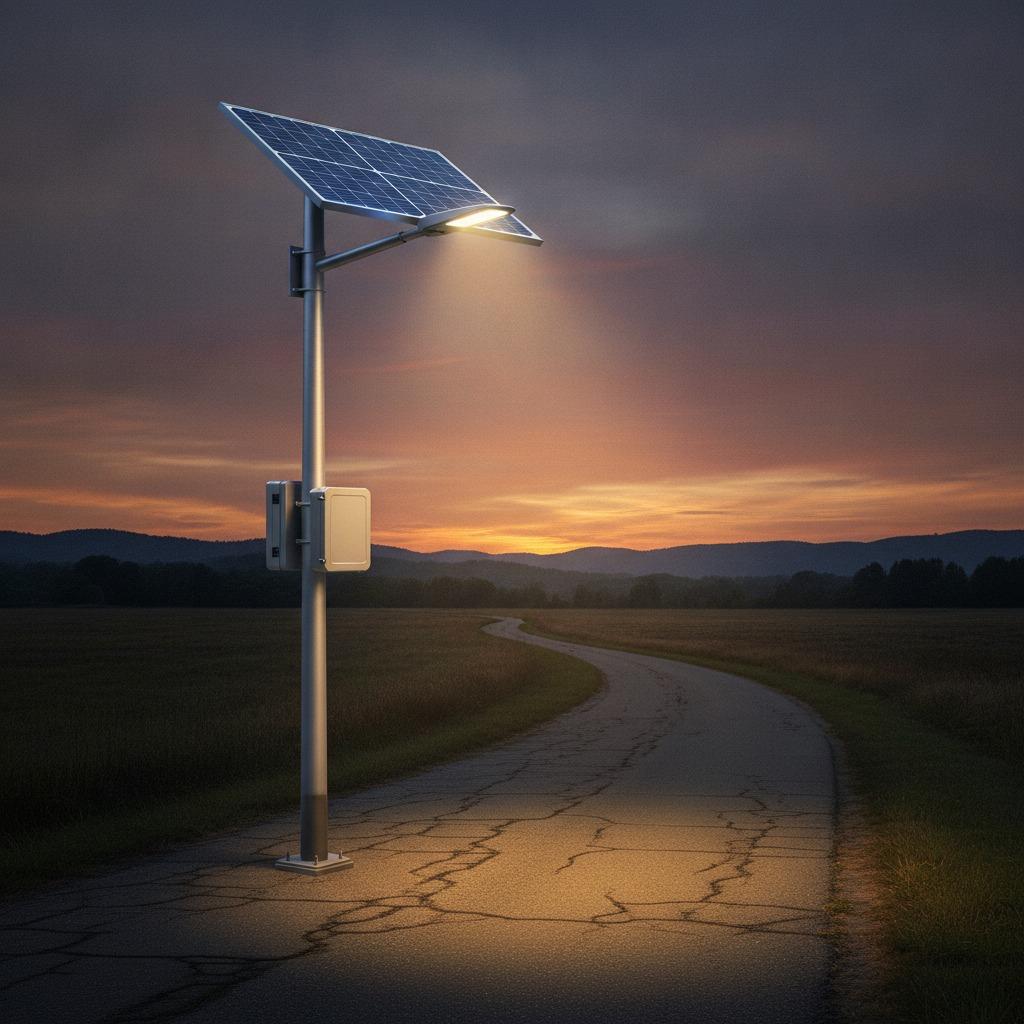
A 4-in-1 solar street light is usually considered when a project needs lighting without the cost and disruption of trenching for power. For road edges, parking areas, campuses, farm access routes, industrial yards, and perimeter paths, the appeal is straightforward: one unit combines several functions in a single pole-mounted package, often bringing together the lamp body, solar collection, battery storage, controller, and mounting structure in a more compact arrangement than older split-system designs.
That sounds simple, but the buying decision is not. Engineers and sourcing teams are rarely choosing a lamp alone. They are balancing illumination goals, installation conditions, maintenance access, battery behavior in local weather, and the basic question of whether the site truly benefits from an off-grid system. A solar street light with PV panel can be a clean answer in the right setting, but only if the components are sized and arranged for the actual environment. Underpowered systems, oversized claims, and poor mounting details are where many projects go sideways.
This article is meant to help you sort the useful from the merely convenient, and to give you a practical frame for comparing product types before you issue an inquiry or approve a specification.
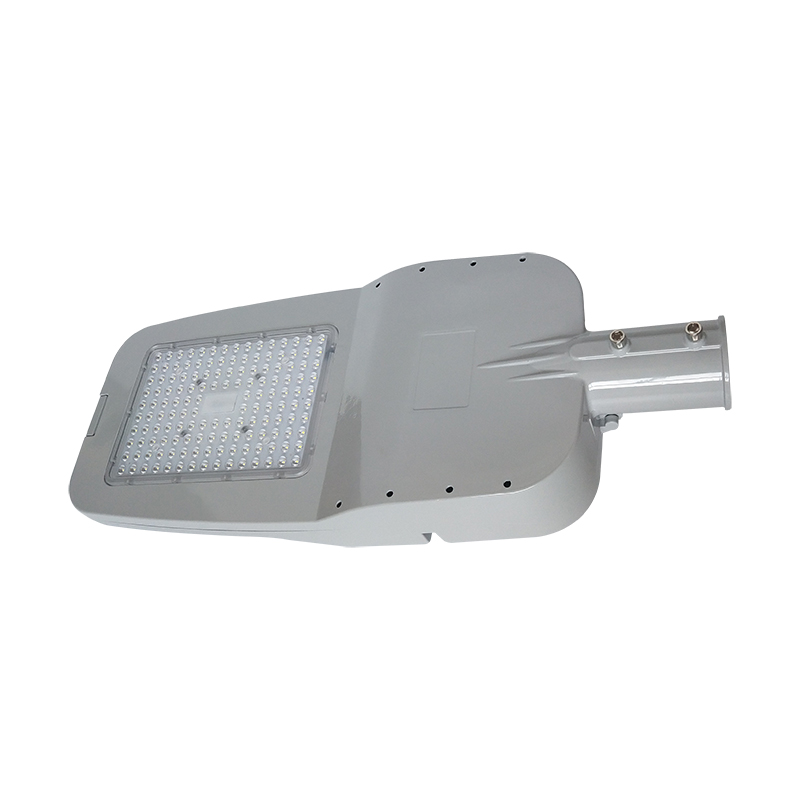
What problem these systems solve
Traditional street lighting depends on electrical distribution, trenching, cabling, and often ongoing utility charges. That is not always a problem on urban projects, but it becomes a headache on remote roads, temporary sites, new developments, and locations where digging is expensive or slow. Solar lighting removes much of that infrastructure burden.
The 4-in-1 format is especially attractive because it reduces the number of separate parts a buyer must coordinate. In practice, that can mean fewer compatibility issues and less field assembly. It may also simplify shipping and handling, which matters more than many spec sheets admit. A well-designed all-in-one unit can be easier to deploy quickly, though it still needs sound pole selection, sensible placement, and realistic expectations about sunlight availability.
The business case is not only about energy savings. It is also about project speed, lower civil work, and easier expansion in places where utility extension would be disproportionate to the lighting load. That said, the system must be matched to the site, or the “savings” will be lost to callbacks and dissatisfied users.
How a 4-in-1 solar street light is typically built
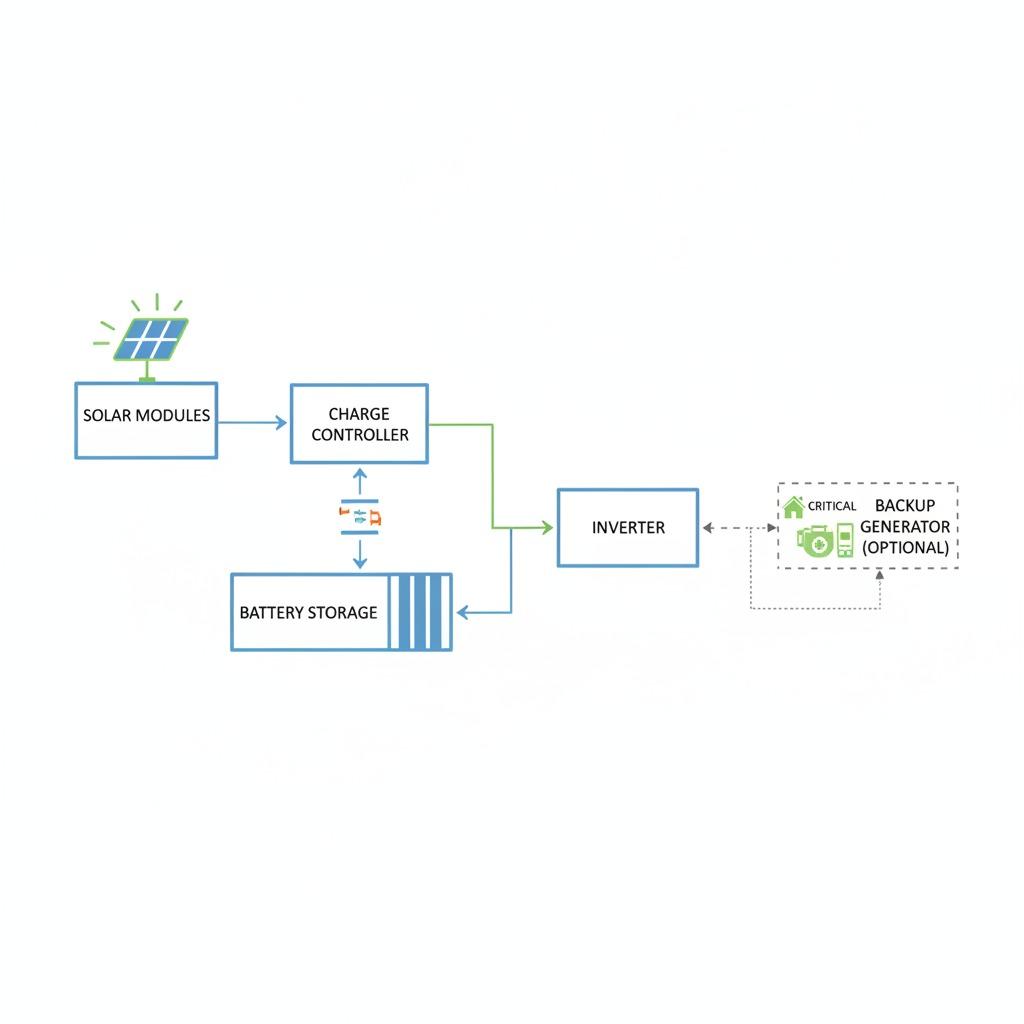
Although designs vary, the key logic is the same: the light uses photovoltaic energy collected during the day and stored in a battery for nighttime operation. The integrated approach usually places the PV panel, light source, battery, and control electronics in a coordinated assembly. Some products are more compact, while others use a clearer separation of the optical head and solar collection area. When people refer to a 4-in-1 solar street light, they are usually describing that consolidated architecture rather than a single fixed internal standard.
For buyers, the important point is not marketing language but the physical relationship between these parts. The PV panel must be positioned to collect enough energy. The battery must be protected from heat and moisture. The controller must manage charging, dusk-to-dawn switching, and sometimes dimming modes. If one element is undersized, the whole system is compromised.
Why integrated design can help
An integrated body can reduce external wiring and make installation more straightforward. That can be useful on projects where labor availability is limited or where the goal is to standardize field deployment. It also reduces some obvious failure points, especially where connectors and exposed cables would otherwise face weather and vibration.
Still, compact does not automatically mean better. A tightly integrated unit can be harder to service if the battery ages out or a control module fails. Buyers should ask how maintenance is handled and whether key components can be accessed without replacing the entire fixture. That small question can change the economics of the whole project.
Where this product category fits best
These lights tend to fit sites where wiring would be difficult, expensive, or visually intrusive. Common uses include access roads, rural lanes, parking lots, boundary roads, logistics yards, construction staging areas, and public walkways. They can also work as supplemental lighting where full grid-powered illumination is unnecessary.
They are less suitable in locations with long stretches of poor winter sunlight, heavy shading, or unusually high nighttime lighting demand. Dense tree cover, adjacent tall buildings, or frequent dust accumulation on the panel can reduce performance. That does not make the product wrong; it just means the site may need a different panel size, battery capacity, mounting angle, or even a different lighting strategy altogether.
Quick buyer checklist before you compare offers
Before getting lost in catalog claims, start with the site conditions. How many hours of useful lighting are required? Is the project in a region with predictable solar exposure? Will the lamp be mounted in a location with consistent sun and minimal obstruction? Is the pole height already fixed, or can it be adjusted to suit the beam spread?
Then look at the operating pattern. Some sites need full brightness all night. Others can tolerate stepped dimming after midnight. That single choice can affect battery sizing and system cost. If you are evaluating a solar street light with PV panel, ask whether the panel area and battery capacity are designed as a matched pair rather than presented as separate headline figures.
Finally, look beyond the front page. Ask for dimensional drawings, mounting details, and a clear explanation of replacement procedures. Buyers often focus on lumens and overlook practical servicing. In the field, serviceability wins arguments.
Selection criteria that matter in real projects
1. Light distribution, not just brightness
A high lumen number does not guarantee useful site illumination. Beam angle, optical control, and mounting height all affect how the light lands on the ground. For roads and lanes, more even distribution is often more valuable than a dramatic peak figure. Uneven pools of light can create dark gaps that are hard to spot on a data sheet.
2. Battery sizing and temperature behavior
Battery capacity should be judged in the context of local weather, expected runtime, and backup margin. Heat can reduce battery life, while cold can reduce usable capacity. If the unit is installed in a very hot or very cold climate, ask how the battery is protected and whether the design accounts for seasonal variation. This is one area where buyer caution pays off.
3. PV panel exposure and orientation
The panel is the engine of the system. Any shading, poor angle, or accumulation of dust and debris will reduce charge collection. On a constrained site, even a technically capable fixture may underperform if the panel cannot see enough daylight. That is why mounting position matters as much as the hardware itself.
4. Maintenance access
Some products are clearly intended for rapid installation, but not all are equally easy to maintain. If the battery or controller is sealed into the body, replacement may be more complex than expected. Ask how the unit is opened, what tools are needed, and which parts are considered consumables.
Common mistakes buyers make
The most common mistake is buying for a brochure, not a site. A second mistake is assuming all solar fixtures behave similarly just because they look alike. They do not. Mounting height, panel orientation, and battery behavior all influence real performance.
Another issue is over-specifying brightness and under-specifying runtime. A project may ask for a very bright lamp, then be surprised when nighttime autonomy falls short in cloudy periods. A better approach is to define the lighting requirement, the expected number of operating hours, and the worst-case weather window before comparing products.
One more practical warning: do not ignore replacement logistics. If the project is remote, the ability to swap a module quickly can matter more than a marginal increase in efficiency. That is the kind of detail that saves money quietly, which is usually how the best procurement decisions work.
What to ask suppliers
Ask how the system is configured, what the PV panel size supports, and whether the lighting schedule can be adjusted. Ask whether the unit is designed for pole mounting only or can support other installation conditions. If the supplier offers multiple variants, request a side-by-side explanation of the differences rather than a general sales pitch.
It also helps to ask for a clear description of the operating logic: dusk-to-dawn control, dimming stages, motion-based modes if available, and backup behavior during poor weather. Those details affect user satisfaction far more than a tidy product name.
When the 4-in-1 format is the right answer
This format makes the most sense when the project values simplicity, lower civil work, and fast deployment. It is often a good fit for distributed installations where running grid power would be inefficient or disruptive. It can also be an effective standardization choice for buyers who want one repeatable product family across multiple sites.
It is less attractive when the application demands highly tailored lighting optics, very long autonomy, or easy component-level servicing over a long lifecycle. In those cases, a more modular solar lighting approach may be worth considering. The right answer depends less on the marketing format and more on how the system will behave after installation.
Practical next step for buyers
If you are preparing a spec or RFQ, start with the site conditions, required runtime, mounting constraints, and maintenance expectations. Then compare the 4-in-1 solar street light options against those realities rather than against vague brightness claims. A concise request for drawings, configuration details, and operating logic will usually separate serious suppliers from generic listings quickly.
For teams evaluating a solar street light with PV panel, the best decision is usually the one that fits the location cleanly and can still be serviced without trouble two or three seasons later. That is the part many projects forget to cost in, until the lights stop behaving the way the brochure promised.