
What buyers are really trying to solve in the battery energy storage system market
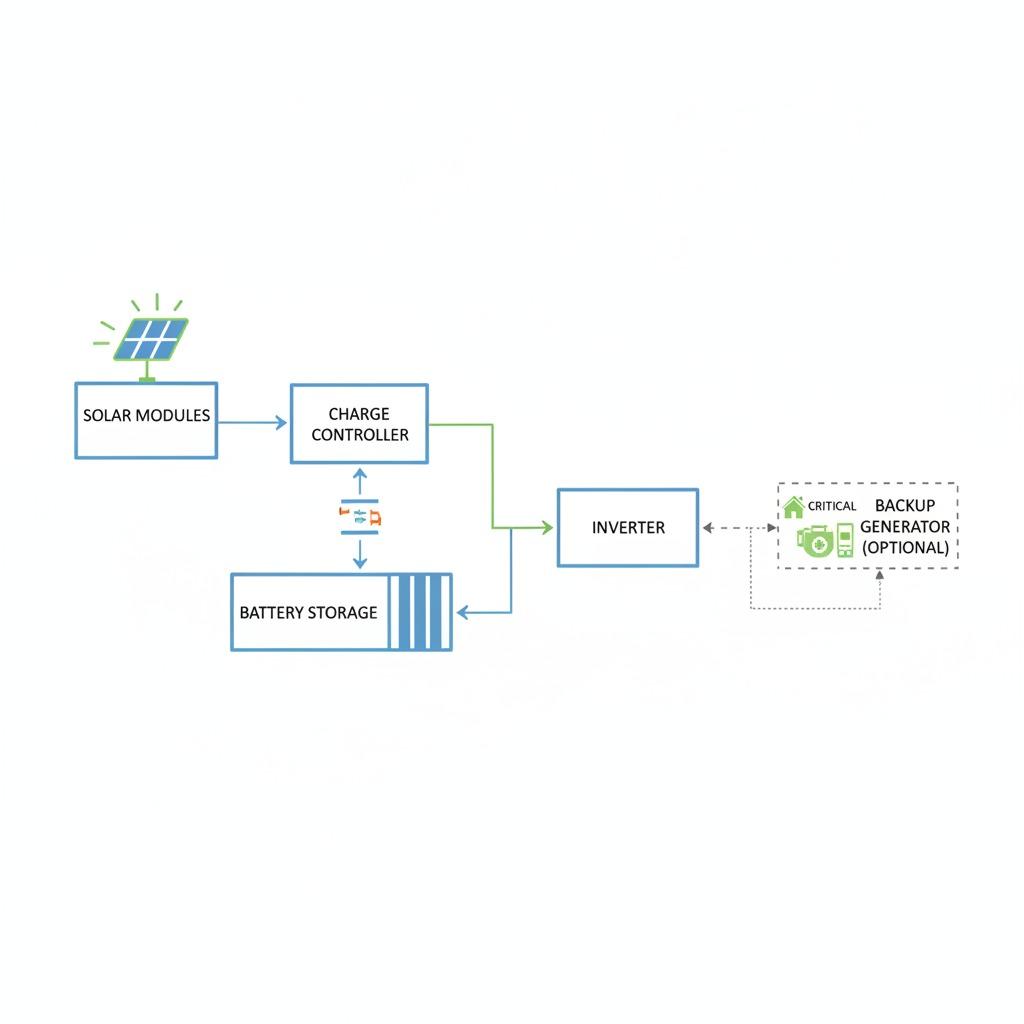
The battery energy storage system market is no longer just a discussion about batteries. For most buyers, it is a decision about how to keep power available, reduce grid exposure, smooth peaks, and make renewable generation more usable on the load side. That shifts the buying process from simple hardware comparison to a systems question: what kind of enclosure, controls, cooling, service access, and site integration does the project actually need?
That matters because a BESS is not bought like a standard electrical cabinet off the shelf. Engineering teams, sourcing managers, and project leads are usually balancing footprint, protection, wiring complexity, thermal behavior, and maintainability at the same time. A cabinet may look straightforward from the outside, but the internal layout often decides whether the installation is easy to service or a headache from day one.
This article is meant to help readers make a practical decision. Not whether storage is useful in theory, but how to evaluate the cabinet-level packaging and integration choices that affect uptime, safety, and project fit.
A quick view of what a modern storage cabinet is doing
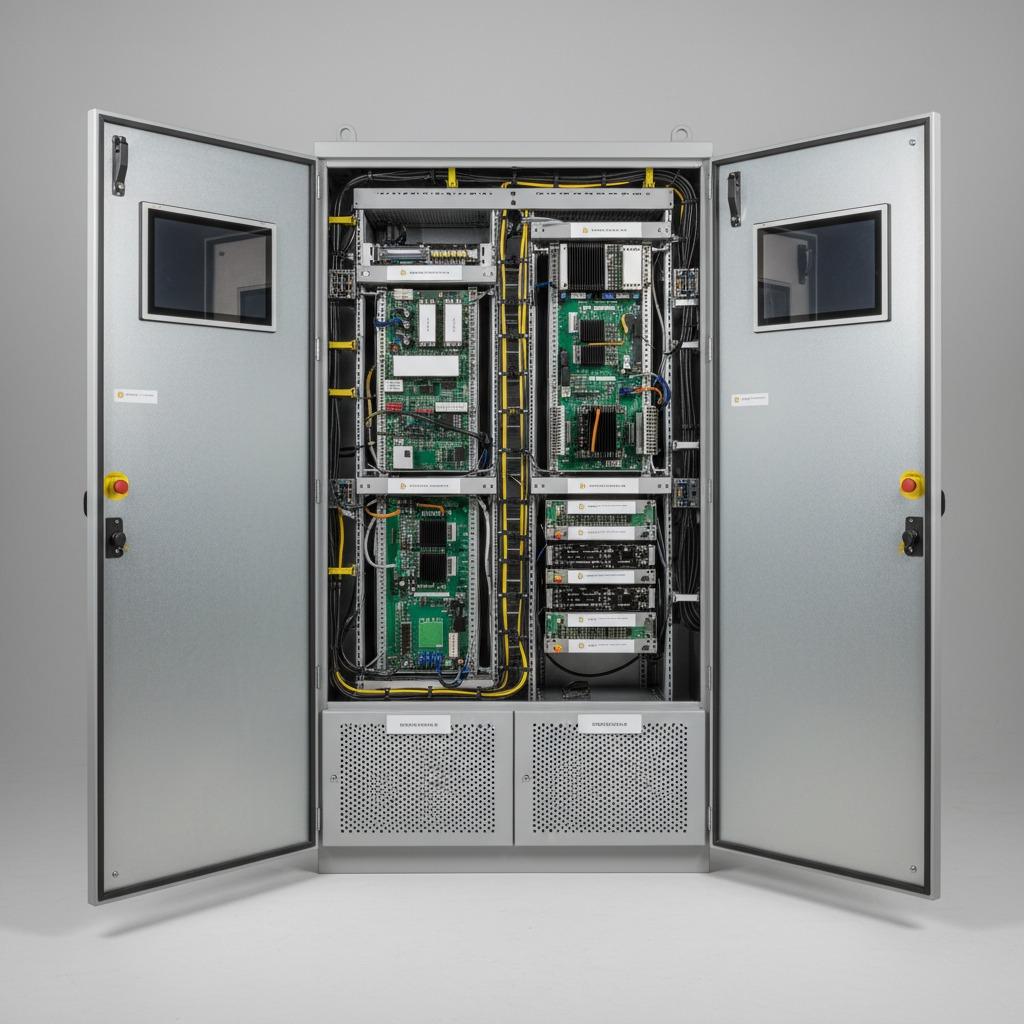
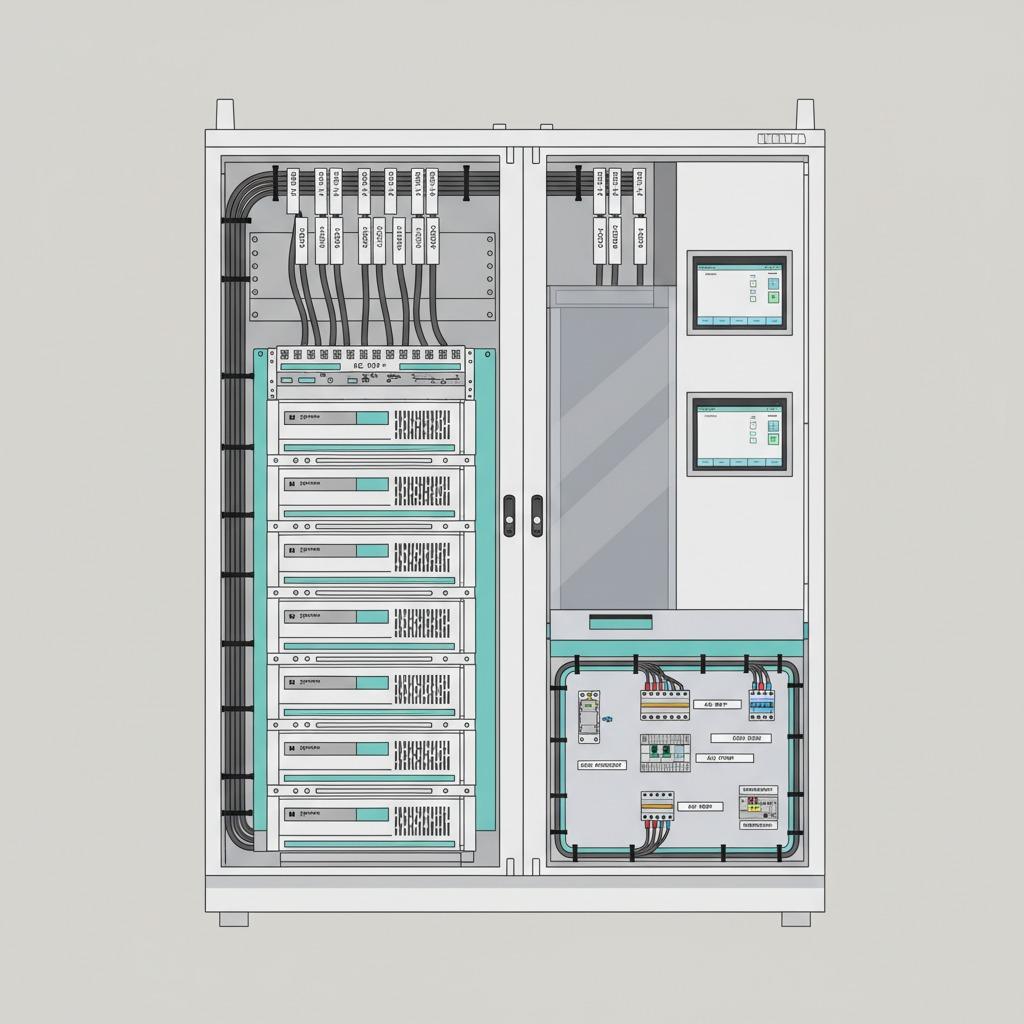
In many industrial deployments, the visible product is a large floor-standing metal enclosure with double front doors, internal mounting rails, and a compact but crowded arrangement of modules, cabling, and control interfaces. The unit described in the preparation data has that general profile: a light gray cabinet, dual doors, modular internal equipment on one side, control/display interfaces on the other, and vented sections near the lower area for airflow or cooling.
That is a typical form factor for integrated electrical storage or power management equipment. It may be used in solar-plus-storage systems, microgrids, backup power, peak shaving, industrial energy management, telecom power sites, or utility-side conditioning. From a buyer’s point of view, the cabinet is not just a container. It is part of the system architecture.
Why the BESS market is pushing more attention onto cabinet design
The battery storage market size conversation often focuses on megawatts and megawatt-hours, but field performance depends heavily on packaging decisions. When a system is installed outdoors or in a plant environment, the enclosure becomes the first line of defense against dust, incidental contact, weather exposure, and day-to-day abuse. A poorly thought-out cabinet can create maintenance delays, heat concentration, or cable management problems that are expensive to fix later.
For engineering teams, the main issue is not whether the system works in a lab. It is whether it remains serviceable in a real site with limited access, seasonal temperature swings, and different operator skill levels. For sourcing teams, the question is whether the supplier has combined the electrical, mechanical, and thermal parts into a package that reduces project risk rather than shifting it downstream.
What to look for in a storage cabinet or integrated enclosure
1. Internal layout
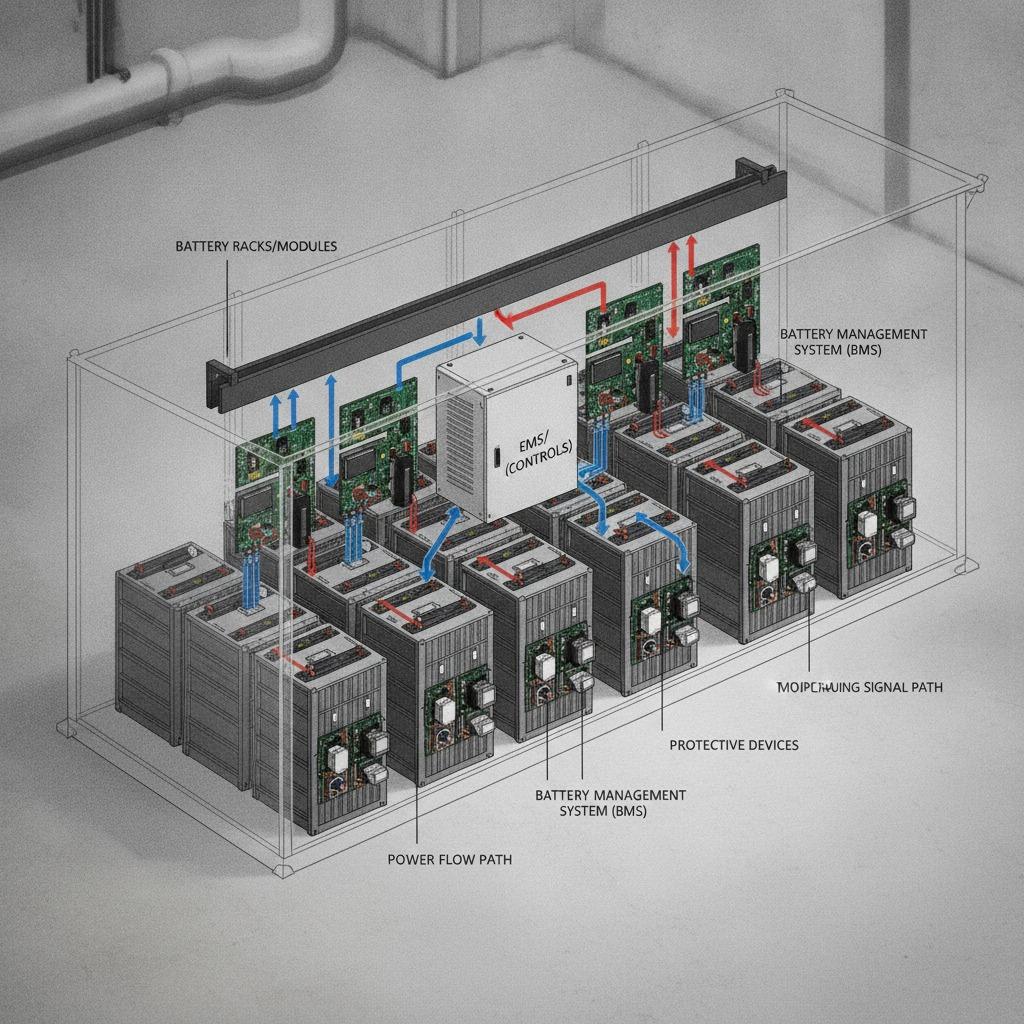
A disciplined internal layout is one of the strongest signs that the system was designed with field use in mind. In the supplied product description, the cabinet includes stacked modular units, visible cable routing, rack-mounted electronics, and two HMI displays. That suggests the system is built for centralized monitoring and layered power components, which is common in industrial energy systems.
Buyers should ask a practical question: can a technician trace a cable path without dismantling half the enclosure? If the answer is no, maintenance costs usually rise.
2. Cooling and airflow
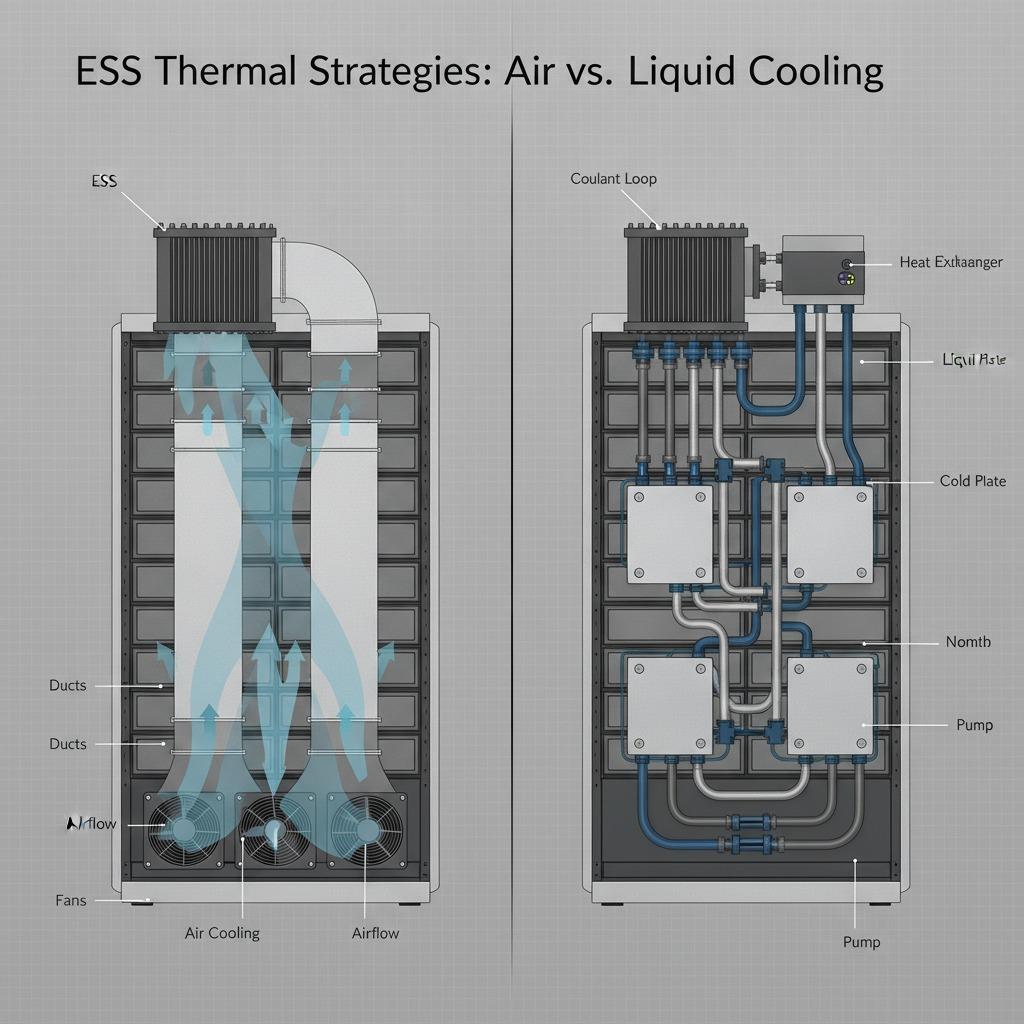
The visible vented or perforated sections matter. Energy storage cabinets generate heat, and heat management affects component life and performance consistency. The preparation data does not confirm the exact thermal method, so it would be wrong to assume liquid cooling, forced air, or any particular design. Still, the presence of ventilation openings is a reminder that airflow strategy should be reviewed early, not after the equipment arrives on site.
A useful buyer habit is to ask how the cabinet behaves under load in warm weather, not just during commissioning. Many projects look fine during a short factory or site test and then become more temperamental in long duty cycles.
3. Access and serviceability
Double front doors are a simple but valuable feature. They can improve access for inspection, wiring checks, and module replacement. In a dense cabinet, service access is often the difference between a quick visit and a shutdown that spreads to other parts of the plant. Dual-door access does not automatically solve every service issue, but it is better than forcing technicians through a narrow single opening.
4. Control visibility
Two touchscreen or HMI displays are visible in the described product. That suggests separate local interfaces or a divided control function, though the exact software and control architecture are not confirmed. For buyers, the important point is that local visibility still matters even in a connected system. Operators often need immediate status, alarms, and basic diagnostics without waiting on a remote dashboard.
How the battery energy storage system market changes buyer priorities
The battery energy storage system market has matured enough that buyers are comparing more than core battery capacity. They are looking at integration quality, cabinet footprint, maintainability, and whether the vendor can deliver a package that fits the site rather than forcing site modifications. That is especially true in industrial and commercial projects where space is limited and downtime is expensive.
In this setting, a cabinet-style solution can be attractive because it consolidates modules, controls, and wiring into a protected footprint. It may reduce on-site assembly effort and help standardize installation. But the same compactness can become a weakness if thermal management, service clearances, or future expansion were not handled carefully.
Selection criteria that actually affect field results
Engineers often start with electrical ratings, which is sensible. But in the field, the cabinet envelope matters almost as much as the electrical architecture. Buyers should compare systems using a few practical filters.
First, ask whether the cabinet is intended for outdoor use, indoor use, or both. The product data describes a weather-protected, rigid floor-standing enclosure, but does not specify an IP or NEMA rating, so that should be verified directly rather than assumed.
Second, check the modularity of the internal equipment. Stackable or rack-mounted units can support easier replacement and potential service segmentation. That said, modularity is only useful if spare parts, labeling, and access strategy are disciplined.
Third, review monitoring and local control. A cabinet used in solar-plus-storage or microgrid applications should give operators clear visibility into operating state, alarms, and cabinet health. If the HMI is clumsy or buried behind nested menus, technicians will create workarounds, and those are rarely elegant.
Fourth, ask how the wiring is managed. Dense cable routing can be a sign of efficient integration, but it can also signal a cabinet that will be painful to expand or troubleshoot. A tidy harness is a good sign; a crowded maze is not.
Common mistakes buyers make
One common mistake is treating the cabinet as a passive shell. It is not. The enclosure influences cooling, maintainability, cable strain, and the general discipline of the installation.
Another mistake is overfocusing on headline battery numbers while ignoring the physical integration. A project can have an acceptable battery specification and still underperform if the cabinet is awkward to install or service.
A third mistake is assuming every enclosed storage system solves the same problem. A telecom site, a factory peak shaving project, and a utility support application may all use storage, but the operating patterns are different. Cabinet layout, access method, and control logic should reflect that difference.
And a practical caution: if a vendor cannot clearly explain what sits inside the enclosure, how it is cooled, and how a technician would service it, that is usually a warning sign. The hardware may still be fine, but the buyer is being asked to accept too much uncertainty.
Where this kind of cabinet fits in real projects
Based on the supplied product information, this enclosure looks suited to centralized electrical storage or power conditioning in applications such as solar-plus-storage, microgrids, backup power, peak shaving, industrial energy management, and telecom/site power. Those are exactly the places where a contained footprint is valuable and where system discipline matters.
In a factory, the appeal is load smoothing and resilience. In a renewable project, the appeal is dispatch flexibility. In a telecom environment, the appeal is dependable site power in a secure enclosure. In every case, the cabinet should be judged not just by what it stores, but by how it supports reliable operation over time.
Questions to ask a supplier before you commit
What exactly is inside the cabinet, and what can be serviced from the front? How is airflow or cooling managed? Is the enclosure meant for outdoor deployment, and if so, what protection rating applies? What monitoring functions are available locally at the HMI, and what alarms are exposed to the operator? What parts are modular, and what requires a deeper shutdown?
Those questions may sound basic, but they separate a polished sales presentation from an engineering-ready offer.
FAQ
Is a cabinet-style BESS always better than a room-based system?
Not always. Cabinet-style systems are attractive for compact sites and modular deployments, but larger projects may prefer different architectures depending on thermal load, access, and expansion plans.
Does visible ventilation mean the system is air-cooled?
Not necessarily. The image description shows vented sections, but the exact thermal design is not confirmed. Buyers should verify the actual cooling method.
Can this product be assumed to have a specific battery chemistry or rating?
No. The supplied information does not confirm battery chemistry, capacity, voltage, power rating, ingress protection, or certifications.
What to do next
If you are evaluating equipment in the battery energy storage system market, start with the cabinet architecture, not just the battery headline. Ask for the internal layout, service approach, thermal strategy, and site-fit details. A well-integrated enclosure can save a project as much as a strong electrical spec, while a poor one can quietly add risk for years.
For sourcing and engineering teams, the next sensible step is to compare this style of integrated cabinet against your site conditions and maintenance model. The best choice is rarely the most impressive brochure. It is the one that can be installed, monitored, and serviced without drama.