
Battery energy storage system projects: what buyers should know before they spec a containerized site
A battery energy storage system is no longer a niche add-on for utilities. It has become a practical tool for industrial sites, campuses, and grid-connected projects that need to shift load, smooth renewable output, or keep critical operations running when the power supply gets shaky. If you are sourcing equipment or planning a deployment, the hard part is not deciding whether storage is useful. It is deciding what kind of system fits the job, how it is packaged, and what trade-offs come with a modular, containerized design.
That matters because the visible hardware only tells part of the story. A row of standardized outdoor enclosures may look straightforward, but behind those white corrugated shells are choices about electrical integration, thermal management, service access, control logic, and future expansion. Buyers who treat the system as “just a box of batteries” usually miss the real cost drivers. Buyers who treat it as a site-level energy asset tend to ask better questions.
What a containerized system is really solving
Containerized storage is popular for a simple reason: it compresses a complex energy project into a repeatable industrial package. Instead of constructing a building from scratch, the integrator or OEM can assemble major components in prefabricated modules, ship them to site, and set them on a prepared foundation. That shortens installation time and makes scaling easier, especially when projects need multiple identical units.
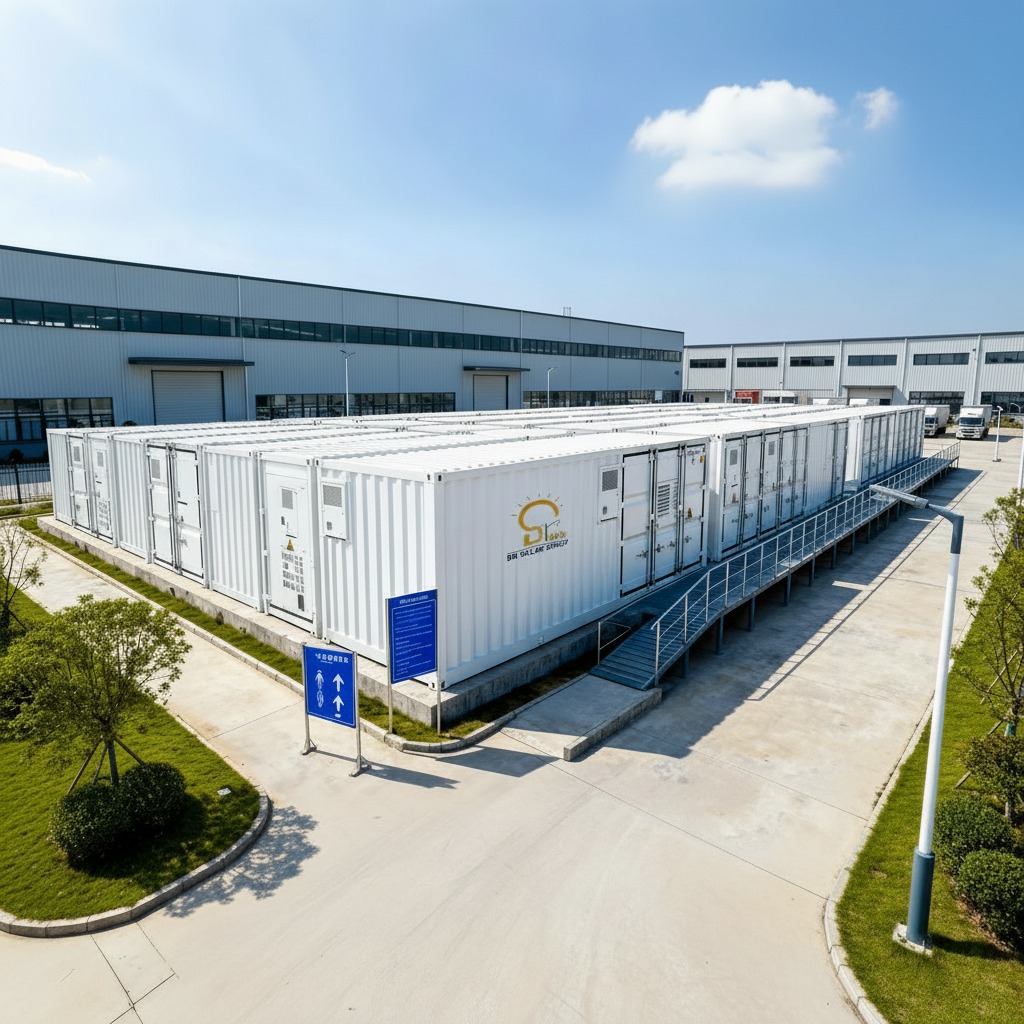
The pictured layout fits that approach. The modules sit outdoors on a concrete pad, with service access, raised positioning, and a perimeter walkway. That is not cosmetic. It is the kind of site design that helps maintenance teams reach doors, panels, vents, and inspection points without disrupting adjacent equipment. For an energy storage system, access is not a side issue; it is part of the operating cost.
BESS explained in practical terms
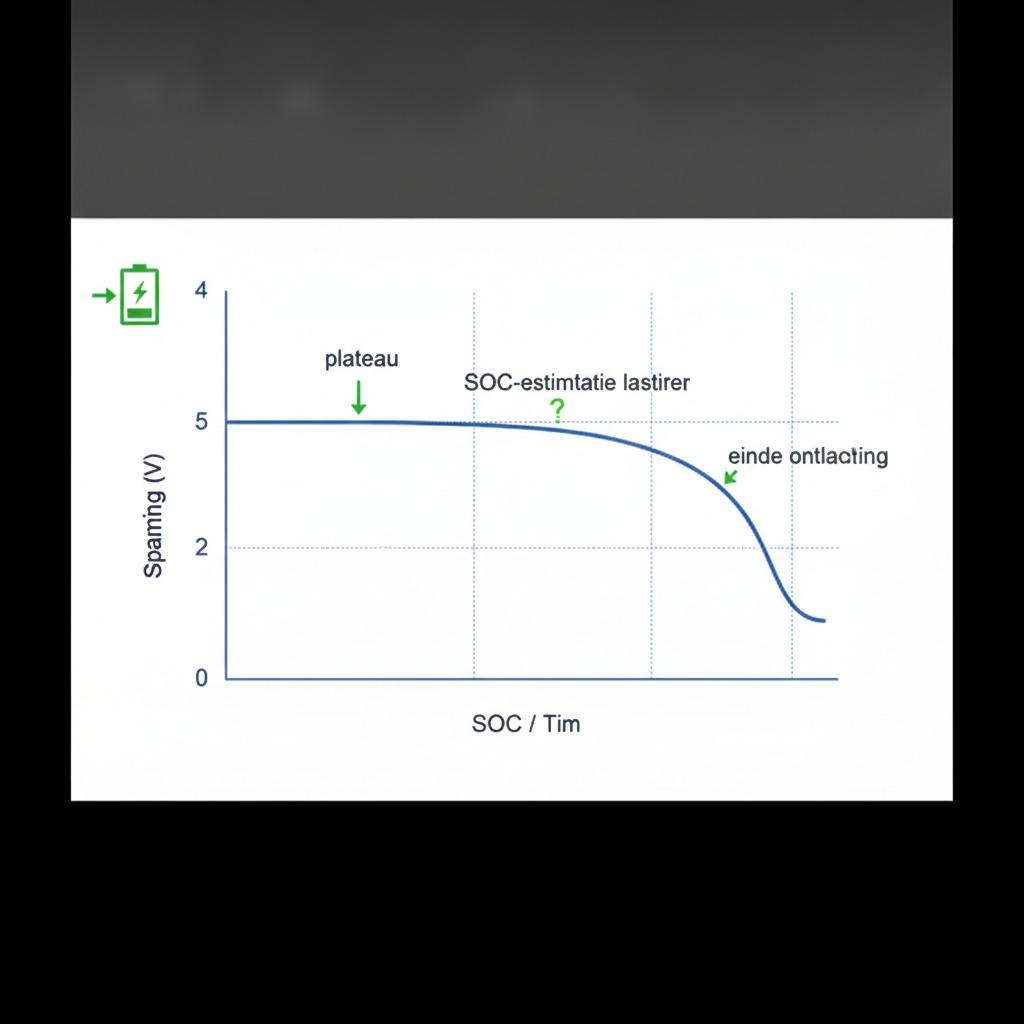
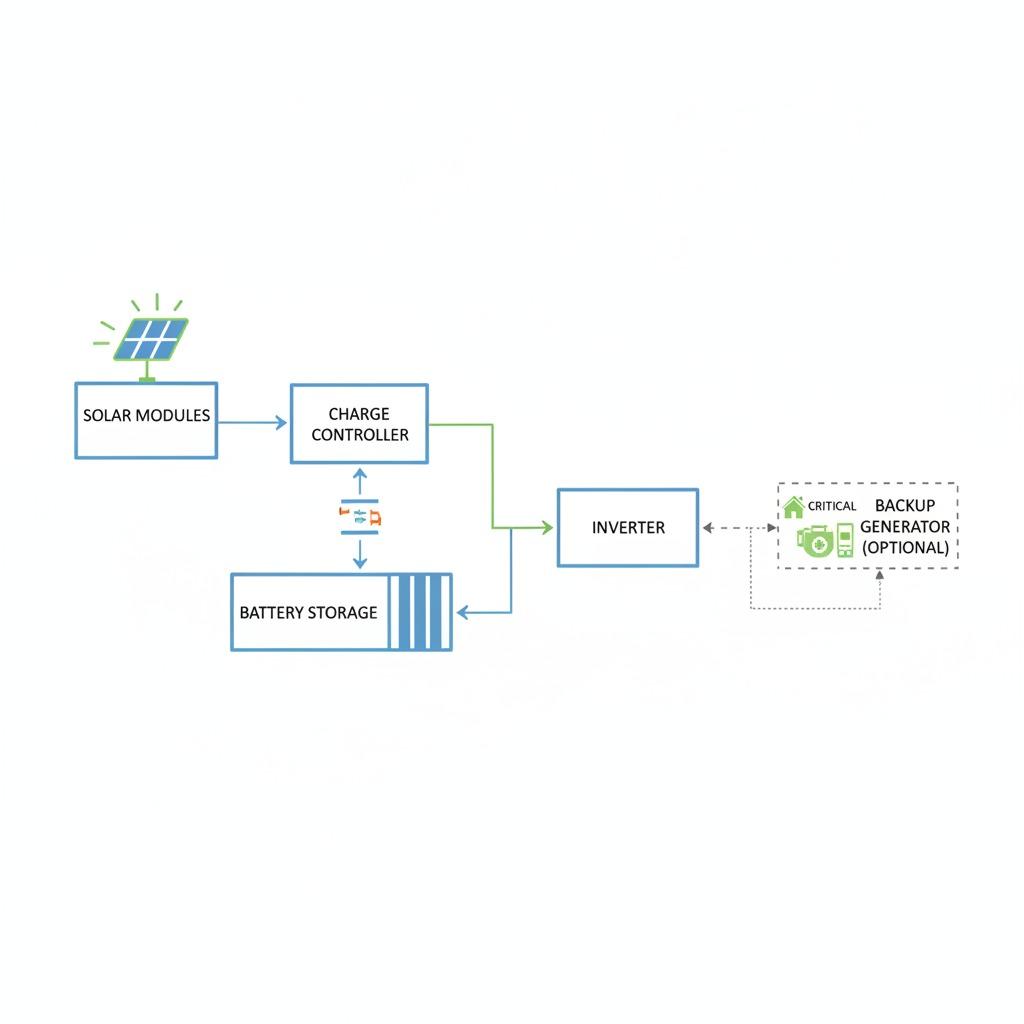
When people ask how battery energy storage system works, the answer is usually simpler than the procurement process. Electricity is stored in batteries during one period and released later when the site or grid needs it. The control system decides when to charge and discharge based on the project objective: peak shaving, backup power, renewable smoothing, demand management, or grid services.
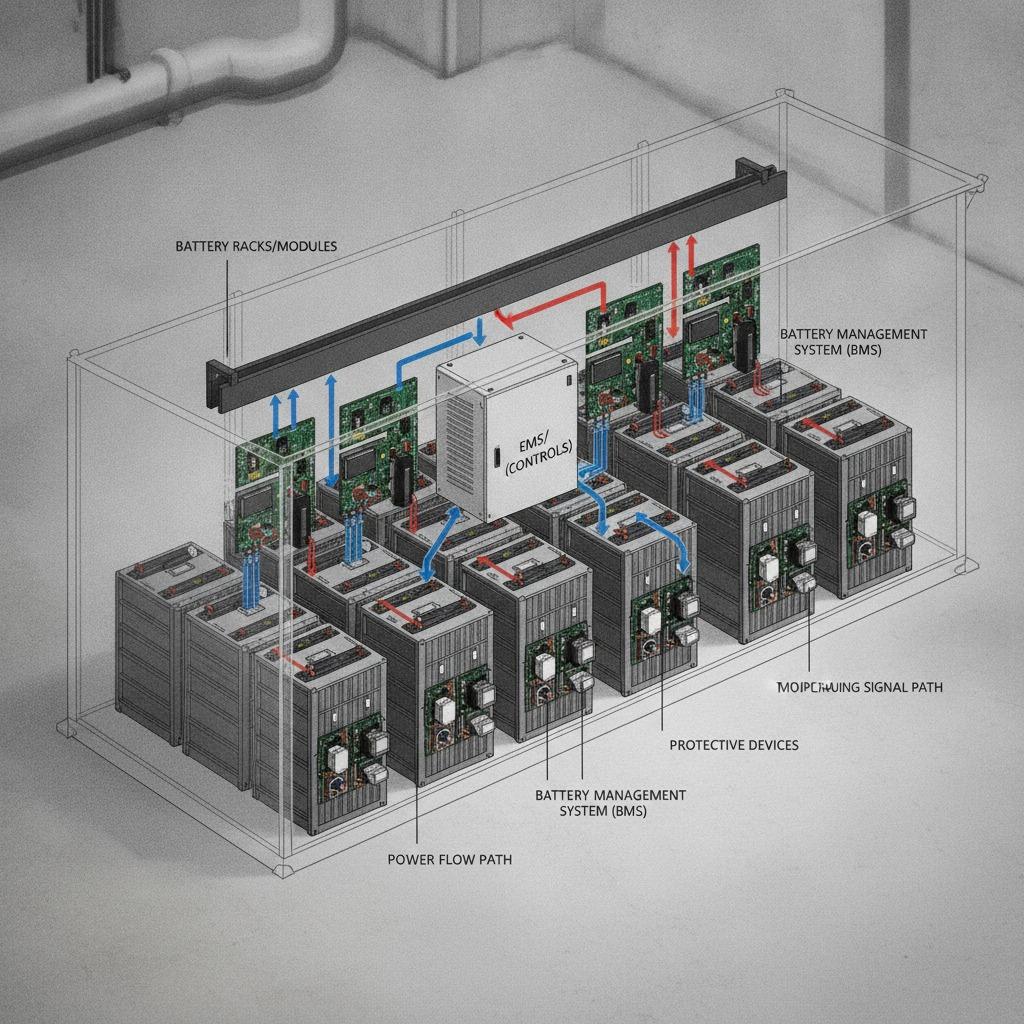
The equipment inside a containerized unit typically includes battery racks or modules, power conversion hardware, controls, cooling or ventilation equipment, safety systems, and cabling. Exact architectures vary, and the internal layout is not always visible from the outside. That is why the term BESS explained should not end at chemistry or capacity. A real buyer has to look at enclosure design, thermal strategy, electrical protection, maintenance access, and how the system will behave under the site’s actual load profile.
Why modular enclosures keep winning projects
There is a reason many industrial owners prefer a modular approach. First, it is scalable. If a site needs a smaller initial deployment but expects future growth, containerized units let the owner add blocks rather than redesign the whole yard. Second, it is familiar to contractors. Shipping-container-sized modules are easier to stage, place, and connect than a fully custom structure.
Third, modular enclosure fabrication lends itself to repeatability. Once the enclosure shell, access doors, ventilation openings, and equipment interfaces are standardized, production becomes more consistent. That does not eliminate engineering work, of course. It just moves more of it into controlled fabrication rather than open-field construction.
There is a catch, though. Standardization can make buyers too comfortable. Not every “containerized” system is equally suitable for hot climates, dusty sites, coastal corrosion, or plants with heavy vibration nearby. The exterior may look neat and uniform while the internal service requirements differ sharply from one project to another.
What to look at on the outside before you get lost in the datasheet
For a procurement team, the exterior tells you more than you might think. A white-painted corrugated metal shell suggests a focus on durability and weather protection, but buyers should still ask how the coating holds up in the intended environment. Outdoor installations face sun, rain, dust, salt air, and thermal cycling. A clean finish is not the same thing as long-term corrosion resistance, though it can be part of the story.
Service doors, louvers, access hatches, and vents are worth a careful look. If the enclosure has to be opened frequently, maintenance will be easier. If access is awkward, technicians pay for it later in time and, sometimes, safety risk. The raised concrete foundation and steel walkway are also meaningful. They indicate that the site was designed with service access in mind, not just equipment placement.
One practical aside: a neat installation can hide a weak operating concept. If the site plan looks clean but there is little room for safe circulation, emergency access, or future expansion, the project may have been optimized for handover photos instead of maintenance reality.
Selection criteria that matter more than marketing language
1. Application first, equipment second
Start with the use case. Is the goal utility support, peak shaving, backup power, renewable integration, or industrial load management? A battery energy storage system built for short-duration peak reduction may not suit a campus that needs extended backup. The control strategy and duty cycle matter as much as the hardware.
2. Site conditions
Temperature, humidity, dust, altitude, and local permitting constraints should shape the enclosure design. A factory campus in a temperate zone has different needs from a remote installation exposed to harsh weather. Containerized systems are flexible, but they are not universal.
3. Maintenance access
Look closely at how technicians will reach components. Side doors, walkways, clear spacing, and safe egress are not minor details. They affect outage duration and service cost. A compact layout can be efficient on paper and inconvenient in the field.
4. Scalability and replaceability
One advantage of a modular energy storage system is that it can be expanded or serviced in blocks. Ask whether modules can be isolated, upgraded, or replaced without taking the whole site offline. That question often reveals the difference between a practical industrial asset and a tightly packaged headache.
Common mistakes buyers make with containerized storage
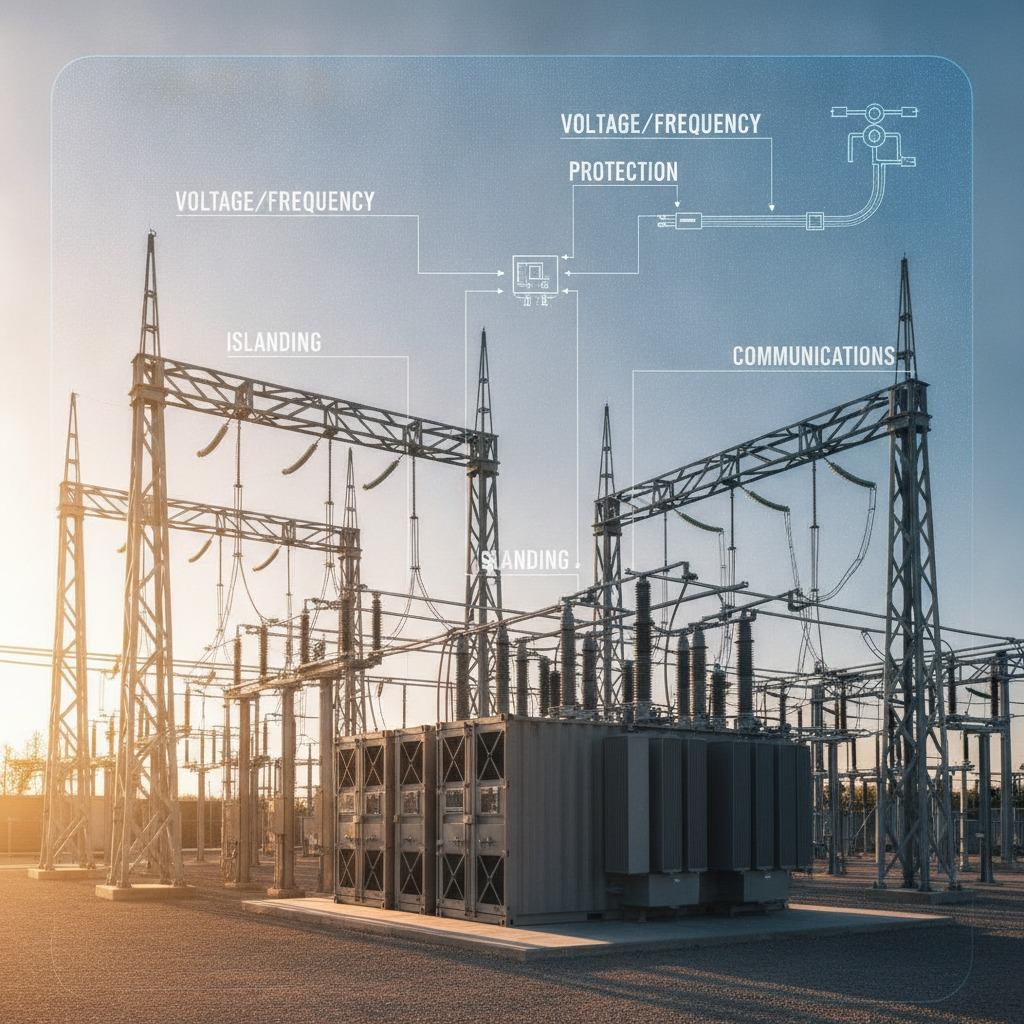
The most common error is over-focusing on capacity and under-focusing on integration. A project can have the right nominal energy rating and still fail to deliver value if the controls do not match the tariff, the load profile, or the dispatch plan.
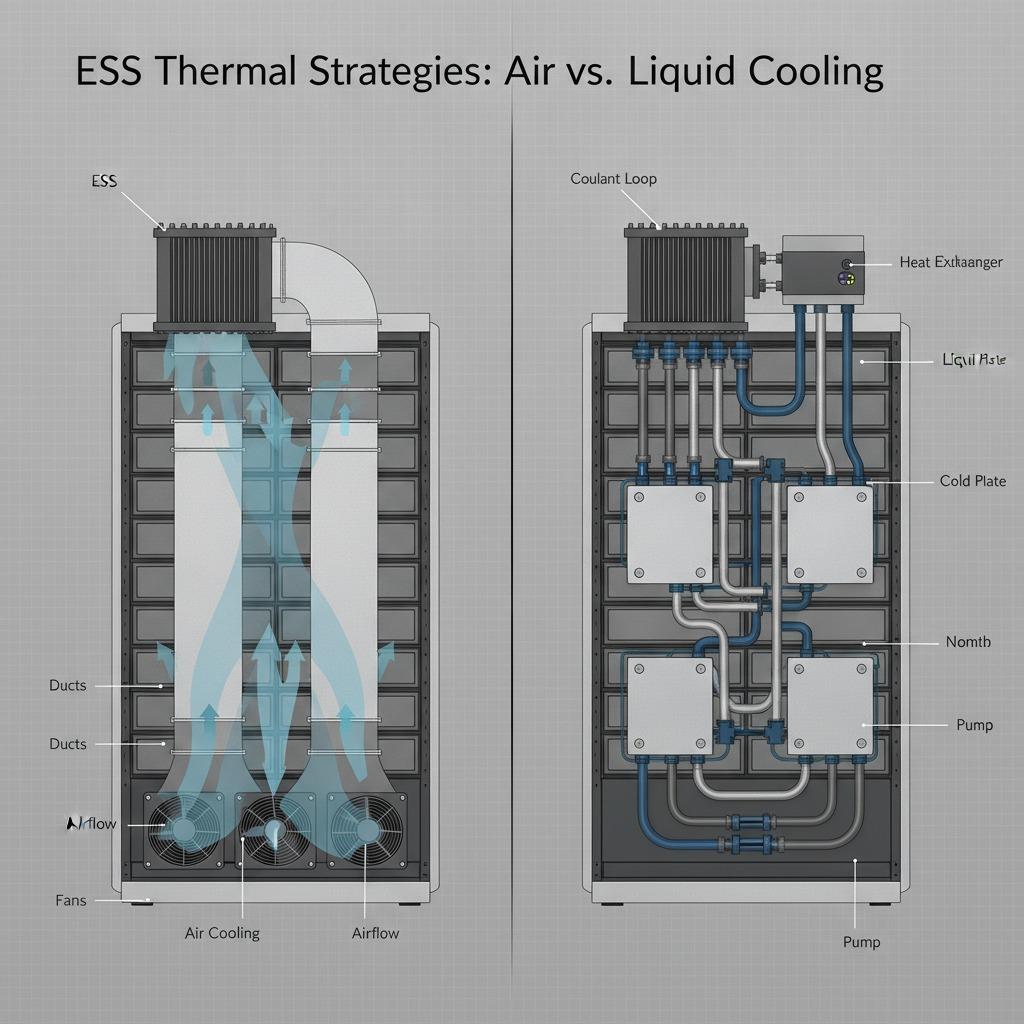
Another mistake is ignoring thermal design. Batteries are sensitive to operating conditions, and containerized systems depend heavily on ventilation or HVAC to stay within a safe range. If the cooling approach is underspecified, performance and lifespan can suffer. The user may only notice after the first hot season.
Buyers also underestimate installation logistics. A modular unit may be prefabricated, but it still needs foundation prep, electrical tie-ins, access roads, lifting plans, and commissioning support. “Delivered in modules” is not the same as “drop in and forget it.”
When containerized BESS makes the most sense
These systems are particularly attractive when speed, repeatability, and footprint control matter. Industrial sites that need fast deployment often prefer modular enclosures because the schedule is more predictable than a fully custom building. Utilities and developers also like the format when they need to replicate a design across multiple locations.
It is also a strong option when the customer wants to avoid major civil construction. If the project can sit on a prepared concrete pad and connect to the rest of the plant through a planned utility interface, the capital project is usually easier to phase and approve.
Still, there are cases where a containerized layout is not the best answer. Very large installations, sites with unusual safety constraints, or projects that demand highly tailored equipment rooms may benefit from a different building strategy. A standard module can solve many problems, but not all of them.
Questions worth asking before you sign off
What is the intended operating profile? How often will the system cycle? How will the control system prioritize charging and discharging? What maintenance access is built into the enclosure layout? How is thermal management handled? What site preparation is required? These are not filler questions. They determine whether the project will run smoothly after commissioning.
And because buyers often work with engineering, procurement, and operations teams at the same time, it helps to align expectations early. A sourcing manager may care most about delivery risk and repeatability, while an engineer may focus on integration and reliability. Both views matter. A good battery energy storage system needs to satisfy the plant, not just the purchase order.
FAQ
Is a containerized system always better than a building?
No. It depends on the application, site constraints, and service expectations. Containerized units are efficient and scalable, but a purpose-built building can be better for larger or more specialized installations.
Can you tell the battery chemistry from the outside?
Not reliably. Exterior enclosure photos do not reveal chemistry, internal arrangement, or capacity. Those details have to come from technical documentation.
Why do so many systems use identical modules?
Repeatable modules simplify fabrication, logistics, and future expansion. They also make field deployment more predictable, which is valuable when schedule matters.
What should operations teams inspect first?
Start with access, ventilation, safety clearances, and serviceability. Those are the elements most likely to affect uptime and maintenance cost over time.
A practical next step for buyers
If you are evaluating a battery energy storage system for an industrial site, start with the use case and work backward. Define the operating goal, the site conditions, the expected maintenance model, and the expansion plan. Then ask vendors to show how the enclosure, controls, and service access support that plan. The best proposal is not the one with the flashiest headline number. It is the one that fits the project without creating hidden work later.
For teams comparing containerized options, the real decision is usually between a package that merely looks standardized and one that is genuinely designed for field operation. That difference tends to show up in the details: access, ventilation, layout, and how easy it is to live with the system after commissioning.