
Battery Energy Storage System: Powering the Future of Sustainable Energy
In the evolving landscape of modern energy needs, a battery energy storage system stands out as a cornerstone for efficient power management. This technology captures and stores electrical energy for later use, playing a pivotal role in balancing supply and demand. Whether integrating with solar panels or stabilizing power grids, a battery energy storage system ensures reliability and sustainability. Companies like Yangzhou Bright Solar Solutions Co., Ltd., are at the forefront, developing innovative solutions such as the OPZV Battery and BRcnogy 6-CNJ-100 Gel Valve-Regulated Sealed Battery to meet diverse applications.
Understanding Grid Energy Storage and Its Importance
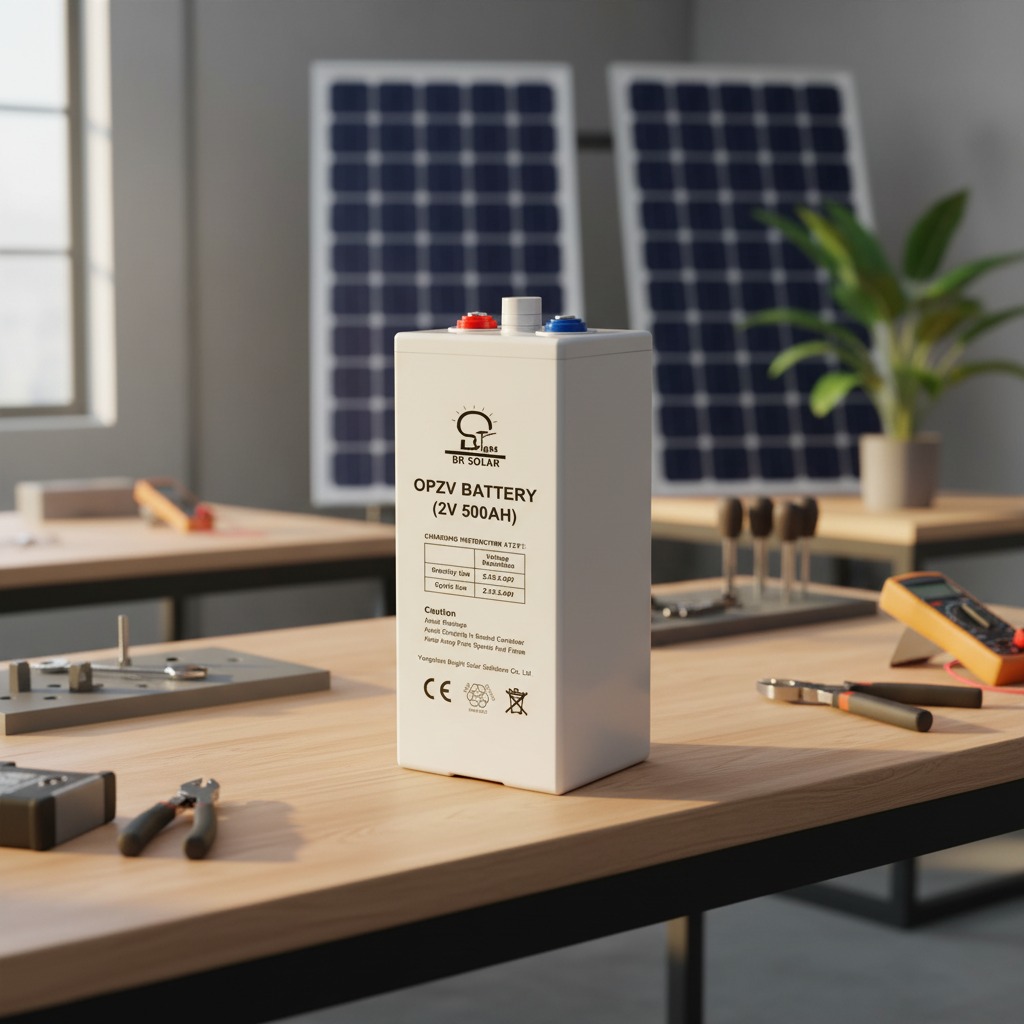
Grid energy storage is essential for modern power infrastructures, allowing utilities to store excess electricity during peak production periods and release it when demand surges. This approach minimizes waste and reduces reliance on fossil fuels. A well-designed battery energy storage system enhances grid energy storage by providing quick response times and scalability. For instance, the OPZV Battery from BR Solar, operating at 2 volts with a 500 Ah capacity, is CE certified and optimized for standby use at 2.35-2.40 volts. Its sealed container technology ensures safety, preventing leaks and allowing safe deployment in various settings. By incorporating such systems, grids become more resilient to fluctuations, supporting a transition to cleaner energy sources.
Grid energy storage also facilitates the integration of intermittent renewable sources like wind and solar. Without efficient storage, excess power generated during sunny or windy periods would be lost. Battery energy storage systems address this by storing energy chemically, ready for dispatch at a moment's notice. The BRcnogy 6-CNJ-100, a 12V gel battery with 100Ah capacity, exemplifies this with its valve-regulated design for minimal maintenance. Its constant voltage specs—13.8-13.5V for standby and 14.4-14.8V for cyclic use—make it ideal for grid applications requiring stable output. As global energy demands grow, grid energy storage powered by advanced batteries will be crucial for achieving energy independence and cost savings.
Renewable Energy Storage: Bridging the Gap Between Generation and Consumption
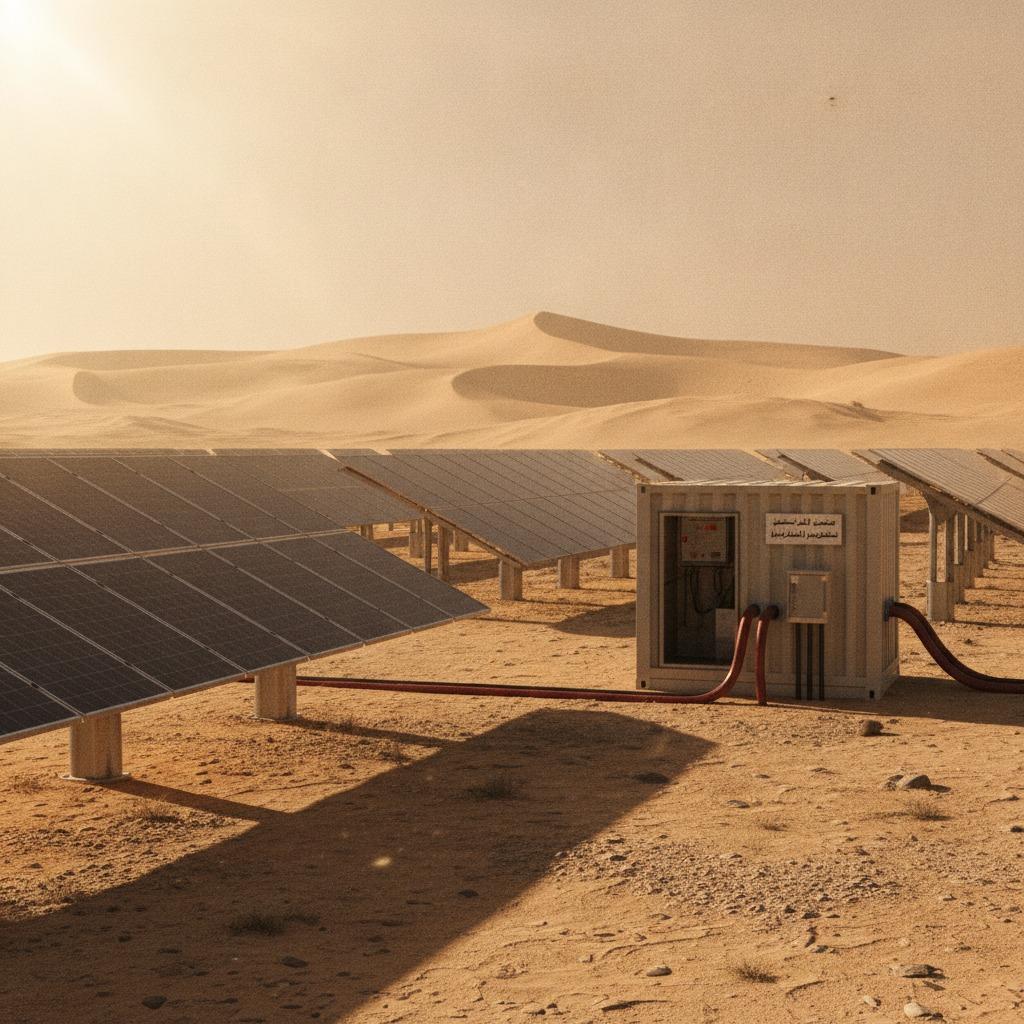
Renewable energy storage is transforming how we harness solar, wind, and other green sources, making them viable for everyday use. A battery energy storage system is the linchpin here, storing surplus renewable energy to cover periods of low generation. This not only maximizes the value of renewable installations but also reduces carbon footprints. Yangzhou Bright Solar Solutions Co., Ltd., emphasizes sustainability in their products, like the OPZV Battery, which is tailored for high-demand renewable setups. With its robust build and adherence to safety standards, it avoids risks associated with sparks or enclosed storage, ensuring long-term performance.
The synergy between renewable energy storage and battery systems allows homeowners and businesses to achieve energy autonomy. For example, during the day, solar panels generate power that a battery energy storage system can capture for nighttime use. The BRcnogy 6-CNJ-100 Gel Battery shines in these scenarios, offering reliable power for telecommunications and backup systems with its colloidal gel technology. This prevents electrolyte leakage and extends lifespan, making it a preferred choice for renewable energy storage. As policies worldwide push for net-zero emissions, investing in such storage solutions becomes imperative. They enable peak shaving, where stored energy offsets high-cost grid purchases, leading to significant economic benefits.
Moreover, renewable energy storage supports microgrids, isolated networks that operate independently. In remote areas or during outages, a battery energy storage system ensures uninterrupted power. The OPZV's 500 Ah capacity handles cyclic loads efficiently, while its 2.35-2.40V regulation optimizes charging. Similarly, the BRcnogy battery's sealed design promotes environmental protection, aligning with global sustainability goals. By advancing renewable energy storage, we pave the way for a decentralized energy future, where clean power is accessible and affordable for all.
The Role of Lithium-Ion Battery Storage in Advanced Systems
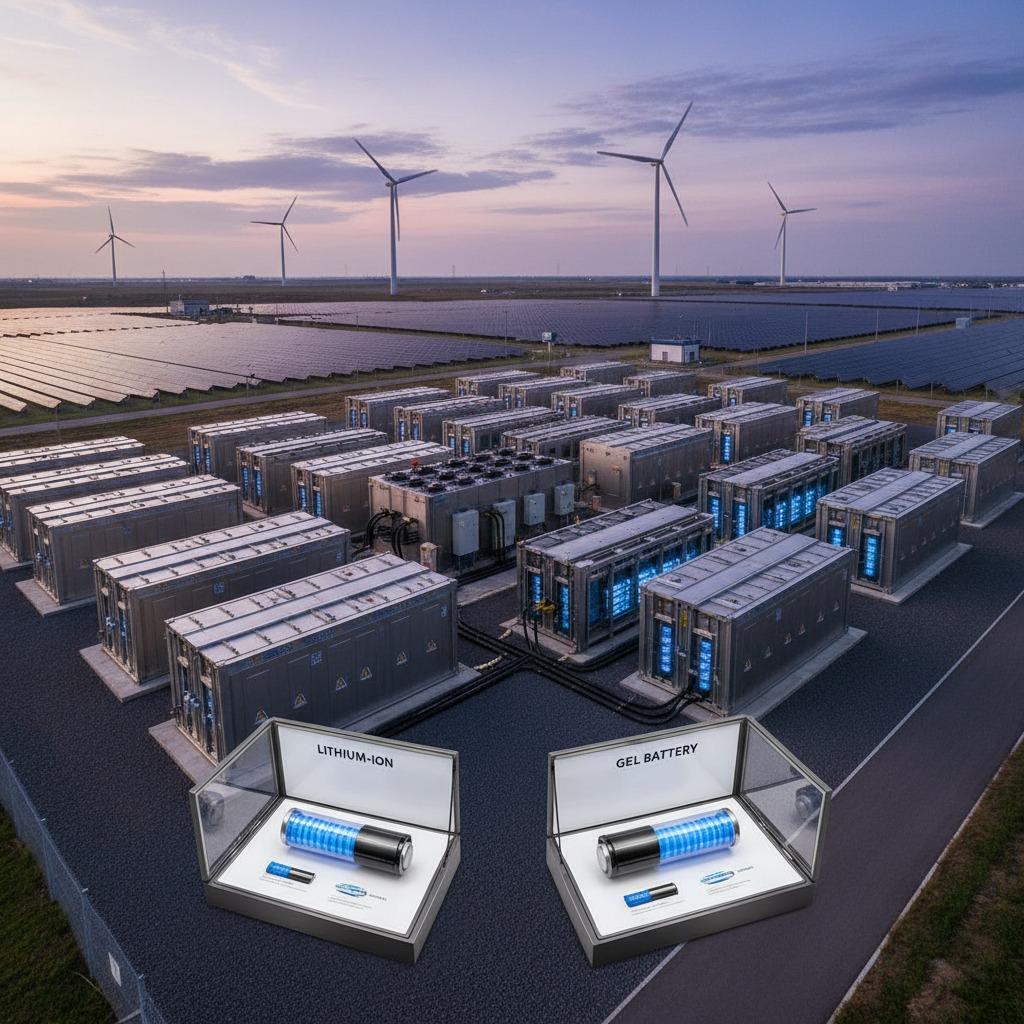
Lithium-ion battery storage has revolutionized the field of energy management due to its high energy density and fast charging capabilities. While traditional lead-acid batteries like the OPZV and BRcnogy models offer proven reliability, lithium-ion variants provide even greater efficiency for demanding applications. A battery energy storage system incorporating lithium-ion technology can store more energy in a smaller footprint, ideal for urban installations. However, for cost-effective and maintenance-free options, gel and tubular batteries from BR Solar remain competitive, especially in grid energy storage and renewable setups.
In lithium-ion battery storage, energy is stored through lithium ions moving between electrodes, enabling rapid discharge rates suitable for electric vehicles and large-scale grids. This contrasts with the valve-regulated sealed batteries like the BRcnogy 6-CNJ-100, which use gel electrolytes for stability in cyclic use. Both approaches contribute to robust battery energy storage systems, but lithium-ion excels in scalability for massive renewable energy storage projects. Safety features, such as the OPZV's instructions to avoid flames, mirror precautions in lithium-ion designs, underscoring the importance of proper handling.
Comparing lithium-ion battery storage to alternatives reveals trade-offs in cost, lifespan, and environmental impact. While lithium-ion offers longevity up to 10-15 years, batteries like the OPZV provide deep-cycle performance for industrial uses at a lower initial cost. Integrating these into a battery energy storage system allows hybrid solutions, combining the best of both worlds for grid energy storage. As technology advances, lithium-ion battery storage will likely dominate, but established players like Yangzhou Bright Solar Solutions continue to innovate with accessible, high-quality options.
Implementing Battery Energy Storage Systems for Optimal Performance
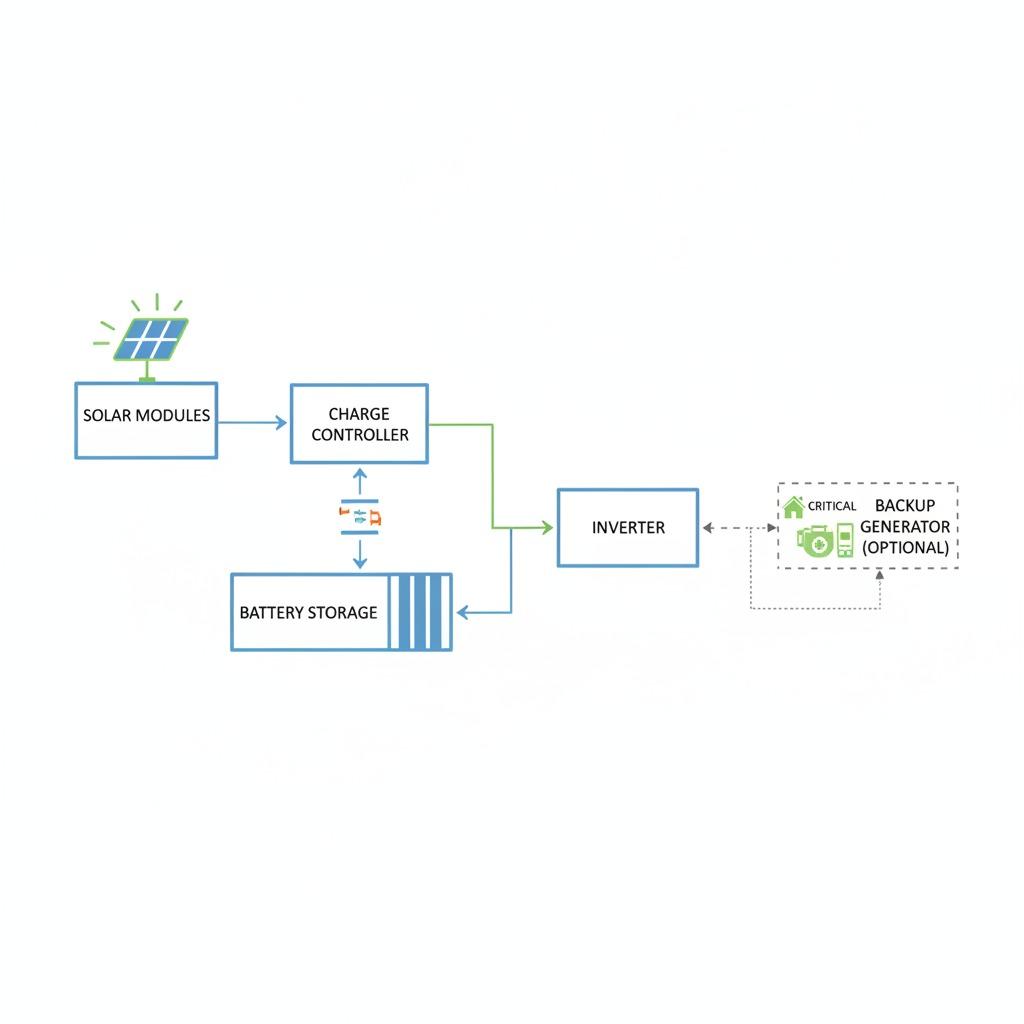
To maximize the benefits of a battery energy storage system, proper implementation is key. Start with assessing energy needs, whether for residential solar integration or industrial grid support. The OPZV Battery's 2V, 500Ah specs make it suitable for parallel configurations, scaling up capacity as required. Pairing it with inverters and monitoring software ensures efficient renewable energy storage, tracking usage in real-time.
Maintenance plays a vital role in longevity. For the BRcnogy 6-CNJ-100, its sealed gel design reduces upkeep, but regular voltage checks—within 13.8-13.5V for standby—prevent degradation. Avoid common pitfalls like overcharging or exposure to extreme temperatures, as outlined in product guidelines. In grid energy storage, integrating battery energy storage systems with smart controls optimizes load balancing, reducing peak demand charges by up to 30%.
For businesses, adopting lithium-ion battery storage alongside traditional options can future-proof operations. Yangzhou Bright Solar Solutions Co., Ltd., offers tailored advice, ensuring installations meet CE standards for safety. Case studies show that facilities using these systems achieve energy savings and enhanced reliability, proving the investment worthwhile. As we move toward a sustainable world, battery energy storage systems will be indispensable, driving efficiency and innovation across sectors.
Future Trends in Battery Energy Storage Technology
Looking ahead, advancements in battery energy storage systems promise even greater efficiencies. Emerging solid-state batteries could surpass lithium-ion in safety and density, while improvements in recycling will address environmental concerns. For now, reliable solutions like the OPZV and BRcnogy batteries from BR Solar provide immediate value in grid energy storage and renewable applications.
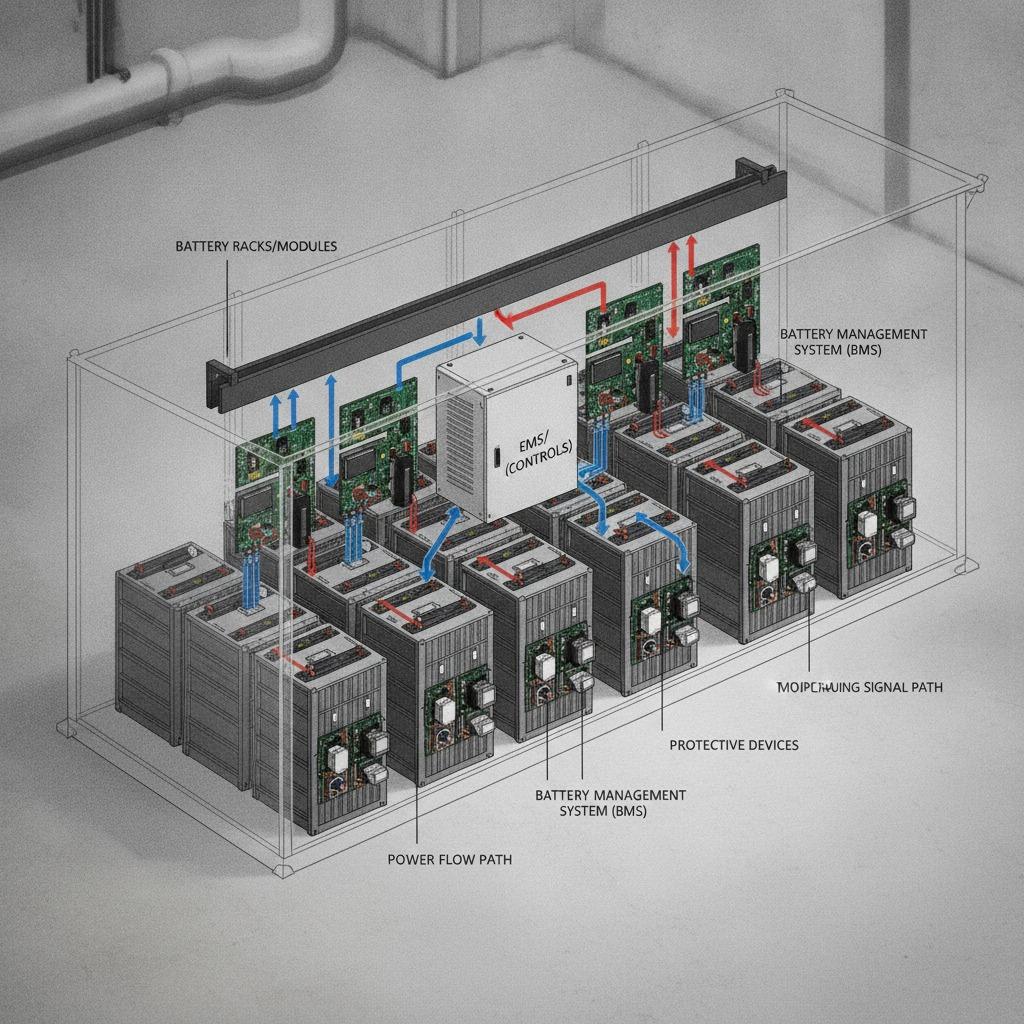
The convergence of AI and battery management systems will enhance predictive maintenance, extending lifespan and performance. In renewable energy storage, modular designs allow easy expansion, adapting to growing needs. With global investments surging, battery energy storage systems will underpin the energy transition, making clean power the norm. Choosing quality products from trusted manufacturers ensures you're part of this green revolution.