
Why buyers are looking closely at the battery energy storage system format
A battery energy storage system is no longer a niche utility asset. For many plant managers, EPC teams, and commercial energy buyers, it has become a practical way to smooth demand peaks, keep critical loads online, and make intermittent renewable power more usable on-site. That shift matters because the decision is not just about adding batteries. It is about choosing a deployment model that fits the site, the load profile, the available footprint, and the maintenance approach your team can actually support.
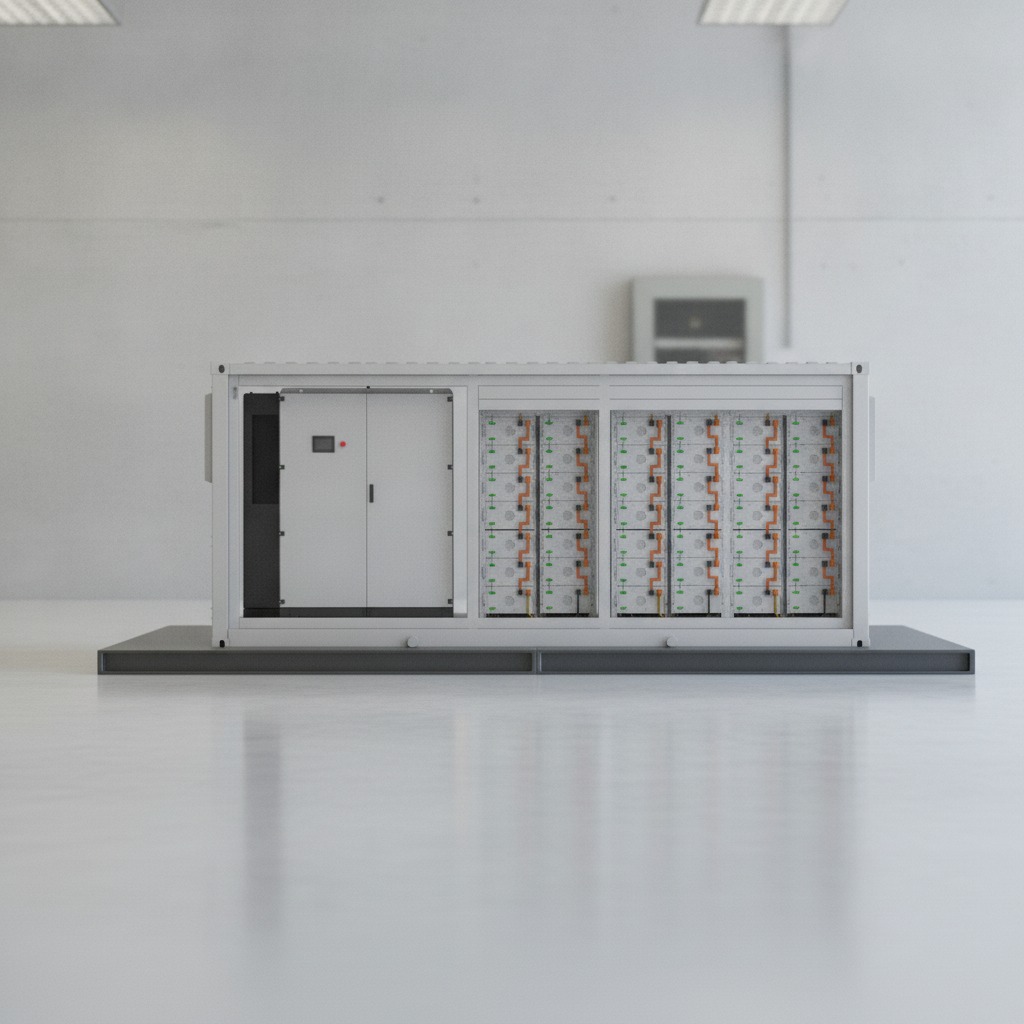
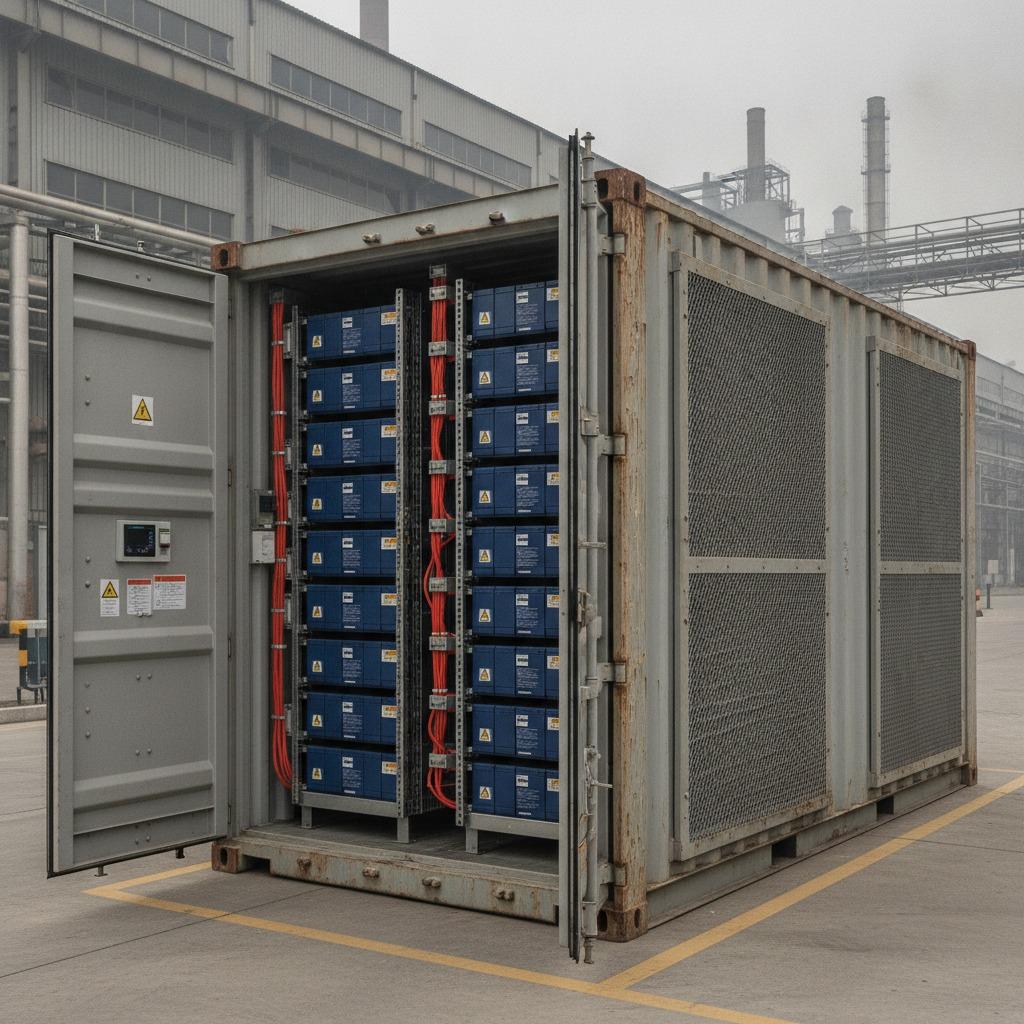
The containerized format has become especially attractive because it packages the battery bank, control gear, and supporting equipment into a single industrial enclosure. In the example described here, the system appears to use a shipping-container-style metal housing with a separate service cabinet and multiple stacked battery modules arranged in rows. That kind of layout is familiar to engineers because it reads like a modular platform rather than a one-off build. The trade-off, as always, is that the buyer has to understand what is inside the box, not just the box itself.
What the containerized layout tells you at a glance
When sourcing a battery storage system, the physical architecture says a lot about how the unit is meant to be used.
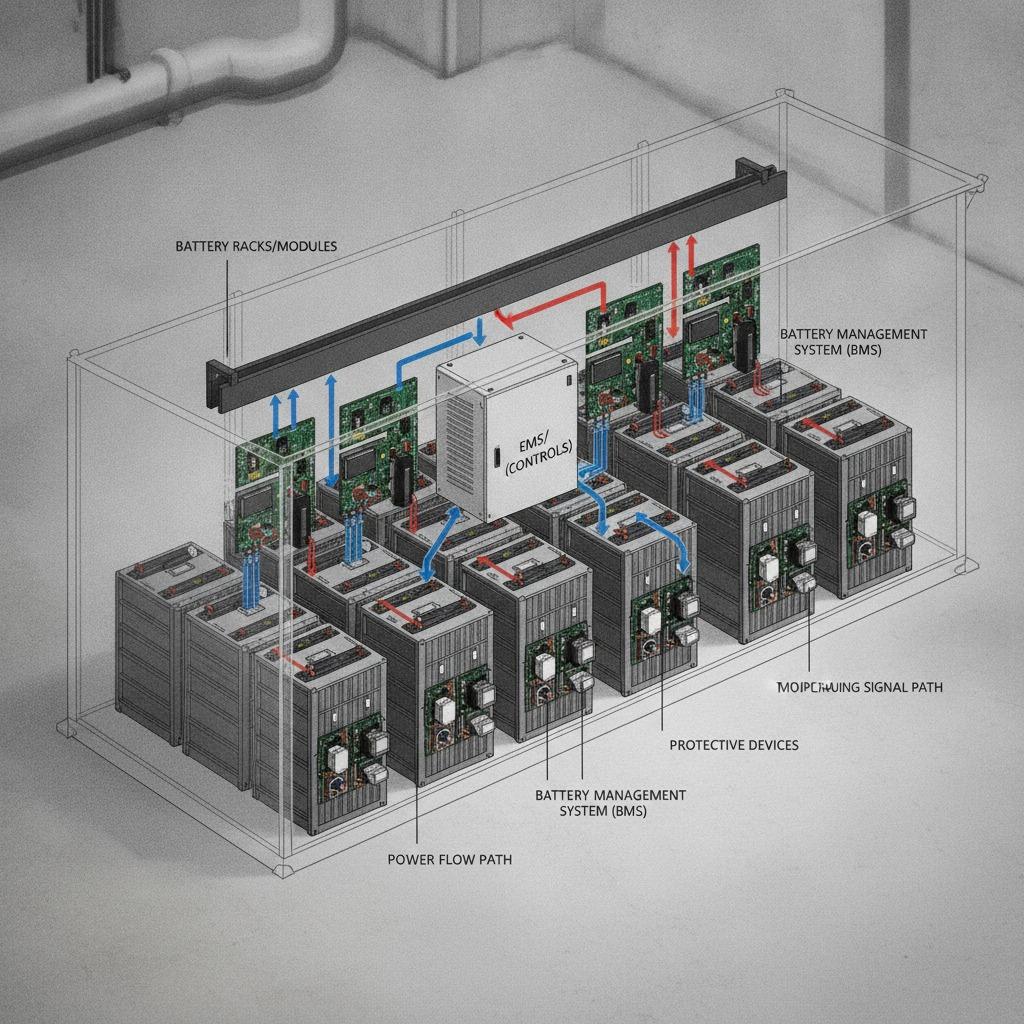
This design appears to combine two distinct functional zones. One side is an enclosed service or electrical cabinet with double doors, a small display window, and indicator light. The other side contains multiple battery module racks stacked in a compact, orderly arrangement. That separation is useful because control electronics, monitoring devices, and power conversion equipment usually benefit from easier access and cleaner routing than the battery racks themselves.
For buyers, that means a few practical things:
The system is likely intended for fixed installation rather than frequent relocation.
The modular rack arrangement can make service planning easier, especially if battery banks need inspection or replacement over time.
The containerized enclosure can simplify site integration compared with assembling separate cabinets, racks, and auxiliary gear outdoors one by one.
A caution is worth noting here: a standardized enclosure does not automatically mean a standardized performance package. Capacity, chemistry, cooling, protection, and power conversion can vary widely even when two systems look similar from the outside.
Where BESS fits in real projects
The strongest use cases for a BESS are usually the ones that pay for flexibility.
Peak shaving is one of the most common. If a facility sees short but expensive demand spikes, stored energy can reduce those peaks and lower demand charges. Load shifting is another straightforward application: charge when electricity is cheaper or when on-site generation is abundant, then discharge when the site needs it most. For renewable integration, a battery storage system can absorb excess solar or wind output and release it later when generation drops.
Backup power is different, and buyers sometimes blur the line. Not every energy storage package is designed to behave like a true standby power system for critical loads. If a project needs emergency support for sensitive processes, controls, or data systems, the electrical architecture has to be checked carefully. That includes transition behavior, ride-through requirements, and any interface with existing switchgear.
Quick comparison: what buyers are really choosing between
At a high level, most buyers are weighing three deployment styles:
Containerized battery storage
Best when the project needs outdoor or plant-side installation, a modular footprint, and easier integration of batteries plus auxiliary systems. It is often the preferred route for larger commercial and industrial sites.
Standalone battery cabinets
Useful when the energy requirement is smaller or the installation must fit within a tighter building footprint. These can be simpler to place, but they may not scale as elegantly for larger projects.
Custom field-built installations
Chosen when a site has unusual electrical constraints, special redundancy requirements, or a phased expansion plan. They can be flexible, though project execution becomes more dependent on engineering discipline and site coordination.
The containerized battery energy storage system usually sits in the middle: more integrated than a loose assembly of components, but more scalable than a single cabinet.
Key engineering questions to ask before you buy
The image shows a well-organized industrial assembly, but procurement teams should still work through a disciplined checklist.
First, confirm the battery chemistry. LFP and NMC, for example, are not interchangeable from a safety, thermal, and lifecycle perspective. Since the chemistry is not visible here, the buyer should not assume anything from the enclosure design alone.
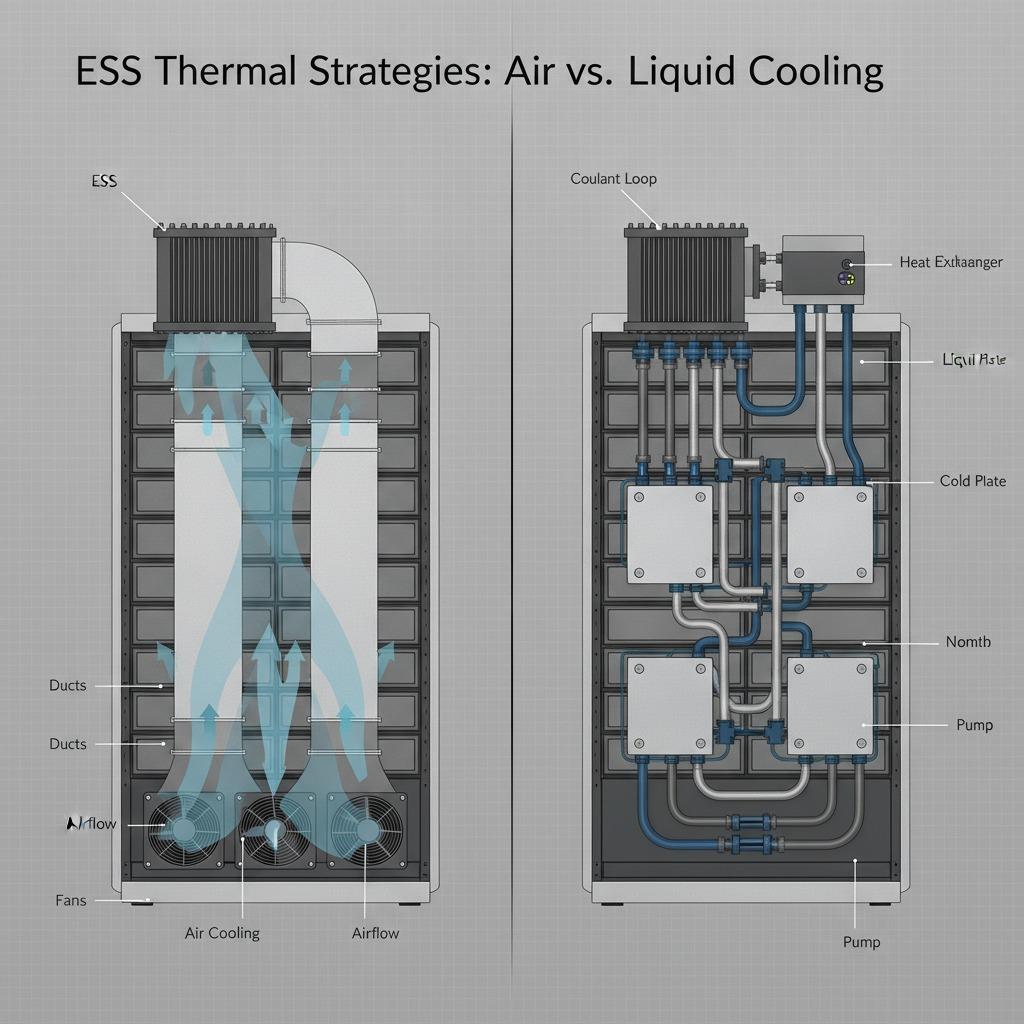
Second, ask how thermal management is handled. A battery storage system can be air-cooled, liquid-cooled, or supported by HVAC equipment, but the method affects everything from maintenance to noise to operating limits. The service cabinet in this type of layout may include cooling or control components, but that cannot be verified visually.
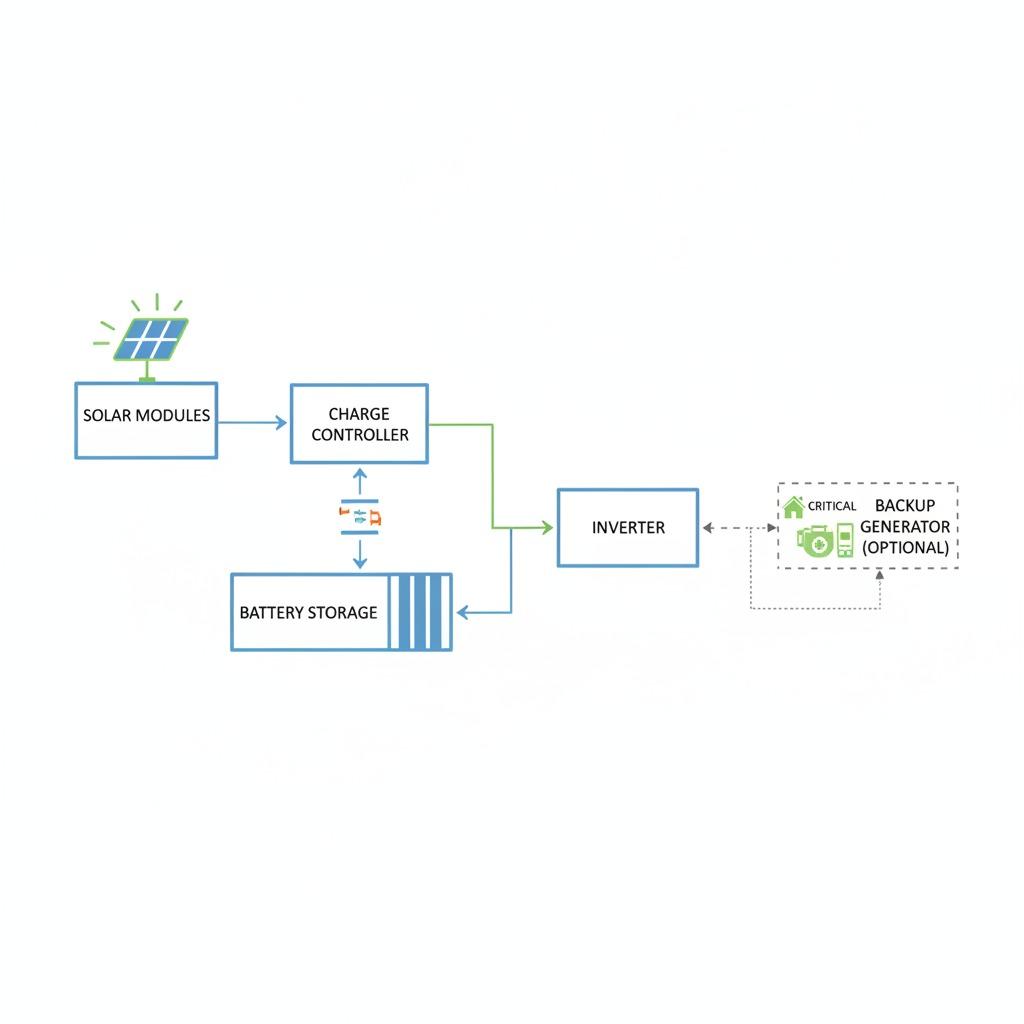
Third, clarify the power conversion architecture. Some systems include inverter or PCS equipment inside the container, while others rely on separate external electronics. That choice affects footprint, wiring complexity, and commissioning scope.
Fourth, review safety functions. Fire suppression, isolation, access control, emergency shutdown logic, and insulation strategy are all central to the deployment decision. These are not decorative features; they determine whether the system is viable for a specific plant, utility, or commercial site.
What the modular rack design implies for maintenance
The visible battery racks suggest a service philosophy that many engineers appreciate: keep modules uniform, route cabling cleanly, and preserve access paths where possible. That usually makes inspection and replacement more manageable than a tightly packed custom assembly.
Still, modularity can be overstated in sales literature. A system may use modular battery blocks, but if the internal layout is congested or the busbar routing is awkward, service work can still be slow. The visible orange cabling and organized stack pattern are promising signs, yet the buyer should ask for access drawings, removal sequence, and any maintenance clearances required around the container.
For industrial buyers, this matters because downtime cost often exceeds the price of the equipment itself. A few extra minutes of access during inspection may not seem important in the spec sheet, but it becomes important after installation when the site team has to actually work on the unit.
Common mistakes in BESS procurement
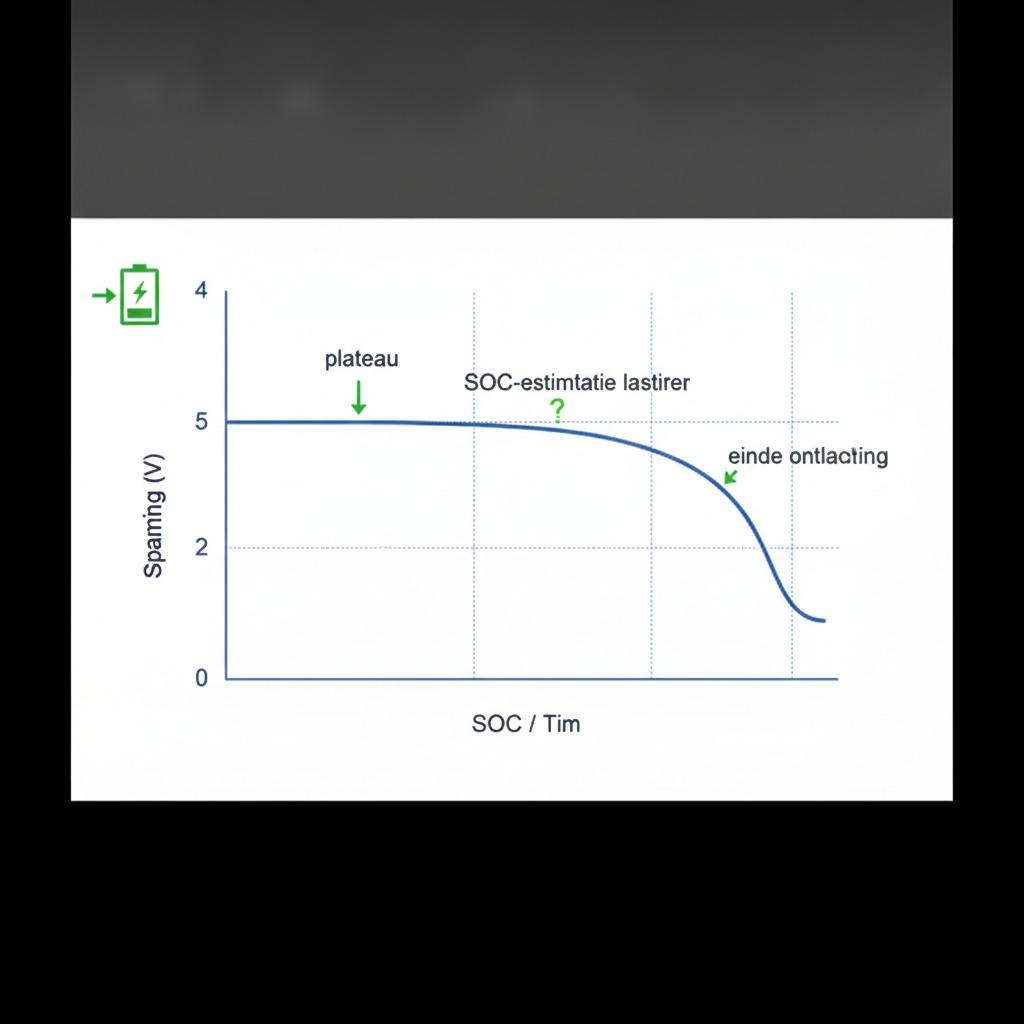
One common mistake is buying on capacity alone. Energy storage is not only about how many kilowatt-hours the battery can hold. The usable project value depends on discharge power, cycle profile, temperature conditions, and how the control system is configured.
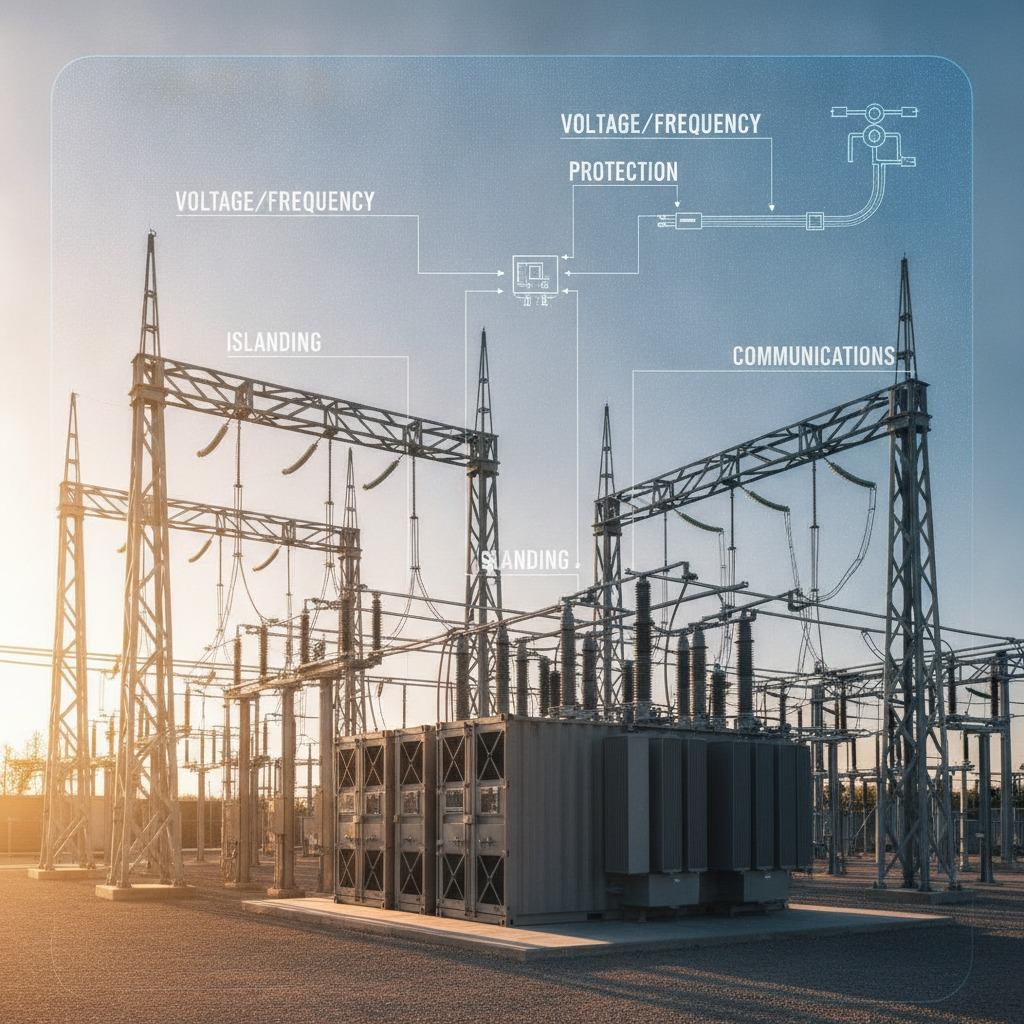
Another mistake is underestimating integration work. A containerized battery storage system still has to connect cleanly with site electrical infrastructure, protection schemes, communications, and monitoring platforms. If those pieces are not planned early, commissioning can become a sequence of avoidable delays.
A third mistake is assuming every outdoor-looking enclosure is automatically ready for every environment. Coastal air, dust, heat, vibration, and local code requirements can change the design envelope significantly. If a supplier cannot clearly explain the enclosure, thermal, and protection strategy, that is a warning sign worth slowing down for.
Practical buyer advice for engineers and sourcing teams
If you are comparing suppliers, ask for more than a brochure image. Request a system block diagram, enclosure drawing, and a clear description of what is inside the service cabinet. You should also ask whether the battery rack assembly, control equipment, and power conversion hardware are factory integrated or assembled in stages.
That distinction affects quality control. A fully integrated factory-built unit usually offers better repeatability, but only if the supplier has disciplined assembly and testing processes. A more custom integration may fit unusual site needs, though it places more burden on engineering review and on-site acceptance.
It is also smart to check how the supplier handles scalability. A project may start with one container and later need several. The best battery energy storage system platforms are the ones that can be expanded without forcing a redesign of the entire electrical room or plant yard.
FAQ: what buyers ask most often
Is a containerized BESS always for large projects?
Not always, but it is most common in commercial, industrial, and utility-style installations where outdoor deployment and modular expansion matter.
Can the same unit handle backup power and energy shifting?
Sometimes, but not automatically. The control logic, electrical interface, and project requirements need to be verified before assuming one platform can do both well.
Does the visible layout confirm cooling type or battery chemistry?
No. Those details are not visible here and should be confirmed directly with the supplier.
Why does the service cabinet matter?
Because it often houses the equipment that determines how the battery system is managed, protected, and monitored. Accessibility there can affect maintenance and uptime.
What this type of system is really good for
The containerized battery energy storage system shown here is well suited to buyers who want a packaged industrial solution with a clear separation between battery racks and control/service functions. That makes it attractive for peak shaving, renewable integration, and facility-level energy management where space efficiency and deployment speed matter.
It is less about glamour than practicality. A unit like this succeeds when it is engineered for the site, documented properly, and supported with honest information about its electrical architecture. Buyers who insist on those details usually make better long-term decisions than buyers who focus only on the enclosure and overlook the internals.
If you are shortlisting a BESS supplier, start with the system diagram, not the render. Then compare the enclosure layout, service access, cooling approach, and integration scope against your site requirements. That sequence tends to expose weak proposals quickly and saves a good deal of trouble later.