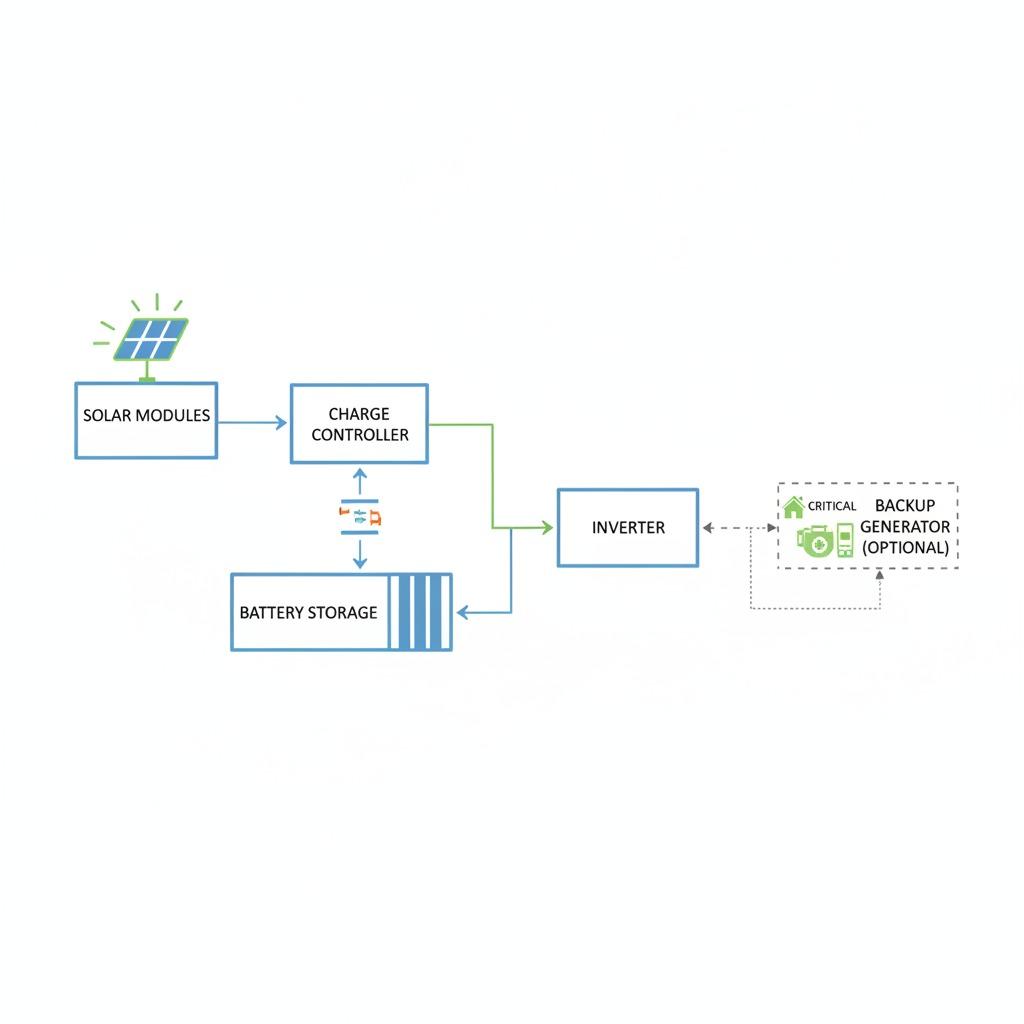

What a Battery Energy Storage System Really Solves
A battery energy storage system is not just a box of cells. For most buyers, it is a planning tool disguised as equipment: it helps stabilize power, shift load, keep critical operations alive during outages, and make better use of onsite generation. That is why BESS projects are drawing attention across utilities, commercial facilities, telecom sites, and industrial plants. The hardware may look simple from the outside, but the decision behind it is usually anything but simple.
If you are comparing a battery energy storage system against other power options, the real question is not whether it stores energy. The question is how it fits your operating profile, your footprint, your electrical architecture, and the practical limits of the site. A good system reduces risk and improves flexibility. A poor one becomes a maintenance headache with a long paper trail.
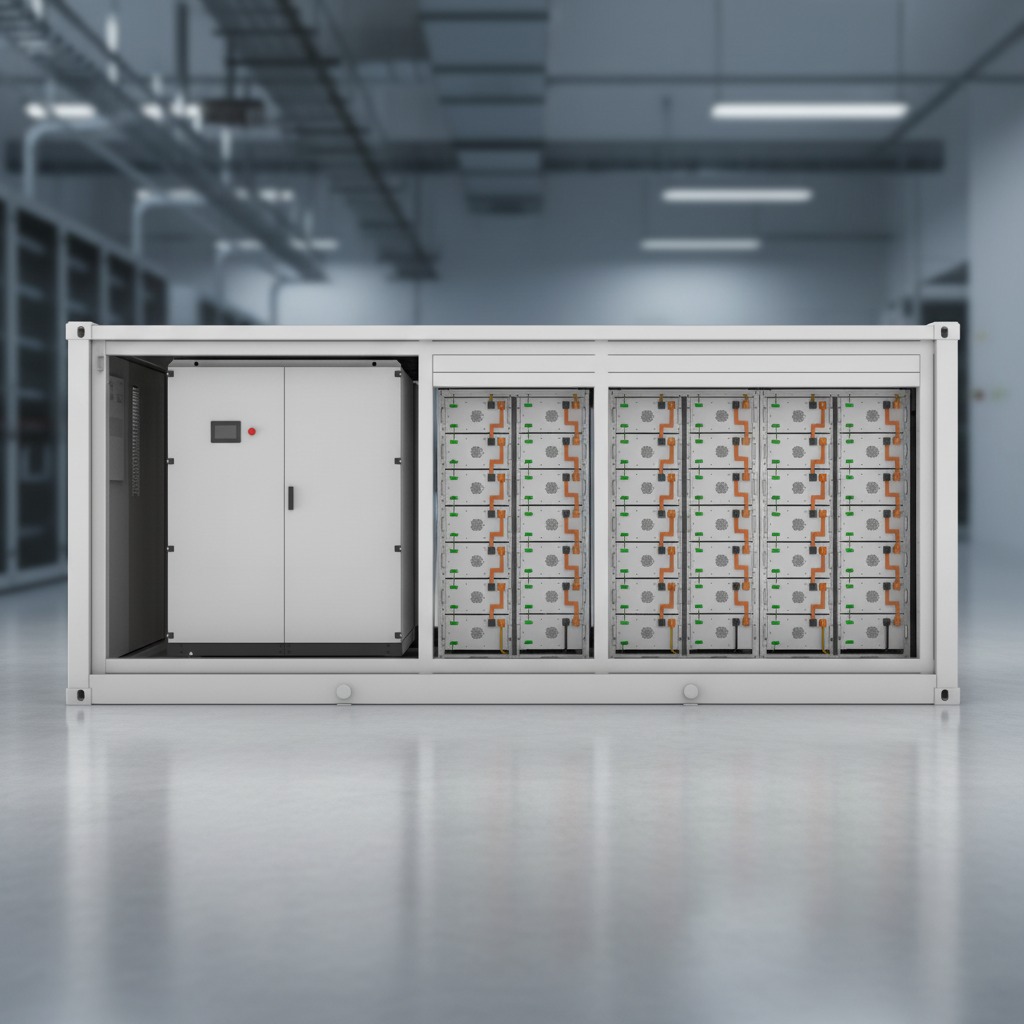
The enclosure shown in the supplied product data reflects that reality. It appears to be a large industrial metal cabinet or containerized module with a divided layout: a control or switchgear bay on one side and repeated internal modules or rack sections on the other. That kind of arrangement is typical when designers want service access, separation of functions, and a modular build that can be assembled, tested, and deployed in stages.
Why Buyers Care About the Architecture, Not Just the Nameplate
Many early-stage buyers start with capacity targets and then work backward. That is understandable, but it can be a mistake. The physical architecture of the battery energy storage system often determines how usable the system is in the field. A modular enclosure with front-access service points, visible indicators, and separated bays can simplify maintenance. It can also help with integration if the system must fit inside a utility yard, industrial facility, or remote site with limited access.
The visual cues in this product category matter. Repeated internal module faces, ventilation patterns, and compartmental separation usually indicate a design built around serviceability and orderly routing of power or control connections. For sourcing teams, that means less improvisation during installation. For engineers, it often means a cleaner path to inspection, isolation, and replacement work.
Quick Reference: What This Type of BESS Is Best Suited For
This type of enclosure-based system is commonly considered for:
Backup power support for critical loads
Grid support and site load shifting
Industrial power management
Telecom or data-center resilience
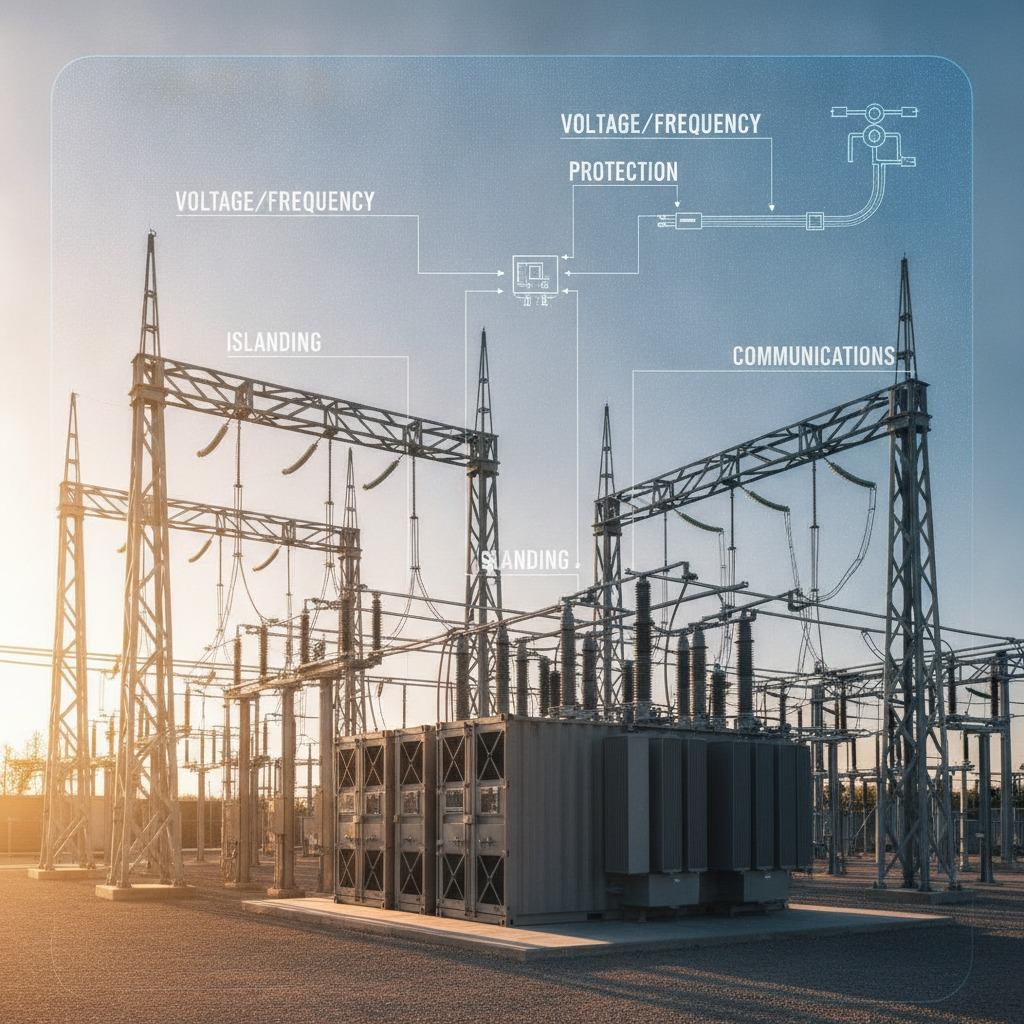
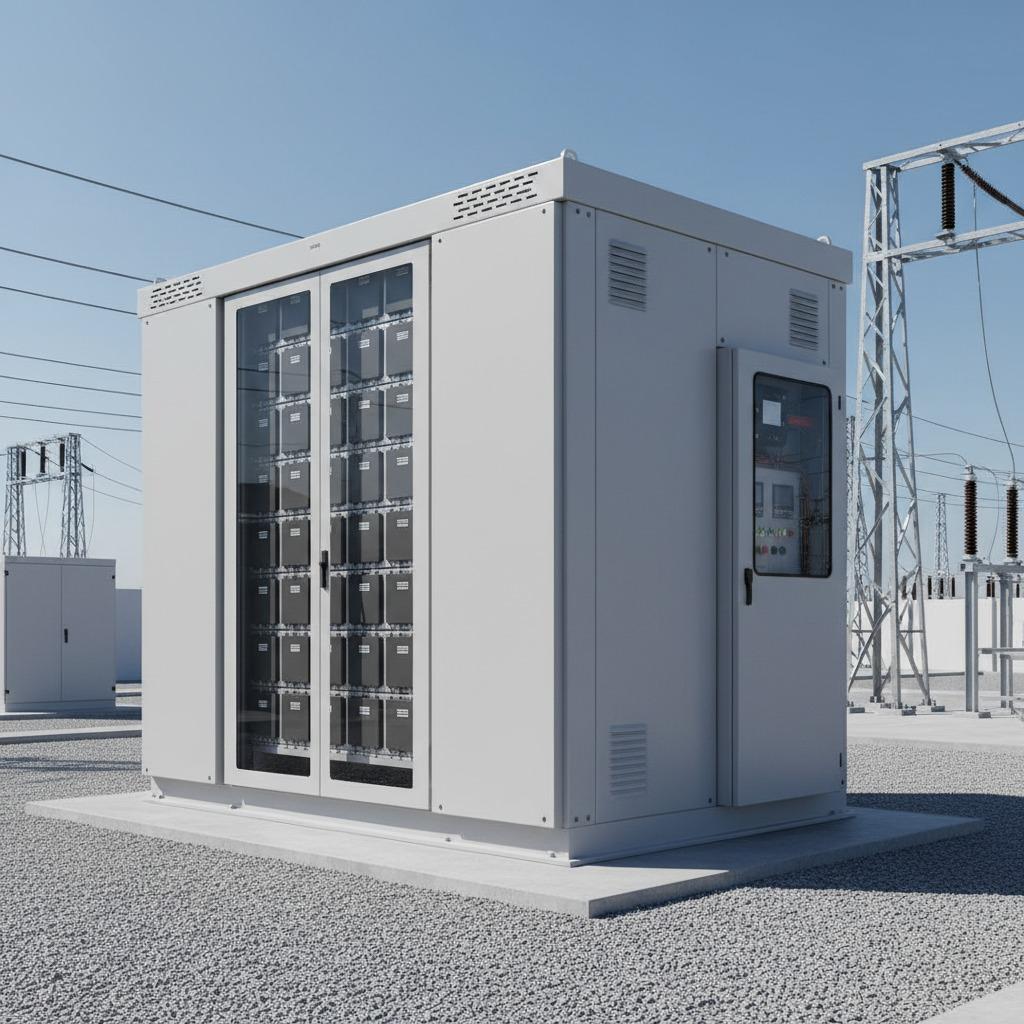
Remote or utility-side deployment where protection and modularity matter
Those use cases are not identical, of course. A site that needs short-duration backup does not necessarily need the same internal configuration as a utility-facing grid-scale battery storage project. Still, the common thread is the same: the buyer needs controlled energy delivery in a protected package.
Inside the Cabinet: What the Layout Suggests
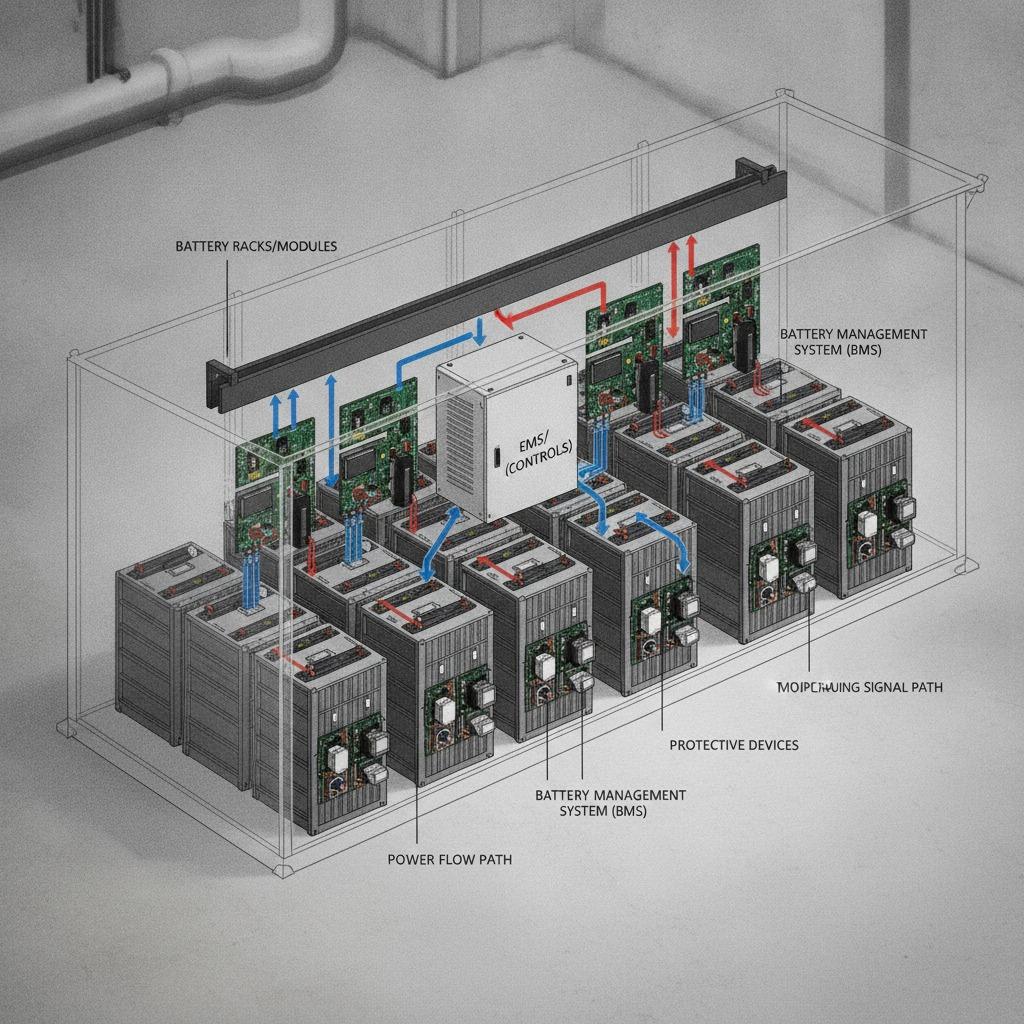
Based on the product information provided, the unit appears to combine a left-hand control or switchgear compartment with a right-hand section of repeated modules. That is a sensible arrangement for systems where power electronics, control logic, and battery or storage modules must coexist but remain organized.
A few features stand out:
A long rectangular enclosure form, which usually helps with modular scaling and repeatable assembly
Hinged access doors and lockable cabinet behavior, which matter for safety and service control
A small display or indicator window in the control area, suggesting local status monitoring
Repeated module faces with vents or fasteners, which often support cooling and maintenance access
Orange vertical routing elements that may be busbars, wiring paths, or another internal connection feature; the exact function is not clear from the supplied data, so it should be treated cautiously
Small green status indicators, which can help technicians confirm operating states at a glance
The key point is not to over-interpret any single detail. We do not know the exact chemistry, power stage, or control package. But the enclosure style tells you something useful: the system is designed as a serviceable industrial module, not a consumer appliance.
What Engineering Teams Usually Evaluate First
When an engineering or sourcing team reviews a battery energy storage system, the first pass often comes down to a few practical questions.
1. How will it be integrated?
Does the project need a self-contained cabinet, a containerized power/storage module, or a rack-based arrangement inside an existing room? The supplied product appears closer to a protected enclosure system, which may suit sites that need a compact, field-ready package.
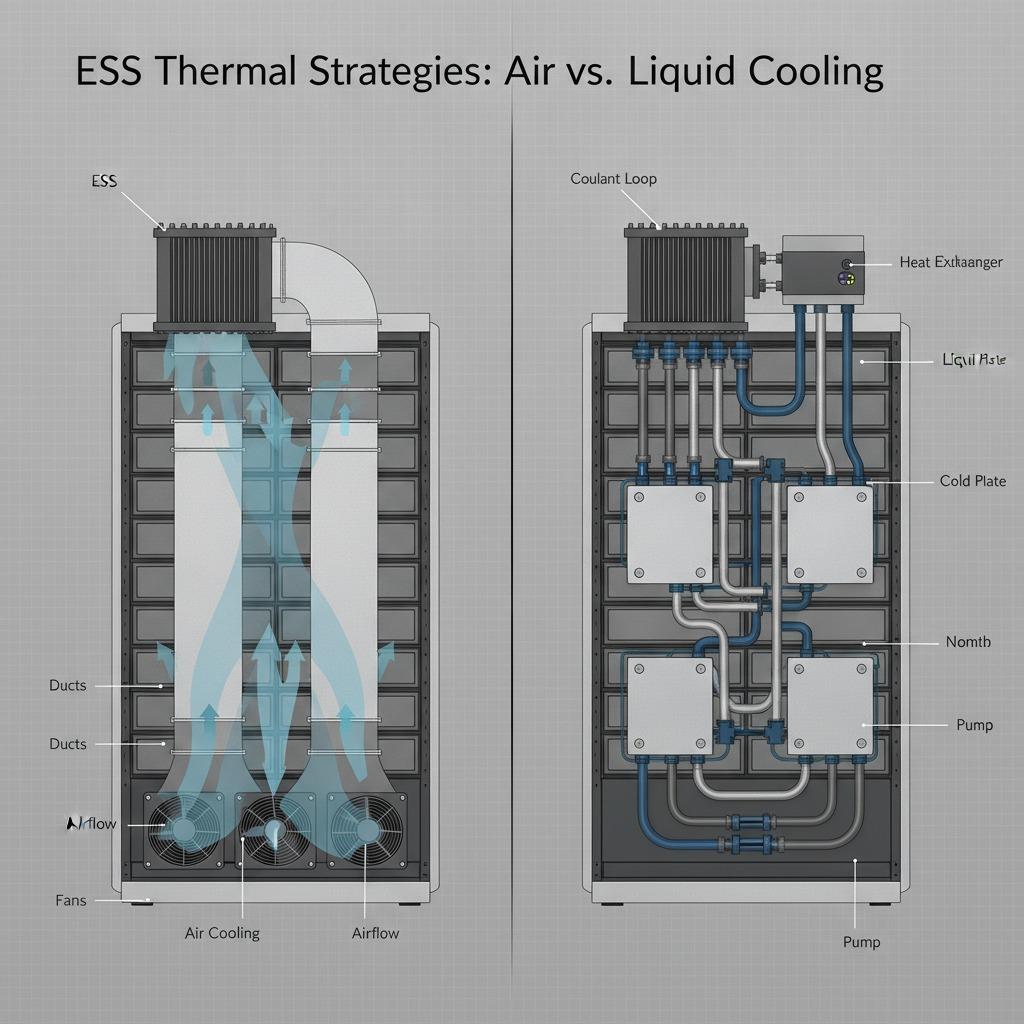
2. How will heat be managed?
Ventilation and perforation patterns are not decorative. Storage systems generate heat, and thermal design influences service life and operating reliability. The exact cooling method is unknown here, so buyers should ask how airflow is handled, where the intake and exhaust paths are, and whether the cabinet is intended for indoor or outdoor exposure.
3. How is service performed?
Front-service access, compartment separation, and visible indicators can reduce downtime. If modules can be inspected or replaced without disturbing the whole assembly, field work becomes more manageable. That matters more than many teams expect until the first maintenance event.
4. What is protected from what?
In a good BESS design, the control section should be physically separated from the higher-energy storage or power components. That separation can help with safety, troubleshooting, and cable management. It is also one of those details that looks minor on a drawing and becomes very important during commissioning.
Battery Energy Storage System vs. Other Power Equipment
A battery energy storage system is often compared with UPS equipment, standby generators, or conventional switchgear. The comparison is useful, but only if it stays honest.
Generators are better for long-duration backup where fuel logistics are acceptable. UPS systems are often faster for ride-through and sensitive loads. Switchgear distributes and protects power, but it does not store it. A BESS sits in a different position: it can respond quickly, support peak shaving or load shifting, and help balance supply in ways that fossil backup cannot.
That does not mean BESS is always the right answer. It usually adds control complexity, thermal considerations, and a higher need for system integration. But for many sites, the operational flexibility is worth the added design effort.
Common Buyer Mistakes
The most common mistake is buying on capacity alone. Energy rating matters, but so does discharge profile, footprint, serviceability, and how the system talks to the rest of the electrical installation.
Another easy mistake is ignoring the enclosure design. A cabinet can be technically sound and still be awkward to maintain if access is poor or if internal partitioning makes inspections painful. That may sound like a small thing on day one. By year two, it is often the difference between a manageable asset and a source of repeated service calls.
A third mistake is assuming one BESS layout fits every site. Grid-scale battery storage projects, industrial backup deployments, and telecom support systems can all use similar language in sales materials while demanding very different engineering choices. The enclosure form factor, control separation, and module arrangement need to match the actual operating context.
Selection Criteria That Matter in the Real World
When reviewing a battery energy storage system, buyers should press for answers in plain language:
How is the system partitioned internally?
What can be serviced from the front, and what requires deeper access?
How is cable routing handled between control and storage sections?
What thermal strategy is used, and how is it monitored?
What site conditions is the enclosure designed for?
How does the modular layout affect future expansion or replacement?
These are not academic questions. They directly affect commissioning time, maintenance planning, and long-term uptime.
If the supplier cannot explain the internal division, the control interfaces, or the service workflow without drifting into vague marketing language, that is worth a pause. A well-built system should be understandable at the cabinet level.
Practical Takeaway for Sourcing and Engineering Teams
For teams evaluating BESS hardware, the best approach is to treat the enclosure as part of the product, not just packaging. The cabinet layout, access strategy, and module organization all contribute to operating risk and maintenance cost.
The supplied product image suggests a serious industrial build: a light gray fabricated metal enclosure, multiple internal bays, separated control space, and visible service-oriented details. Those features are consistent with battery energy storage system applications where reliability, controlled access, and orderly integration matter.
That said, the exact internal technology is not confirmed here. Buyers should request the missing specifications before moving forward: chemistry, electrical ratings, dimensions, cooling method, protection level, and any applicable compliance documentation. It is better to ask those questions early than to discover the gap during installation.
FAQ
Is a BESS the same as a battery rack?
Not always. A battery rack is one part of a larger system. A battery energy storage system may include racks, power electronics, controls, enclosure hardware, and monitoring interfaces.
Can this type of enclosure be used for grid-scale battery storage?
Potentially, yes. The modular enclosure style is consistent with larger storage deployments, but the actual suitability depends on electrical rating, thermal design, safety architecture, and project requirements.
Why does the cabinet separation matter?
Separating control and storage sections can improve serviceability, reduce wiring confusion, and make safety checks easier. It is a practical design choice, not just a visual one.
What should buyers verify before ordering?
At minimum: system rating, cooling approach, enclosure suitability for the site, access method, monitoring features, and the documentation needed for installation and commissioning.
Next Step
If you are sourcing a battery energy storage system for industrial, utility, or facility use, start with the enclosure architecture and the service model, then move to the electrical specification. That sequence saves time. It also filters out systems that look suitable on paper but become difficult to live with in the field.
Request the full technical package, compare the internal layout against your maintenance plan, and make sure the BESS is being judged as a working asset rather than a generic cabinet with cells inside.