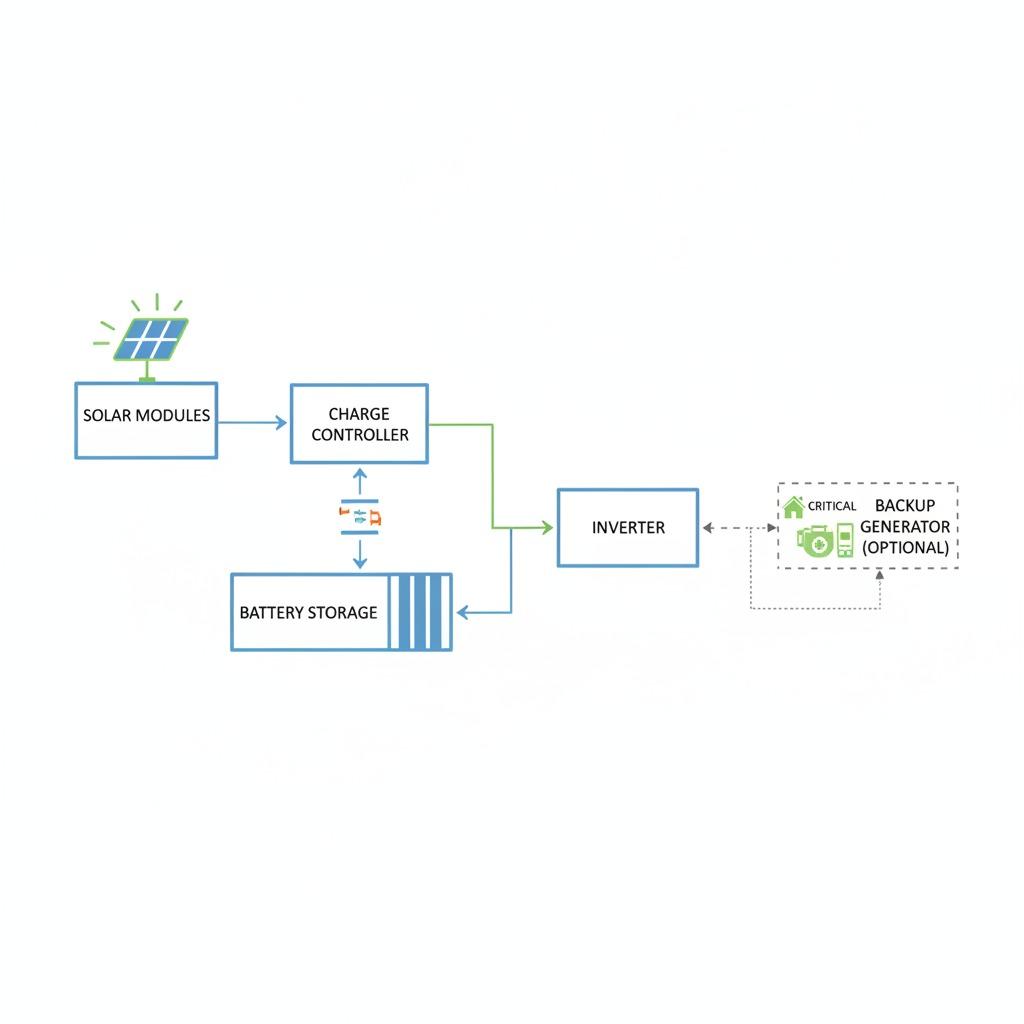

Understanding Battery Energy Storage Systems
Battery energy storage system technology is revolutionizing how we manage and utilize power in modern applications. At its core, a battery energy storage system captures and stores electrical energy for later use, providing a stable and reliable source of power. This technology is essential for integrating renewable sources into the grid, ensuring that excess energy generated during peak production times can be saved and deployed when needed. As energy demands grow and sustainability becomes a priority, battery energy storage systems offer a flexible solution that enhances grid reliability and reduces reliance on fossil fuels.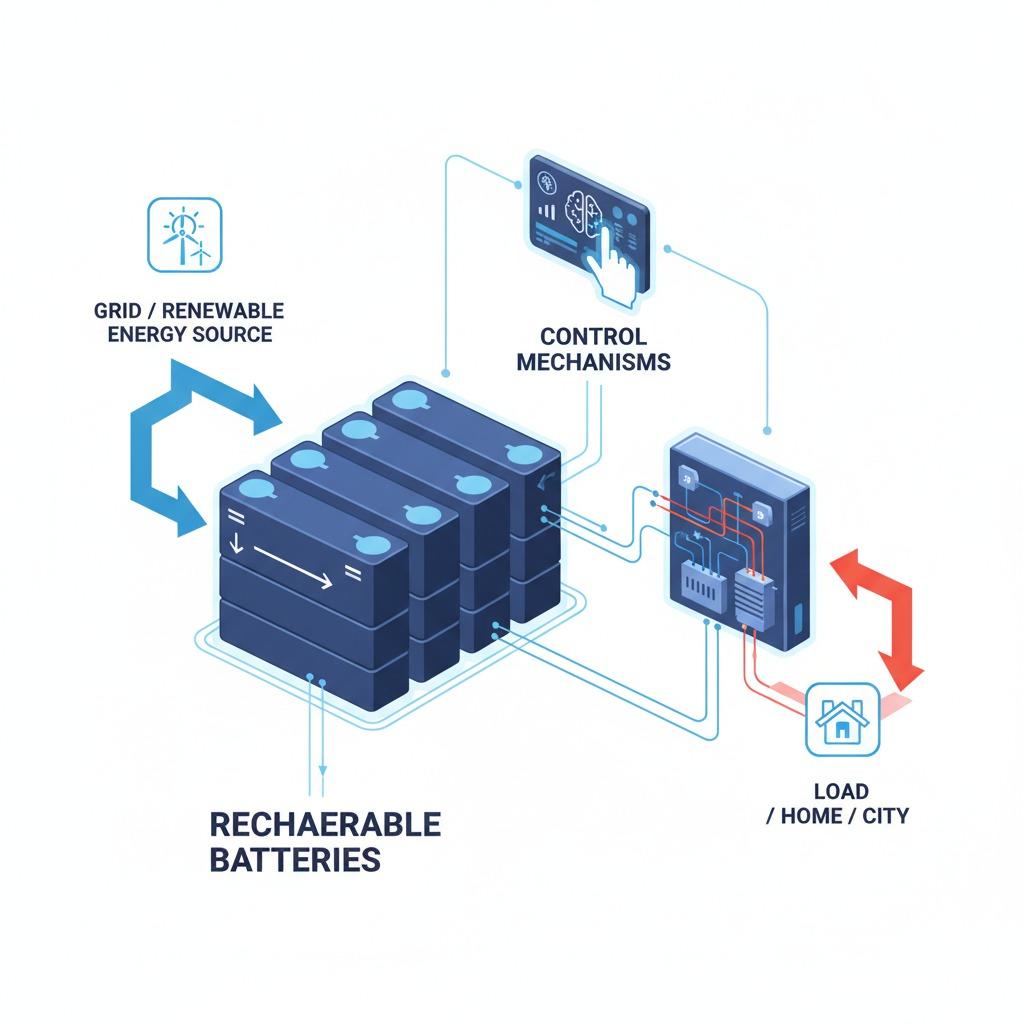
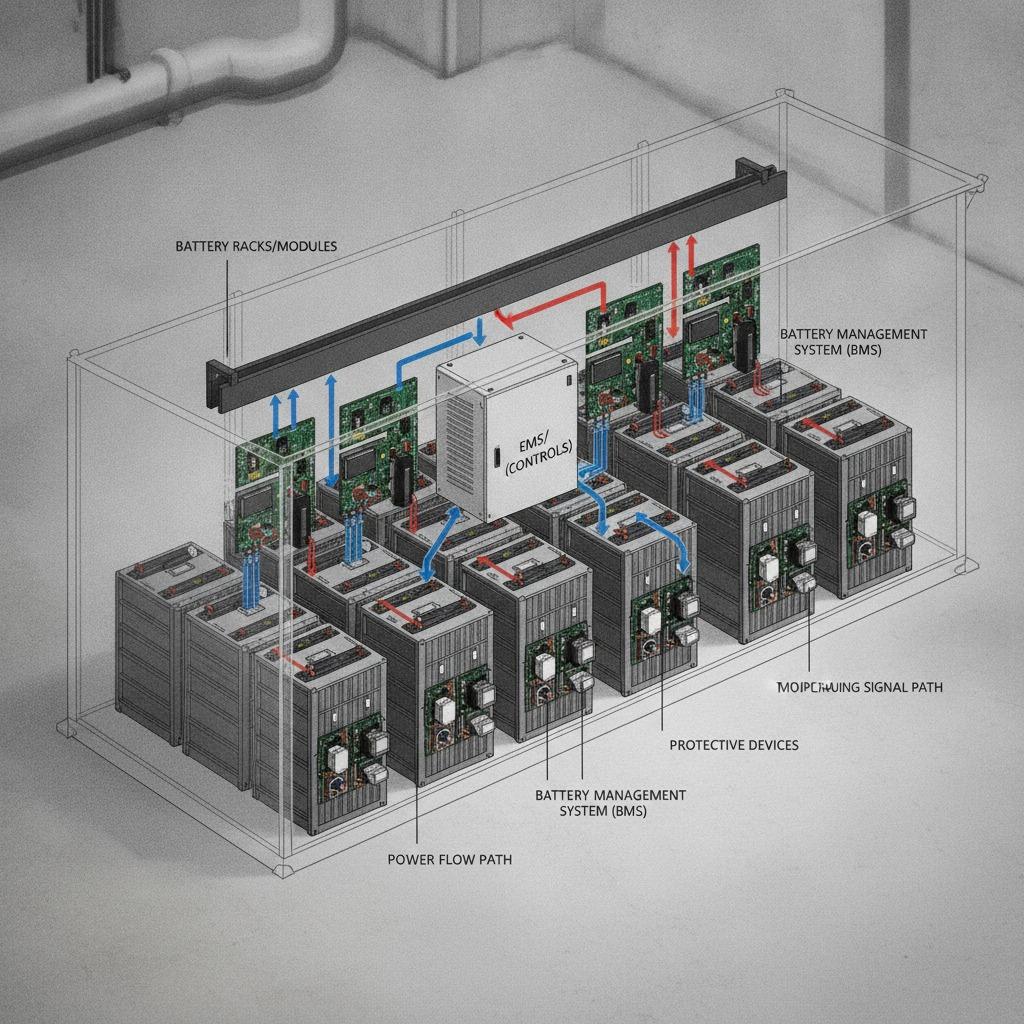
These systems typically consist of rechargeable batteries, power conversion equipment, and control mechanisms that monitor and optimize performance. They are deployed in various scales, from residential setups to large-scale industrial installations. The primary benefit lies in their ability to balance supply and demand, mitigating issues like blackouts and peak load strains. With advancements in battery chemistry, such as lithium-ion variants, these systems are becoming more efficient and cost-effective, paving the way for widespread adoption.
The Role of Grid Energy Storage in Power Management
Grid energy storage plays a pivotal role in maintaining the stability of electrical networks, especially as intermittent renewable sources like solar and wind gain prominence. It allows utilities to store surplus electricity during low-demand periods and release it during high-demand times, optimizing resource use and lowering operational costs. This capability is crucial for modern grids that must handle fluctuating loads and integrate decentralized energy production.
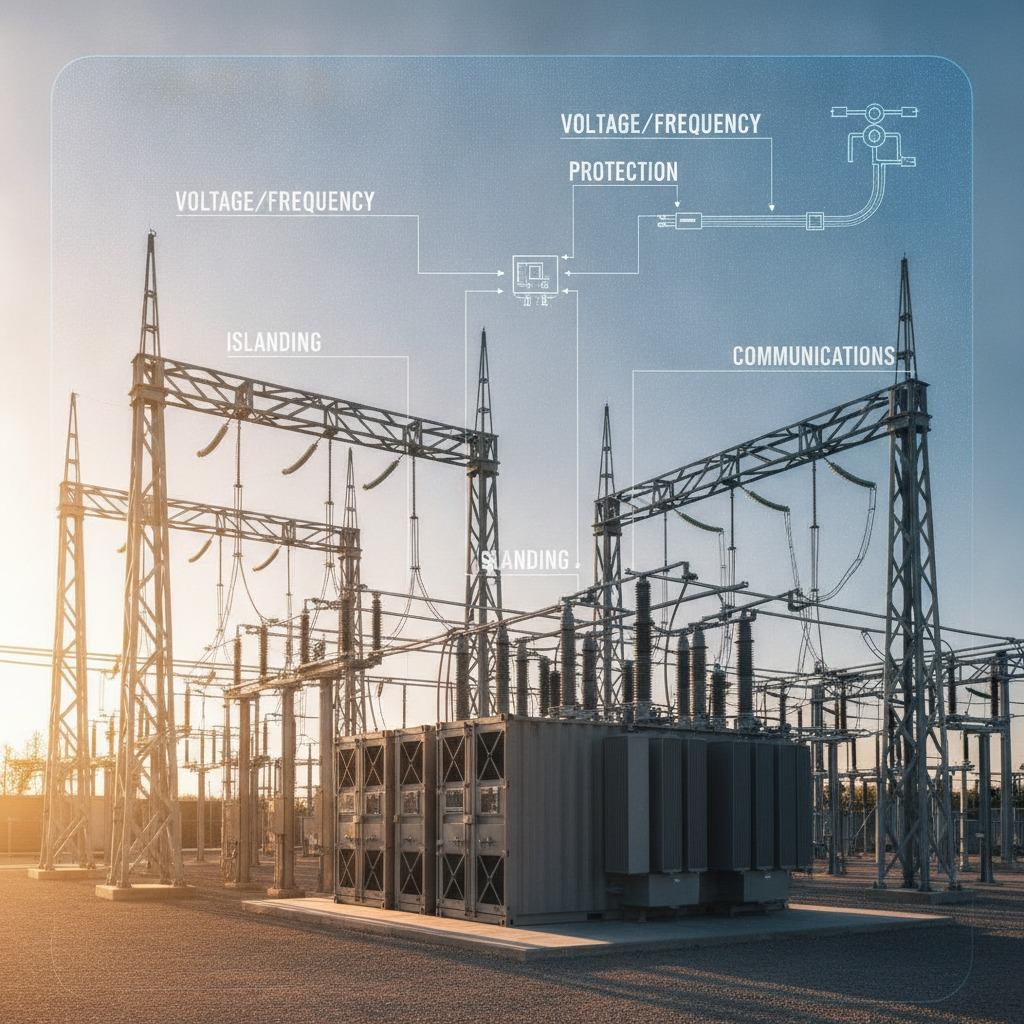
In practice, grid energy storage systems help in frequency regulation, voltage support, and black start capabilities, ensuring seamless operation even under stress. By smoothing out supply variations, they enable higher penetration of renewables without compromising reliability. For instance, during off-peak hours, excess power from solar farms can be stored, then dispatched to urban areas at night. This not only enhances energy security but also supports economic benefits by deferring the need for expensive infrastructure upgrades.
Moreover, advancements in grid energy storage are driving innovations in smart grid technologies. Sensors and AI-driven controls allow for real-time optimization, predicting demand and adjusting storage accordingly. As a result, regions investing in these systems see reduced energy waste and lower carbon emissions, aligning with global sustainability goals.
Advancements in Renewable Energy Storage Solutions
Renewable energy storage is key to unlocking the full potential of clean power sources, addressing their inherent variability. Solar and wind energy production peaks at specific times, but demand doesn't always align, leading to curtailment or inefficiencies without proper storage. Battery energy storage systems bridge this gap, storing renewable energy during production highs and supplying it steadily, making renewables a viable baseload option.
One prominent example is the integration of storage with photovoltaic installations, where excess daytime solar output is captured for evening use. This not only maximizes self-consumption for households and businesses but also reduces the strain on transmission lines. Similarly, in wind-heavy regions, storage smooths out the intermittent gusts, providing consistent output to the grid.
The evolution of renewable energy storage has been accelerated by policy incentives and technological breakthroughs. Governments worldwide are promoting these systems through subsidies and mandates, recognizing their role in achieving net-zero targets. As storage costs decline, adoption rates are surging, with projections indicating that by 2030, renewables paired with storage could dominate new energy capacity additions.
Lithium-Ion Battery Storage: Efficiency and Scalability
Lithium-ion battery storage stands out for its high energy density, long cycle life, and rapid discharge capabilities, making it a cornerstone of modern battery energy storage systems. These batteries use lithium ions to shuttle between electrodes, enabling efficient charge and discharge cycles with minimal energy loss. Their lightweight design and scalability allow for deployment in everything from portable devices to massive grid installations.
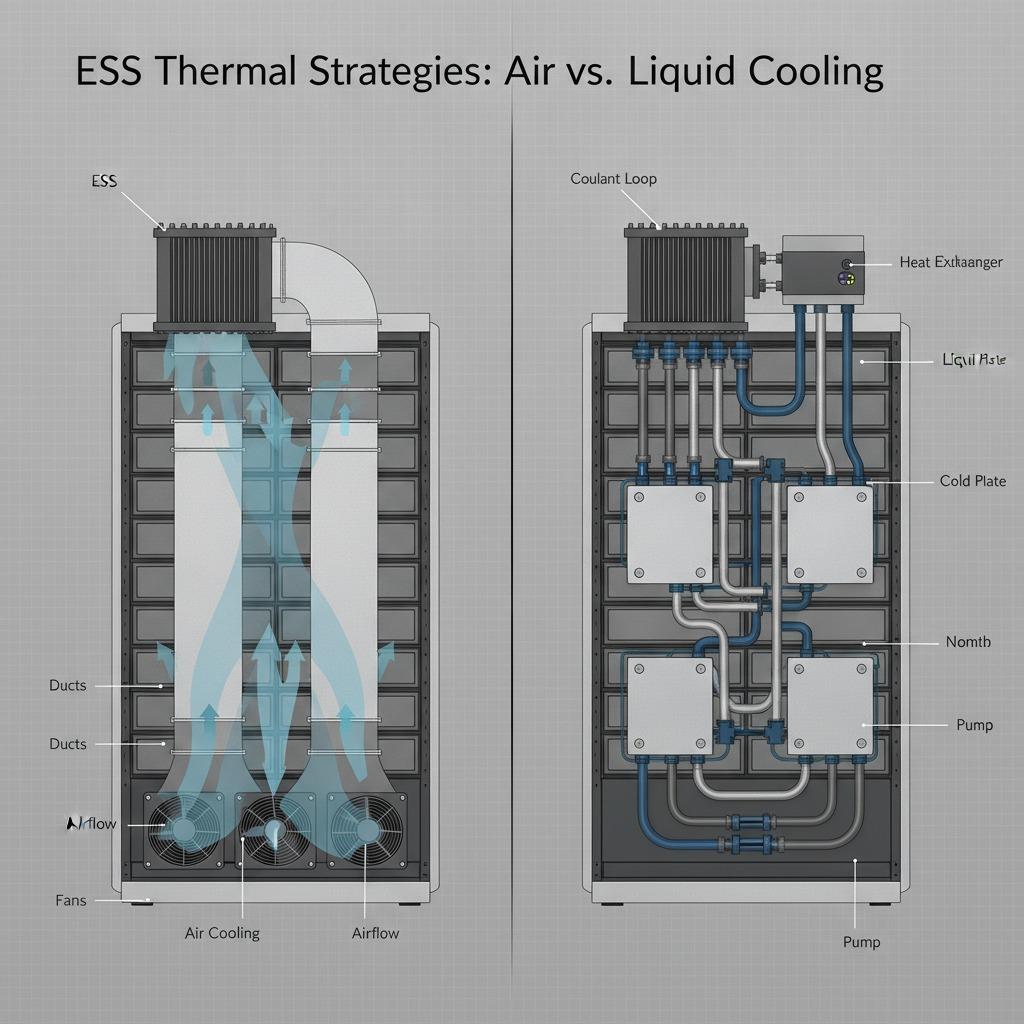
A major advantage of lithium-ion battery storage is its ability to handle deep discharges without significant degradation, ensuring longevity in demanding applications. Safety features like thermal management systems further enhance their reliability, preventing overheating and extending operational life. In renewable setups, they excel at capturing variable inputs, providing a buffer that stabilizes output.
However, while powerful, lithium-ion technologies are complemented by alternatives for specific needs. For instance, in deep-cycle scenarios requiring robustness, valve-regulated lead-acid options offer durability. Overall, the versatility of lithium-ion battery storage continues to drive innovations, with ongoing research focusing on solid-state variants for even higher performance and safety.
BR Solar's Innovative Energy Storage Products
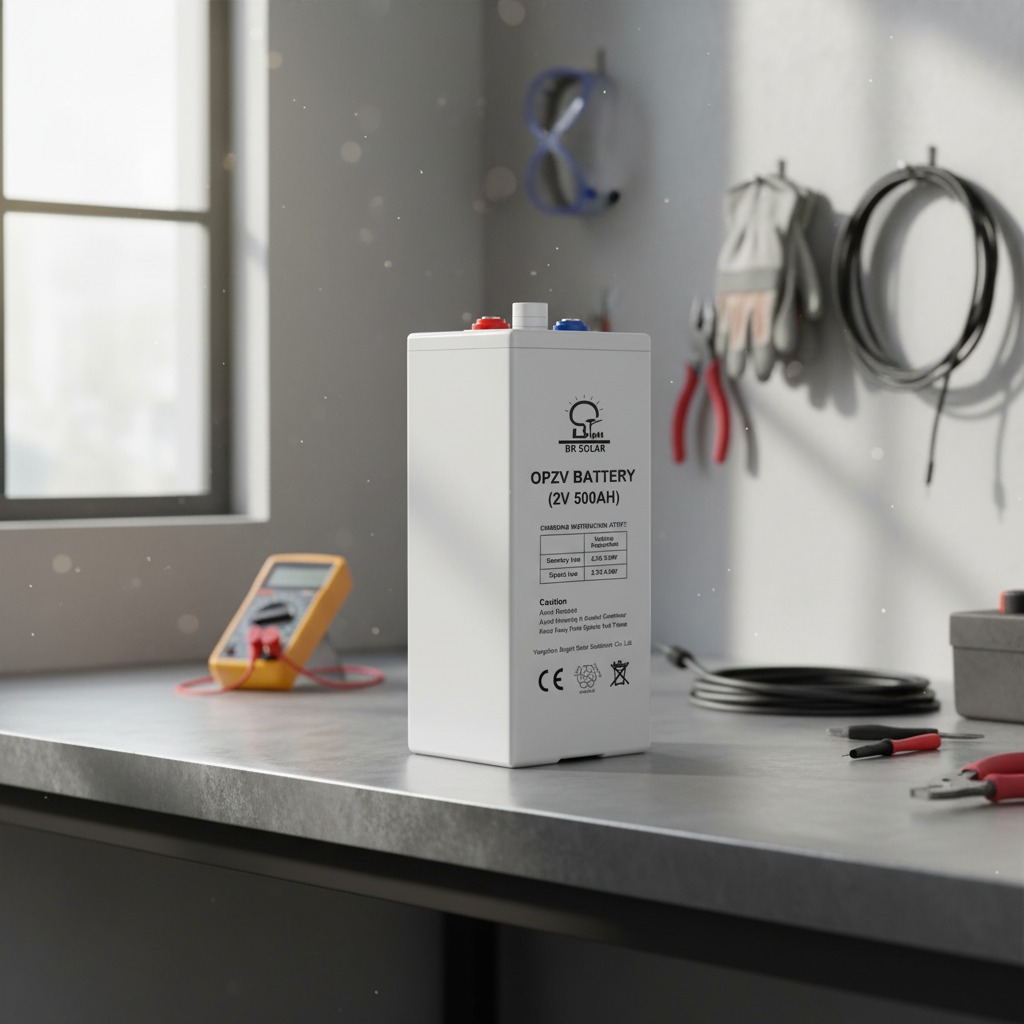
At BR Solar, we specialize in cutting-edge solutions that embody the principles of battery energy storage systems, tailored for reliability and efficiency. Our OPzV 2V 500Ah battery exemplifies this commitment, a valve-regulated lead-acid (VRLA) powerhouse designed for deep cycle applications in solar power systems, telecommunications, and backup scenarios. With a substantial 500Ah capacity and 2V configuration, it scales seamlessly into larger setups, delivering long-lasting power where it matters most.
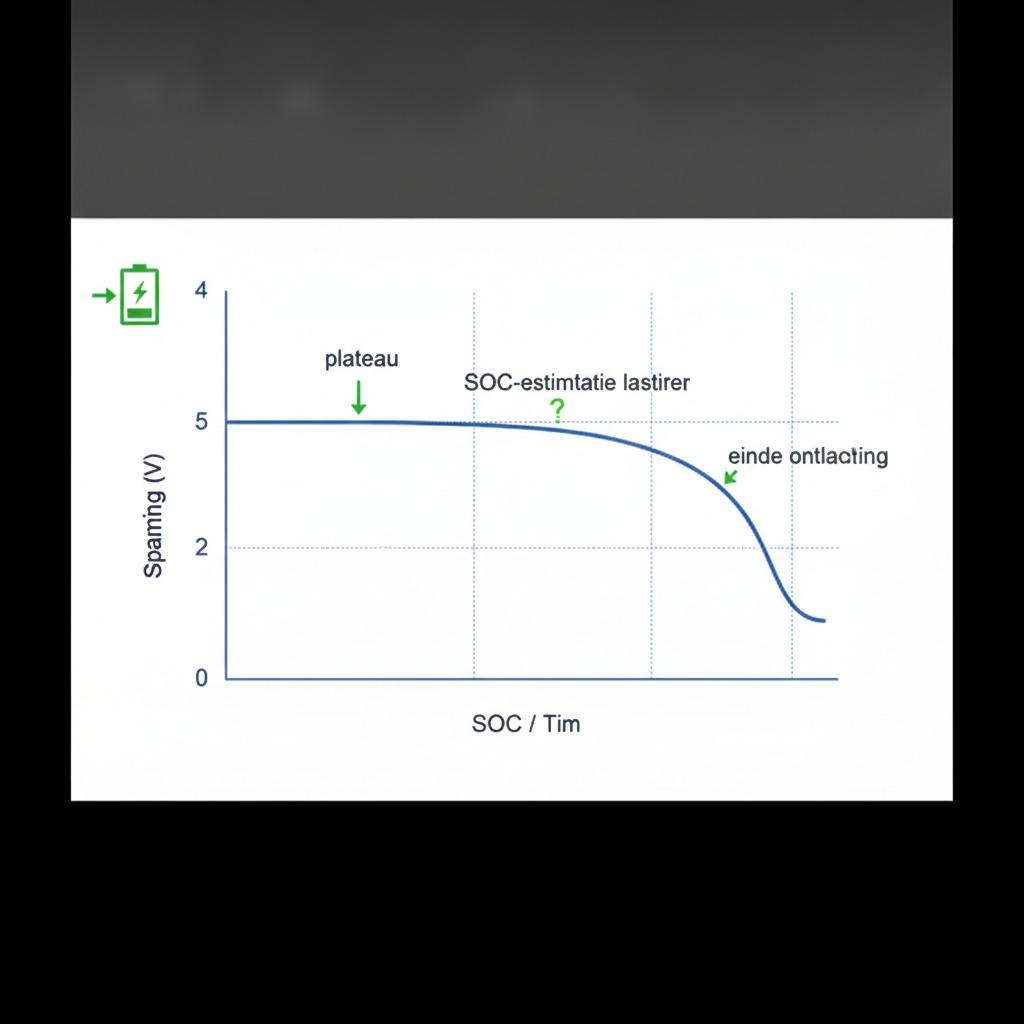
This battery's charging parameters—at 25°C, standby voltage between 2.25-2.30V and cyclic use from 2.35-2.40V—ensure optimal performance and extended lifespan. Certified with CE and other standards, the OPzV 500Ah model guarantees safety and efficiency, making it an ideal choice for renewable energy storage needs. Its robust construction withstands environmental challenges, providing steadfast support for off-grid and hybrid systems.
Complementing our lineup is the BRCnogy 6-CNJ-100 Gel Valve-Regulated Sealed Battery, a 12V 100Ah unit leveraging colloidal gel technology for superior longevity and minimal maintenance. Perfect for backup power, renewable applications, and off-grid environments, it operates reliably at 13.8 to 14.8 volts, compatible with complex systems demanding consistent energy delivery. The sealed design eliminates leaks and reduces monitoring needs, while international certifications underscore its quality.
These products from BR Solar not only align with grid energy storage and lithium-ion battery storage trends but also offer practical, durable alternatives that prioritize user needs. By choosing our solutions, customers gain access to efficient, scalable battery energy storage systems that support sustainable energy transitions.
Future Prospects and Implementation Strategies
Looking ahead, the future of battery energy storage systems is bright, with hybrid approaches combining lithium-ion and lead-acid technologies for optimized performance across applications. As renewable energy storage expands, integrating these systems with AI and IoT will enable predictive maintenance and dynamic load balancing, further enhancing efficiency.
For businesses and homeowners, implementing grid energy storage involves assessing energy profiles, selecting appropriate capacities like our 500Ah or 100Ah models, and ensuring compatibility with existing infrastructure. BR Solar provides comprehensive support, from system design to installation, ensuring seamless integration.
In conclusion, battery energy storage systems are indispensable for a resilient, green energy landscape. By leveraging innovations in lithium-ion battery storage and robust alternatives like our OPzV and BRCnogy series, stakeholders can achieve energy independence and sustainability. Embracing these technologies today positions us for a powered tomorrow.