
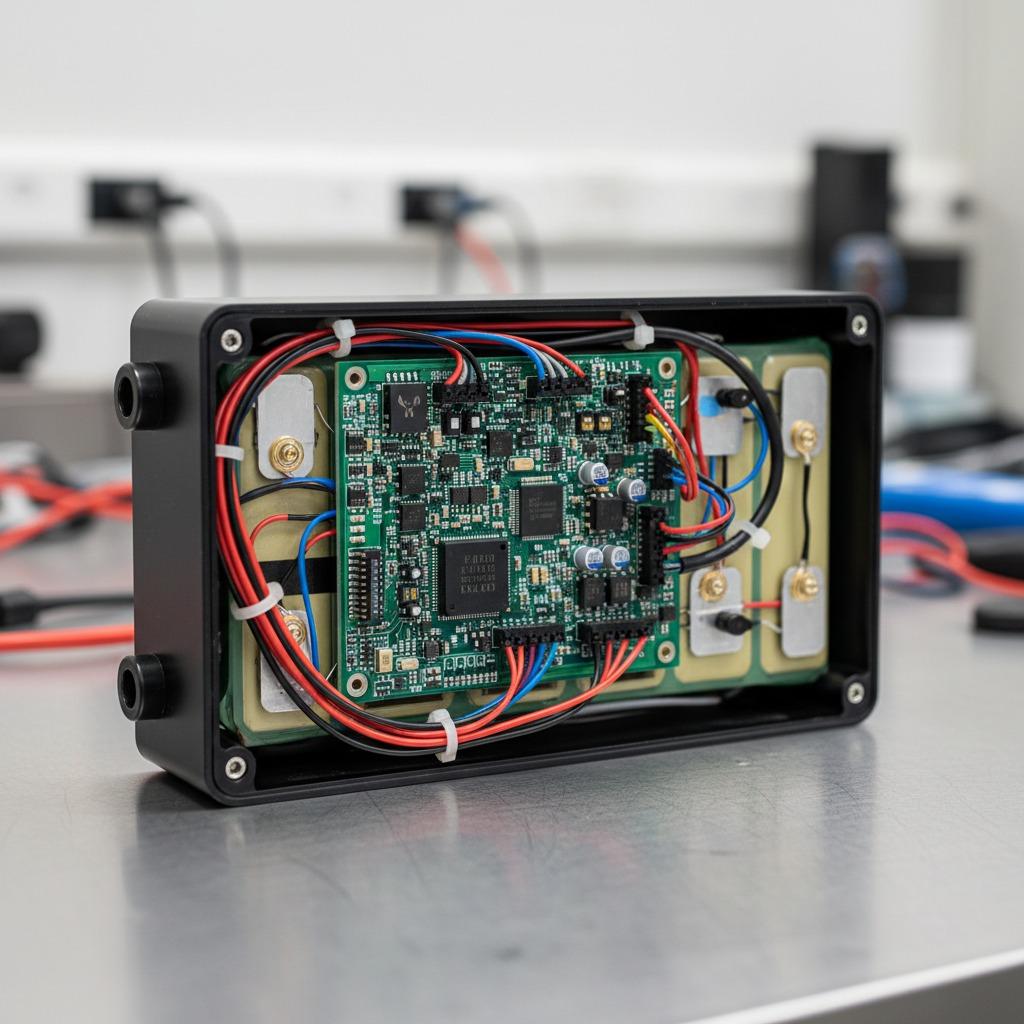
Battery Management System: what buyers actually need to know before they specify one
A Battery Management System is one of those components that rarely gets the spotlight until something goes wrong. In an electric vehicle, an energy storage cabinet, a backup power pack, or a portable device, the BMS is the layer that keeps cells working within a safe operating window. It monitors voltage, current, temperature, and state of charge; it helps prevent overcharge, deep discharge, overheating, and imbalance. For engineers and sourcing teams, the real question is not whether a BMS is necessary. It is which level of protection, monitoring, and control is appropriate for the application.
That matters because batteries are not generic commodities once they are assembled into a system. Cell chemistry, pack size, charge profile, operating environment, and expected service life all affect the design. A system that looks adequate on paper can become a weak point in field use if it is undersized, poorly matched to the cell chemistry, or built without enough diagnostic visibility. Buyers who understand the role of the BMS usually make better decisions about safety, warranty exposure, and long-term maintenance.

What a BMS does, and what it does not do
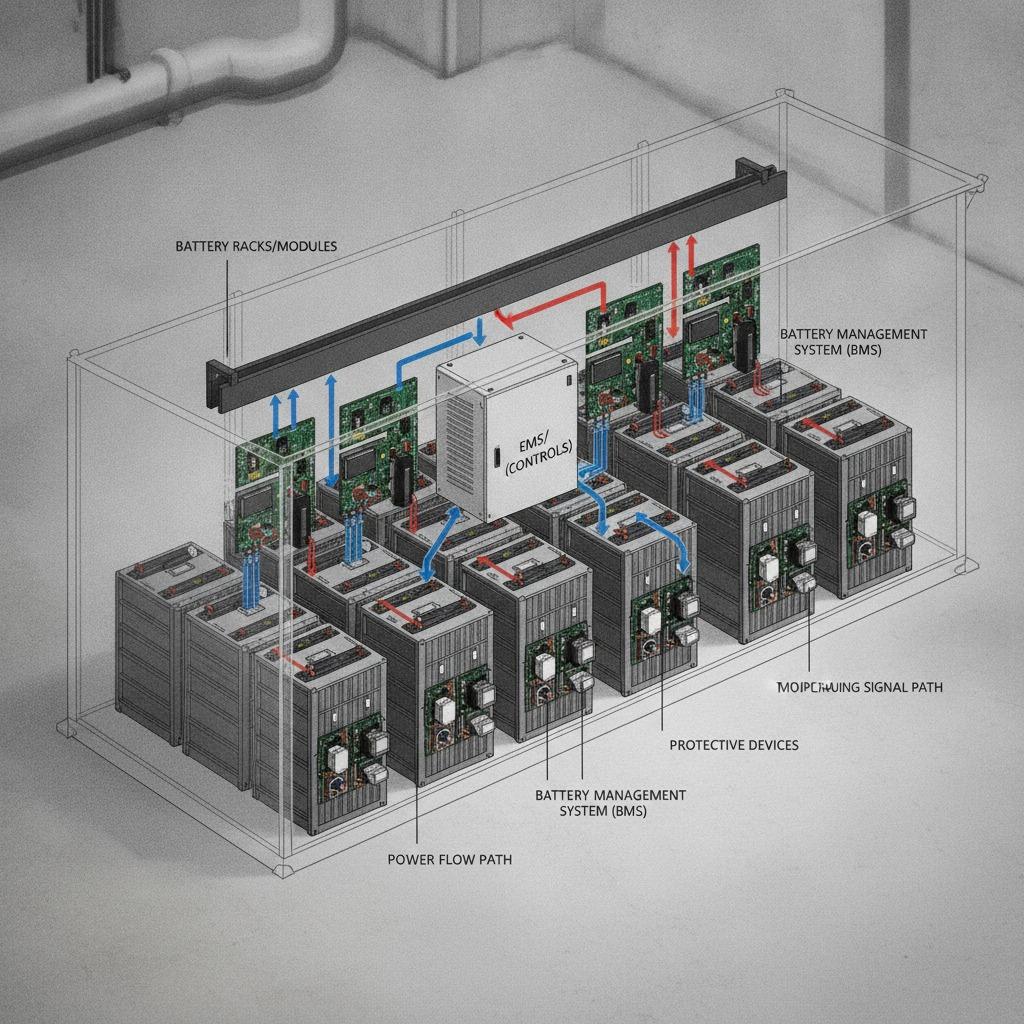
At a basic level, a BMS supervises battery pack operation. It collects data from the cells or modules, compares that data against acceptable limits, and takes action when those limits are crossed. That action may be as simple as signaling a fault or as active as opening a contactor, reducing charge current, balancing cells, or shutting the pack down.
It is worth separating the BMS from the battery itself. The cells provide energy storage. The BMS provides control and protection. It cannot fix a weak cell, compensate forever for a poor pack design, or rescue a system from bad thermal management. That is a common sourcing mistake: treating the BMS as a substitute for sound pack engineering. It is not.
Core functions buyers should expect
Not every battery management system offers the same depth of control, but several functions are standard in serious industrial and mobility applications.
Monitoring
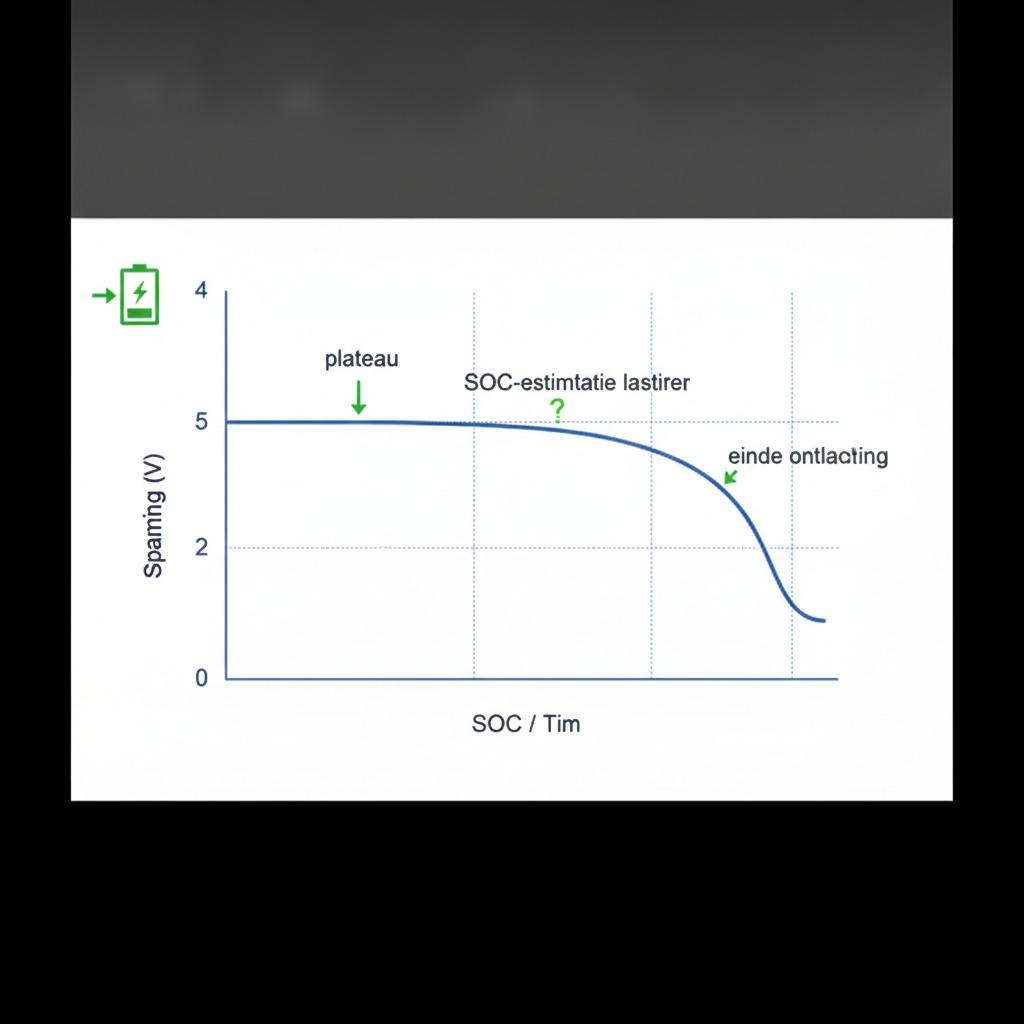
Voltage and current measurement are the foundation. Temperature sensing is equally important, especially in high-power or fast-charge applications. Depending on the architecture, the system may also estimate state of charge, state of health, and remaining useful capacity.
Protection
Protection logic is the reason many teams specify a BMS in the first place. Overvoltage, undervoltage, overcurrent, short-circuit, and overtemperature protection are the usual categories. In practice, the detail matters more than the label. A pack used in cold outdoor storage needs a different threshold strategy than one running in a climate-controlled industrial cabinet.
Cell balancing
Cells in a series string never age in exactly the same way. Balancing helps prevent one cell from drifting too far ahead or behind the others. Passive balancing is simpler and often sufficient for many packs. Active balancing is more complex but can support higher performance or larger packs where energy distribution matters more.
Communications and diagnostics
Many buyers now care as much about data as they do about protection. CAN, UART, SMBus, or other communication methods may be needed so the pack can talk to a charger, inverter, vehicle controller, or remote monitoring platform. For fleet operators and industrial users, diagnostic access can shorten troubleshooting time and reduce service cost. A BMS that only protects the pack but gives no useful data may be harder to support than expected.
Choosing the right architecture for the application
There is no single BMS architecture that fits every product. The right choice depends on scale, voltage class, performance demand, and how the battery will be used.
Centralized systems
In a centralized design, most sensing and control happen on one main board. This can be practical for smaller packs or cost-sensitive products. The trade-off is that wiring can become less elegant as cell count grows.
Distributed systems
Distributed architectures move sensing and sometimes control closer to the cells or modules. These systems are often easier to scale into larger packs, and they can improve signal integrity in high-voltage layouts. They also tend to be more complex to integrate, which is not a trivial point for teams working to a tight launch schedule.
Modular systems
Modular approaches are often favored in energy storage and industrial equipment because they support serviceability. If the application requires pack expansion, field replacement, or redundancy, modularity can be a real advantage. The downside is added integration work and more interfaces to manage.
Selection criteria that matter more than spec-sheet headlines
When sourcing a Battery Management System, the headline features are only part of the story. Buyers should look closely at how the system fits the battery chemistry, operating envelope, and production plan.
Start with chemistry. Lithium-ion variants do not all behave the same way, and the BMS should be tuned to the actual cell type in use. Then look at voltage and current margins. A design that runs too close to its limits may survive testing but leave little buffer in real use.
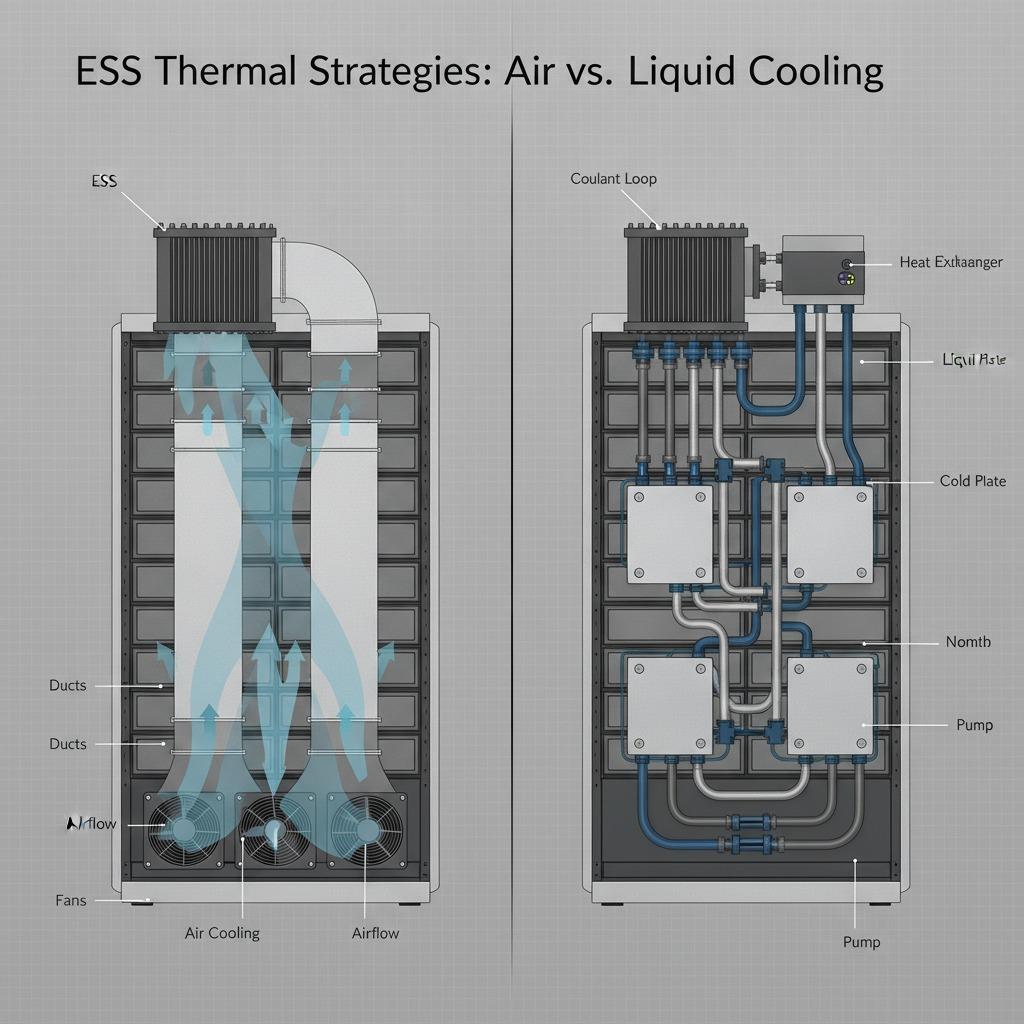
Thermal sensing deserves more attention than it often gets. A few well-placed sensors can reveal hot spots, charging stress, or ventilation problems before they become failures. In high-power packs, temperature data is not optional; it is part of basic risk control.
Integration is another practical filter. Can the BMS communicate with the charger and host system cleanly? Can it support the enclosure, connectors, and service workflow you already plan to use? If the answer is no, the apparent savings can disappear quickly in engineering hours.
Common mistakes in BMS sourcing and integration
One of the most common mistakes is underestimating the importance of balancing strategy. Another is assuming that a pack with good cells does not need careful control. In reality, mismatched cells, uneven thermal conditions, and aggressive charging profiles can shorten service life even when the cell quality itself is solid.
Another frequent issue is selecting a BMS that looks technically capable but is awkward to validate. If your team cannot easily verify alarms, fault behavior, or communications in the lab, you may discover problems late in the project. That creates avoidable schedule pressure.
There is also a commercial trap: buying on unit price alone. A lower-cost system that lacks the right diagnostics, protection depth, or service support can become more expensive over the product lifecycle. For many teams, the BMS is not a standalone purchase; it is part of the total system risk profile.
Practical buyer questions to ask before approval
Before locking in a design, sourcing managers and engineers should ask a few direct questions.
What battery chemistry and pack configuration is the system intended for? How are faults detected, logged, and communicated? What happens when the system encounters a sensor failure or a communication loss? Is the balancing method appropriate for the pack size and duty cycle? Can the BMS support the intended charger or inverter without custom workarounds?
Those questions are basic, but they often uncover weak assumptions early. A supplier that answers them clearly is usually easier to work with during pilot builds and ramp-up. A supplier that avoids specifics may be signaling integration risk.
Where the BMS influences product performance downstream
The impact of the BMS reaches beyond battery safety. It affects runtime consistency, available power, charge acceptance, service intervals, and even customer perception of product quality. A well-tuned system can make the pack feel more stable and predictable. A poor one can make the same hardware seem unreliable.
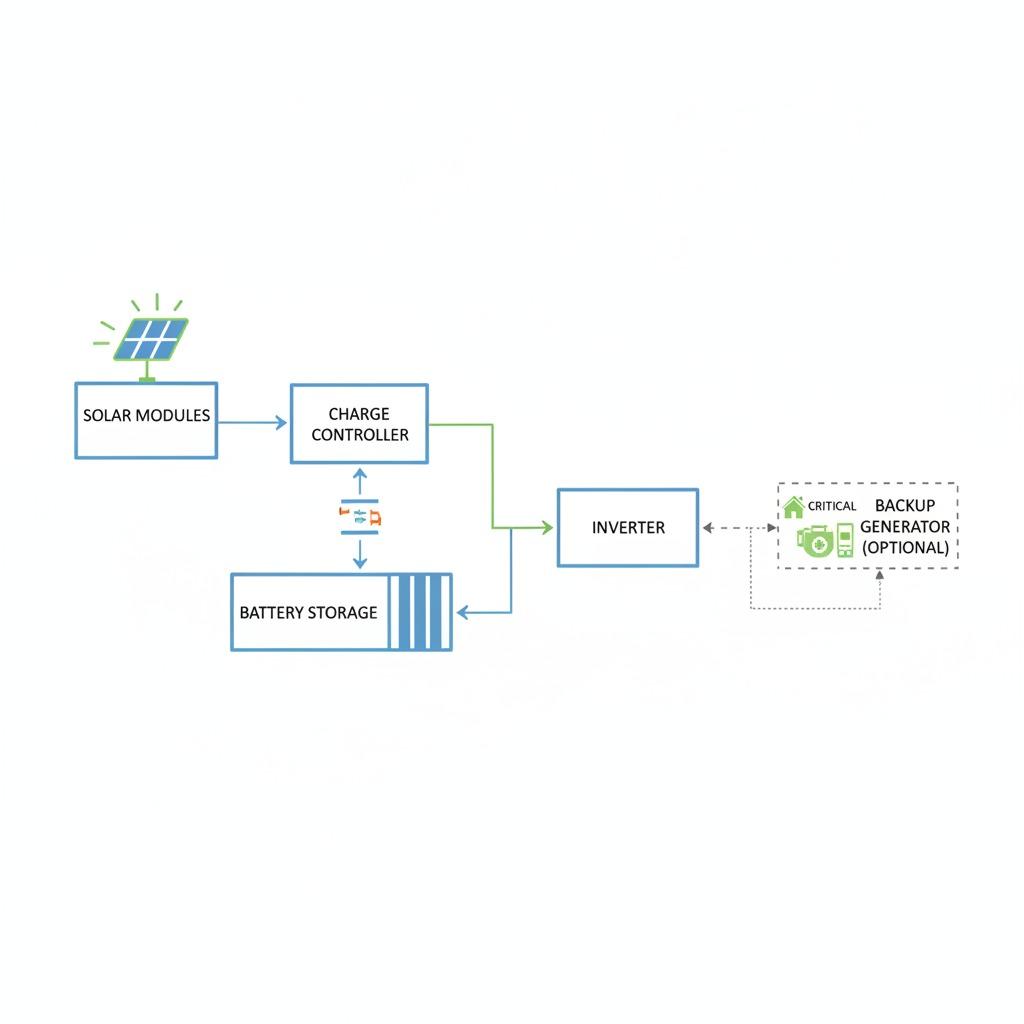
That is especially important in markets where uptime matters. In industrial equipment, telematics, backup power, and mobility platforms, a battery fault does not just trigger a technical issue. It can interrupt a workflow, delay a shipment, or force a service call. The BMS sits at the center of that chain.
FAQ for engineering and procurement teams
Is a BMS always required?
For most lithium-based packs used in commercial products, yes. The exact functionality can vary, but some form of monitoring and protection is typically expected.
Can one BMS be used across different products?
Sometimes, but only if the chemistry, voltage range, current profile, and communications needs are genuinely similar. Reuse can save time, yet it can also create hidden mismatches.
What matters most in a new project?
The best starting point is fit: fit to chemistry, fit to pack size, fit to thermal conditions, and fit to the host system’s control architecture. After that, look at reliability, diagnostics, and ease of validation.
A sensible next step for buyers
If you are evaluating a Battery Management System for a new platform or a redesign, resist the urge to treat it as a checkbox component. Build your short list around the actual operating conditions of the battery pack, not just the nominal voltage or current rating. Then ask for the fault logic, sensing layout, balancing method, and communication details early in the process.
That approach does not just improve technical fit. It also reduces downstream surprises during testing, certification planning, and field support. In battery-driven products, the cheapest mistake is usually the one caught before tooling, not after launch.