
Battery storage duration: what it really means in a project decision
Battery storage duration is one of those phrases that sounds simple until a project team has to turn it into a real specification. In plain terms, it describes how long a battery energy storage system can deliver its rated power before the stored energy is used up. For buyers, engineers, and planners, that matters because duration changes the entire economics and operating profile of a system. A four-hour system does not behave like a one-hour system, even if both are built around the same basic chemistry and enclosure format.
The challenge is that duration is often discussed as if it were a single number. It is not. The useful answer depends on discharge rate, depth of discharge, ambient temperature, round-trip efficiency, degradation over time, and the application itself. A system sized for peak shaving on a commercial site will not be judged the same way as one intended for backup, frequency support, or solar shifting. That is why buyers should treat duration as a design parameter, not a marketing label.
Why battery storage duration matters to buyers
For sourcing managers, duration affects both capital cost and operating value. More duration usually means more installed energy, which typically means more cells, more rack space, more thermal management, and more upfront spending. But less duration can leave a project unable to cover its intended load profile. A system that is too short may look economical on a quote sheet and still fail the actual business case.
There is also a planning side to this. Utilities, industrial plants, EV charging sites, and renewable projects do not all need the same discharge window. Some need a few minutes to ride through an event. Others need hours to shift solar generation into the evening peak. If the battery storage duration is mismatched, the project can underperform from day one even if the hardware is perfectly built.
Quick reference: what duration changes in practice
Short-duration systems
Short-duration systems are usually selected for fast response, demand charge management, or grid services that reward rapid power delivery rather than long run time. The main advantage is lower initial energy capacity. The downside is obvious: once the battery is empty, the service stops.
Mid-duration systems
Mid-duration systems are often the most flexible. They can support peak shifting, backup for critical loads, and some renewable smoothing. This is where many buyers start comparing battery energy storage lifespan as part of the total lifecycle cost, because the system is expected to work across a wider daily cycle.
Long-duration systems
Long-duration projects are more demanding on the bill of materials and on system integration. They can make sense where the load is extended or where renewable output must be held for later use. The practical caution here is that long-duration proposals can look attractive on paper while quietly assuming favorable cycling or temperature conditions that may not hold in the field.
How duration is actually determined
Battery storage duration is usually expressed as a power-to-energy ratio. In simple terms, if a system can deliver 1 megawatt for 4 hours, it has 4 megawatt-hours of usable energy. That sounds straightforward, but the usable part is where engineering details matter.
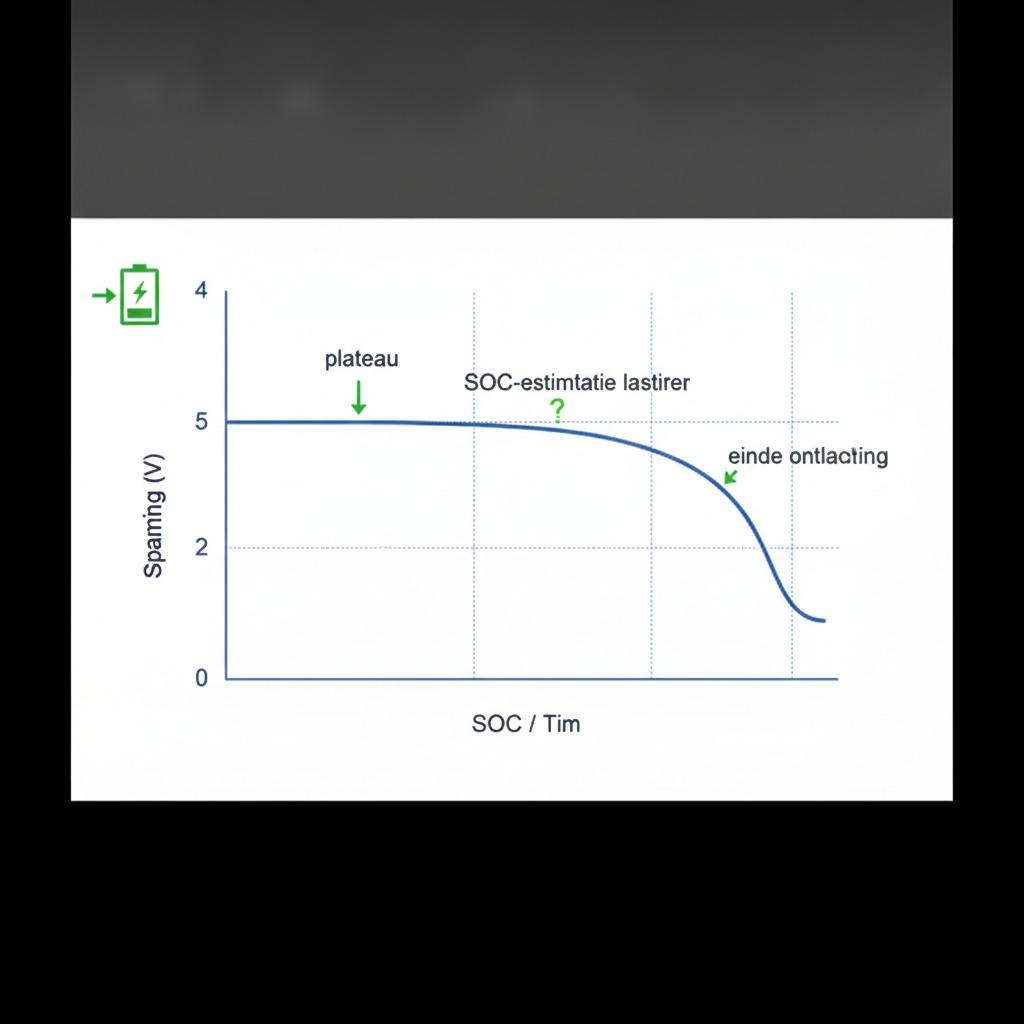
The rated nameplate energy is not always the same as the energy a customer can count on. Usable capacity is affected by the system’s operating window, battery management strategy, aging margin, and the need to preserve long-term battery energy storage lifespan. Designers usually avoid draining every cell to the edge because that can accelerate wear and reduce reliability.
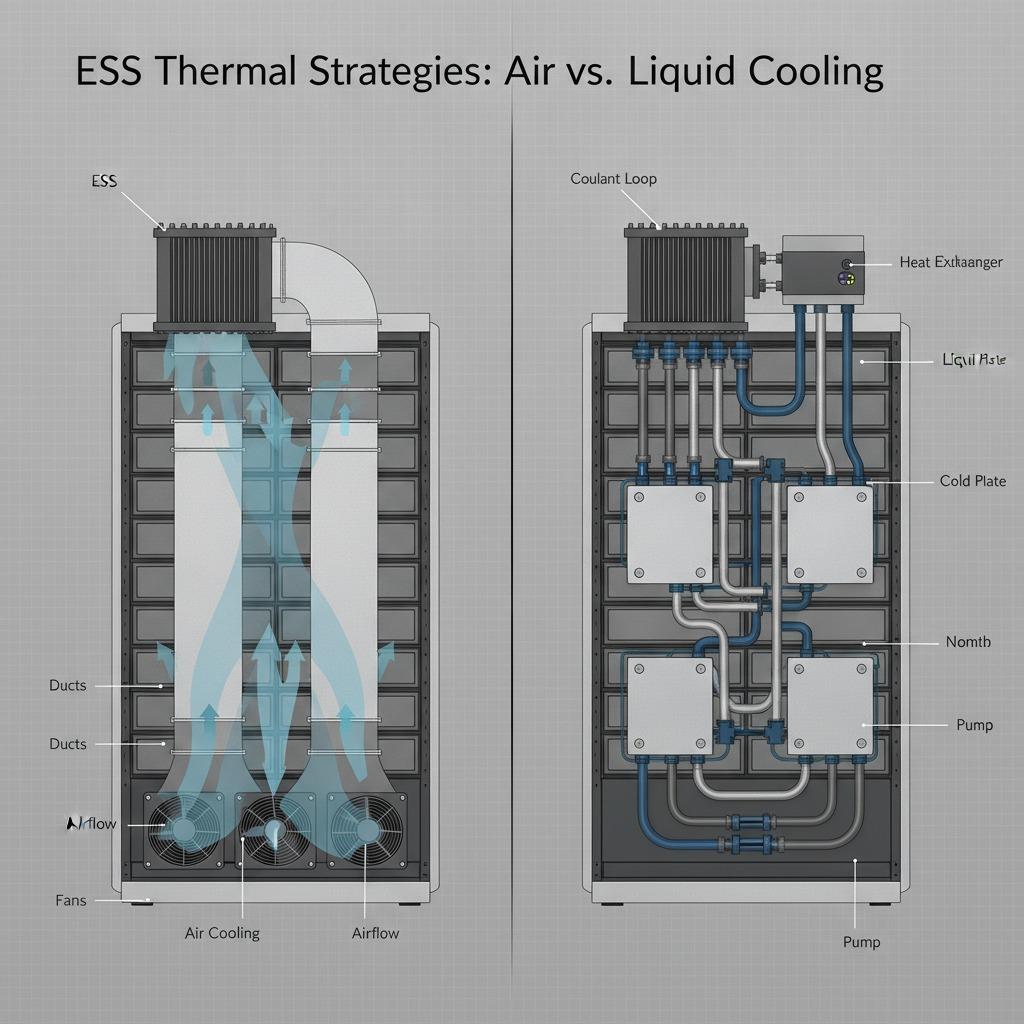
Temperature matters too. Batteries generally perform best within a controlled range, and higher thermal stress can reduce available duration or increase losses. Efficiency is another subtle factor: the longer the battery is asked to hold and deliver energy, the more important parasitic loads and conversion losses become.
Duration versus lifespan: the two are related, but not the same
People often confuse battery storage duration with battery energy storage lifespan. They are connected, but not interchangeable.
Duration is about how long the system can discharge in a given event.
Lifespan is about how many years or cycles the system can keep doing that before degradation becomes a serious problem.
A system can have a generous duration on day one and still age quickly if it is cycled aggressively or operated at high stress. Conversely, a conservative operating profile may preserve lifespan but deliver less daily value than the buyer expected. This is one of those trade-offs that deserves a sober conversation early in procurement, not after the purchase order is signed.
What engineers and sourcing teams should compare
When comparing options, it helps to look beyond the headline duration figure.
Check whether the quoted duration is based on rated power or actual usable output at the site conditions you expect. Ask what assumptions were used for depth of discharge and ambient temperature. Review whether the system is intended for daily cycling, standby use, or intermittent dispatch. And look carefully at how degradation is handled in the sizing model; some proposals quietly assume the battery will perform at full capacity for longer than is realistic.
For industrial and commercial buyers, it is also worth asking how the system behaves as it ages. A battery storage duration claim on paper may be accurate at commissioning, but the value proposition changes if usable energy falls sharply after repeated cycles. That is where lifecycle planning becomes more important than a first-cost comparison.
Common mistakes that create poor duration outcomes
One common mistake is sizing the battery only to meet a peak power target, without checking how long that peak actually lasts. Another is assuming all hours are equal; a battery serving a 15-minute demand spike faces a very different duty cycle than one supporting a 2-hour load shift.
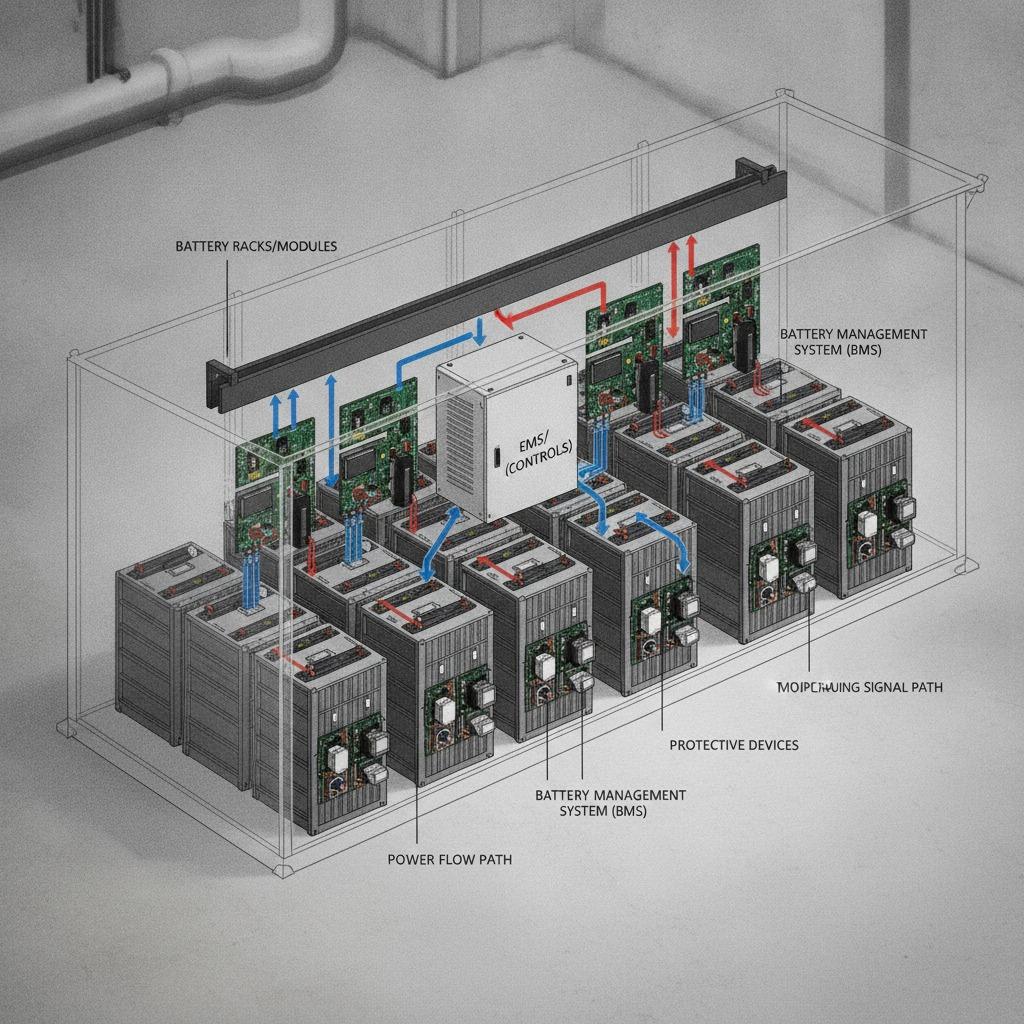
A second mistake is ignoring the control system. Dispatch logic, reserve settings, and thermal management all affect practical duration. In some projects, software decisions matter almost as much as chemistry.
A third mistake is overfitting to one season. Solar-heavy sites, for example, can have attractive summer performance and disappointing winter behavior. If the battery is meant to support a year-round operation, the design should be checked against the worst relevant month, not the most flattering one.
Buyer-facing questions worth asking before you commit
A useful procurement review usually includes a few blunt questions:
What is the usable energy at beginning of life, and what assumptions support that number?
How will battery energy storage lifespan change under the intended cycling pattern?
Is the quoted battery storage duration based on ideal conditions or realistic site conditions?
What happens to delivered duration as the system degrades over time?
How much of the quoted performance depends on cooling, controls, or operating limits that may not be obvious in the brochure?
These are not academic questions. They shape whether the system meets the operational need after installation, not just during acceptance testing.
Practical selection advice for real projects
If the project is backup-oriented, prioritize the actual load profile and the required ride-through time. If it is a cost-optimization project, focus on the duration window that best matches demand charge periods or tariff structure. If it is tied to renewable energy, look at the mismatch between generation timing and consumption timing. In other words, duration should follow the business problem.
It is also smart to leave some design margin. Projects often drift after the initial spec is written. Loads grow, operating hours change, and control strategies get revised. A battery that is sized with no cushion can become awkward very quickly.
That said, more duration is not automatically better. Extra hours add cost and can lower the economic return if the application does not use them. The right answer is usually the shortest duration that still meets the real duty cycle with acceptable degradation headroom.
What this means for your next sourcing decision
If you are comparing storage systems, start by defining the job in operational terms: how much power, for how long, under what conditions, and how often. Then test each proposal against those conditions rather than the brochure headline. Battery storage duration is useful only when it aligns with the site’s actual load pattern and the expected battery energy storage lifespan.
The next step is straightforward: map the load profile, confirm the required discharge window, and ask suppliers to show how their sizing holds up as the system ages. That conversation usually separates a clean technical offer from one that only looks good at the top of the datasheet.