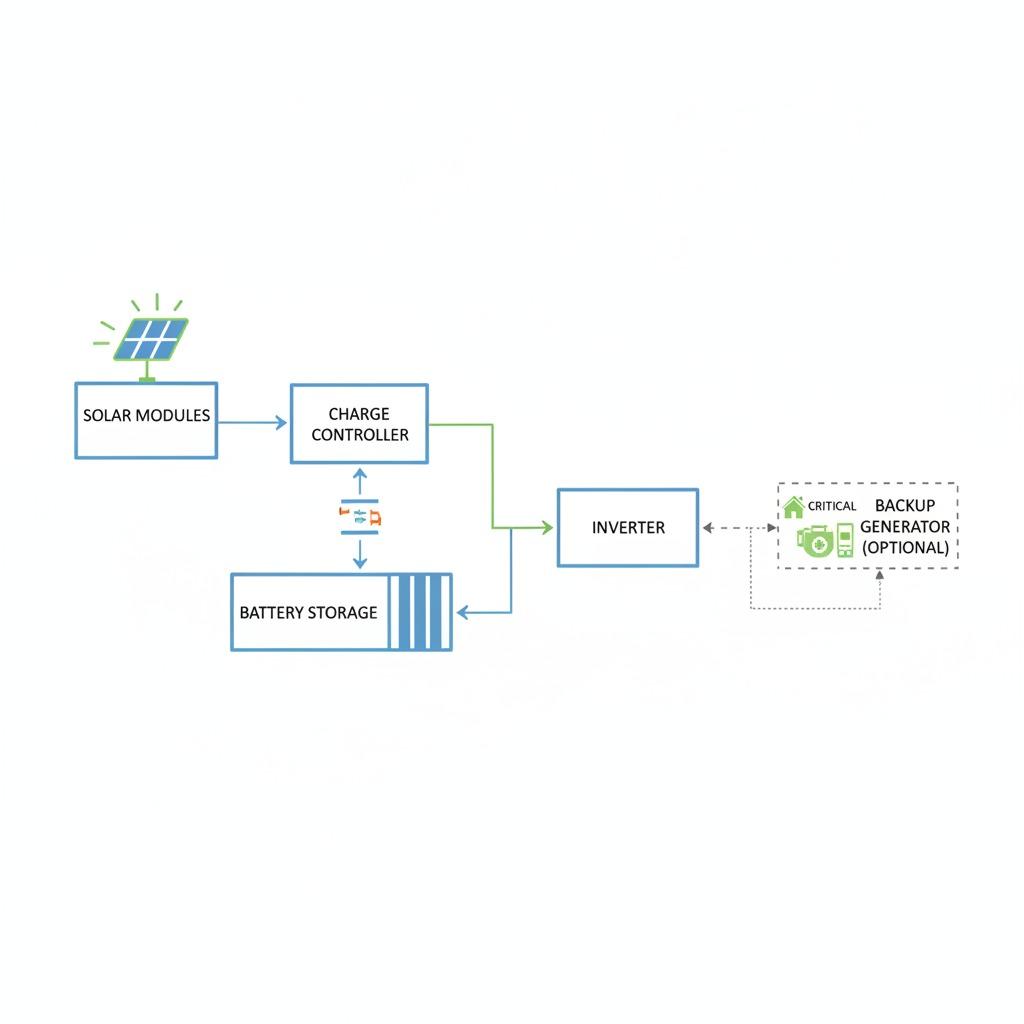


BMS for Battery Safety: What Engineers and Buyers Need to Get Right
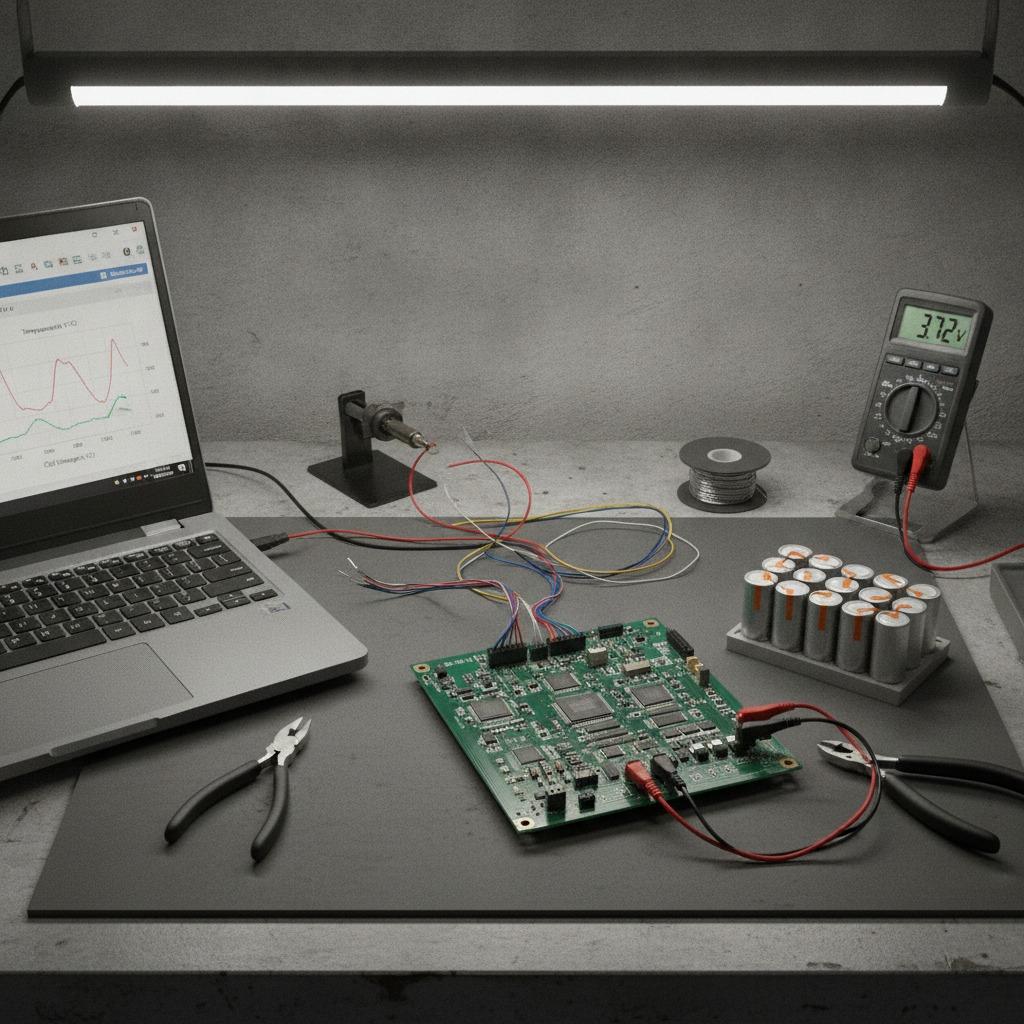
A BMS for battery safety is not just a control board tucked inside a pack. It is the layer that helps keep lithium-ion systems within operating limits, protects the pack from abnormal conditions, and gives engineers the information they need to design something that can survive real-world use. That matters whether the battery is going into a handheld device, a stationary energy system, or an industrial platform that sees vibration, heat, and uneven charging behavior.
The buying decision is rarely about whether a Battery Management System exists. It is about what the system monitors, how quickly it reacts, how it behaves under fault conditions, and whether it matches the chemistry and application. Those are different questions, and in practice they separate a robust design from one that looks fine in a schematic but becomes expensive in the field.
What a BMS actually does
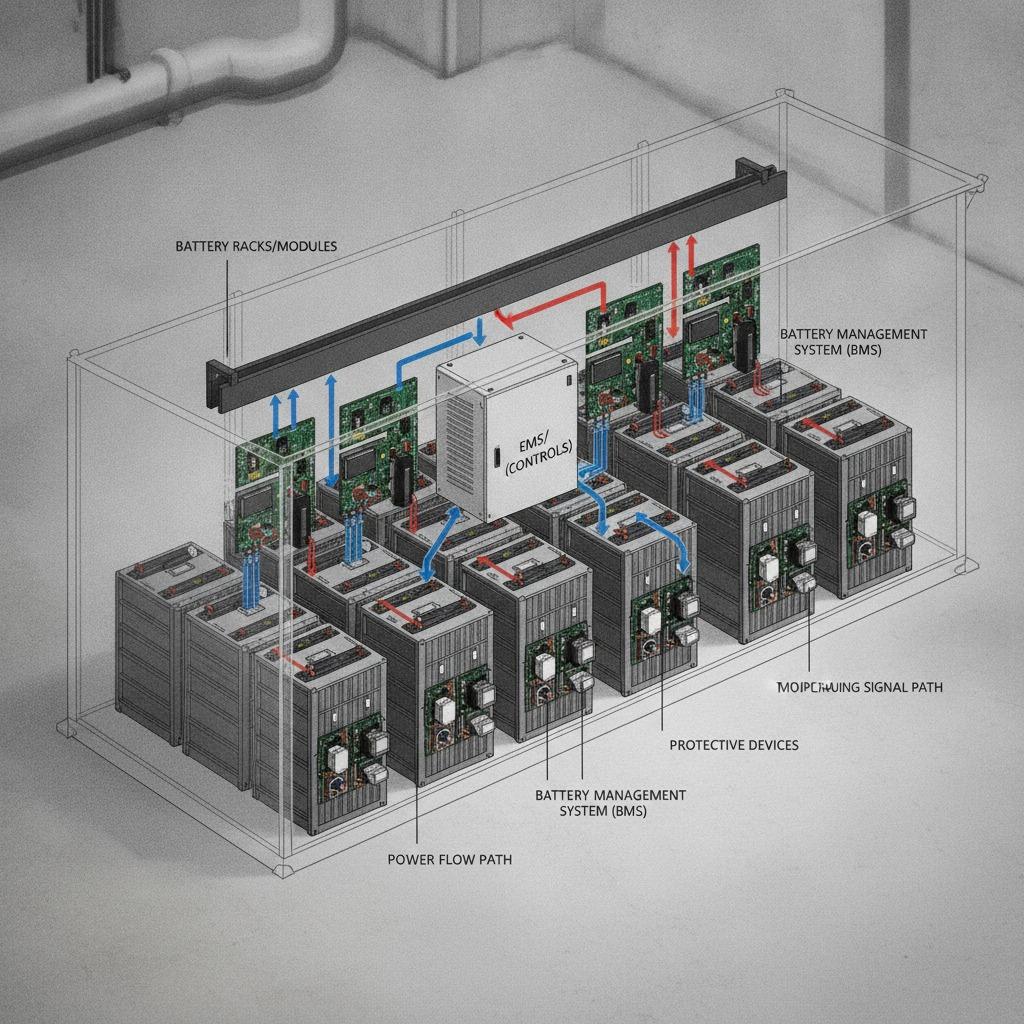
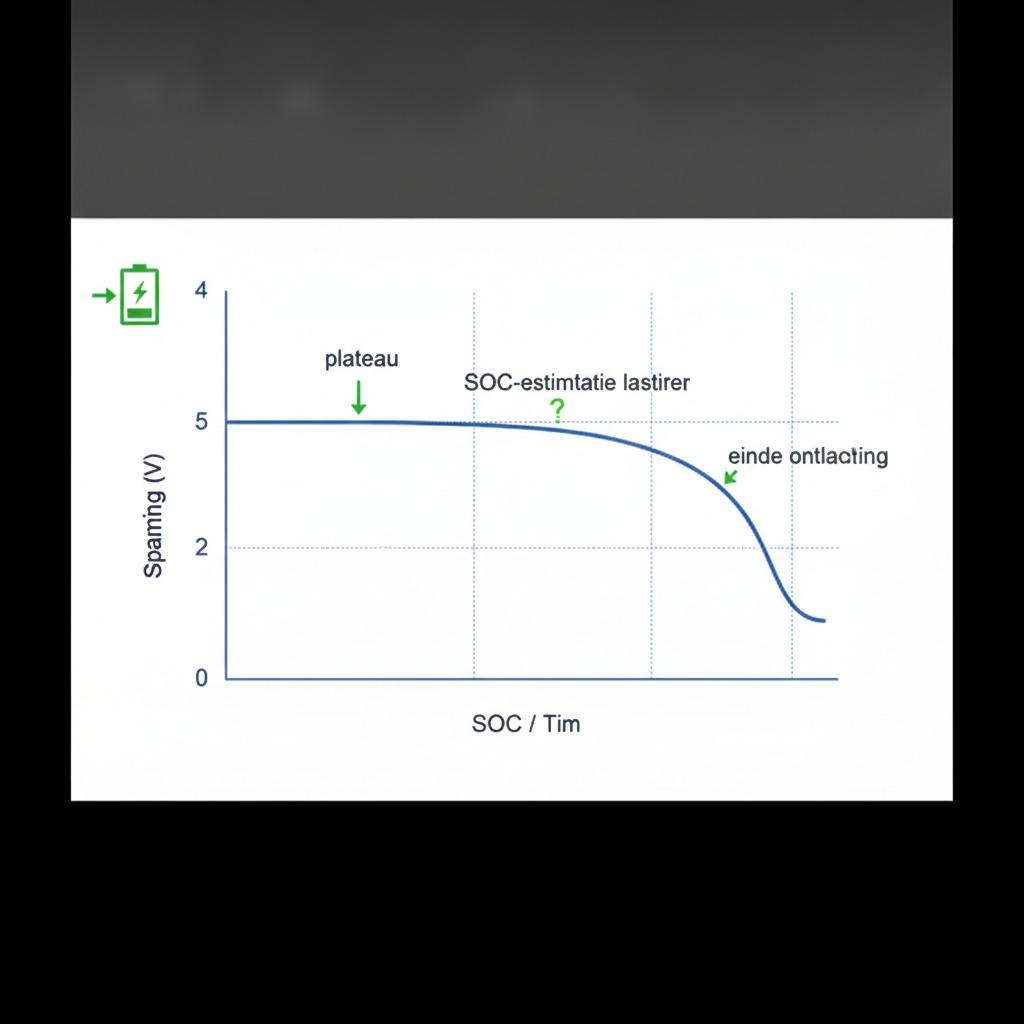
At a basic level, a BMS monitors the pack and intervenes when conditions move outside a safe envelope. Typical functions include cell voltage monitoring, current measurement, temperature sensing, balancing, state-of-charge estimation, and protective shutdown or derating logic. In more advanced systems, it also supports communication with the host controller, data logging, and diagnostics.
For battery safety, the critical point is not simply that these functions exist. It is that they are coordinated. A pack can overheat while individual cell voltages still look acceptable. A cell can drift out of balance gradually long before the system reaches a hard cutoff. A well-designed controller notices those patterns early enough to reduce stress instead of waiting for a fault to become obvious.
That is why engineers often treat the BMS as part safety system, part instrumentation system, and part operating-policy layer. It is also why sourcing managers should ask for more than a feature list.
Why it matters in real manufacturing
Battery incidents are rarely caused by one isolated mistake. More often, they come from a combination of design assumptions, assembly variation, thermal constraints, and use cases that are harsher than the qualification profile. A pack may be safe on a lab bench and still fail when exposed to fast charging, repeated deep cycling, or uneven cell aging.
A BMS for battery safety helps reduce that risk in several ways. It can limit charge and discharge current, prevent operation outside voltage windows, and signal when the pack is getting hotter than expected. It can also catch imbalance between cells, which is a common source of long-term degradation. In industrial products, this is especially important because maintenance intervals are longer and failures are more expensive to diagnose after deployment.
There is a practical caution here: a BMS does not make a poor mechanical or thermal design acceptable. If the pack lacks enough heat dissipation, has weak interconnects, or uses a charger that is too aggressive for the chemistry, the controller can only do so much. Safety is built from the whole system.
Key functions to compare
When teams compare options, the useful question is which functions are essential for the application and which are merely convenient.
Cell voltage monitoring
This is the core of most Battery Management System designs. The controller measures each cell or cell group and looks for overvoltage, undervoltage, and imbalance. Fine-grained monitoring is especially useful in multi-cell packs, where one weak cell can drag the whole pack out of spec.
Current protection
Current sensing supports overcurrent, short-circuit, and sometimes inrush protection. In high-power systems, current behavior often changes quickly enough that response time matters. Slow intervention can allow damage before a cutoff occurs.
Temperature sensing
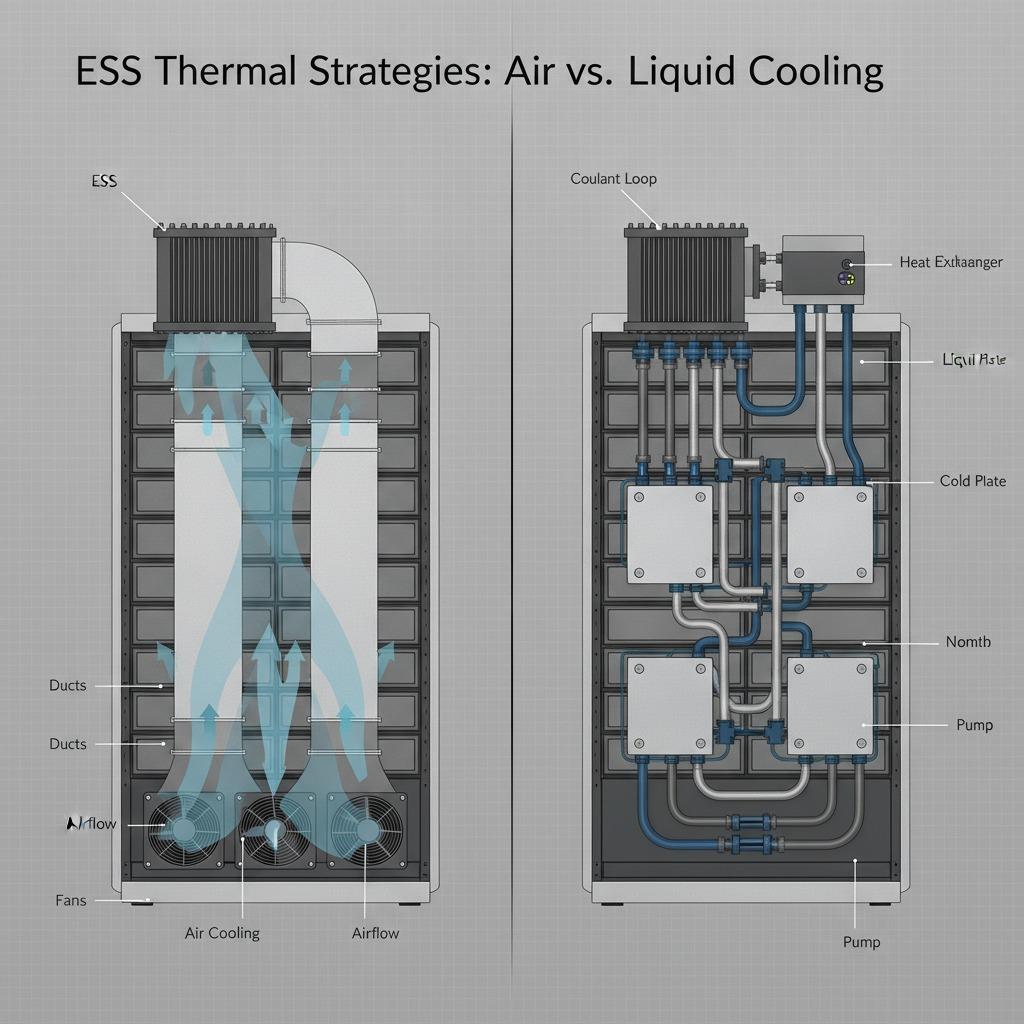
Temperature is not just a comfort metric. It is a safety and lifetime variable. A pack should normally be protected against charging or discharging outside its acceptable thermal window. Multiple sensors are often more informative than a single point measurement, especially in larger assemblies.
Balancing
Balancing helps manage cell-to-cell variation. Without it, one cell can reach upper or lower limits before the others, which reduces usable capacity and can accelerate wear. The right balancing strategy depends on pack size, duty cycle, and cost constraints.
Communication and diagnostics
For connected equipment, the controller often needs to communicate with the host system. That can support better control decisions, fault logging, and service troubleshooting. In industrial settings, those diagnostics can save time during commissioning and maintenance.
Selection criteria that usually matter most
The first selection filter is chemistry. A controller designed for one chemistry or pack topology may not be appropriate for another. The second is operating environment. Temperature range, vibration, humidity, and mechanical constraints all affect how much protection the system needs and how the electronics should be packaged.
Pack architecture matters as well. A small consumer pack and a large industrial module may both need protection, but the balance between cost, visibility, and fault handling is different. Engineers should also look closely at whether the pack needs passive or active balancing, whether the application needs simple cutoff behavior or more detailed telemetry, and how the BMS interfaces with chargers, inverters, or embedded controllers.
There is also a procurement issue that gets overlooked: the best controller on paper is not useful if it complicates assembly or validation. Teams should ask how the wiring, sensing, and calibration steps will be handled on the line. The cleaner the integration, the less room there is for assembly variation.
Common mistakes buyers make
One common mistake is assuming that overvoltage and undervoltage protection alone is enough. It is not. Temperature excursions, imbalance, and current faults can be just as damaging, sometimes more so over time.
Another mistake is over-specifying features that the application does not need, then paying for complexity that adds little value. A compact device may not need the same telemetry stack as an energy-storage cabinet. On the other hand, under-specifying safety features can leave the pack vulnerable in conditions that were entirely predictable.
A third mistake is ignoring the charger and the host system. The BMS is part of a control chain. If the charger profile is wrong, or if the host ignores fault signals, the best pack protection logic still has to work harder than it should.
What a practical buyer should ask suppliers
Before choosing a BMS for battery safety, buyers should ask for the pack topology it supports, the monitoring points included, the protective thresholds that can be configured, and the expected behavior on fault. They should also ask how balancing is handled, what communication options exist, and how the system is validated for the intended use case.
If the application is industrial or otherwise mission-sensitive, ask about serviceability too. Can faults be diagnosed without tearing the whole pack apart? Can the system report historical events? Can assembly variation be detected before shipment? Those questions are not glamorous, but they matter in the field.
It is also worth asking how the design handles edge cases such as storage for long periods, partial charging, or intermittent load cycling. Those are exactly the conditions that reveal whether the protection logic is practical or just theoretical.
Frequently asked questions
Is a BMS the same as a protection circuit?
Not exactly. A protection circuit may only handle basic cutoff functions. A BMS generally includes monitoring, control, and often communication or balancing functions as well.
Does every lithium battery need the same level of BMS?
No. The needed level depends on chemistry, pack size, energy density, operating conditions, and how the battery will be charged and discharged.
Can a BMS prevent all battery failures?
No. It reduces risk and improves control, but it cannot fully compensate for poor thermal design, damaged cells, bad assembly, or incompatible charging equipment.
Next step for engineering and sourcing teams
The right approach is to define the pack’s real operating profile first, then choose the controller around that profile. Start with chemistry, voltage range, current demand, thermal constraints, and the kind of fault visibility the product needs. From there, compare candidates on monitoring accuracy, balancing approach, communication, and integration effort rather than on headline features alone.
For teams building battery-powered products, the value of a BMS for battery safety is not abstract. It shows up in fewer surprises during validation, cleaner behavior in the field, and a better chance that the battery system will age predictably instead of becoming a support problem later.