
What a commercial energy storage system is really buying you
A commercial energy storage system is not just a bigger battery. For most buyers, it is a control asset: something that changes when and how electricity is used, stored, or sold. That distinction matters because the business case is rarely about one single feature. It may be about peak shaving on a site with ugly demand charges, backup power for processes that hate interruption, or a way to hold onto midday solar and use it when prices or loads rise later in the day.
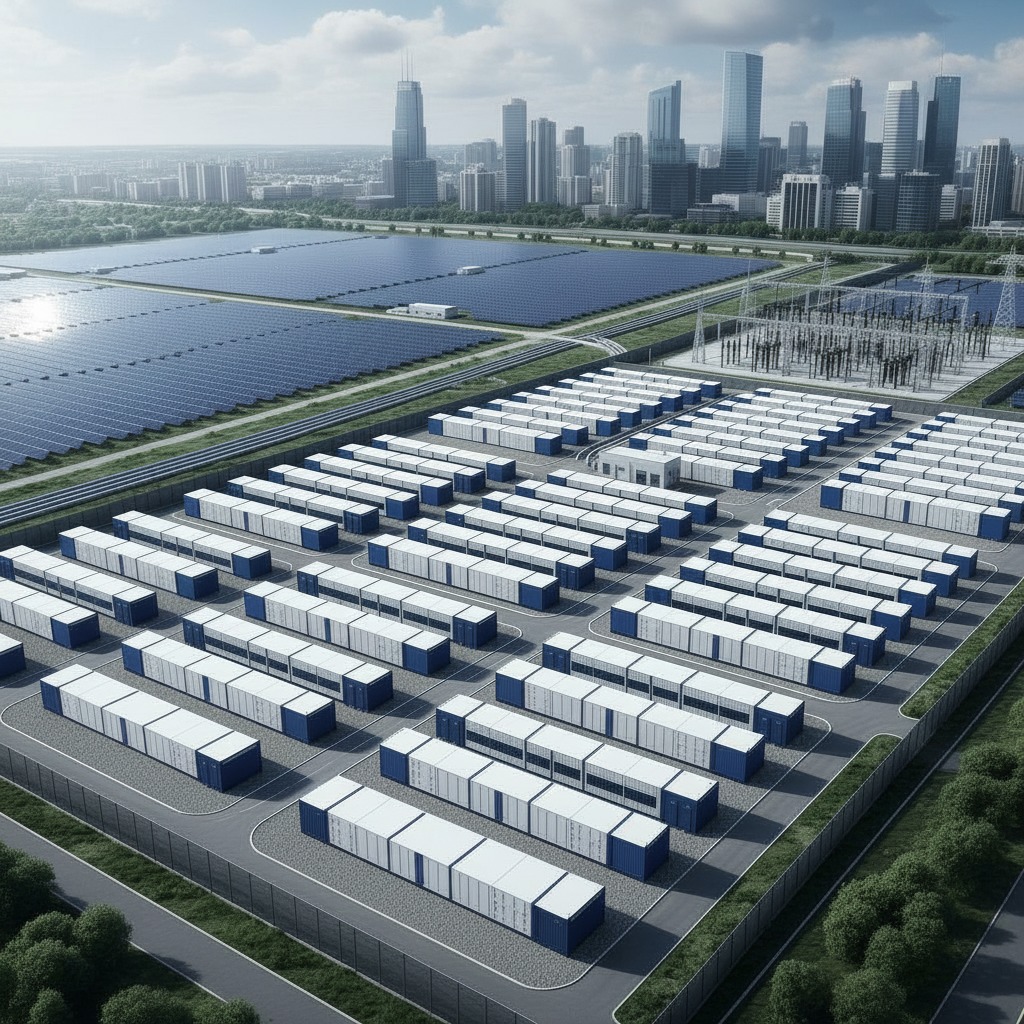
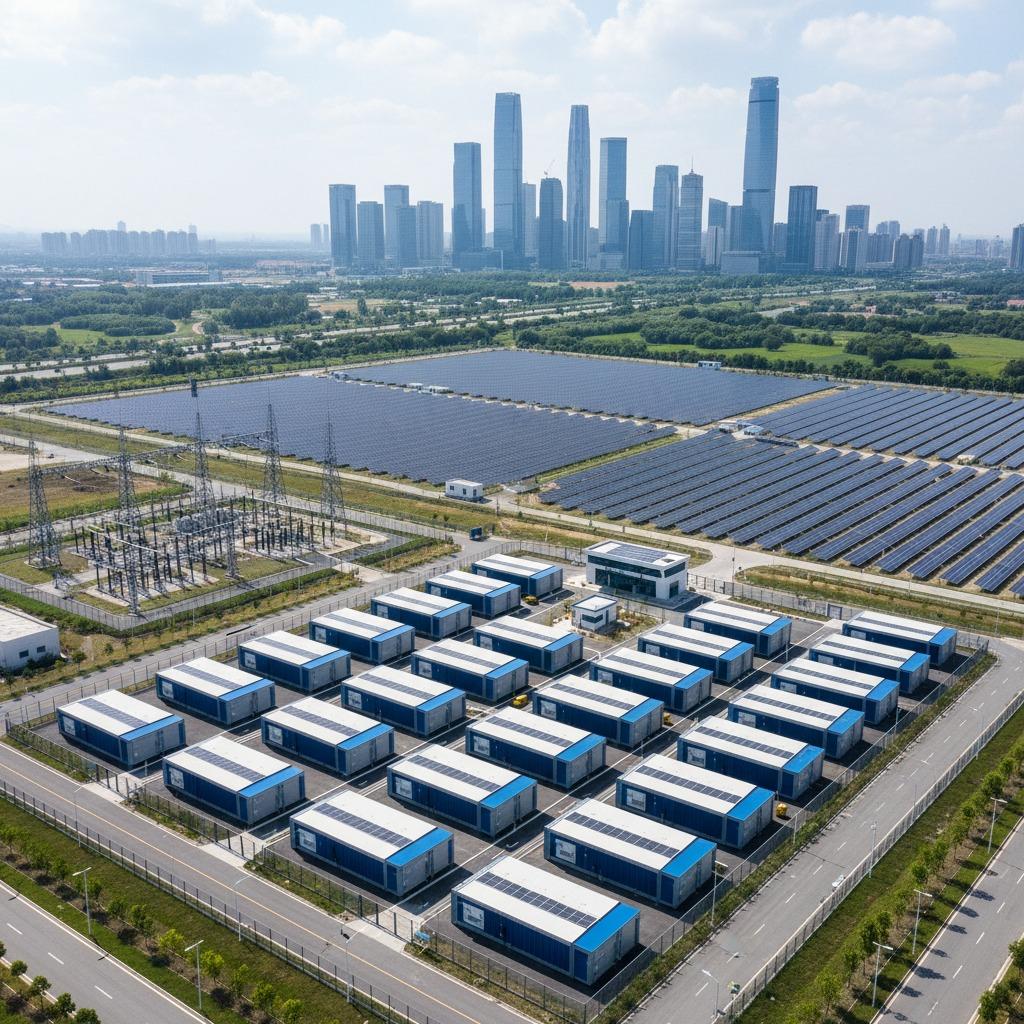
What you can see in a containerized battery energy storage system says a lot about how the market has evolved. These outdoor, modular units are usually arranged in rows, tied into switchgear or a substation, and installed like infrastructure rather than appliances. For engineers, sourcing managers, and project teams, the real question is not whether the system stores energy. It is whether the architecture, controls, and site integration will actually fit the load profile, the available footprint, and the commercial model.
Why buyers keep coming back to commercial battery storage
The interest in commercial battery storage is driven by a few stubborn realities. Power prices move. Demand charges punish sharp load peaks. Renewable generation does not always line up with consumption. And many sites, especially industrial ones, cannot afford long downtime.
A well-designed system can help with several of those problems at once:
It can shift energy from low-cost hours to high-cost hours.
It can smooth solar output and reduce curtailment on mixed-generation sites.
It can provide short-term backup during grid disturbances.
It can support frequency regulation or other grid services where markets allow.
That flexibility is valuable, but it comes with trade-offs. The more functions you expect from one installation, the more important the controls, interconnection design, and operating strategy become. A system optimized for one use case may look very different from an industrial energy storage solution built to support multiple dispatch modes through the day.
What containerized systems are telling the industry
The image of containerized battery storage is now familiar for a reason. Standardized enclosures make large projects easier to deploy and expand. Instead of treating storage as a one-off mechanical room build, owners can add capacity in blocks and place those blocks close to electrical infrastructure.
That modularity has practical advantages:
It simplifies layout planning on greenfield or retrofit sites.
It can reduce field work compared with fully custom enclosures.
It supports staged expansion, which matters when budgets or demand forecasts are uncertain.
It makes maintenance planning more orderly, at least in theory.
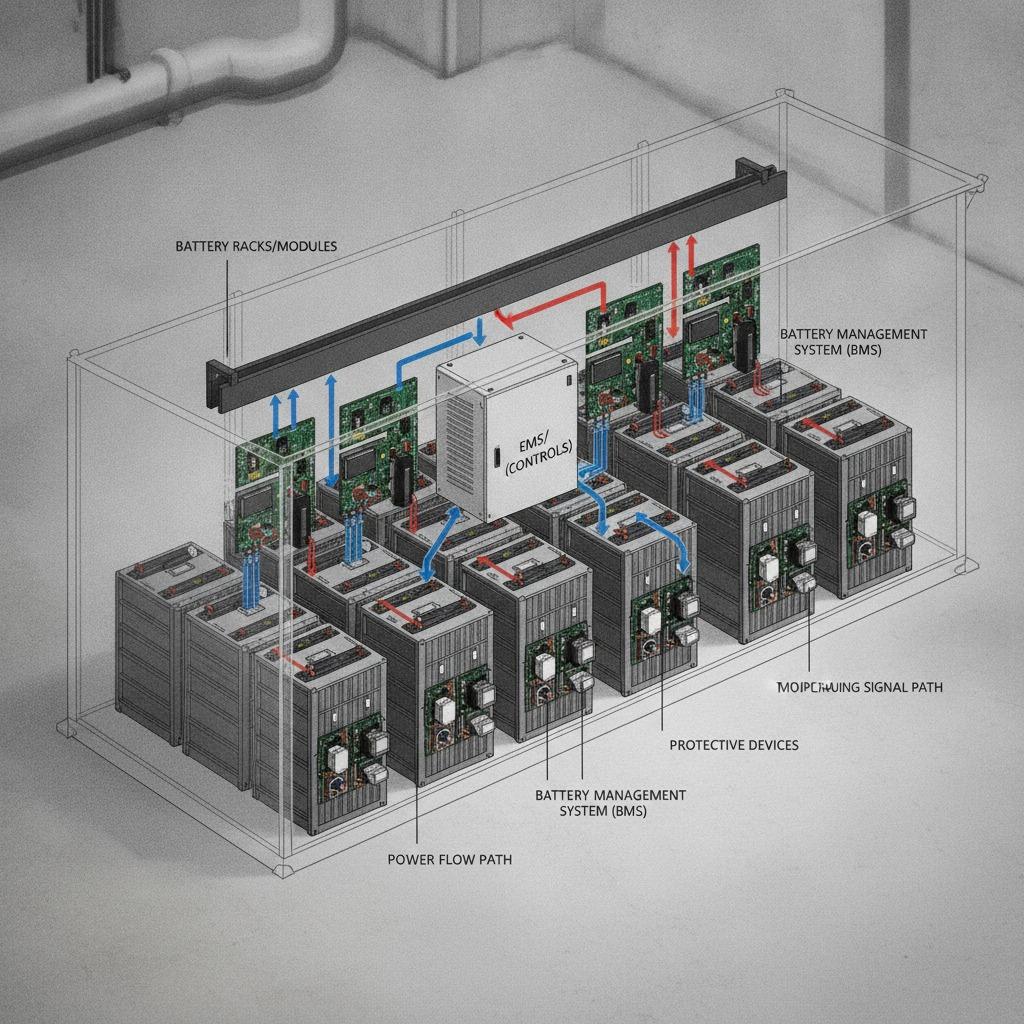
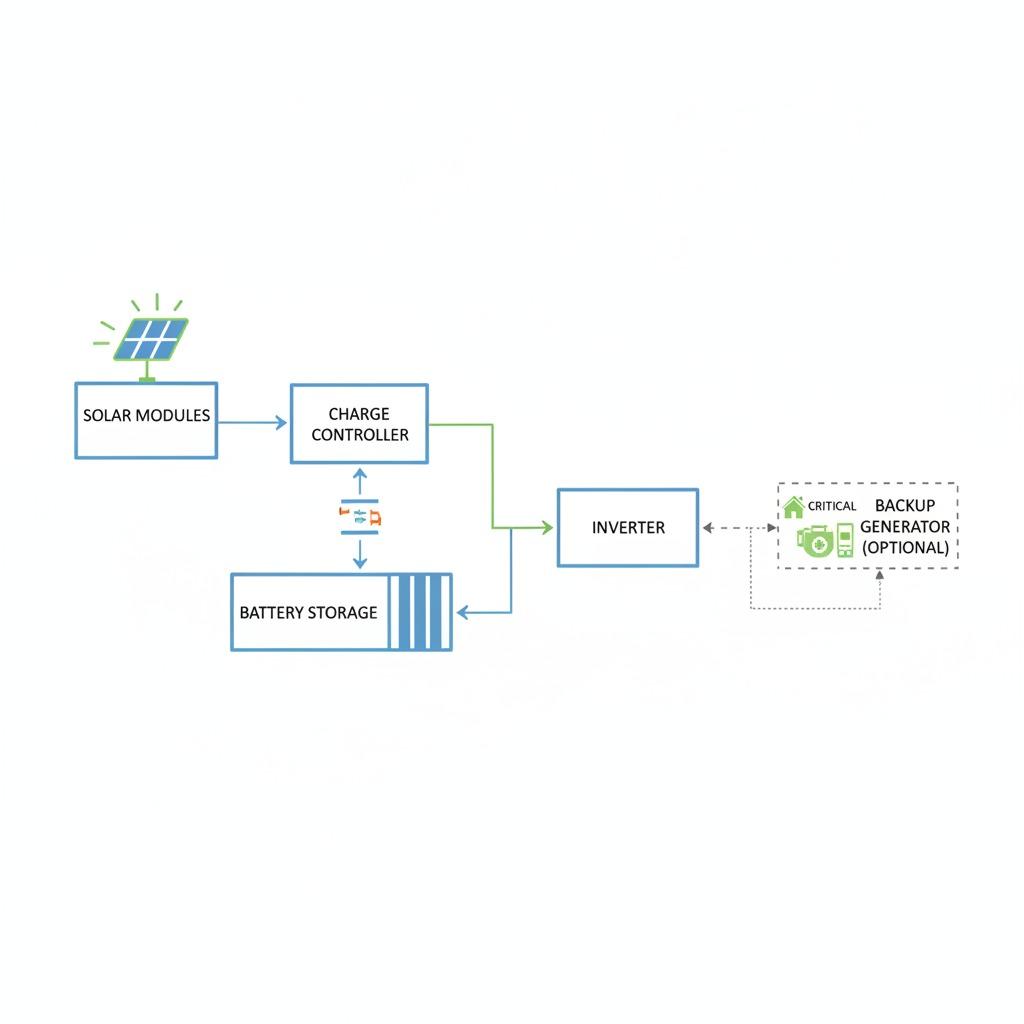
Still, containerized does not mean simple. The outer shell is only the visible part. Behind it sit batteries, thermal management, inverters or power electronics, controls, protection devices, cabling, and usually a site-level energy management system. Buyers who focus only on the container form factor can miss the parts that determine uptime and operating cost.
How to judge the right use case before you compare suppliers
The fastest way to waste time is to ask vendors for quotes before you have defined the job. Storage projects fail in procurement more often than they fail in chemistry discussions. Start with the operating requirement.
Peak shaving
If your main problem is demand charges, size the system around the load peaks you actually want to shave, not the maximum theoretical peak on a one-day utility graph. Many buyers oversize based on one alarming interval and then discover they are paying for capacity they rarely use.
Backup power
If the system must ride through outages, the question becomes runtime, critical-load segmentation, and transfer behavior. Backup power for a process line is not the same as backup for office lighting, and the control philosophy should reflect that difference.
Renewable integration
For solar-plus-storage or wind-plus-storage projects, dispatch logic matters as much as hardware. The battery must charge when generation is available and discharge when the grid or site needs it. That sounds obvious, but real operating windows can be messy, especially when export limits or interconnection rules constrain what the site can do.
Grid support
If the system is meant for frequency regulation or other grid services, response speed, telemetry, and availability become central. In those cases, the site is not just an asset behind the meter. It is part of a larger operating ecosystem, and the commercial terms should match that reality.
Key technical questions buyers should ask early
There are a few questions that should be answered before a project turns into a procurement exercise.
What is the actual duty cycle? A system that cycles once a day is in a very different life category from one that is frequently dispatched.
How much usable energy is required, not just nameplate energy? The useful window depends on operating rules and reserve margins.
What power rating is needed, and for how long? Power and duration are not interchangeable, even though some brochures make them sound that way.
How will the system be controlled? Local control, remote dispatch, and integration with a site EMS are not optional details.
What are the site constraints? Footprint, access roads, fire setbacks, cable routing, and transformer placement can make or break a layout.
What protection and monitoring are included? Buyers should ask how alarms are handled, how faults are isolated, and what happens if communications fail.
Those are not glamorous questions, but they are the ones that protect the budget.
Commercial battery storage versus a broader industrial energy storage solution
The phrase commercial battery storage often describes the product category: battery-based storage for business or utility-adjacent use. An industrial energy storage solution is broader. It usually implies the system has been shaped around a site’s production process, electrical architecture, and operational risk.
That broader scope can include:
Integration with generators, solar arrays, or existing switchgear.
Coordination with building management or plant control systems.
Operational logic that respects process continuity.
Containerized or skid-based deployment depending on site conditions.
For an industrial buyer, this is more than terminology. A site with high motor starting loads, sensitive automation, or variable production schedules needs a storage strategy that understands the process, not just the utility bill.
Common mistakes that show up in real projects
One common mistake is buying on headline capacity alone. A big MWh number looks impressive, but it may not map to your load curve.
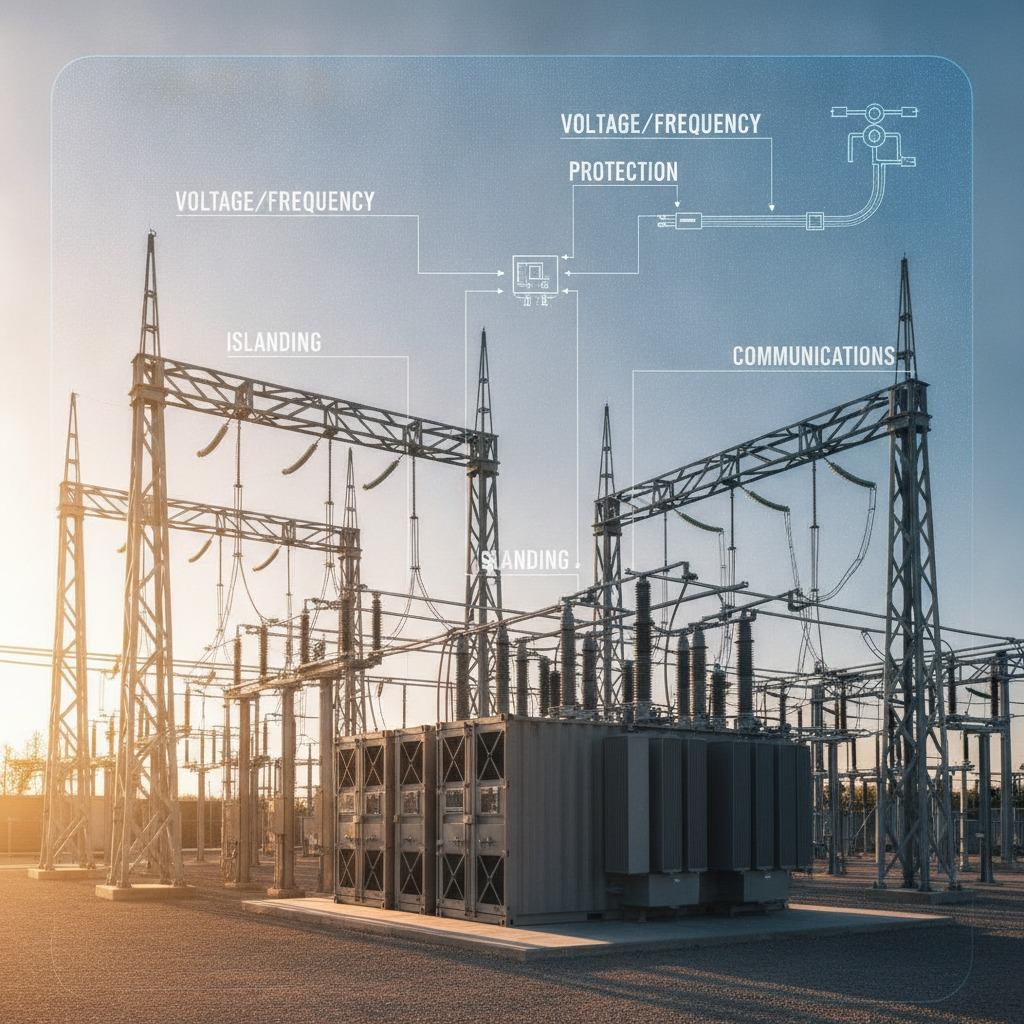
Another is underestimating interconnection work. The battery may be modular, but the electrical tie-in is rarely trivial. Substation upgrades, protection studies, and permitting can all stretch the schedule.
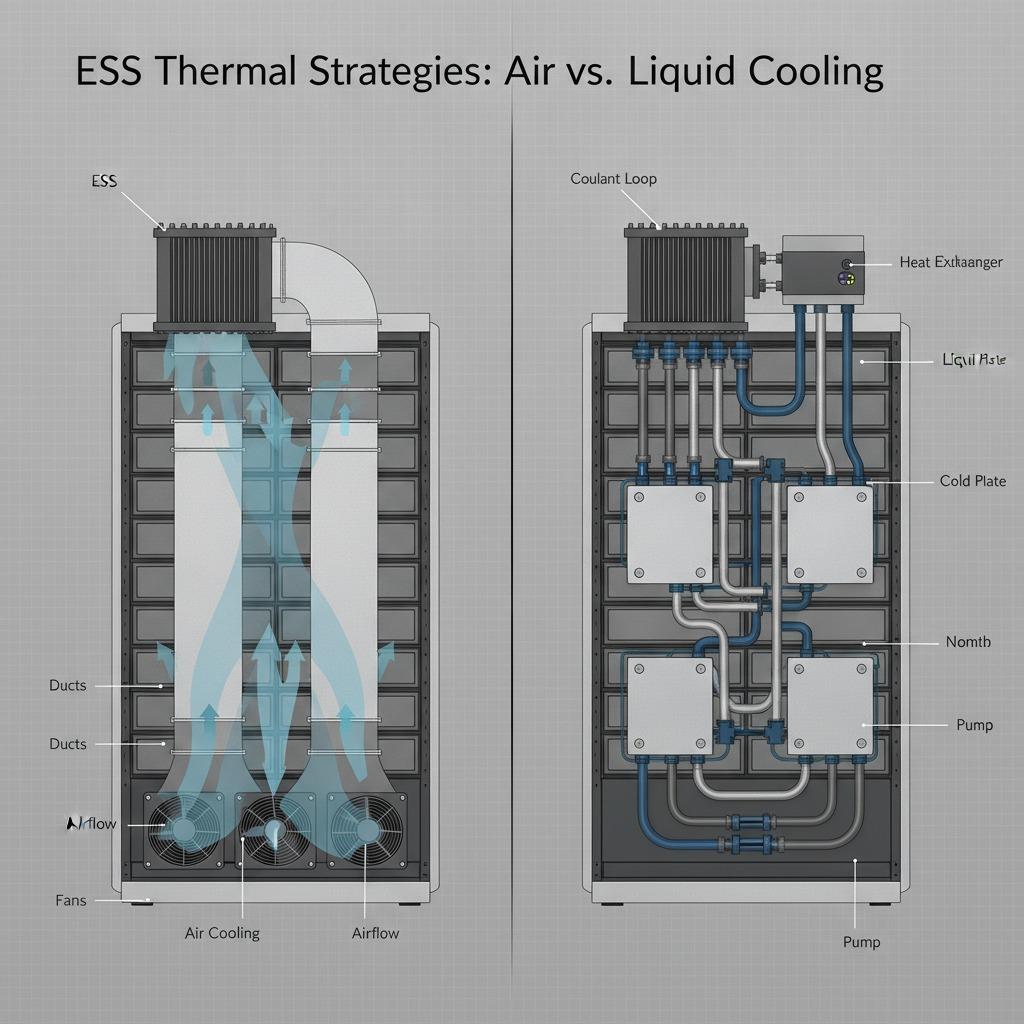
A third mistake is treating thermal and environmental design as a minor detail. Outdoor systems sit through heat, cold, dust, moisture, and sometimes poor maintenance access. If the enclosure strategy is weak, the performance story weakens with it.
And then there is the operational blind spot: no one defines who actually dispatches the system. That sounds administrative, but it is often where value leaks away. A storage asset that nobody actively manages tends to underperform.
What the layout of a large site suggests about deployment strategy
A fenced outdoor compound with rows of containerized units suggests a scaled, repeatable deployment model. That is useful when a buyer wants to add capacity without reinventing the site every time. It also suggests the project likely depends on close coordination with electrical infrastructure nearby, since the energy has to move in and out efficiently and safely.
For utility operators and renewable developers, that arrangement can make sense because it supports large-scale energy shifting and grid services. For industrial users, it may point to a more serious capital project than a simple behind-the-meter battery cabinet. In other words, the physical layout is often a clue about the commercial ambition of the system.
Buyer-facing advice before you issue an RFQ
If you are preparing a request for quotation, do not lead with only price and total energy. Ask suppliers to respond to the operating profile, the site conditions, and the control requirements.
A useful RFQ usually clarifies:
The application priority: peak shaving, backup, solar shifting, grid services, or mixed use.
The required power and duration window.
The expected daily or weekly cycling pattern.
The available footprint and access constraints.
The interconnection voltage and any transformer or switchgear assumptions.
The monitoring, service, and warranty boundaries.
It is also worth asking what is excluded. With storage projects, exclusions can be more important than the headline scope. A quote that looks economical may quietly leave out civil works, protection studies, telecoms, commissioning support, or long-term service obligations.
FAQ for first-time storage buyers
Is a containerized system always the best choice?
Not always. Containerized designs are common because they are modular and easier to deploy, but the best choice depends on the site, the required capacity, and the operating environment.
Can one system handle both backup and demand management?
Sometimes, yes, but the control strategy has to be designed for both. Otherwise the backup reserve gets used when it should have been held back.
What matters more, power or energy?
Both matter, but for different reasons. Power determines what the system can deliver at once. Energy determines how long it can keep doing it.
How much does site integration matter?
A great deal. In many projects, the site work and electrical integration are more decisive than the battery modules themselves.
Where the next project decision usually lands
Most teams end up choosing between a fully standard modular package and a more tailored deployment that better fits the plant, substation, or renewable asset. The right answer depends on the duty cycle, the interconnection point, and how much operational control the owner wants to keep in-house.
If your team is evaluating a commercial energy storage system, the smartest next step is to define the operating problem in plain electrical terms: load profile, duty cycle, reserve requirement, and site limits. Once that is clear, supplier comparisons become much more honest, and the system itself has a better chance of paying for what it was bought to do.