
Understanding OPzV Battery Specifications: A Comprehensive Guide
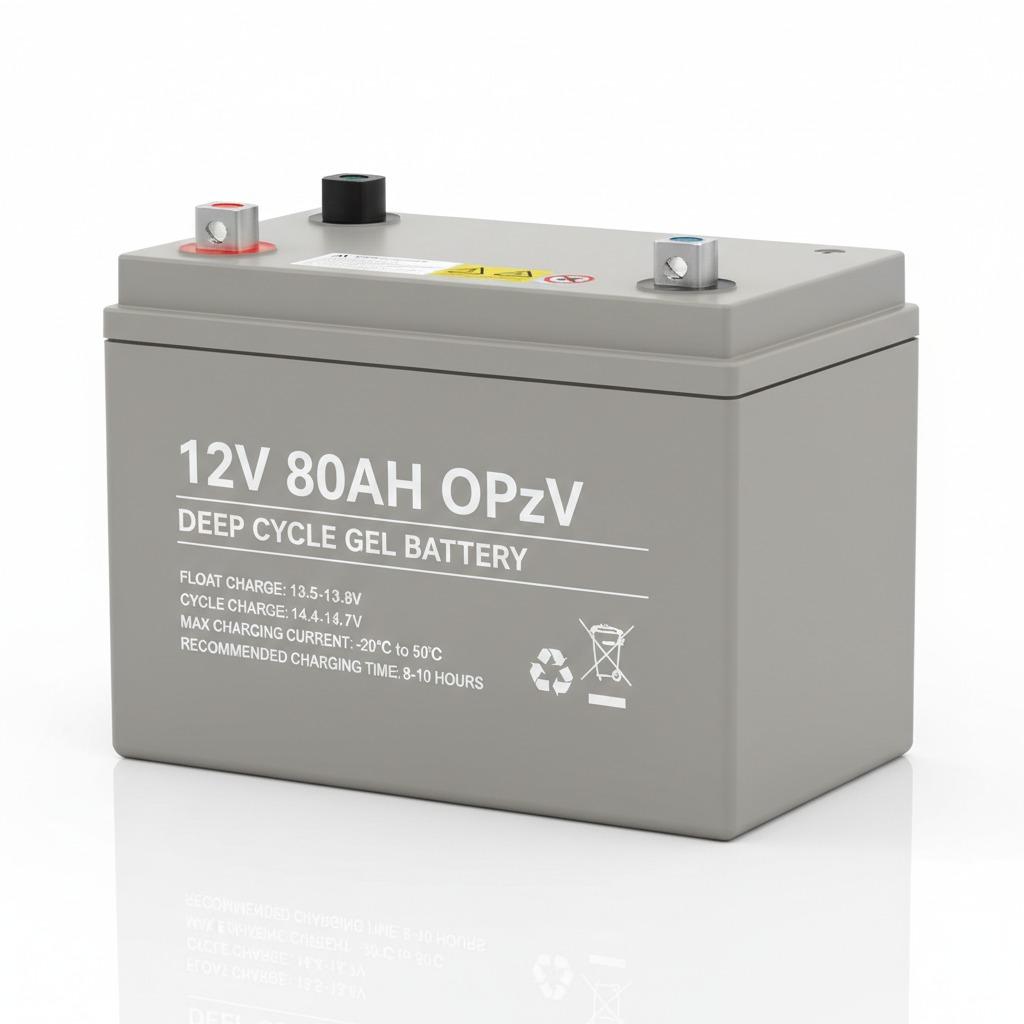
OPzV battery specifications are essential for anyone looking to invest in reliable, long-lasting energy storage solutions. These valve-regulated lead-acid batteries, often used in solar, telecom, and backup power systems, offer superior performance through their gel electrolyte and tubular plate design. At Yangzhou Bright Solar Solutions Co., Ltd., we pride ourselves on engineering products like our 12V 80AH OPzV Battery that meet the highest standards of efficiency and durability. This guide delves into the key specifications, helping you understand why OPzV batteries are a top choice for sustainable energy needs.
Key Electrical Specifications of OPzV Batteries
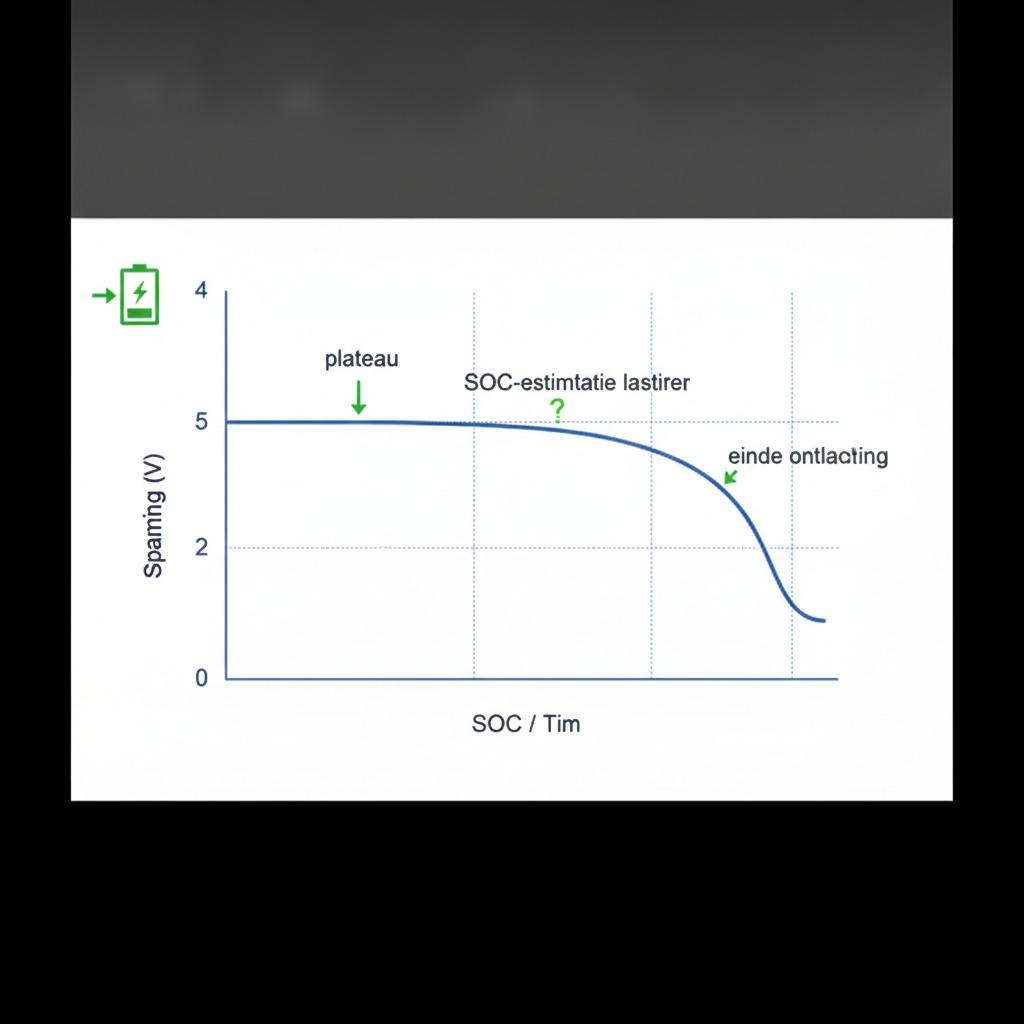
When examining OPzV battery specifications, the electrical parameters stand out as the foundation of their performance. Our 12V 80AH OPzV Battery, for instance, operates at a nominal voltage of 12 volts, providing a robust capacity of 80 ampere-hours at the C20 rate. This means it can deliver 80 amps for 20 hours under ideal conditions, making it suitable for applications requiring steady power output. The float charge voltage range is precisely set between 13.20V and 13.64V, which ensures the battery maintains its charge without overcharging during prolonged use. For cyclic applications, the average charge voltage spans 13.80V to 14.40V, optimizing energy absorption while minimizing water loss—a common issue in traditional flooded batteries.
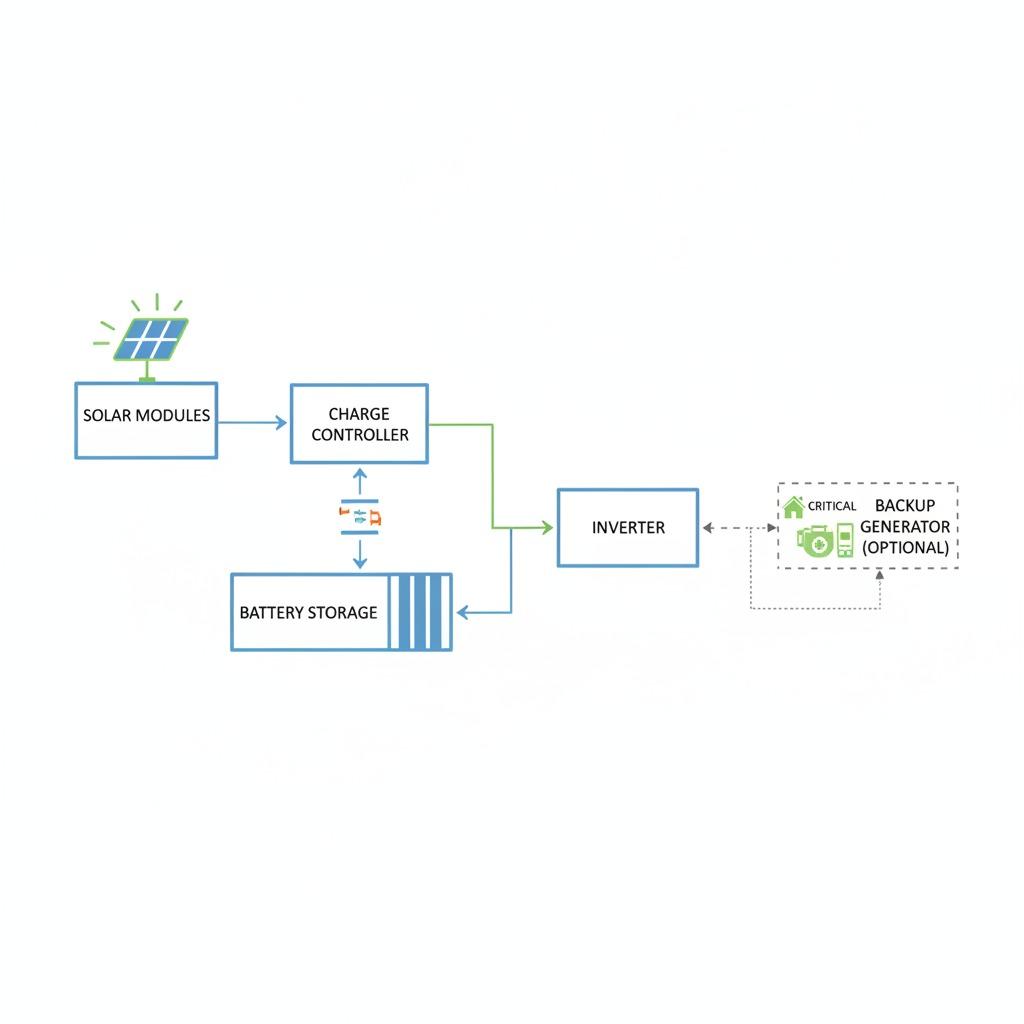
The maximum charging current of 20A further highlights the battery's versatility. This specification allows for efficient recharging without stressing the internal components, supporting systems like off-grid solar setups where quick recovery is crucial. OPzV battery specifications also emphasize low self-discharge rates, typically under 3% per month at 25°C, ensuring the battery remains ready even during periods of inactivity. These features, backed by our commitment at Yangzhou Bright Solar Solutions Co., Ltd. to quality-first manufacturing, make the 12V 80AH model ideal for residential energy storage, where reliability translates to peace of mind.
Temperature and Environmental Resilience
OPzV battery specifications extend beyond electrical traits to include impressive environmental tolerances. Designed for real-world challenges, our 12V 80AH OPzV Battery functions effectively in temperatures from -20°C to 65°C. This wide range accommodates diverse climates, from cold winters in northern regions to scorching summers in arid zones, without compromising performance. The valve-regulated sealed design prevents electrolyte leakage, enhancing safety and longevity in varying conditions.
In practical terms, this resilience means the battery can support industrial micro-grids in harsh environments or provide backup power in commercial settings prone to temperature fluctuations. At BR Solar, as Yangzhou Bright Solar Solutions Co., Ltd. is known, we integrate advanced materials to achieve this durability, aligning with our mission to deliver clean energy solutions globally. Statistics from industry reports indicate that OPzV batteries with such specifications can achieve cycle lives exceeding 1,500 cycles at 50% depth of discharge, far surpassing standard lead-acid alternatives. This not only reduces replacement costs but also supports sustainable practices by extending product lifespans.
Charging and Maintenance Advantages
One of the standout aspects of OPzV battery specifications is the emphasis on user-friendly charging protocols. The recommended charging time for our 12V 80AH model is less than 15 hours to reach full capacity from a deeply discharged state, facilitated by the gel technology that allows for faster ion movement. This efficiency is particularly beneficial in solar applications, where intermittent sunlight demands batteries that recharge quickly during peak hours.
Maintenance is another key specification advantage; being valve-regulated and sealed, these batteries require no regular watering or equalization charges, reducing operational downtime. Yangzhou Bright Solar Solutions Co., Ltd. engineers these units with immobilized electrolyte, preventing stratification and ensuring consistent performance over years. For users in over 150 countries relying on our one-stop energy solutions, this translates to lower total ownership costs—studies show OPzV batteries can cut maintenance expenses by up to 70% compared to flooded types.
Design and Application Versatility
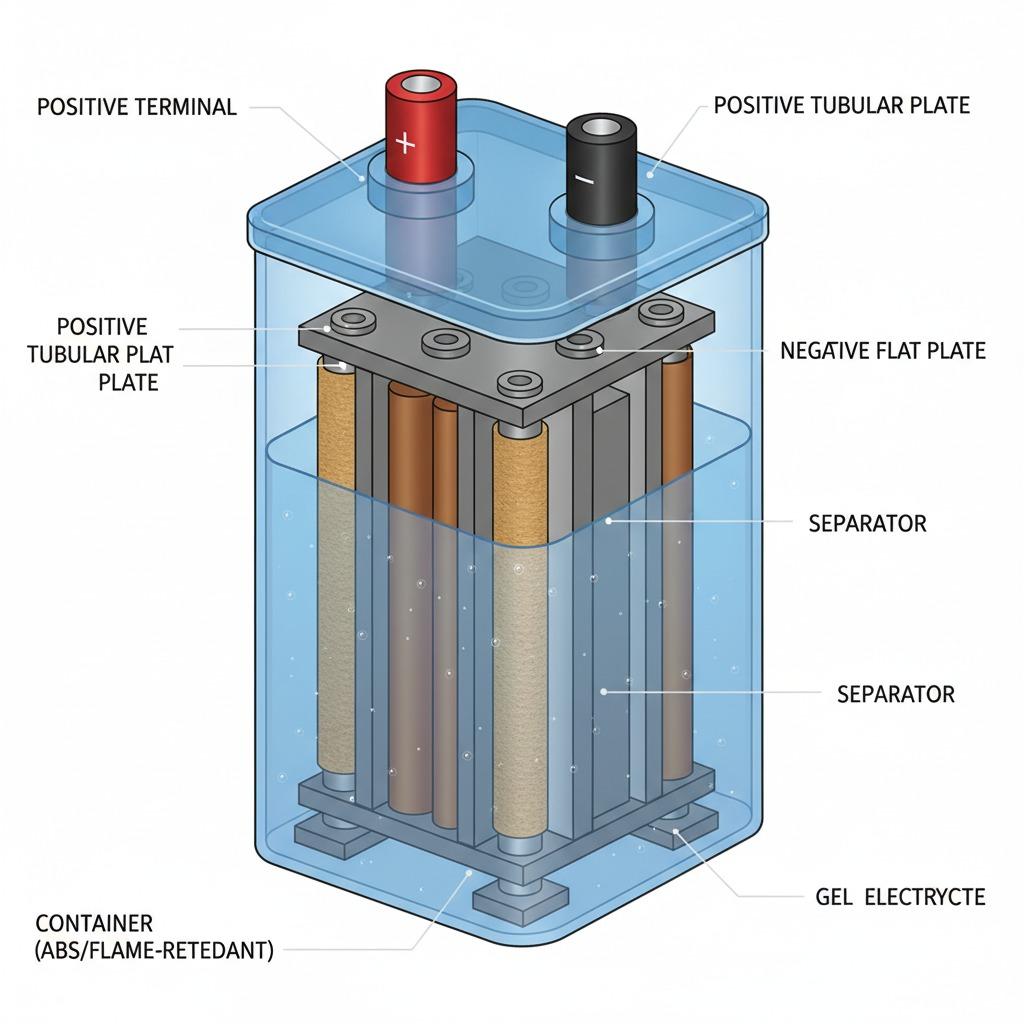
Delving deeper into OPzV battery specifications, the physical design plays a pivotal role in their applicability. Our 12V 80AH OPzV Battery features a tubular positive plate construction, which enhances resistance to sulfation and deep discharges, common in demanding scenarios like uninterruptible power supplies (UPS) for telecom towers. The battery's dimensions and weight are optimized for easy integration into various systems, with a sturdy ABS or flame-retardant casing that meets international safety standards like UL and CE.
This versatility shines in applications from residential solar storage to large-scale industrial setups. At BR Solar, we focus on photovoltaic integration, where OPzV battery specifications align seamlessly with our smart micro-grid systems. For example, the battery's high-temperature performance ensures stable output in hot climates, while its vibration resistance—up to 5G—makes it suitable for mobile or remote installations. Insights from global energy transitions reveal that such specifications contribute to reducing carbon footprints, as efficient batteries maximize renewable energy utilization.
Why Choose Our OPzV Battery for Your Energy Needs
In summary, OPzV battery specifications represent a blend of innovation and reliability that powers the future of clean energy. The 12V 80AH model from Yangzhou Bright Solar Solutions Co., Ltd. exemplifies this with its precise voltage ranges, robust charging capabilities, and environmental adaptability. As a national high-tech enterprise, BR Solar's dedication to "Quality First, Global Service" ensures our products drive the energy transition in homes, businesses, and beyond.
Whether you're setting up a solar array or fortifying backup systems, understanding these specifications empowers informed decisions. With extensive expertise in photovoltaics and energy storage, we invite you to explore how our OPzV solutions can elevate your energy independence. Contact Yangzhou Bright Solar Solutions Co., Ltd. today to learn more about integrating these high-performance batteries into your projects.