
Why an energy storage management system matters before the hardware does
An energy storage management system is the part of a battery storage project that often decides whether the asset behaves like a useful power tool or an expensive box of cells. The hardware gets the attention first: the container, the battery racks, the inverter or PCS cabinet, the visible ventilation hardware. But once a system is installed, what matters is how the batteries are monitored, protected, balanced, dispatched, and kept within operating limits. That is where the control layer earns its keep.
For engineers, sourcing managers, and product teams, this is not a minor detail. A containerized battery storage system can look straightforward from the outside and still be difficult to integrate if the controls are weak, the data interfaces are awkward, or the thermal and electrical supervision is not coordinated. A good EMS for energy storage helps the site respond to peak demand, shift load, support renewables, or provide backup power without pushing the battery string into avoidable stress.
What the containerized system tells you at a glance
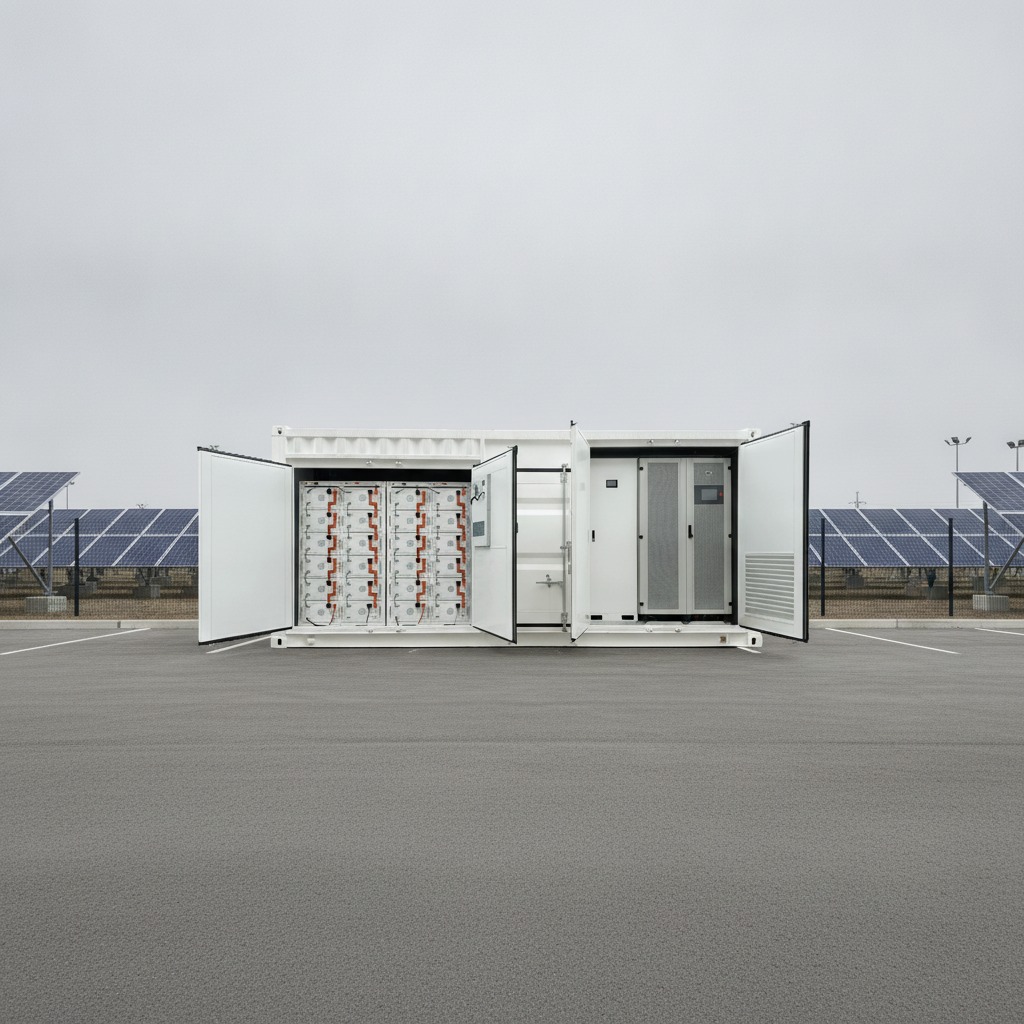
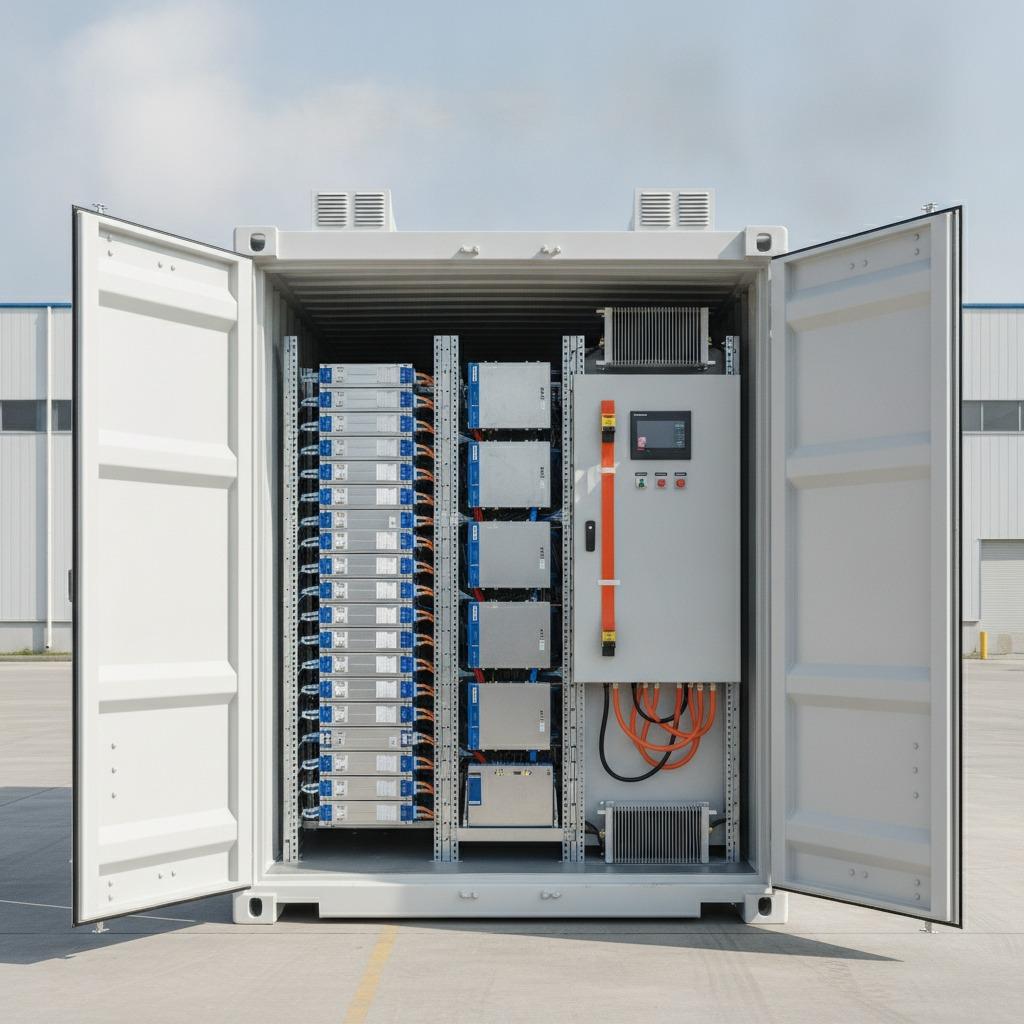
The visible product category here is a containerized electrical energy storage system, essentially a battery storage container with a modular internal layout. The enclosure appears to be a white painted metal unit with double doors on both sides. Inside, battery modules or racks are grouped on one side, while a separate power and electronics cabinet sits on the other. That split layout is common in modular storage systems because it keeps energy blocks, conversion equipment, and service access easier to organize.
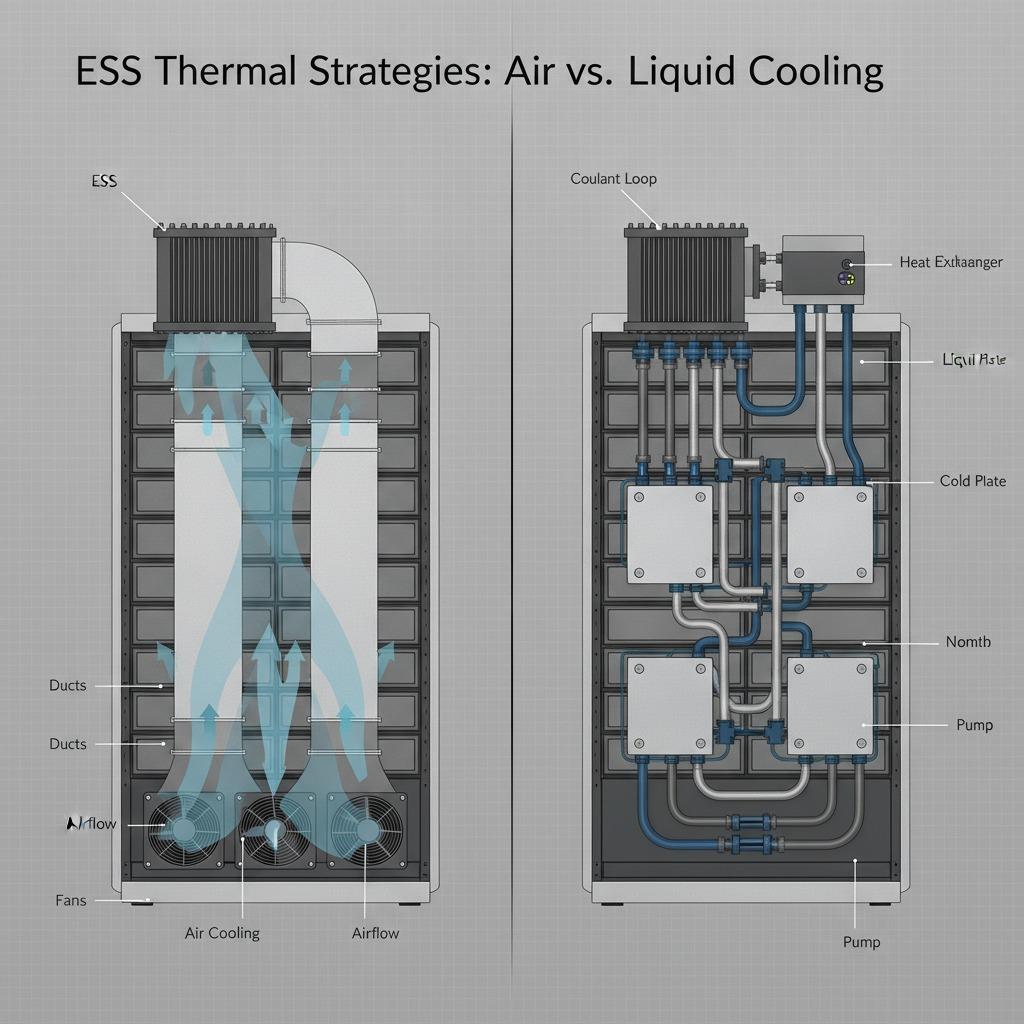
A few practical details stand out. The repeated battery modules suggest a design built around replaceable or scalable subassemblies rather than one monolithic pack. The vented louver or grille panels indicate that thermal management is part of the design, although the exact cooling method is not confirmed. The control/display cabinet suggests local monitoring and system status access, which is useful for commissioning and maintenance. None of that tells you the battery chemistry, capacity, or rating, and it should not be read that way. It does, however, show the kind of industrial integration buyers should expect from a containerized battery storage project.
The control layer: what an EMS actually does
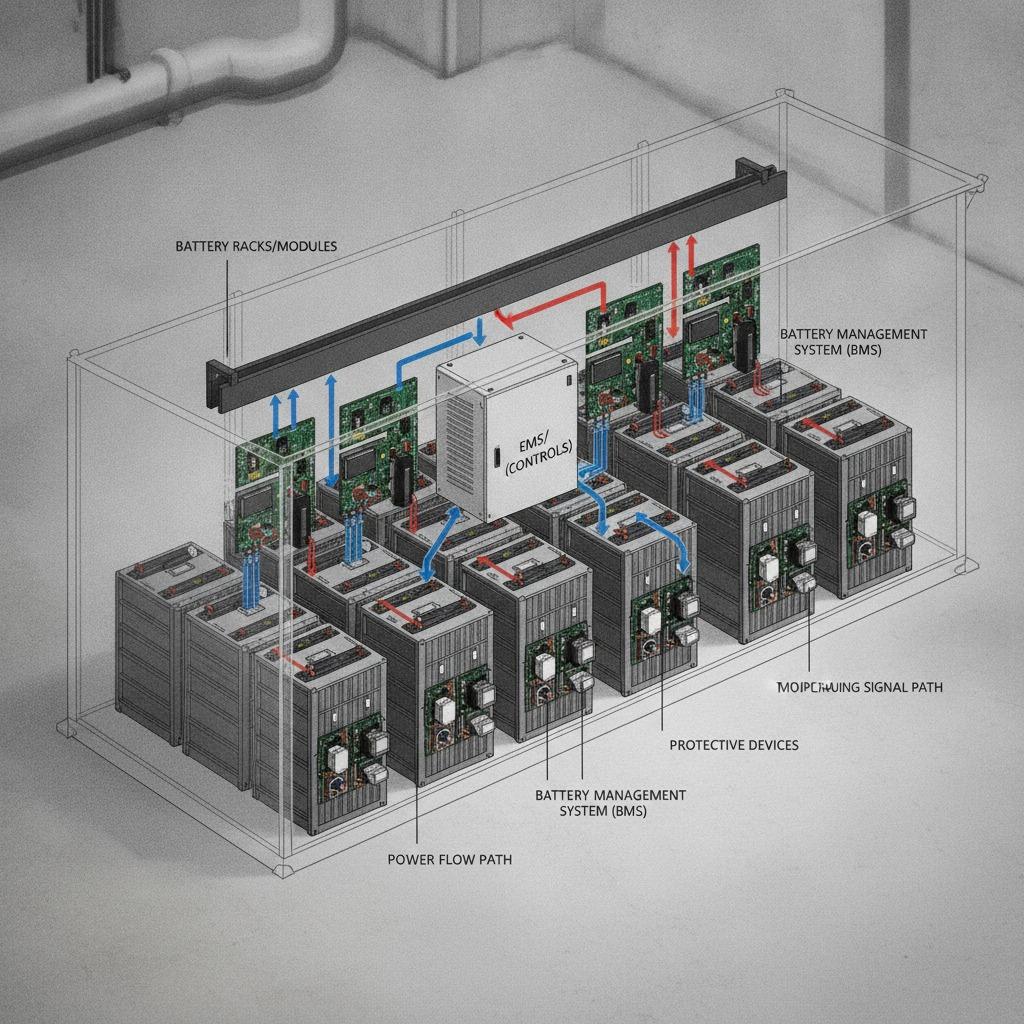
In plain terms, the energy storage management system supervises how the storage asset charges, discharges, protects itself, and communicates with the wider plant or grid. In some projects the term is used loosely, but buyers should separate the layers:
Battery management system
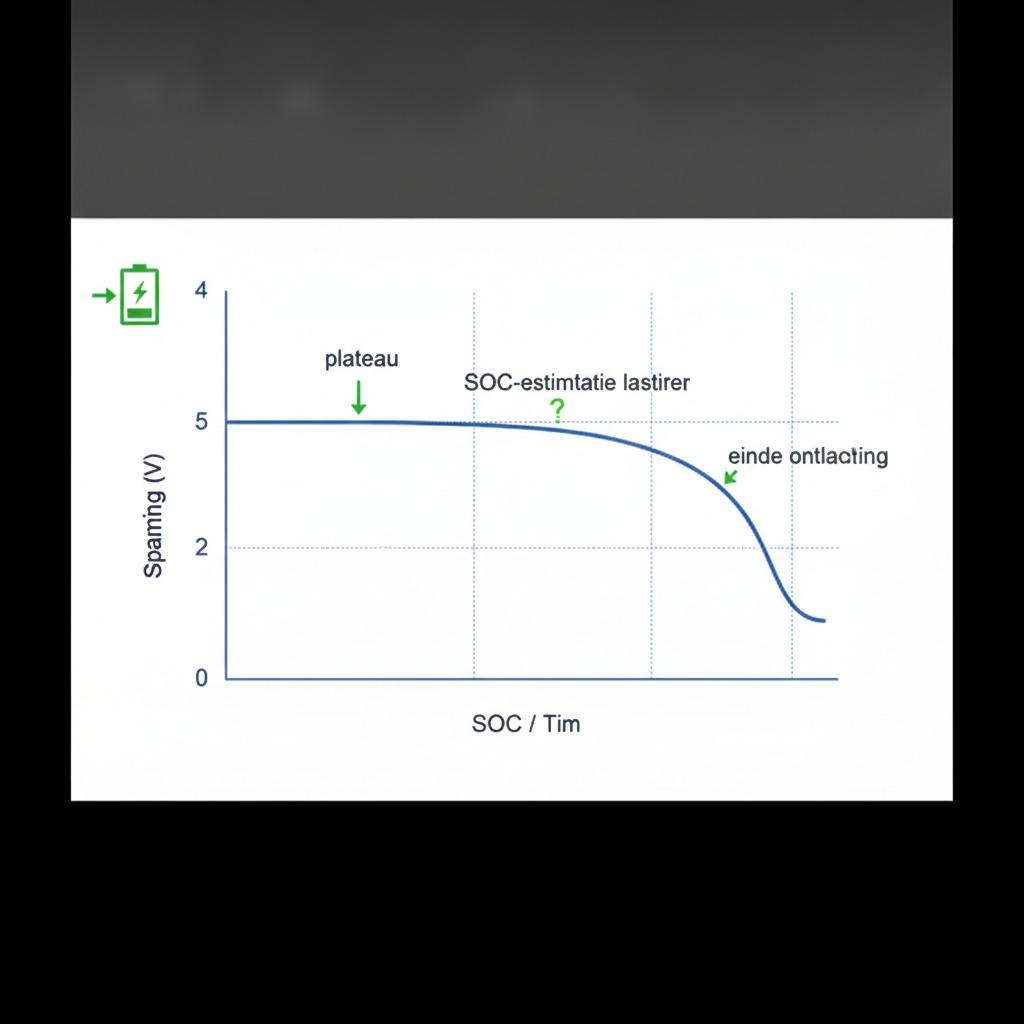
The battery management system is the safety-and-health layer closest to the cells or modules. It monitors parameters such as cell voltage, temperature, and state of charge, then helps prevent overcharge, overdischarge, and other conditions that shorten battery life. In a battery energy management system, this layer is usually the most immediate safeguard.
Energy management system
The EMS for energy storage sits above the battery layer and decides how the system should operate across time. It may optimize dispatch for peak shaving, renewable smoothing, backup reserve, or tariff-based shifting. It also handles operating logic, alarms, communication with site controllers, and reporting. When people say “energy storage management system,” they are often referring to this broader supervisory function.
Power conversion and site integration
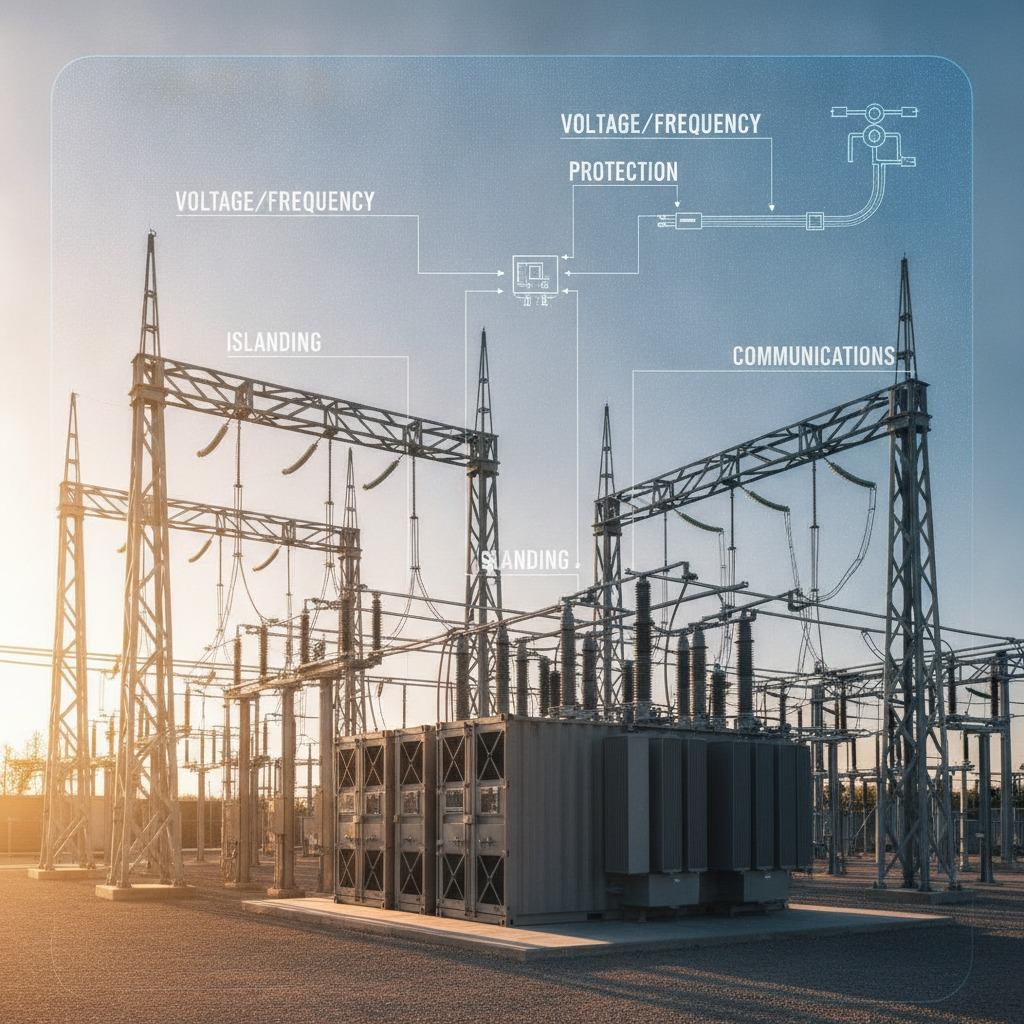
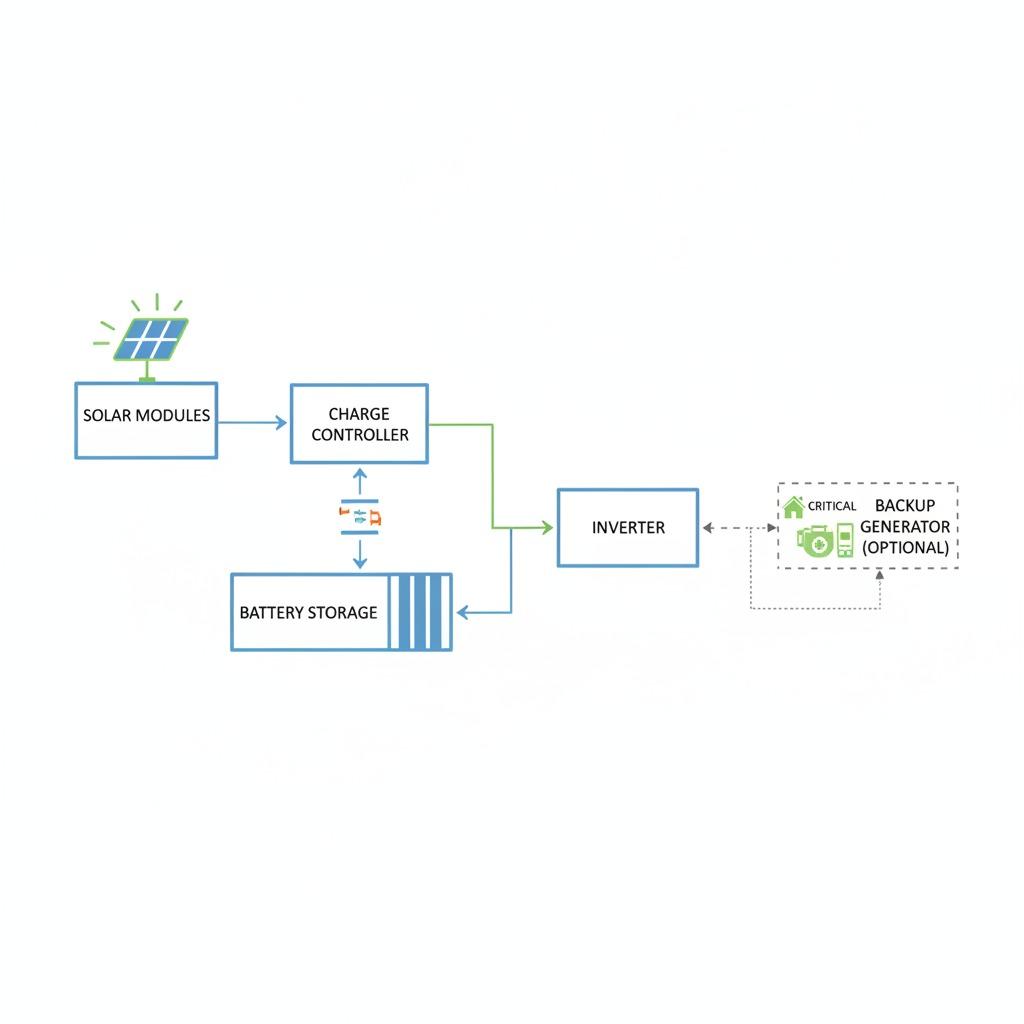
The PCS or inverter section converts energy between DC battery storage and AC site power. The EMS has to work with this equipment so that the container does not just store energy, but actually delivers it in the form the plant needs. Poor coordination here can create nuisance trips, inefficient cycling, or confusing operating behavior during commissioning.
What buyers should compare, not just what vendors advertise
A containerized storage system can be sold as a package, but the buying decision usually comes down to a few hard questions.
First, ask how the control system is layered. If the battery management system, EMS, and PCS are tightly integrated, that can simplify commissioning. It can also make you more dependent on one supplier. If they are open and interface cleanly, integration is often easier across a larger plant architecture, though you may spend more time during setup.
Second, look at visibility. Does the system provide local display access, remote monitoring, event logs, and clear fault codes? A containerized system that is hard to diagnose in the field becomes expensive quickly. A service team should be able to understand whether a fault is electrical, thermal, communications-related, or a true battery issue.
Third, consider maintainability. The visible double doors and compartmentalized structure suggest access is part of the design intent. That is a good start, but buyers should still ask how modules are replaced, how the electronics cabinet is serviced, and whether routine inspection can be done without disrupting the entire asset.
Fourth, ask about thermal management in practical terms. Ventilation openings are visible, but the real question is how the system manages heat under expected site conditions. In outdoor battery storage, thermal control is not a comfort feature; it affects life, usable capacity, and fault risk.
Typical applications and why the control strategy changes
The same containerized platform can serve several different jobs, but the management logic should match the use case.
For grid support, the system may need fast response, stable communication, and repeatable dispatch.
For commercial and industrial peak shaving, the EMS may need to watch facility load in real time and discharge only when demand approaches a threshold.
For renewable integration, the control strategy often focuses on smoothing fluctuations and storing excess solar or wind output for later use.
For backup power, reserve management matters more than aggressive cycling. That is where a battery energy management system should protect state of charge and preserve readiness.
For microgrids and remote power systems, the EMS must coordinate with generators, loads, and possibly intermittent renewables. In these cases, the control logic can be more important than the battery size on paper.
Selection criteria that are easy to miss
Buyers sometimes focus on container dimensions, module count, or headline storage size and leave the controls until later. That is backwards. The system should be evaluated as an operating asset, not just a shipment.
A few points deserve attention:
Compatibility with the intended site controller or SCADA platform
Alarm clarity and event history
Local and remote operating modes
Modularity for future expansion
Service access for both battery racks and electronics cabinets
Coordination between thermal, electrical, and safety logic
If the supplier cannot explain how those layers work together, the project may still be workable, but it deserves more scrutiny than the brochure suggests.
Common mistakes in energy storage procurement
One common mistake is treating the storage container as if it were a standard electrical cabinet. It is not. It combines batteries, controls, power electronics, ventilation, and safety functions in a tightly coupled package. Small integration errors can become field problems.
Another mistake is assuming the most visible parts define the whole system. The white enclosure and modular battery racks are easy to evaluate visually, but the deeper performance comes from software, control tuning, and interface discipline.
A third mistake is underestimating service access. A system may look neat in a product photo and still be awkward for maintenance crews if cable routing, cabinet spacing, or inspection access are poor.
Finally, do not assume that a vendor’s term “energy storage management system” means the same thing across projects. Some suppliers use it to describe the EMS software only; others use it to include battery supervision and plant-level control. Clarify the scope early.
Practical buyer advice for sourcing teams
When reviewing a containerized battery storage proposal, ask for the control architecture in plain language. Who supervises the cells, who makes dispatch decisions, and who talks to the site control system? The answer should be readable without a decoder ring.
It also helps to request a functional description of normal operation, startup, shutdown, fault response, and recovery. These are not academic details. They reveal whether the energy storage management system has been designed for real field use or merely assembled around a set of components.
If the project will sit outdoors, ask how the enclosure handles heat, dust, and service conditions. If the asset is intended for commercial and industrial use, ask how the EMS supports demand management and whether operating logic can be adapted to the customer’s tariff or load profile. If the system is for backup power, ask how it preserves reserve capacity and prevents unnecessary cycling.
FAQ
Is an EMS the same as a BMS?
No. The BMS protects and supervises the battery itself. The EMS coordinates how the storage system operates as part of a site or grid.
Why do containerized systems use separate cabinets?
Separation helps organize battery modules, power electronics, and controls. It also improves service access and can make thermal and electrical design more manageable.
What should I verify before buying?
At minimum: control scope, interface compatibility, service access, thermal strategy, and how alarms and faults are handled. If those are unclear, the project is not ready for a final purchase decision.
A better next step than chasing the largest battery figure
If you are comparing storage options, start with the operating model, not the headline capacity. A well-designed energy storage management system makes a containerized battery asset useful, safer to run, and easier to support over time. The enclosure, module layout, and visible electronics cabinet tell you something about the build quality. The control system tells you whether the asset will actually perform the job you bought it for.
For teams evaluating a battery storage container, the right next step is to map the use case first, then ask suppliers to show how their control architecture supports it. That single conversation usually separates a credible industrial storage solution from a generic box of parts.