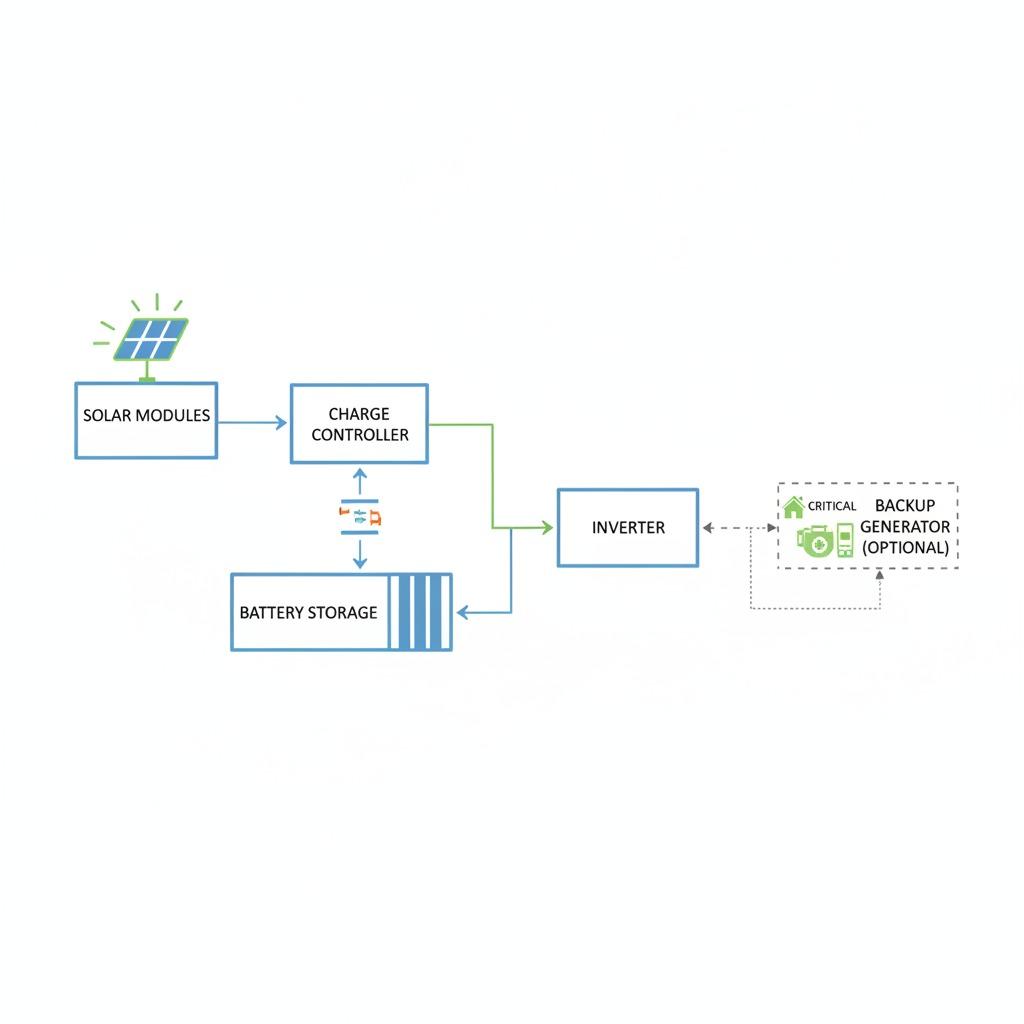

Why energy storage system disconnecting deserves more attention than it usually gets
In a battery project, energy storage system disconnecting is often treated as a box to tick: add the switch, label it, move on. That is a mistake. For engineers, sourcing managers, and project teams, the disconnecting method is one of the few design choices that affects safety, maintenance access, emergency response, and compliance all at once. If it is wrong, the rest of the system becomes harder to service and riskier to operate.
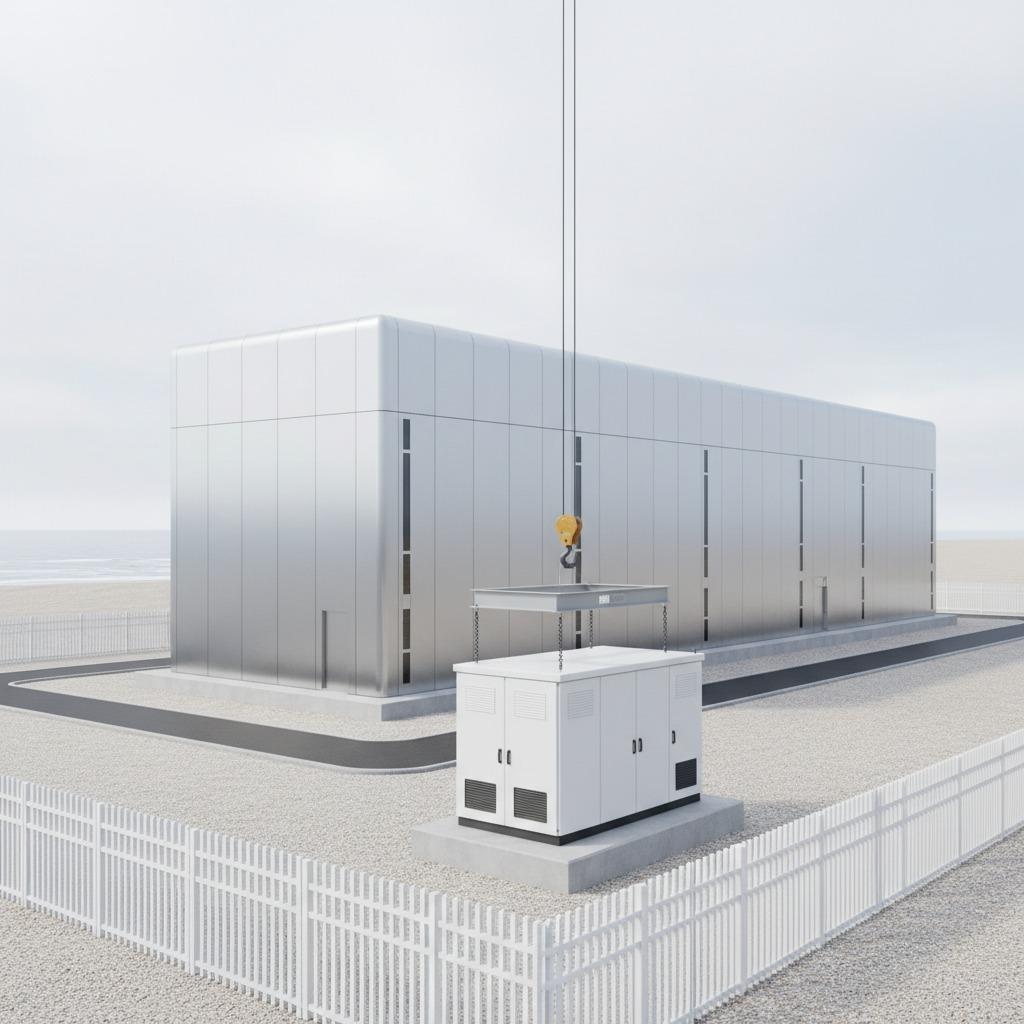
This matters even more when the battery plant sits inside a modular industrial enclosure, a containerized utility room, or a remote outdoor housing. Those packages are built to protect equipment from weather and handling damage, but they also create boundaries: access routes, ventilation paths, fire response access, and space for isolation devices. In other words, the enclosure and the disconnect strategy need to work together. A well-designed building may be crane-lifted, panelized, and weather-protected, yet still be awkward to isolate if the shutdown path was not planned from the start.
What buyers are really trying to decide
Most teams are not trying to become experts in electrical protection theory. They are trying to answer practical questions: How do we isolate the battery bank quickly? Can maintenance crews lock it out without guesswork? Does the emergency shutdown sequence make sense to operators under pressure? Can the enclosure layout support the disconnect equipment without creating a bottleneck at the door?
That is the real search intent behind terms like battery storage shutdown procedure and ESS isolation requirements. People want a reliable way to keep personnel safe while preserving uptime and serviceability. The answer is rarely one component. It is a combination of switchgear placement, labeling, access clearance, ventilation, and the physical layout of the building or enclosure.
Why the enclosure design is part of the disconnecting conversation
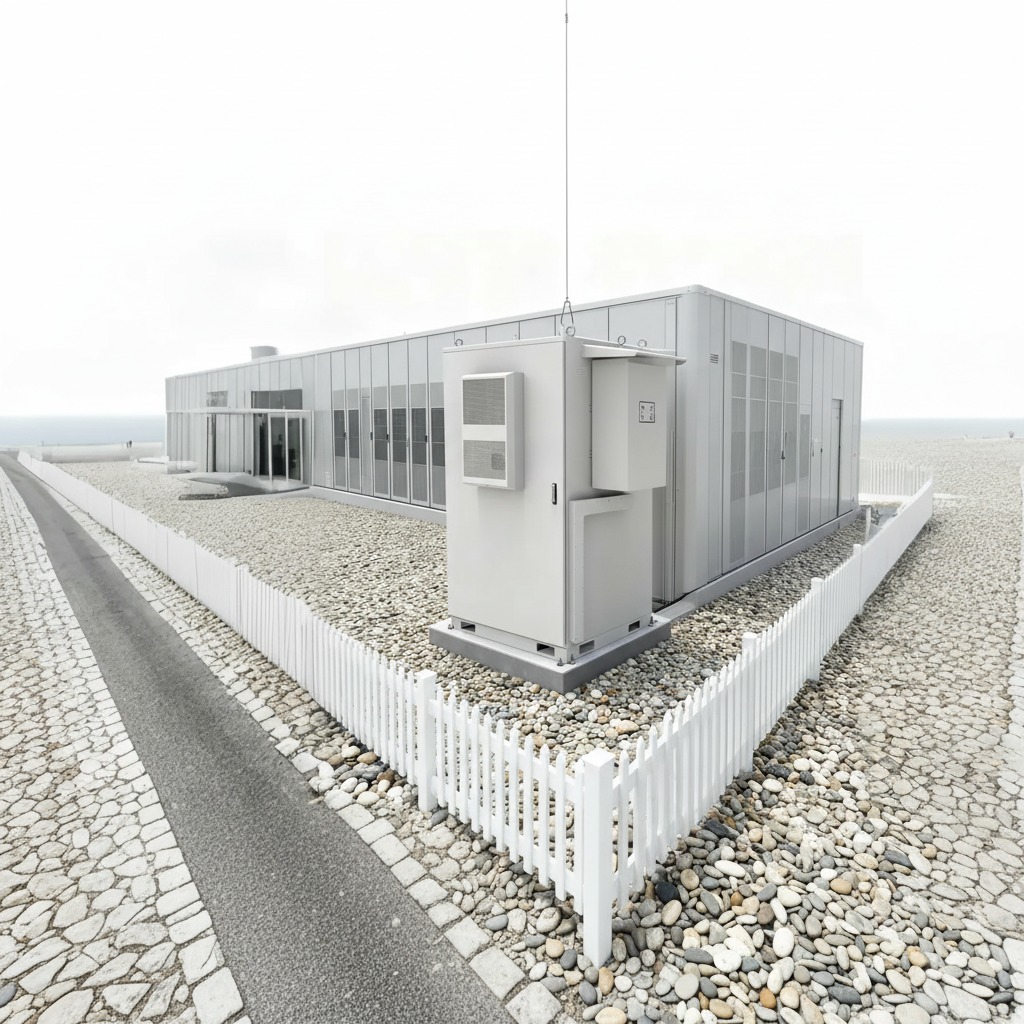
The visible product category here is a modular industrial enclosure: a rectangular, transportable structure with a light-coated metal exterior, raised installation base, access openings, vented panels, and lifting points at the roof edge. That type of package is common for control rooms, switchgear housing, transformer enclosures, telecom shelters, and battery-related utility spaces. It is exactly the kind of structure where disconnect planning can succeed or fail.
A modular enclosure gives the project team a controlled environment, but it also fixes the physical geometry. Doors are where they are. Cable entry points are where they are. Maintenance space is finite. If the disconnect switch is buried behind another cabinet, or if a shutdown requires operators to cross in front of active equipment, the system becomes less usable. On paper the scheme may meet the requirement. In the field, it may still be awkward.
Key takeaways for a battery project team
If you are comparing options for energy storage system disconnection, keep the discussion grounded in a few practical outcomes:
The disconnect must be reachable without exposing personnel to avoidable risk.
The shutdown sequence should be obvious during normal operation and during an emergency.
The enclosure should provide enough space for safe operation, inspection, and lockout/tagout.
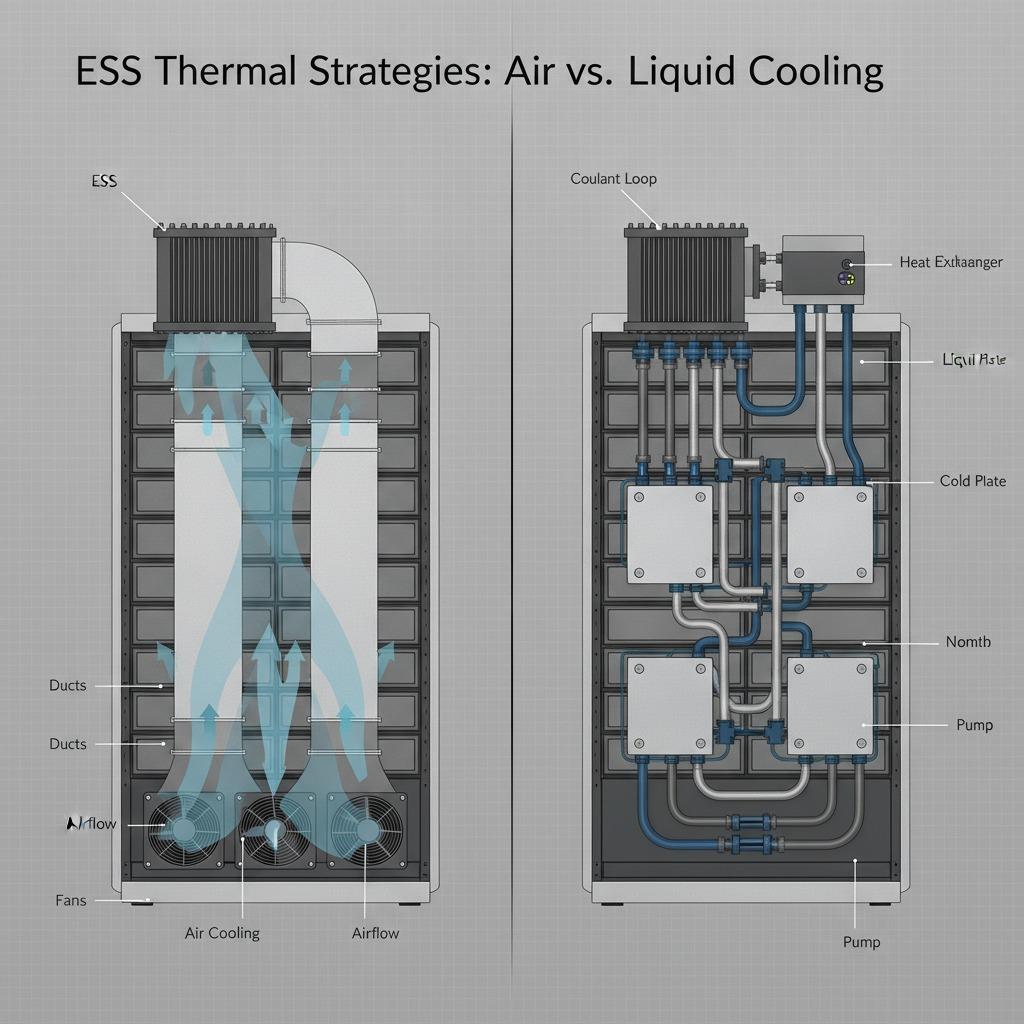
The cooling and ventilation strategy should not be compromised by the placement of isolation hardware.
The external layout should support maintenance crews, not just the design drawing.
Those points sound basic, but in containerized systems they are where projects usually stumble. A cramped enclosure or poorly coordinated equipment arrangement can turn a simple isolation step into a minor shutdown exercise.
Common forms of disconnecting in ESS applications
Manual isolation devices
These are typically the most familiar to plant teams. Manual disconnects are valued because they give a clear physical break and are easier to understand during service work. They are often favored when crews need straightforward lockout/tagout practice. The tradeoff is that placement and access become critical. If the handle is hard to reach or poorly labeled, the supposed simplicity disappears.
Switchgear-based isolation
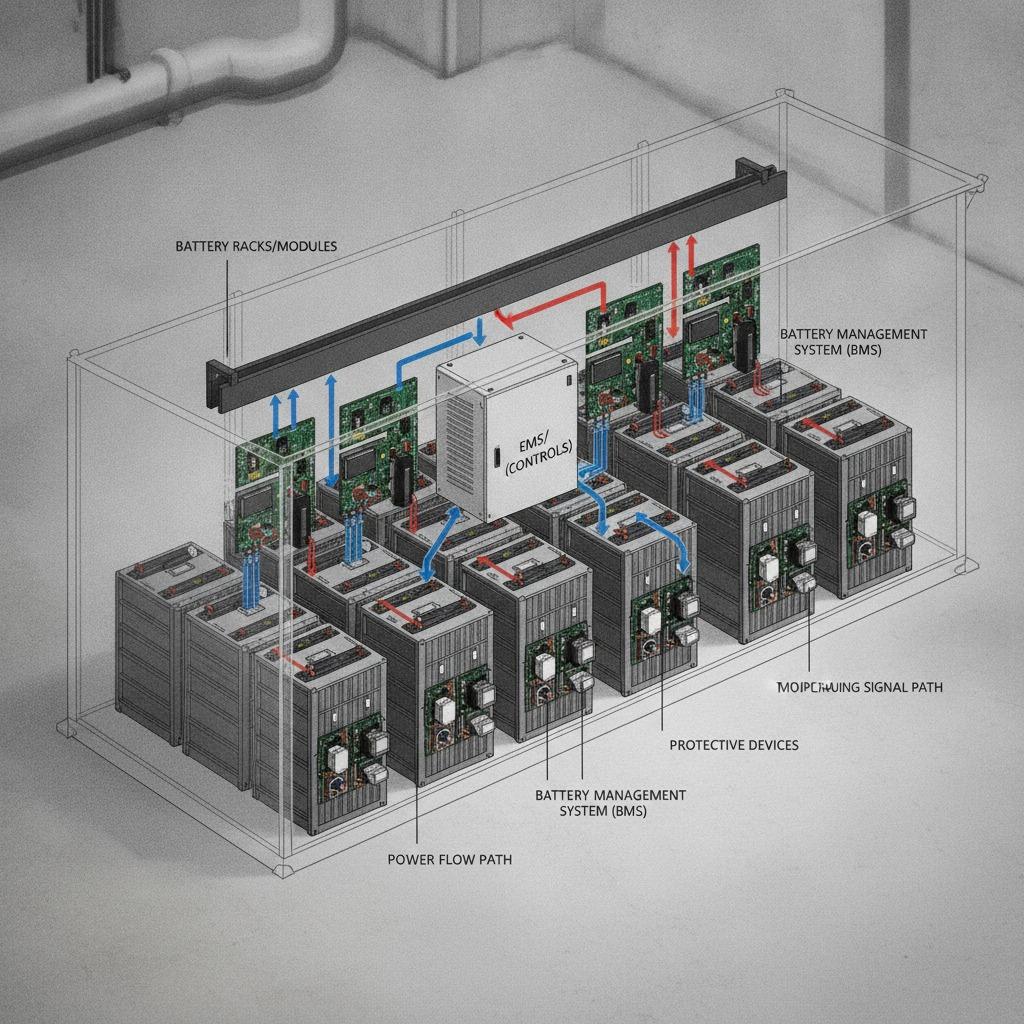
In larger systems, the disconnecting function may be tied into switchgear or coordinated with upstream protective devices. This can improve system control, but it also makes the electrical one-line and the physical enclosure layout more important. Buyers should ask how the system behaves during partial shutdown, maintenance shutdown, and emergency shutdown. A good drawing is not enough; the sequence needs to be understandable on the floor.
Battery storage shutdown procedure integration
The shutdown procedure should not be a separate binder that nobody reads. It should be built into labels, operator instructions, and access logic. If a modular enclosure contains multiple cabinets or service modules, the sequence should tell staff what to open, what to isolate, and what not to touch. That sounds obvious, yet it is one of the first things to get muddled when projects move quickly.
ESS isolation requirements that deserve early attention
Every battery installation has its own electrical design and site constraints, but a few isolation questions come up repeatedly. Where is the disconnect relative to the battery racks or container? Can the system be isolated without opening unnecessary live compartments? Is there enough working room in front of the device? Does the arrangement support maintenance while keeping the operator out of the most congested zone?
For enclosed or containerized equipment, access strategy matters almost as much as the device itself. The enclosure in the image shows a raised base, external service cabinet, and vented sections, all of which suggest a design intended for outdoor technical use. That kind of structure can support clean routing and protected installation, but only if the disconnect and auxiliary systems are coordinated with the door locations, cable runs, and service clearances.
Selection criteria that buyers should not overlook
When evaluating energy storage system disconnection options, sourcing teams should look beyond nominal ratings and ask how the complete package will behave on site.
First, consider operator access. Can a technician reach the isolation point without moving through a narrow equipment corridor? Second, consider visibility. Is the state of the disconnect obvious from a glance? Third, consider maintainability. Can the device be serviced without dismantling unrelated panels or disturbing ventilation components? Fourth, consider site conditions. Outdoor, coastal, or remote installations place extra pressure on corrosion resistance, sealing, and enclosure durability.
This is where modular construction can help. A prefabricated enclosure can be arranged so the disconnecting equipment, cooling hardware, and service access are all planned together before shipment. That reduces field improvisation, which is usually where safety margins get thinner.
Practical mistakes that show up too late
One common mistake is assuming that electrical isolation is solved once the one-line diagram is approved. It is not. The physical realization still matters. Another is placing the disconnect where it is technically compliant but operationally awkward. That may pass design review and still frustrate field crews.
A third issue is ignoring the interaction between shutdown and ventilation. In an enclosed battery facility, airflow and thermal management are part of safe operation. If disconnect components, service cabinets, or cable routes crowd the vented zones, the system may become harder to cool or inspect. That is the sort of compromise that does not always show up until the first service visit.
And a small but important caution: labels and procedures age. If the site uses a modular enclosure that may be relocated or expanded later, the disconnecting strategy should be resilient to change. Otherwise the initial tidy layout becomes confusing after the first equipment upgrade.
Questions to ask before approving a design
Before signing off on a battery enclosure or energy storage package, ask the supplier and engineering team a few direct questions. Where is the main isolation point? What is the expected shutdown sequence for normal maintenance? How is emergency disconnection handled? Can the enclosure remain serviceable if one auxiliary module is offline? Are the access paths and lifting provisions compatible with future maintenance or replacement work?
These are not academic questions. They are the questions that determine whether the site can keep running without creating awkward workarounds.
FAQ: energy storage system disconnecting in real projects
Is a disconnect switch enough on its own?
Usually not. A disconnect switch is only one part of the system. You still need clear procedures, accessible placement, and a layout that allows safe operation and lockout.
Why does the enclosure matter so much?
Because the enclosure shapes access, cable routing, ventilation, and emergency response. In a modular building or containerized shelter, the physical arrangement can either support safe isolation or make it inconvenient and confusing.
Do all ESS installations use the same isolation approach?
No. System size, battery chemistry, utility interconnection, and site conditions all influence the design. A remote coastal installation in a weather-protected modular housing package may call for different practical considerations than an indoor utility room.
What should operations teams review before startup?
They should review the shutdown procedure, lockout points, access paths, label clarity, and the interaction between electrical isolation and cooling or ventilation equipment. Startup is the right time to catch confusion, not after the first alarm.
A sensible next step for buyers and project teams
If your project involves a modular enclosure, containerized battery room, or other technical housing, treat energy storage system disconnecting as a layout decision as much as an electrical one. Ask for the disconnect scheme early. Check how it affects operator access, emergency response, and maintenance. Then verify that the enclosure geometry, venting, doors, and external service modules do not fight the shutdown strategy.
That approach is less glamorous than chasing the highest spec on the datasheet, but it is the sort of discipline that keeps a storage project serviceable after commissioning. And once the site is live, serviceability is what people remember.