
Unlocking the Potential of Energy Storage Systems in a Sustainable Future
In the rapidly evolving landscape of modern energy management, the Energy Storage System stands as a cornerstone technology, enabling reliable power distribution and integration of diverse energy sources. As global demand for efficient and sustainable power solutions intensifies, understanding the role of an Energy Storage System becomes essential for businesses and utilities alike. This article delves into the intricacies of Energy Storage Systems, exploring their applications, benefits, and the innovative products driving this sector forward.
The Fundamentals of Energy Storage Systems
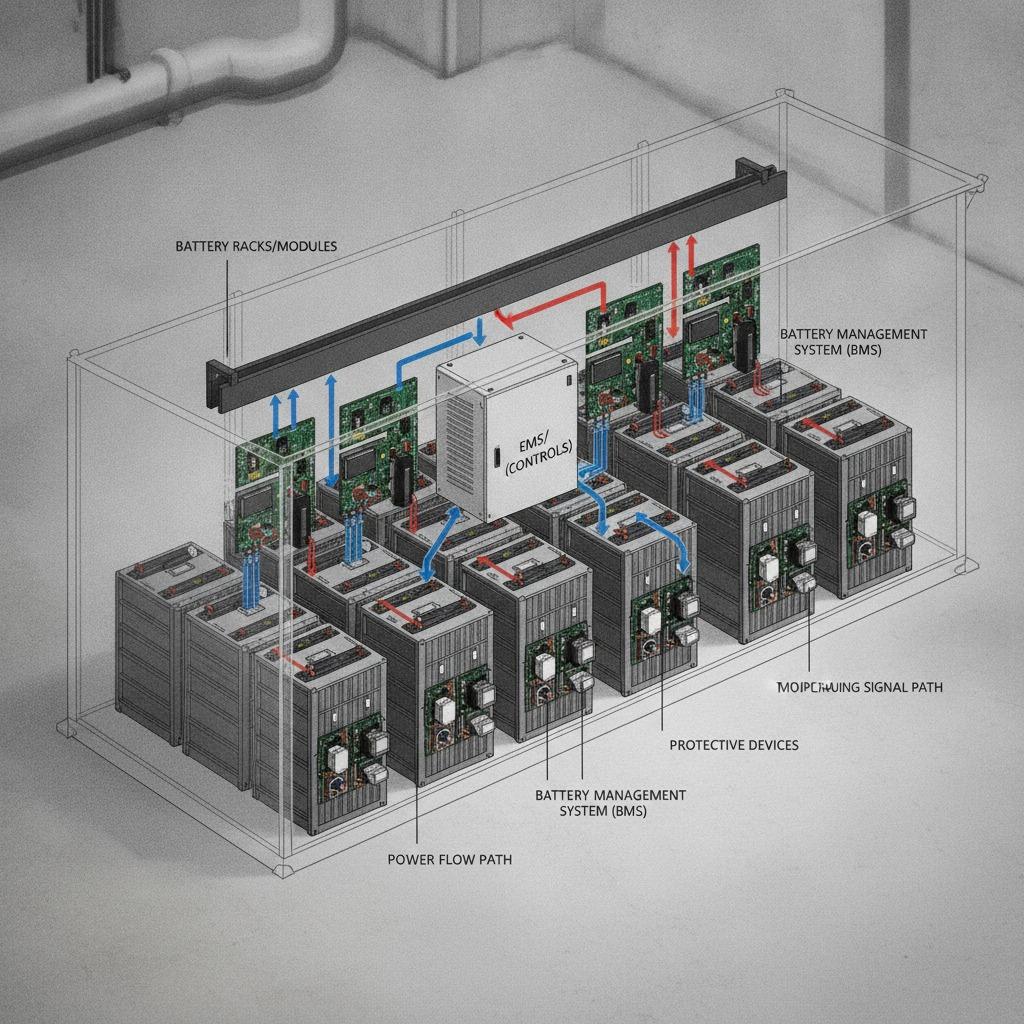
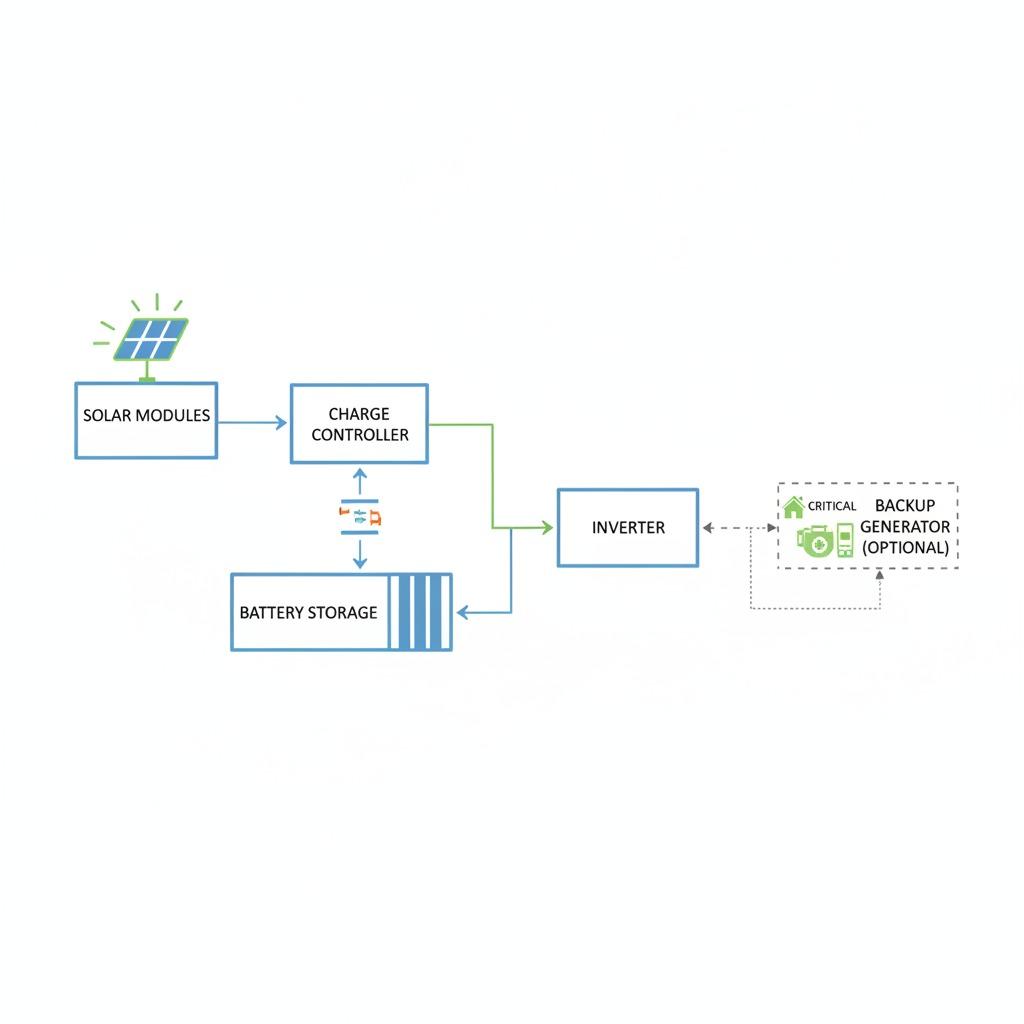
An Energy Storage System refers to a collection of technologies designed to capture electrical energy for later use, addressing the intermittency challenges of power generation. These systems store excess energy produced during peak times and release it when demand surges, ensuring grid stability and reducing waste. Core components typically include batteries, inverters, and control software, all working in harmony to optimize energy flow.
The importance of an Energy Storage System cannot be overstated in today's energy paradigm. With the rise of decentralized power generation, these systems bridge the gap between supply and demand, preventing blackouts and minimizing reliance on fossil fuels. For instance, in residential settings, a home Energy Storage System can power households during outages, while on a larger scale, it supports industrial operations by providing uninterrupted service.
Advancements in materials and engineering have made Energy Storage Systems more efficient and cost-effective. Lithium-ion batteries, a popular choice, offer high energy density and quick response times, making them ideal for various applications. As the technology matures, the Energy Storage System is evolving from a supplementary tool to an indispensable asset in energy infrastructure.
Exploring Renewable Energy Storage Solutions
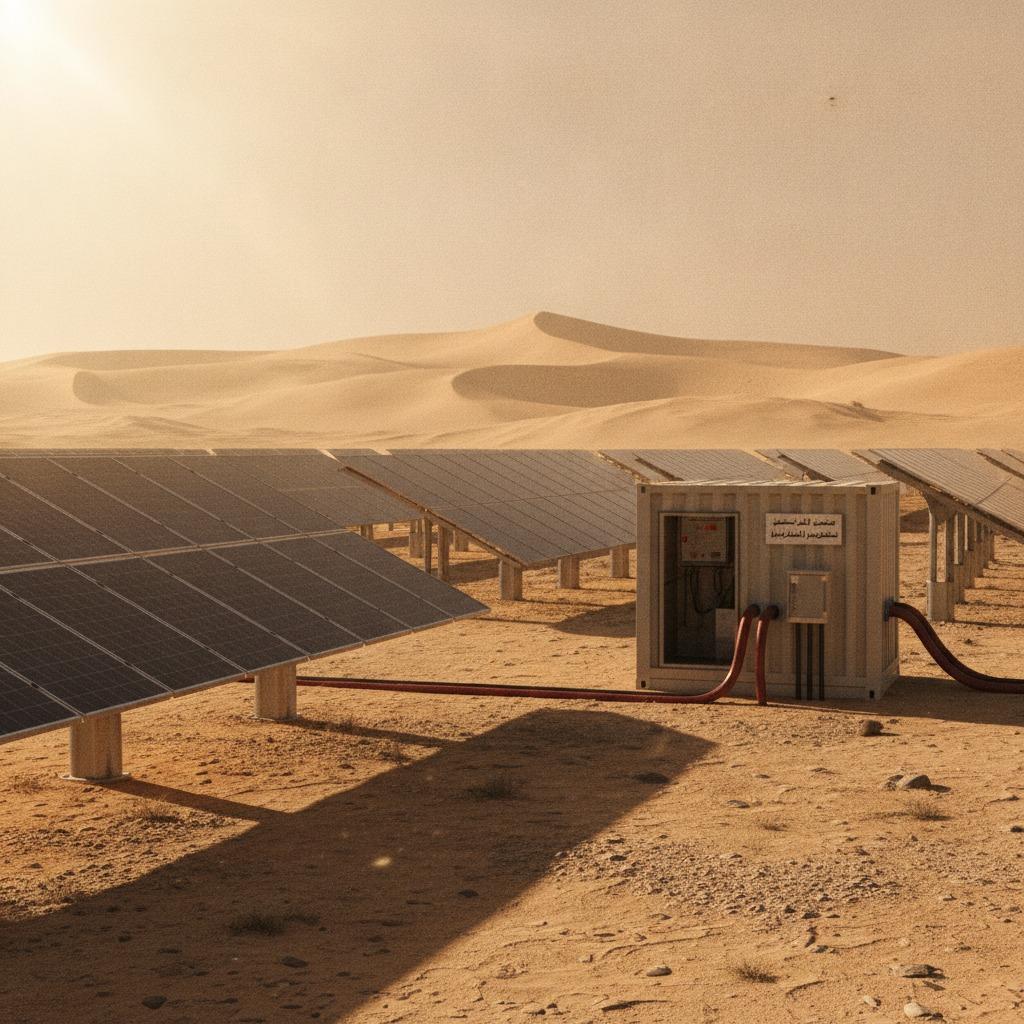
Renewable Energy Storage is a critical subset of broader energy management strategies, focusing on capturing power from intermittent sources like solar and wind. Without effective Renewable Energy Storage, the full potential of these clean energies remains untapped, as their output fluctuates with weather conditions. An integrated Renewable Energy Storage system allows for the stockpiling of surplus energy, ensuring a steady supply even on cloudy or calm days.
One of the primary benefits of Renewable Energy Storage is its contribution to sustainability goals. By storing energy generated from renewables, these systems reduce carbon emissions and promote a greener grid. For example, solar farms equipped with Renewable Energy Storage can dispatch power during evening peaks, aligning supply with consumption patterns and lowering electricity costs for end-users.
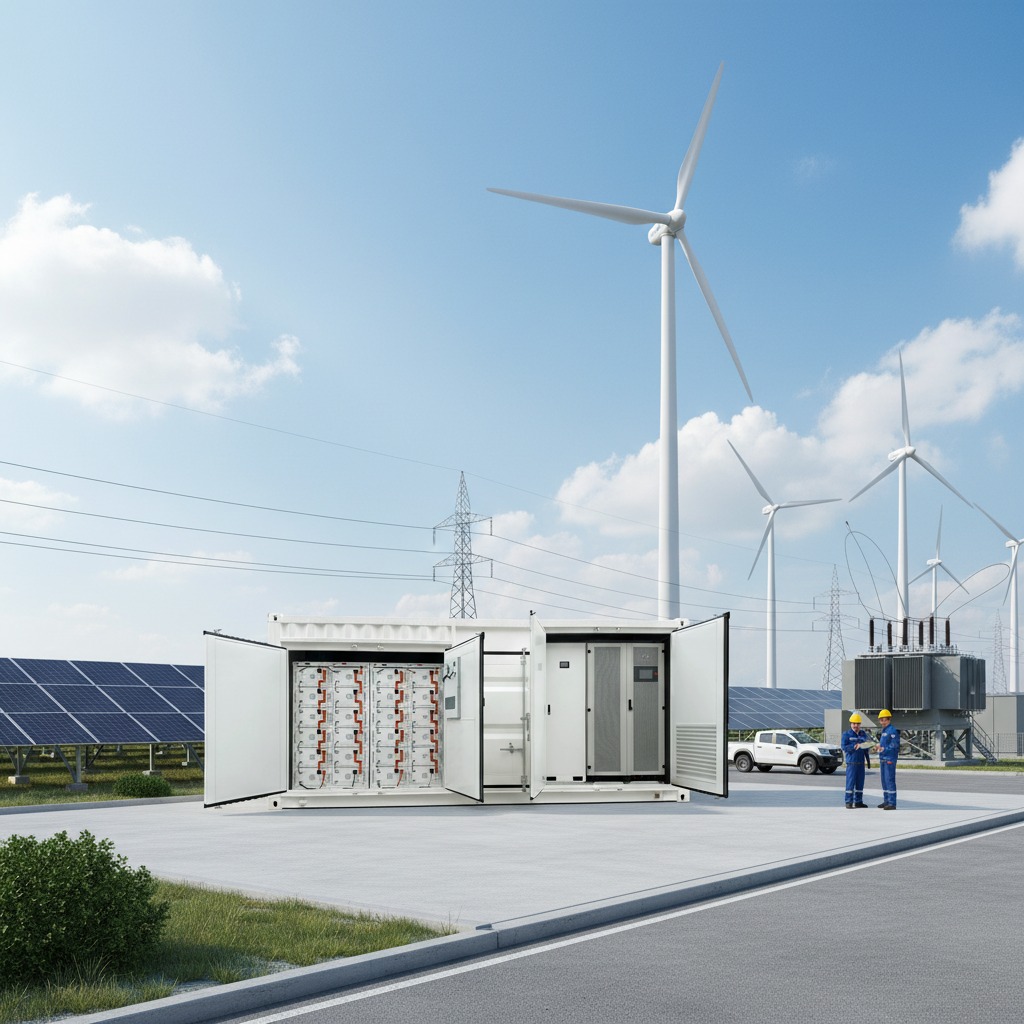
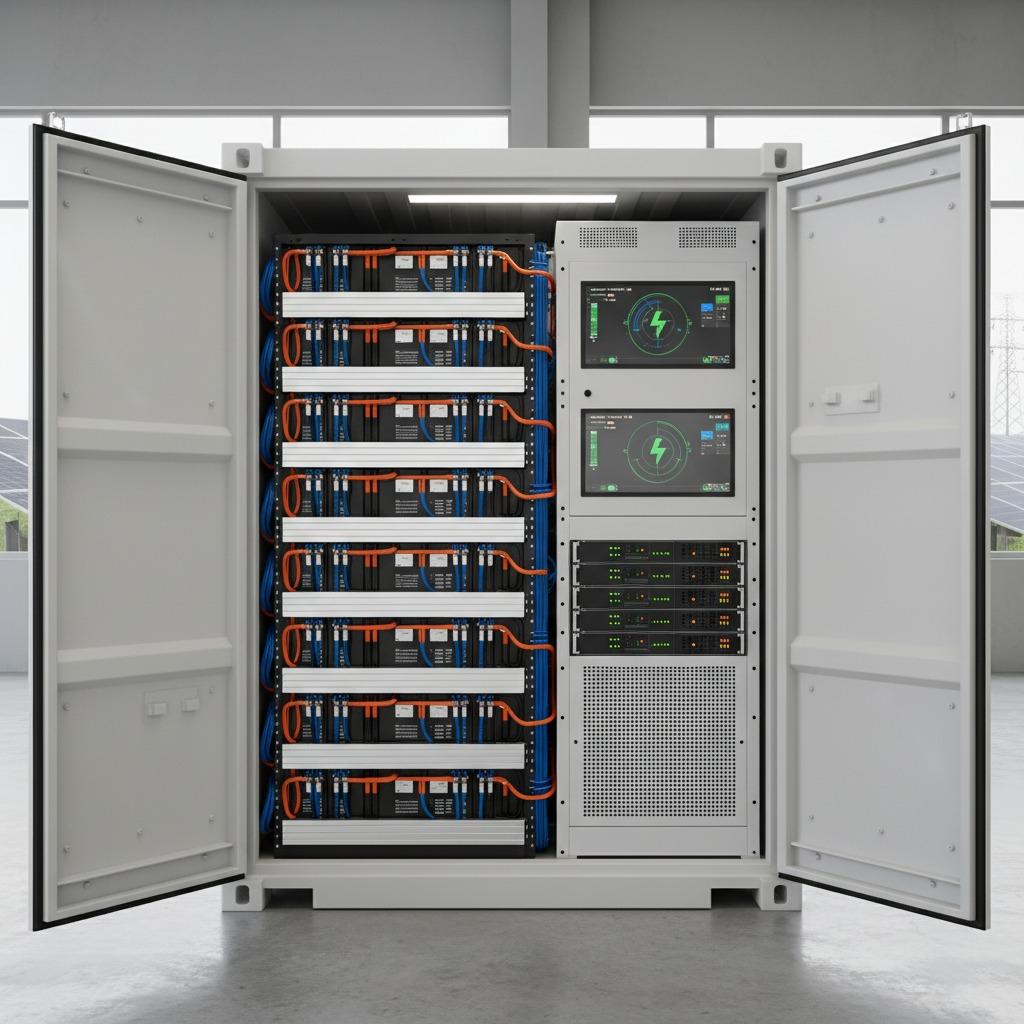
Innovative products like the 20GP-2 containerized Energy Storage System exemplify the progress in Renewable Energy Storage. This portable unit, housed in a standard shipping container, is designed for seamless deployment in remote or urban settings. Its high-capacity battery modules, utilizing advanced lithium-ion technology, provide robust support for Renewable Energy Storage needs, with modular configurations allowing scalability. The system's weather-resistant enclosure and integrated control interface ensure reliable performance, making it a go-to solution for utilities aiming to enhance renewable integration.
Moreover, the Renewable Energy Storage market is witnessing rapid growth, driven by policy incentives and technological breakthroughs. As more regions adopt renewable targets, investments in Renewable Energy Storage are projected to surge, fostering energy independence and resilience against supply disruptions.
Advancements in Electricity Storage Technologies
Electricity Storage Technologies encompass a wide array of methods beyond traditional batteries, including pumped hydro, compressed air, and emerging solid-state solutions. These technologies are pivotal in modernizing power systems, offering diverse options to meet specific operational requirements. At the heart of Electricity Storage Technologies lies the need for efficiency, safety, and longevity, ensuring that stored energy is utilized optimally without degradation over time.
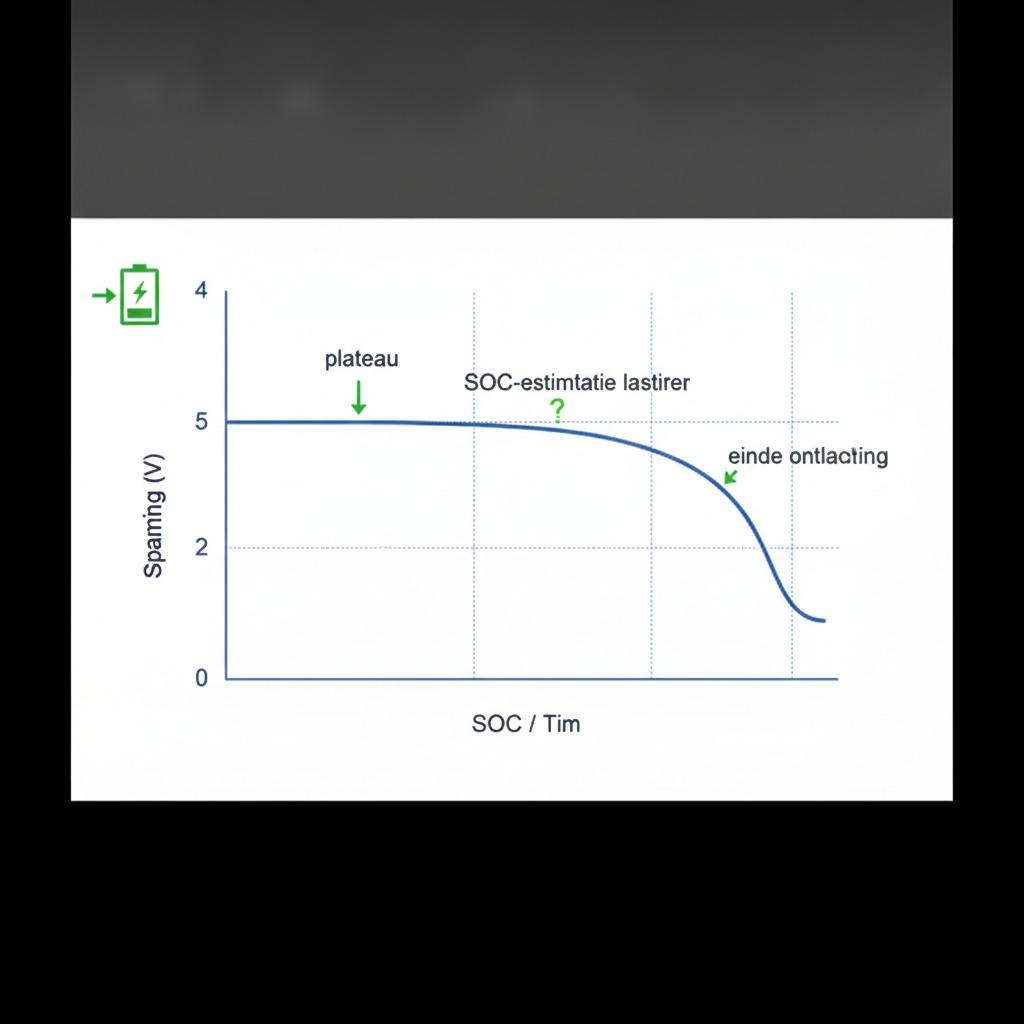
Among the leading Electricity Storage Technologies, lithium-ion remains dominant due to its versatility and declining costs. However, innovations like flow batteries and supercapacitors are gaining traction for their unique advantages, such as longer lifespans and rapid discharge capabilities. An effective Electricity Storage Technology must also incorporate smart features, like real-time monitoring and predictive analytics, to prevent inefficiencies and extend system life.
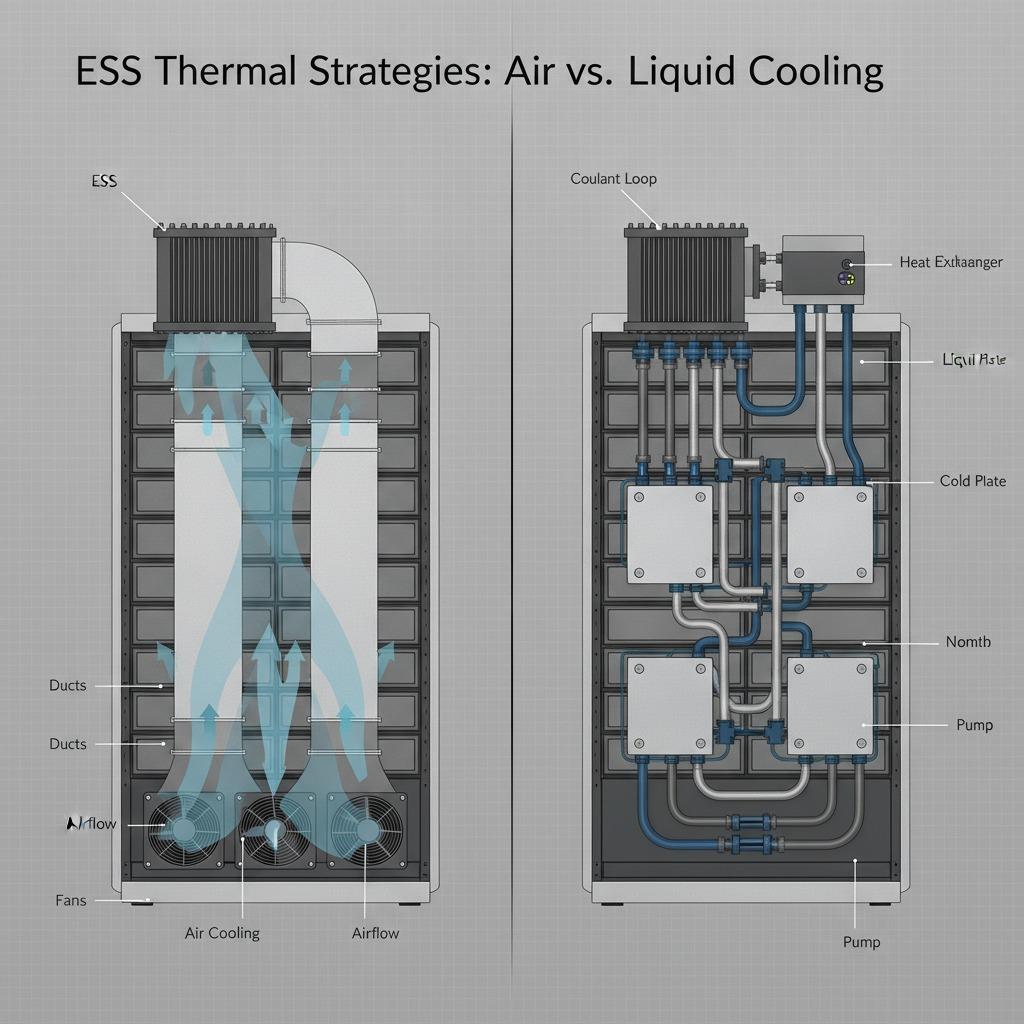
The 20GP-2 containerized Energy Storage System leverages cutting-edge Electricity Storage Technologies to deliver unparalleled performance. Equipped with state-of-the-art battery modules, it supports high-efficiency storage for grid balancing and backup power. Safety mechanisms, including thermal management and fire suppression, are embedded to mitigate risks, while the modular design facilitates easy maintenance and expansion. This system is particularly suited for commercial enterprises seeking reliable Electricity Storage Technologies that align with sustainability objectives.
Complementing storage capabilities, the Smart Power Distribution Unit (PDU) enhances overall energy management. This advanced unit integrates with Energy Storage Systems to optimize power flow, featuring surge protection and remote monitoring for seamless operation in data centers or industrial environments. By combining Electricity Storage Technologies with intelligent distribution, businesses can achieve greater efficiency and reduced downtime.
Applications and Benefits Across Industries
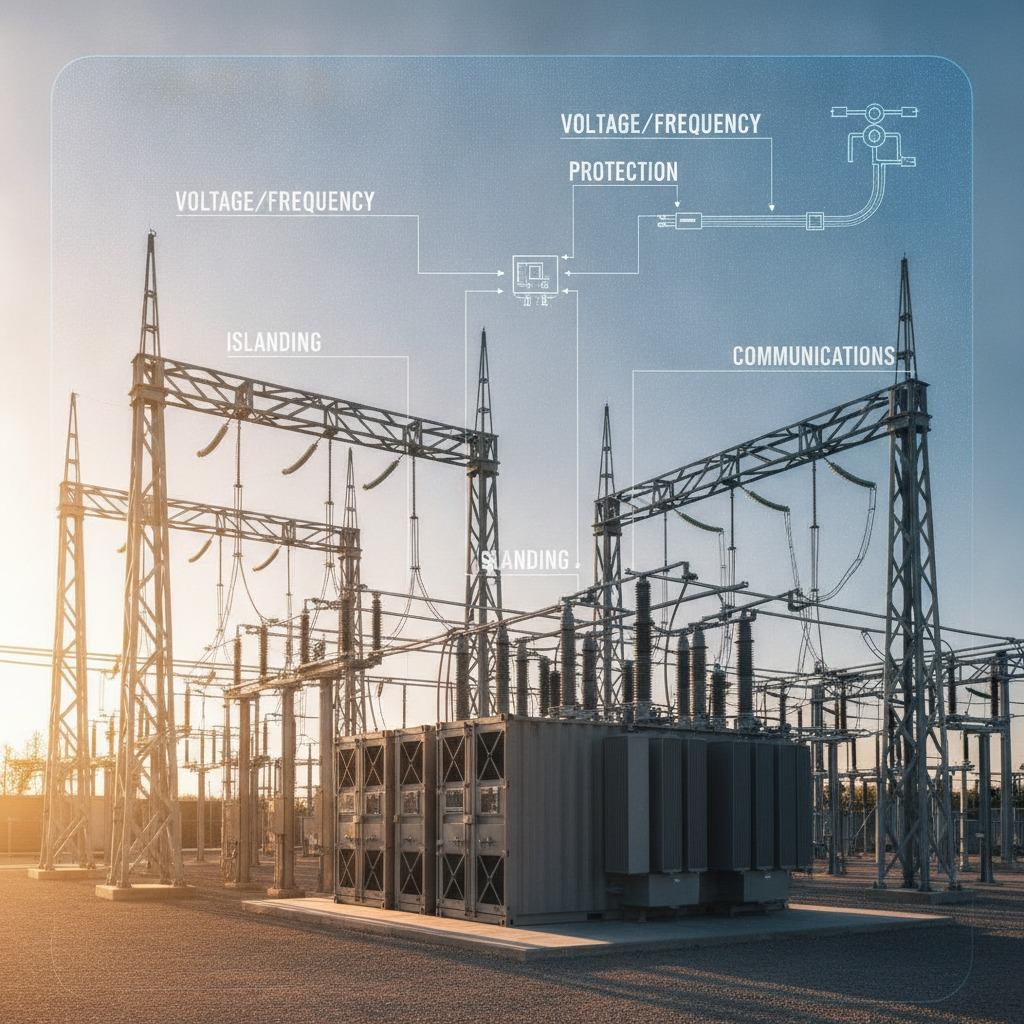
Energy Storage Systems find applications across multiple sectors, from residential microgrids to large-scale utility projects. In renewable-heavy setups, Renewable Energy Storage ensures consistent output, enabling off-grid communities to thrive without traditional infrastructure. For urban utilities, Electricity Storage Technologies help manage peak loads, deferring expensive grid upgrades and promoting economic savings.
The benefits extend to environmental and economic realms. By facilitating greater renewable penetration, Energy Storage Systems cut greenhouse gas emissions, supporting global climate initiatives. Economically, they lower energy bills through time-of-use optimization and provide revenue streams via energy arbitrage—storing low-cost power and selling it at premium rates.
In industrial contexts, the 20GP-2 and Smart PDU combination offers a comprehensive solution. The containerized system's portability suits remote mining operations, while the PDU's fault detection safeguards critical processes in telecommunications. These products underscore how Electricity Storage Technologies can drive operational reliability, with features like rapid charging and long cycle life minimizing interruptions.
Future Trends and Challenges in Energy Storage
Looking ahead, the future of Energy Storage Systems is bright, with ongoing research into next-generation batteries promising even higher densities and faster charging. Renewable Energy Storage will play a key role in achieving net-zero goals, as advancements in AI-driven controls enhance predictive capabilities and grid integration.
Challenges remain, including raw material supply chains and recycling protocols for Electricity Storage Technologies. However, collaborative efforts between manufacturers and policymakers are addressing these, paving the way for widespread adoption. Innovations like the 20GP-2 demonstrate that scalable, safe solutions are already bridging current gaps, positioning Energy Storage Systems as vital to a resilient energy ecosystem.
As we transition to a sustainable future, investing in robust Energy Storage Systems, Renewable Energy Storage, and Electricity Storage Technologies is not just strategic—it's imperative. These technologies empower us to harness clean energy effectively, ensuring a stable and eco-friendly power landscape for generations to come.