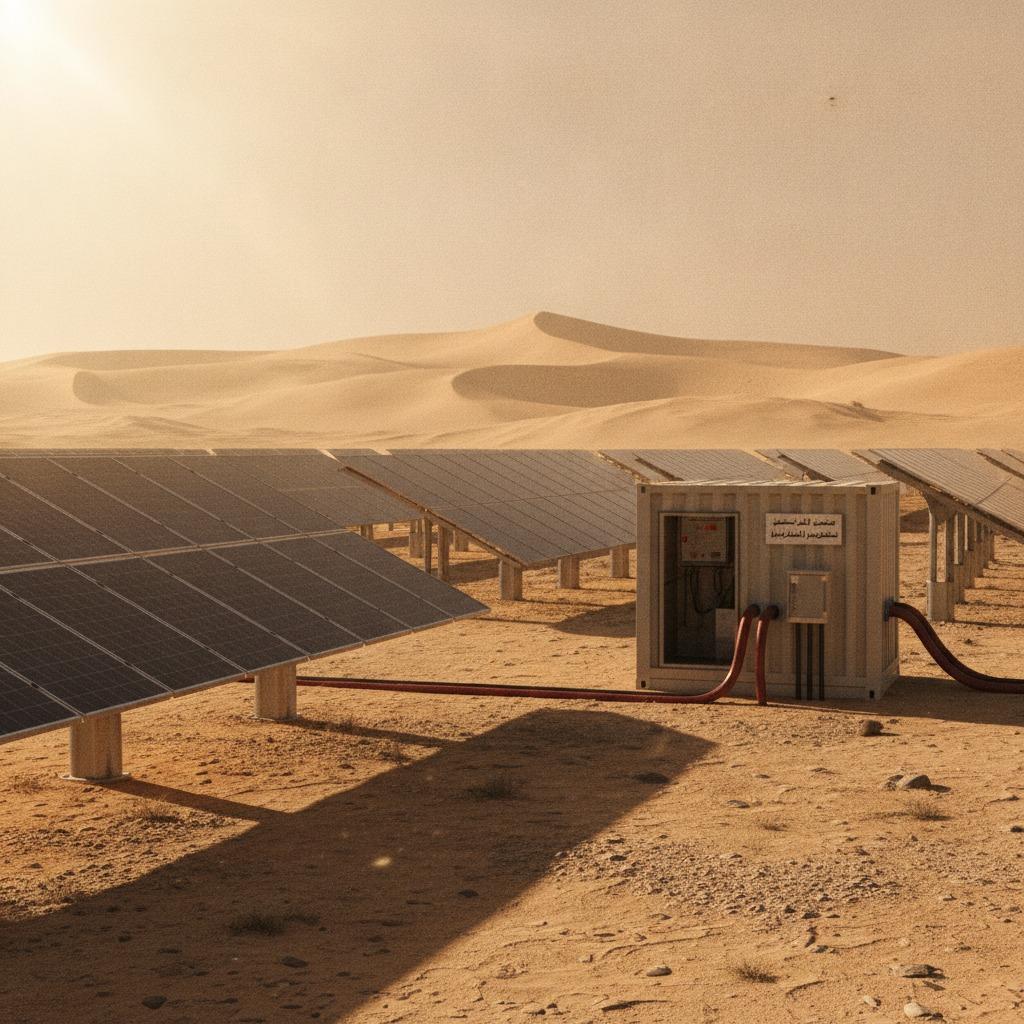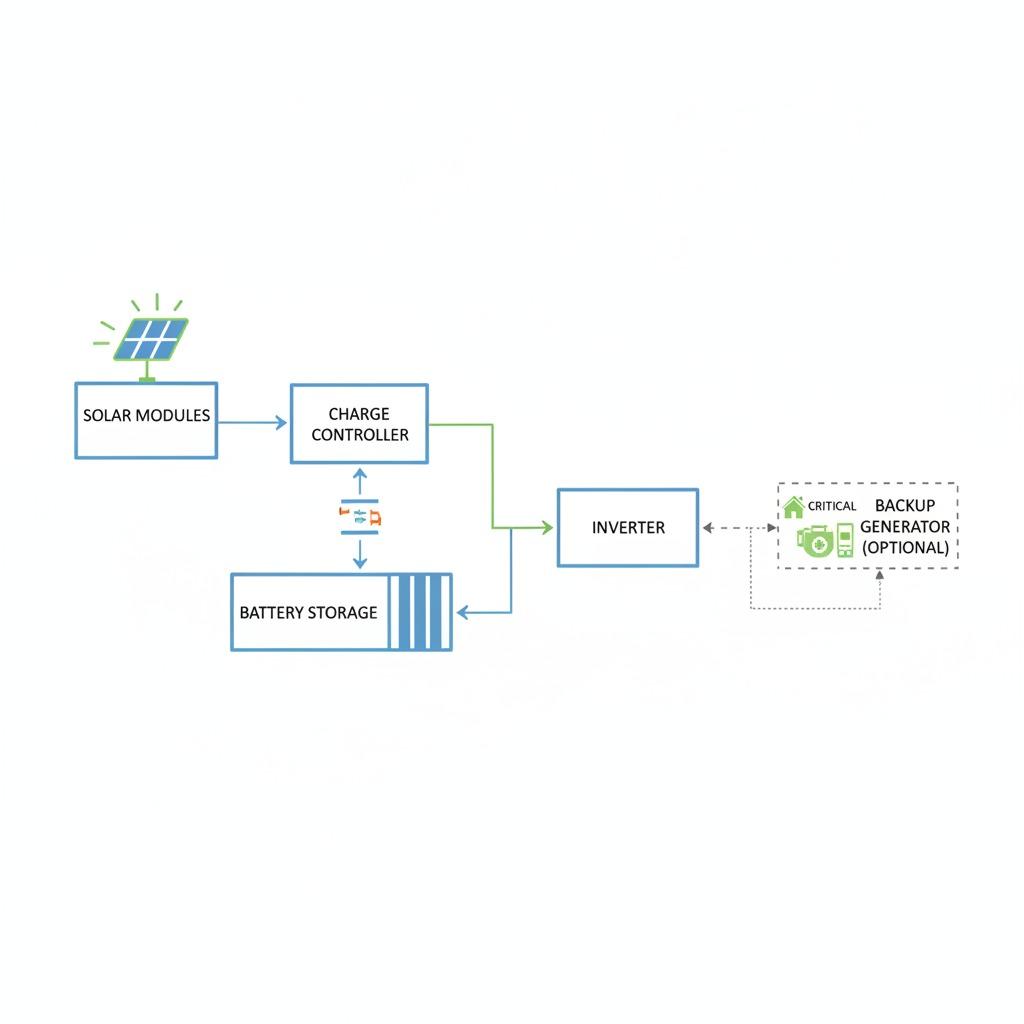

Why an energy storage system in Los Angeles is not just a battery purchase
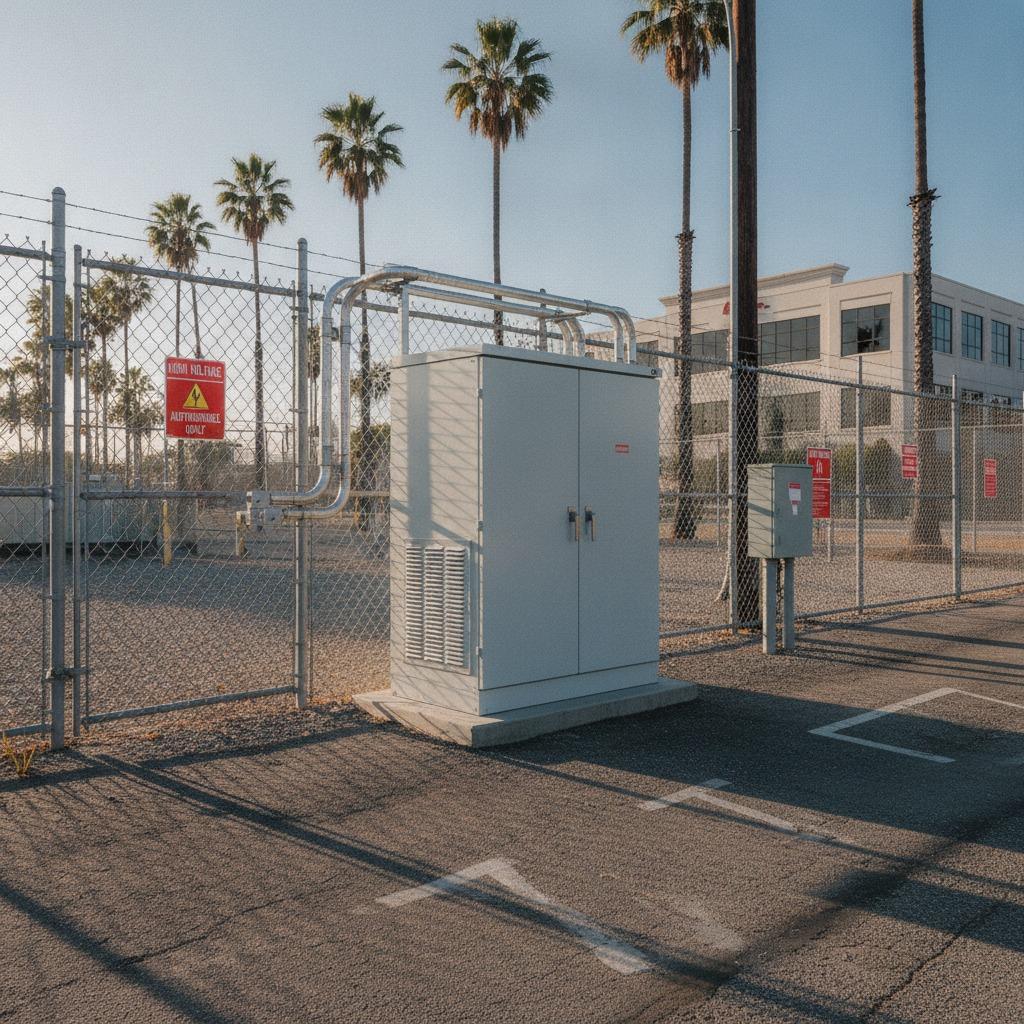
An energy storage system Los Angeles buyers are evaluating is rarely only about batteries. In this market, the real decision usually sits at the intersection of utility pricing, site constraints, heat management, and how much electrical infrastructure the facility can realistically absorb. For engineers and sourcing teams, that means the enclosure, cabinet layout, and thermal strategy matter almost as much as the cells or the control software.
That point is easy to miss when a project starts with a simple goal: shave peaks, add backup time, or support a solar array. But once the system moves from concept to procurement, the questions get concrete. Where will it live? Can it handle outdoor exposure? How will air move through the cabinet? What happens when the system needs service access in a tight yard or on a roof? Those are the issues that make or break Los Angeles energy storage projects.
What buyers in Southern California are really comparing
For most teams, the comparison is not between abstract technologies. It is between workable packages that can be installed, inspected, maintained, and scaled without turning the site into a custom electrical science project.
The practical shortlist usually looks like this:
- Battery energy storage system LA projects for peak shaving and demand management
- Backup power or ride-through support for sensitive loads
- Solar-plus-storage integration for commercial and industrial sites
- Utility-adjacent or behind-the-meter equipment that must fit local space and heat limits
At that stage, the cabinet or enclosure design becomes part of the business case. A well-built industrial electrical enclosure can protect controls, power distribution parts, or automation components from weather, dust, and handling damage. It can also make the difference between a clean installation and a site that never quite feels finished.
What the enclosure tells you about the system
The product details matter here because they suggest how a storage installation may be engineered, even when the full system configuration is not visible.
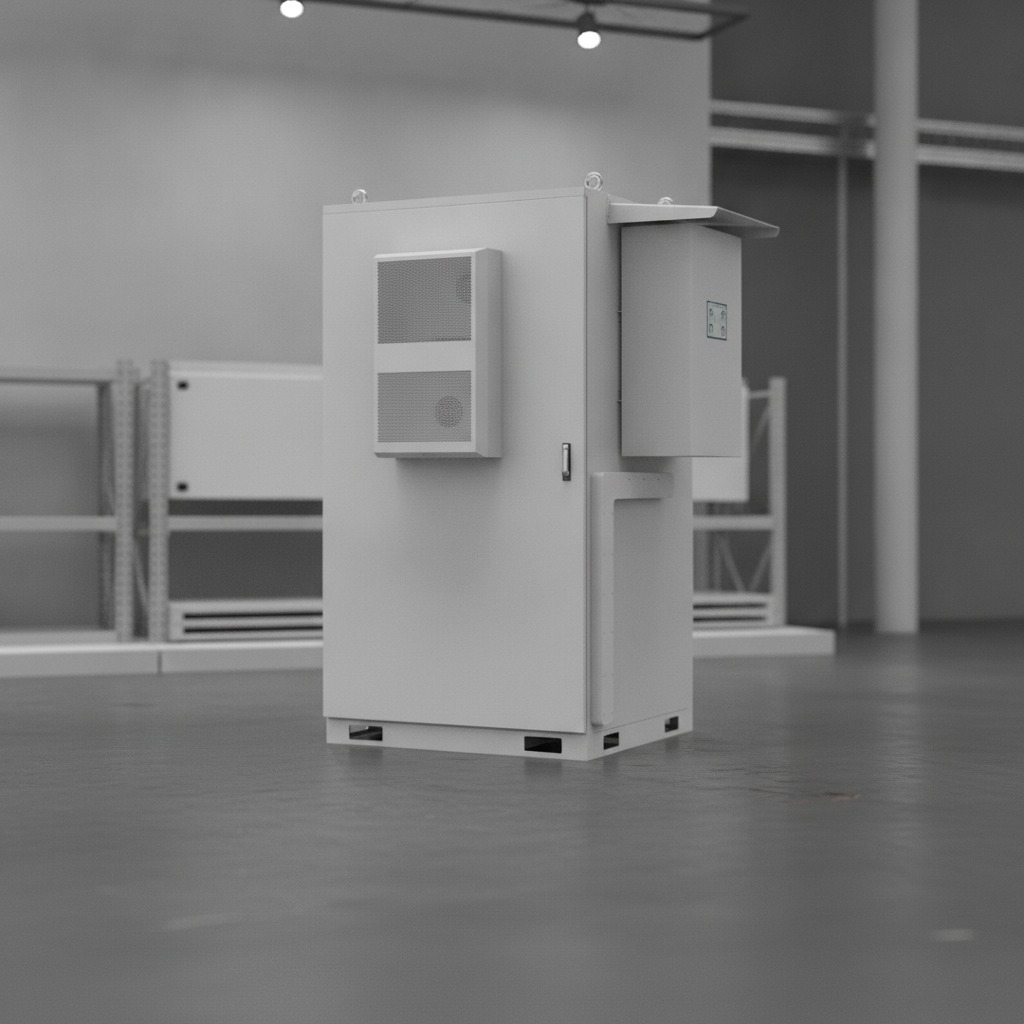
The enclosure described is a rectangular sheet-metal cabinet with a light gray or white painted finish, smooth panels, lifting eyes on top, and a base that appears to support moving or installation access. There is also a side-mounted vented module, plus what looks like an additional side compartment or accessory box. That combination is common in industrial equipment where cooling, service access, or control segmentation needs to be handled inside one robust housing.
For buyers, a cabinet like this usually signals a few things:
1. Handling was designed in from the start
Top lifting eyes or eyebolts are not cosmetic. They tell you the equipment is expected to be moved with rigging, hoisting, or crane support. In field work, that matters because storage equipment is often heavy, awkward, and difficult to reposition once it reaches the site. If the handling points are thoughtful, installation usually goes more smoothly.
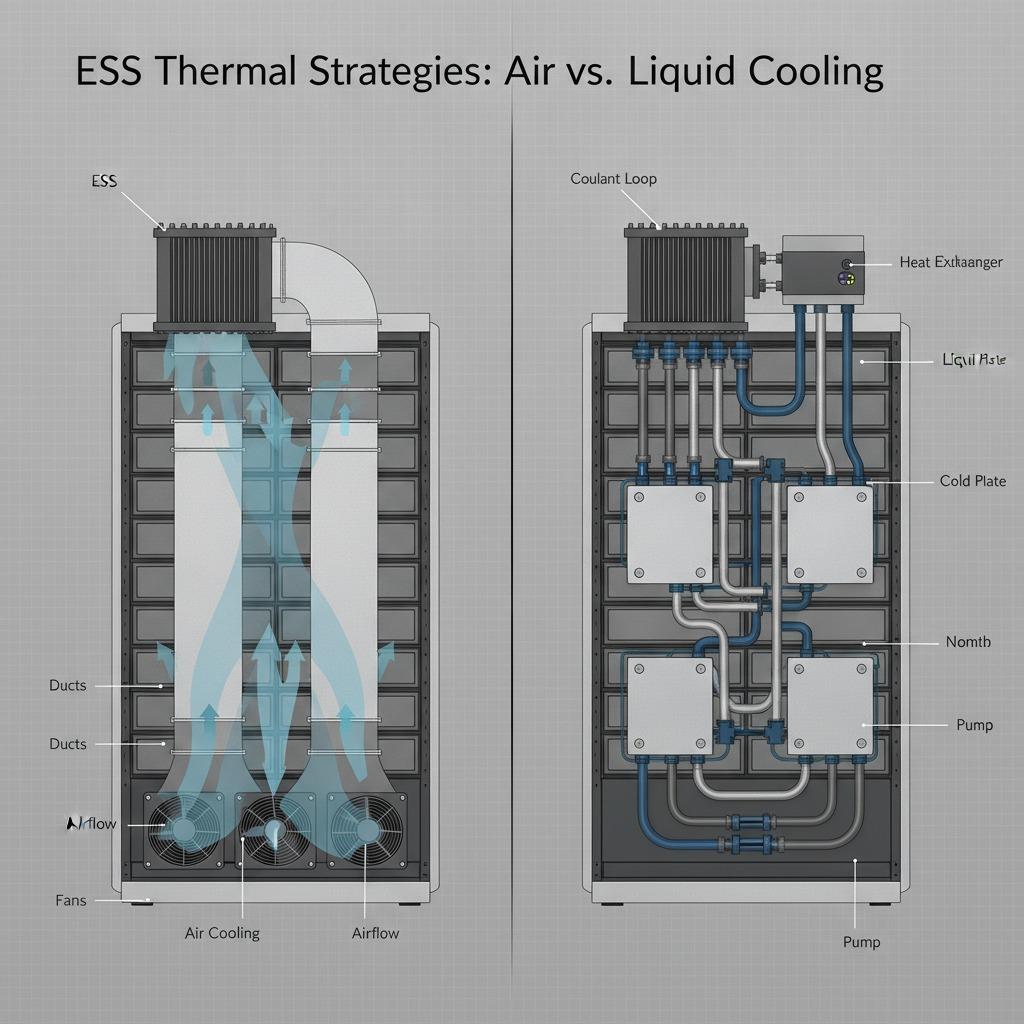
2. Thermal management is part of the package
The visible vented or louvered side module suggests airflow or cooling was considered. That does not reveal the exact thermal method, and it should not be read as proof of any specific cooling capacity. But it does show that the cabinet is more than a sealed box. For an energy storage system in a warm urban environment like Los Angeles, that is a sensible clue.
Heat is not a side issue in battery projects. It affects performance, component life, and service intervals. Even where the battery chemistry is not specified, the enclosure architecture must still account for internal heat loads, ambient conditions, and any dust or debris the site will throw at it.
3. Service access likely mattered
The front latch or handle and the modular side attachment suggest the cabinet may be intended for periodic access. In the field, serviceability is easy to underrate during specification and hard to forgive later. If a panel is difficult to open, if controls are buried behind unrelated hardware, or if airflow components are awkward to replace, technicians will remember it for years.
Why Los Angeles changes the design conversation
Los Angeles is a specific operating environment, not just a city name in a search query. That matters because storage systems installed here face a mix of constraints that are easy to underestimate from a spreadsheet.
Space is expensive. Roofs are crowded. Utility rooms are rarely oversized. Outdoor enclosures may have to sit in tight service corridors, loading areas, or fenced utility yards. Add in warm weather, dust, local permitting expectations, and the need to keep maintenance practical, and the equipment has to work harder before anyone even turns it on.
That is why Los Angeles energy storage projects tend to reward compact, modular, and service-friendly designs. Cabinets with forklift pockets or clearance cutouts, for example, are not just convenient. They can help crews set equipment safely in place without overcomplicating the move. Likewise, a painted sheet-metal finish can be perfectly adequate for many industrial settings, but the buyer should still confirm that the proposed surface treatment suits the actual exposure conditions on site.
A cautious note: not every storage project needs an oversized custom enclosure, and not every custom-looking cabinet is a better product. Sometimes the simplest well-ventilated housing is the smarter choice. The point is to match the enclosure to the installation, not to impress anyone during submittal review.
Selection criteria that should stay on the table
When sourcing a battery energy storage system LA project, the team should keep the decision grounded in a few practical checks.
Site environment
Indoor, outdoor, coastal-adjacent, dusty, shaded, or rooftop installation conditions all shape the enclosure requirement. If the enclosure will live outdoors, the buyer should ask how the cabinet is protected against weather, sunlight, and corrosion over time. If the project is inside a plant or utility room, clearance and maintenance access may matter more than external weathering.
Cooling approach
If the system relies on vents, fans, or other airflow features, ask how those components are maintained. Filters clog. Louvers collect dust. Fans age. None of that is unusual, but it needs to be planned for. Thermal design is not merely a box-checking exercise.
Access and handling
Lifting eyes, forklift entry, door swing, latch placement, and side compartments all affect installation and service. A cabinet that looks fine on a drawing can become a nuisance once crews try to land it near a wall or adjacent skids.
Integration with the electrical package
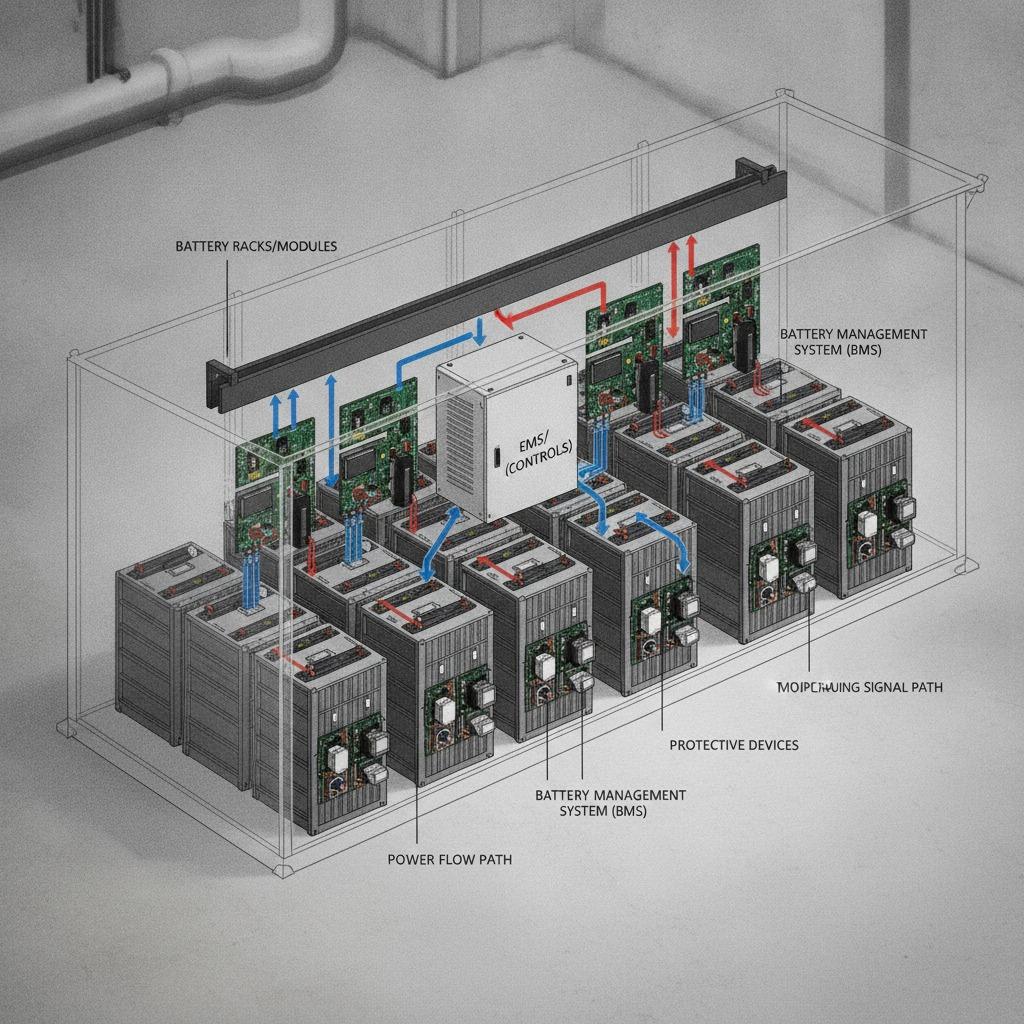
The enclosure may house control equipment, power distribution parts, or automation components. In a storage project, that means the cabinet has to cooperate with the rest of the electrical architecture, not fight it. Cable routing, maintenance access, and modular expansion should be discussed early.
Common mistakes teams make when sourcing storage equipment
One common mistake is focusing too narrowly on battery capacity and ignoring the housing that supports the whole system. Another is assuming the same enclosure design will perform equally well in every site condition. It will not.
A second mistake is treating ventilation as a minor accessory. In practice, cooling and airflow can shape the reliability of an installation more than buyers expect, especially when the system is operating under sustained load in a warm region.
A third misstep is forgetting that maintenance workers need to live with the equipment after commissioning. If the enclosure makes routine checks difficult, the site will pay for that decision in slower service and more downtime risk.
How to evaluate a supplier or fabricator
If you are reviewing a custom metal enclosure fabrication partner for this kind of project, the useful questions are straightforward.
- Can they build heavy-duty cabinet form factors for industrial electrical use?
- Do they understand how to integrate vents, access panels, and accessory compartments without weakening the structure?
- Can they support handling features such as lifting eyes or forklift access?
- Do they ask the right questions about installation environment and thermal load?
- Are they comfortable working from application requirements rather than just a generic box drawing?
A capable fabrication partner should be able to discuss the enclosure as part of the system, not as an afterthought. That is especially important for outdoor utility settings, plant electrical rooms, and battery-adjacent infrastructure where serviceability and protection are both critical.
Practical buyer advice before you release a purchase order
Before approving hardware for an energy storage system Los Angeles installation, make sure the project team has answered the basics:
- Where will the cabinet sit, and what clearance will technicians need?
- Is the thermal concept suitable for the actual ambient conditions?
- Does the handling design match the site installation method?
- What must be inside the enclosure now, and what may need to be added later?
- How often will service access be needed, and from which side?
Those questions sound simple, but they prevent the most expensive kind of surprise: a finished system that technically works yet is hard to install or harder still to maintain.
FAQ for procurement and engineering teams
Is an enclosure the same thing as the storage system?
No. The cabinet is only one part of the full system, but it can strongly influence reliability, maintainability, and installation cost.
Does a vented cabinet mean the system is battery-based?
Not necessarily. A vented electrical cabinet could support controls, power electronics, or other industrial equipment. The exact function needs confirmation from the supplier.
Why does cabinet fabrication matter so much in Los Angeles?
Because the local combination of space pressure, temperature, and field-service expectations makes poor enclosure design expensive very quickly.
Should buyers ask about custom metal enclosure fabrication even for standard projects?
Yes. Even standard storage systems often need site-specific cabinet features, especially when the electrical room, yard, or rooftop layout is not generous.
The decision that actually matters
The smartest storage purchase is not always the biggest battery or the flashiest controls package. It is the one that fits the site, survives the environment, and can be serviced without drama. For Los Angeles energy storage projects, that usually means paying close attention to the cabinet as well as the chemistry.
If your team is comparing layouts, enclosure styles, or custom cabinet options for a storage project, start with the installation reality first. Then work backward to the electrical package. That is the order that tends to save time, reduce field changes, and keep the project from drifting into avoidable customization.