
Understanding the Solar Voltaic System: A Path to Sustainable Energy
In today's world, embracing renewable energy sources is crucial for a sustainable future, and the solar voltaic system stands at the forefront of this revolution. This innovative technology harnesses the power of the sun to generate electricity, offering an eco-friendly alternative to traditional energy sources. At Yangzhou Bright Solar Solutions Co., Ltd., known as BR Solar, we are dedicated to pioneering solutions like the solar voltaic system, integrating photovoltaic technology to deliver clean, reliable power to homes and businesses worldwide.
The Fundamentals of Photovoltaic Technology
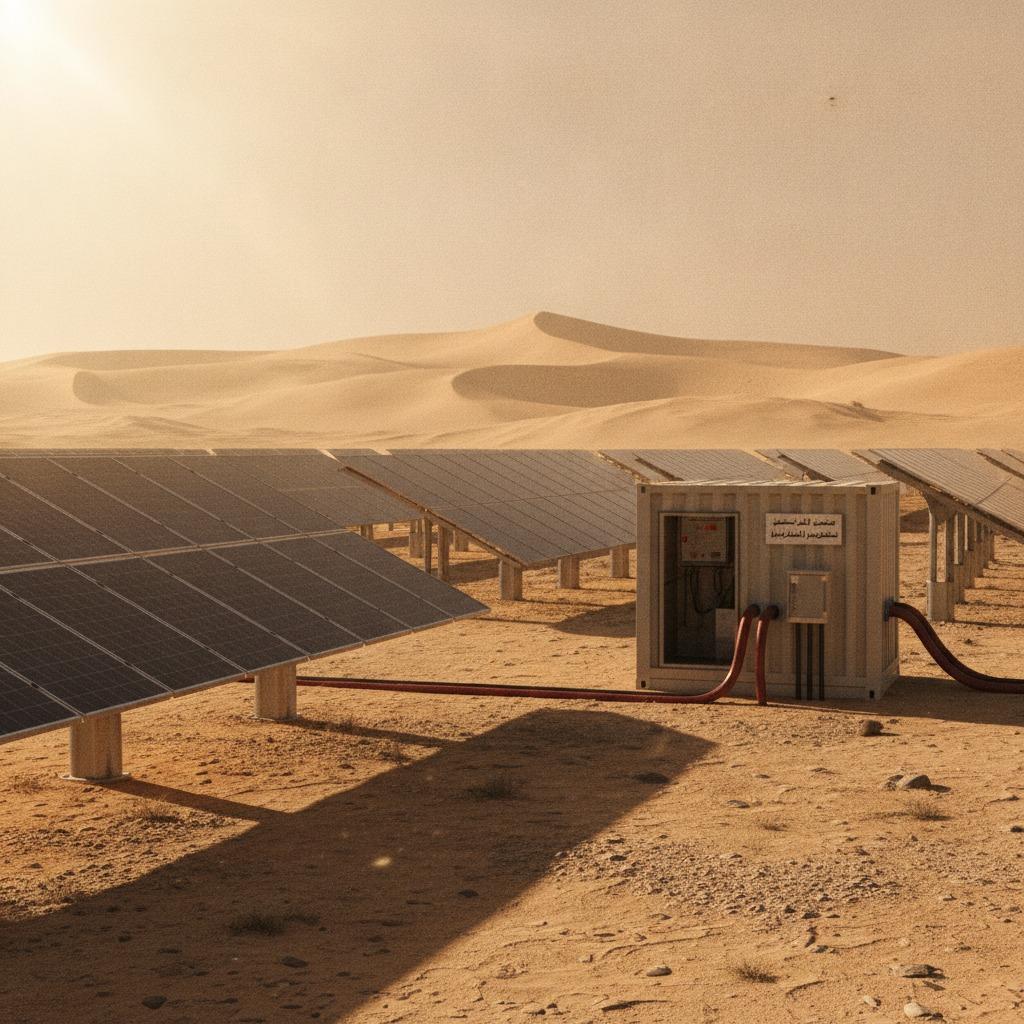
Photovoltaic technology forms the core of any solar voltaic system, converting sunlight directly into electricity through the photovoltaic effect. This process involves semiconductor materials, typically silicon, that absorb photons from sunlight, exciting electrons and creating a flow of direct current. BR Solar's commitment to high-tech innovation is evident in our products, such as the UM29vXhCT3SM7Ct Solar Panel, which utilizes advanced monocrystalline cells to achieve superior energy conversion rates, even in suboptimal lighting conditions.
Our expertise in photovoltaics spans decades, allowing us to refine this technology for maximum efficiency. Unlike conventional power generation methods that rely on fossil fuels, photovoltaic technology produces no emissions during operation, significantly reducing carbon footprints. For instance, in residential setups, this means households can power their daily needs—from lighting to appliances—while contributing to global environmental goals. BR Solar's panels are engineered for durability, featuring robust frames that withstand harsh weather, ensuring long-term performance and minimal maintenance.
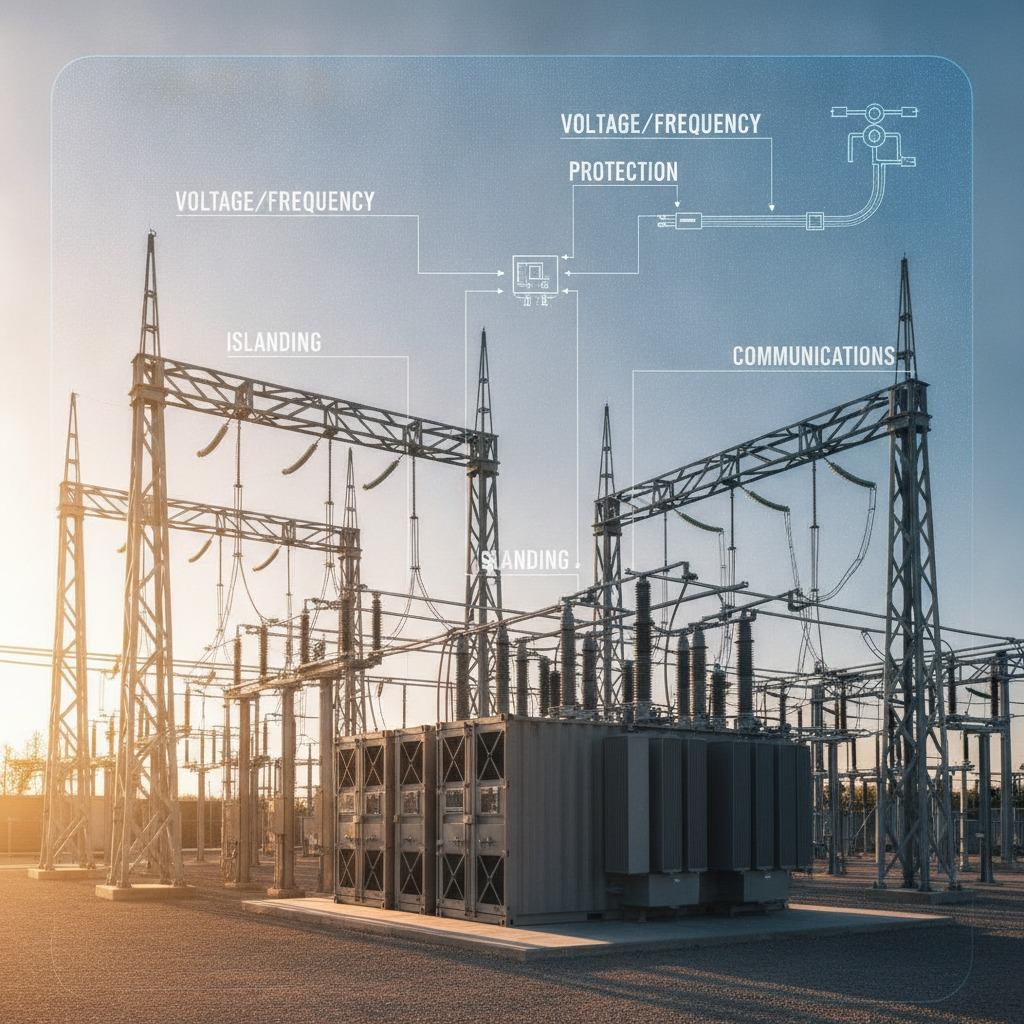
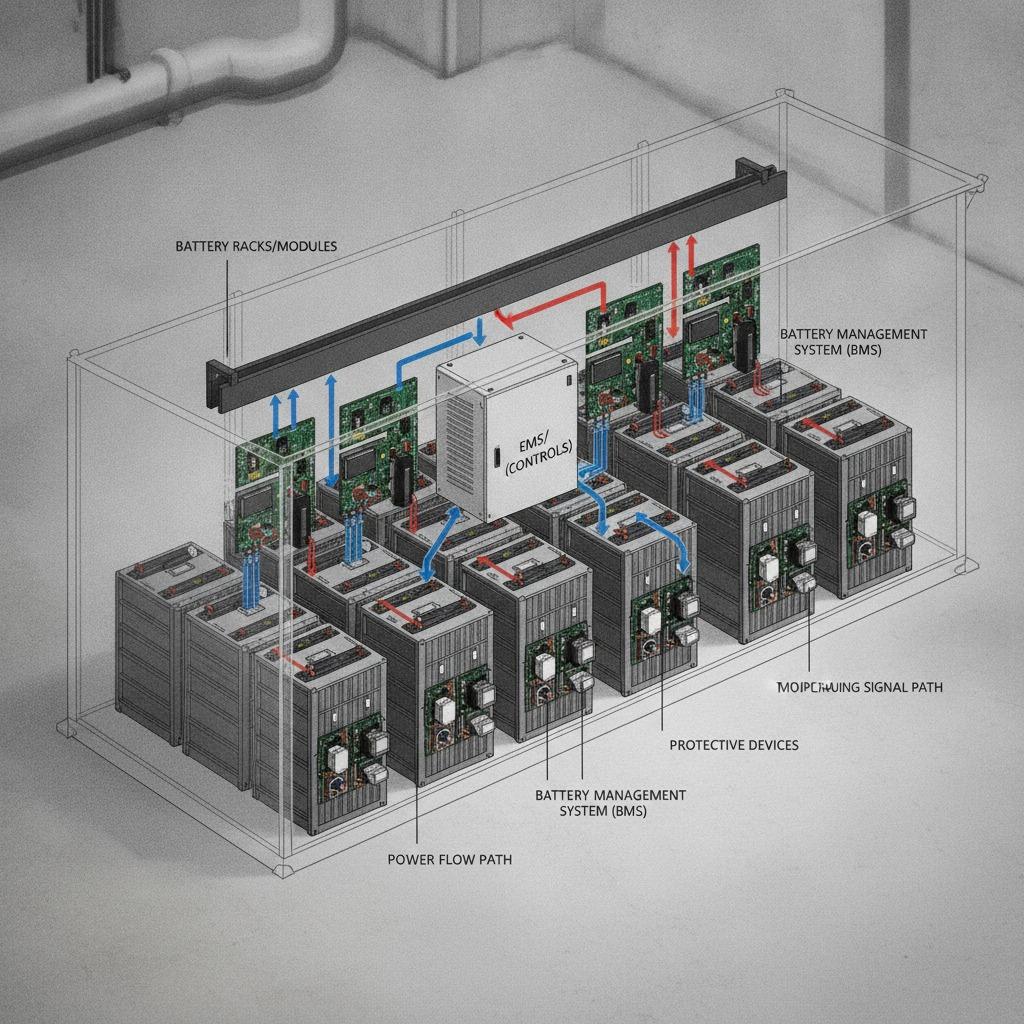
As a national high-tech enterprise, BR Solar integrates photovoltaic technology into comprehensive energy solutions, including energy storage batteries and smart micro-grid systems. This holistic approach not only optimizes energy use but also enhances grid stability, making photovoltaic technology a cornerstone for modern renewable energy infrastructures.
Mastering Solar Panel Installation for Optimal Results
Effective solar panel installation is key to unlocking the full potential of a solar voltaic system. The process begins with a thorough site assessment to determine the best orientation and tilt angle for maximum sunlight exposure. At BR Solar, our installation services are tailored to both residential and commercial applications, ensuring seamless integration with existing structures. The UM29vXhCT3SM7Ct Solar Panel, with its compact and sleek design, facilitates easy mounting on rooftops, ground mounts, or even integrated into building facades.
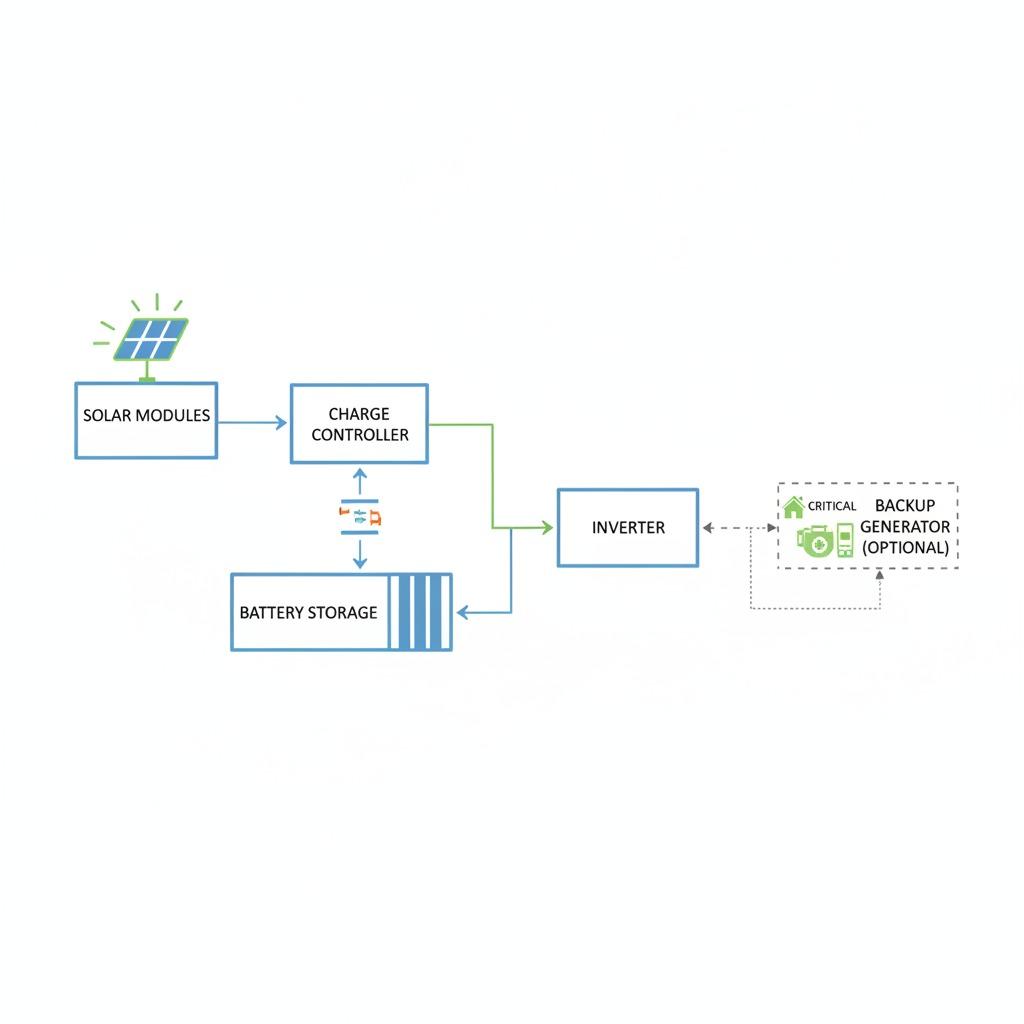
During installation, professional technicians from BR Solar prioritize safety and precision, using high-quality mounting hardware to secure panels against wind and seismic activities. Wiring and inverters are then connected to convert the direct current from the panels into usable alternating current for your home or business. This step is critical in a solar voltaic system, as it ensures compatibility with standard electrical grids. Our one-stop solutions extend to post-installation monitoring, where smart systems track performance in real-time, allowing for adjustments to boost efficiency.
Solar panel installation not only reduces energy bills but also increases property value, with many regions offering incentives like tax credits. BR Solar has successfully deployed these systems in over 150 countries, from urban high-rises to remote industrial sites. By focusing on quality first and global service, we make the transition to solar power accessible and rewarding, empowering clients to achieve energy independence while supporting the planet's health.
Exploring the Versatility of Solar Power Systems
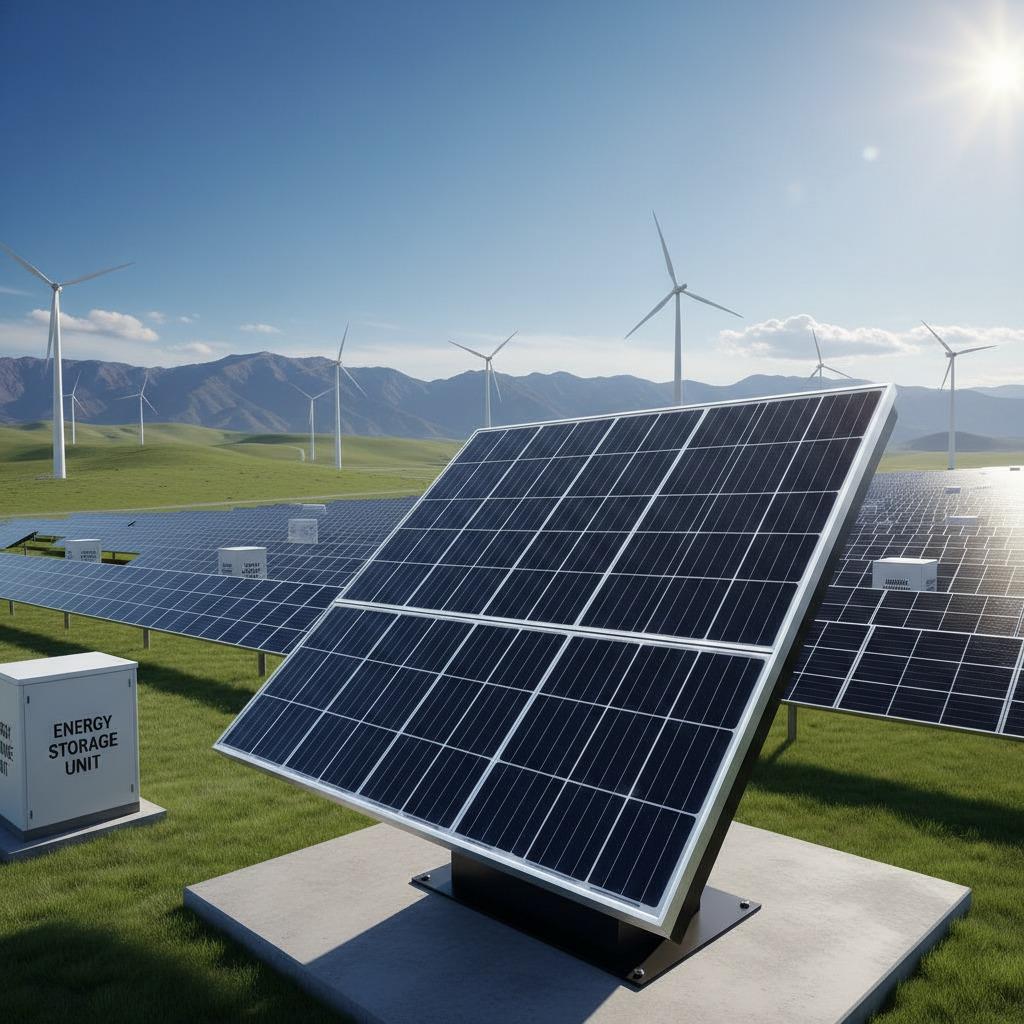
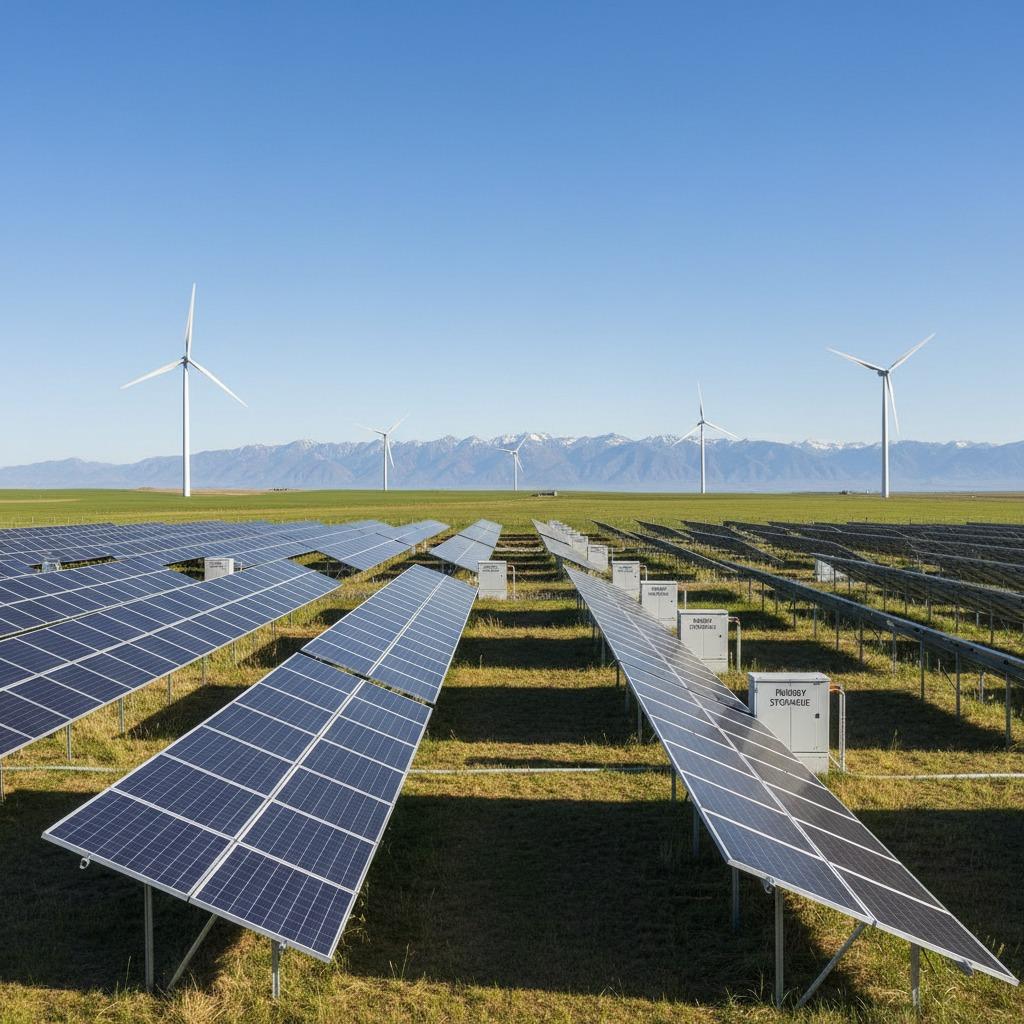
Solar power systems encompass a broad array of configurations, all built around the principles of the solar voltaic system to meet diverse energy needs. These systems can range from simple off-grid setups for rural areas to complex hybrid grids combining solar with wind or battery storage. BR Solar's renewable energy installations exemplify this versatility, featuring expansive arrays of solar panels alongside wind turbines and advanced energy storage units to create resilient power ecosystems.
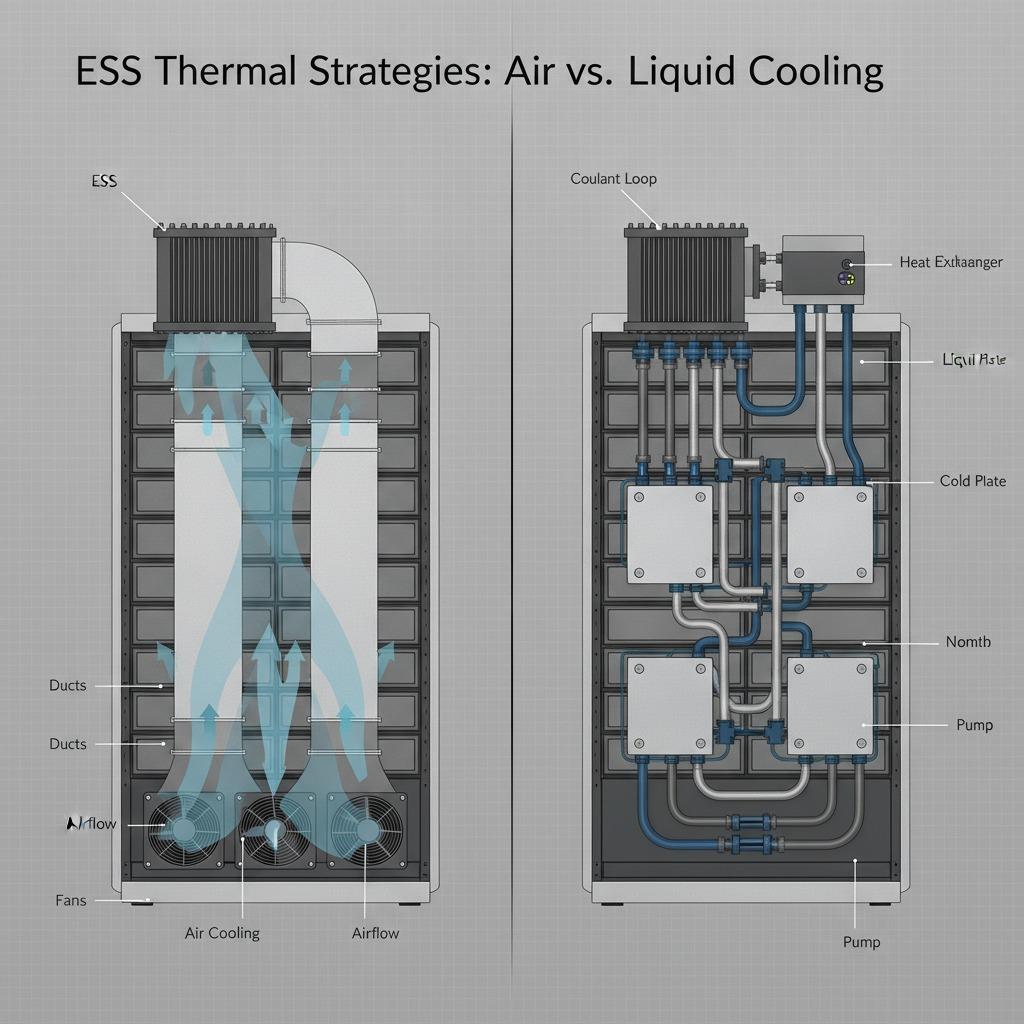
In a typical solar power system, panels capture sunlight, inverters manage conversion, and batteries store surplus energy for use during cloudy periods or at night. Our state-of-the-art parks demonstrate how these components work in harmony: solar panels optimized for all-day energy capture, complemented by turbines that generate power from wind flows, and storage solutions that balance supply and demand. This integration ensures uninterrupted electricity, even in fluctuating environmental conditions, making solar power systems ideal for sustainable communities.
BR Solar's solar power systems are designed with scalability in mind, allowing businesses to expand as their energy demands grow. For residential users, compact systems like those powered by the UM29vXhCT3SM7Ct panel provide sufficient output for everyday use, while industrial applications benefit from micro-grid setups that enhance operational efficiency and reduce reliance on non-renewable sources. By prioritizing innovation in lithium batteries and smart controls, we drive the global energy transition, offering solutions that are both economically viable and environmentally responsible.
Benefits and Future Prospects of Solar Voltaic Systems
Adopting a solar voltaic system brings multifaceted benefits, from financial savings to environmental preservation. Over time, the reduction in utility bills can lead to significant returns on investment, often within 5-7 years, depending on location and system size. Environmentally, these systems cut down on greenhouse gas emissions, playing a vital role in combating climate change. BR Solar's global reach underscores our impact, as we deliver clean energy solutions that power homes, schools, and industries across continents.
Looking ahead, advancements in photovoltaic technology promise even higher efficiencies and lower costs, making solar voltaic systems more accessible. BR Solar is at the vanguard of this evolution, investing in research to enhance panel durability and integration with emerging technologies like AI-driven energy management. Our vision aligns with a greener planet, where solar power systems become the norm, fostering energy security and innovation.
In essence, the solar voltaic system represents a beacon of hope for sustainable development. Through our dedication at BR Solar, we invite you to join this transformative journey, harnessing the sun's boundless energy for a brighter tomorrow.