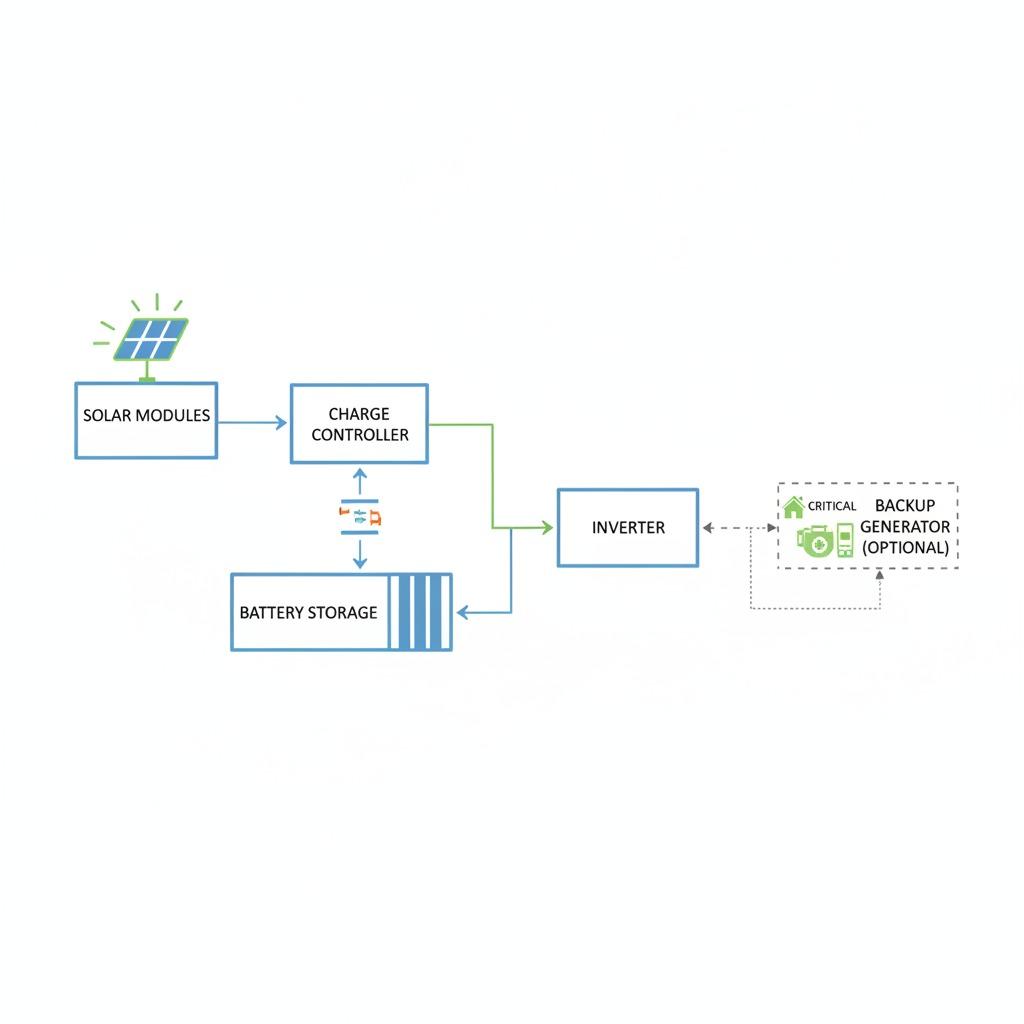

Understanding Residential Energy Storage Solutions
Residential energy storage solutions are revolutionizing how homeowners manage their power needs, especially in an era where energy independence and sustainability are paramount. These systems allow users to store excess electricity generated from renewable sources, ensuring a reliable supply during outages or peak demand times. By integrating advanced battery technology, residential energy storage solutions like those from BR Solar Group provide a seamless way to harness and utilize clean energy efficiently. This not only reduces reliance on the grid but also lowers utility bills over time.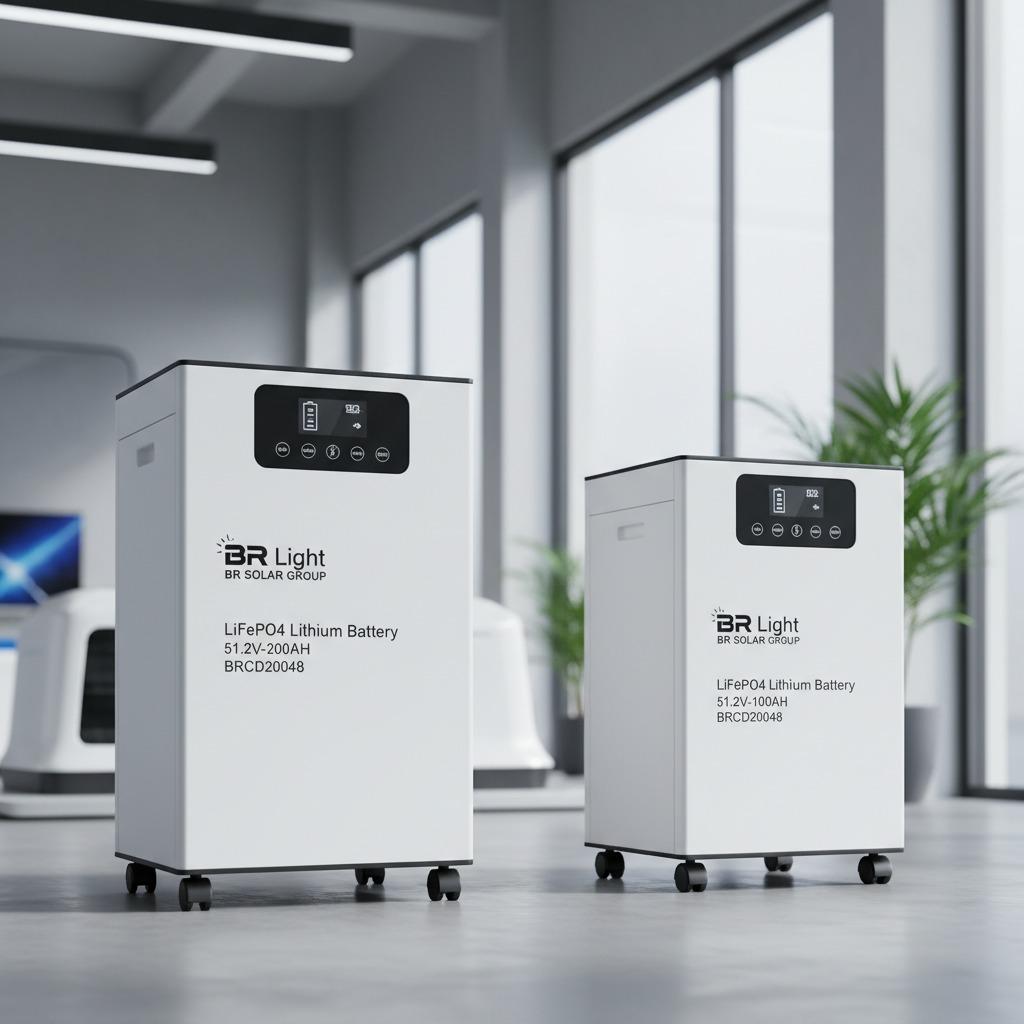
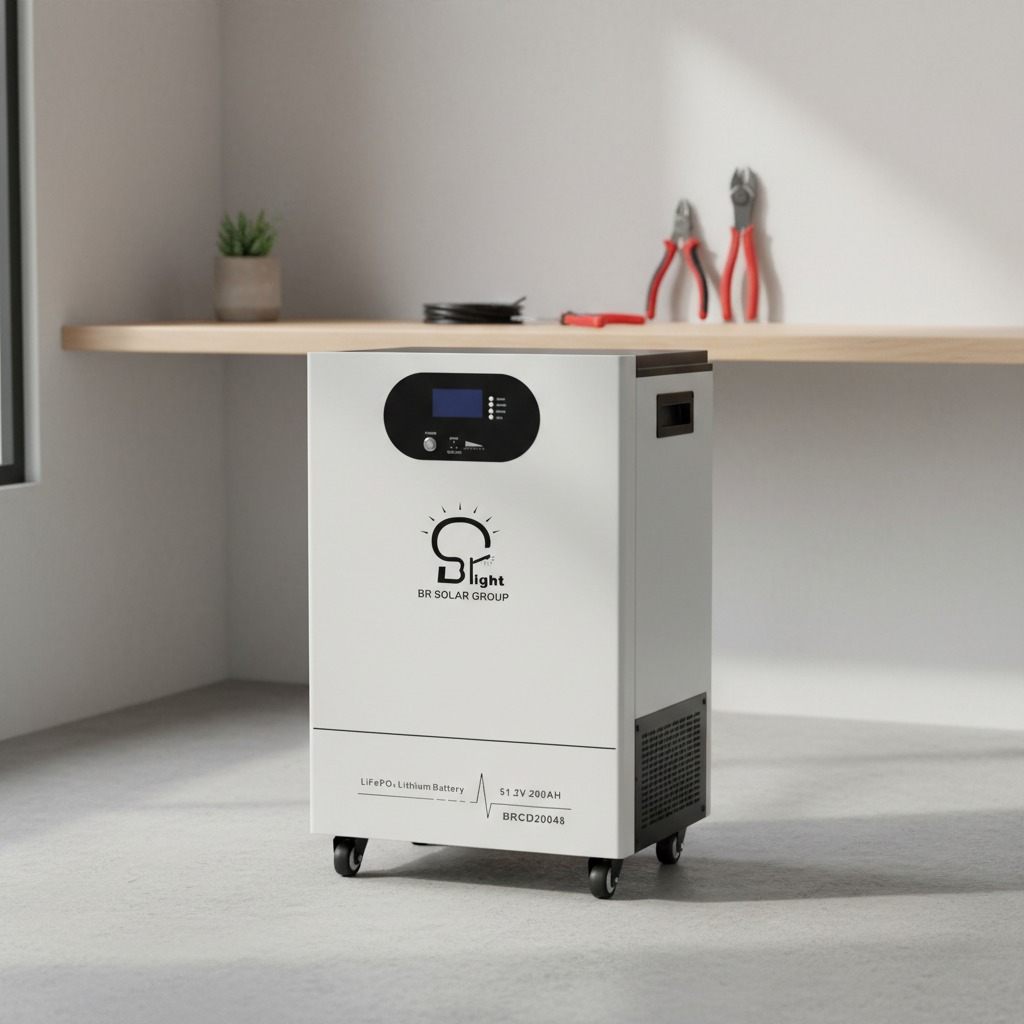
The core appeal of residential energy storage solutions lies in their ability to support off-grid living and backup power. For instance, the BR Light Model BRCD20048 from BR Solar Group features a high-capacity LiFePO4 Lithium Battery with a 51.2V-200Ah configuration, making it ideal for homes seeking robust energy management. Its sleek design, complete with caster wheels for easy mobility, ensures it fits effortlessly into any living space. With a digital display offering intuitive controls for power indicators and operational status, users can monitor and adjust settings without hassle. This model exemplifies how residential energy storage solutions can blend functionality with modern aesthetics, promoting a greener lifestyle.
As energy costs continue to rise, investing in residential energy storage solutions becomes a smart financial move. These systems store surplus energy produced during the day, releasing it when needed, which optimizes consumption patterns. BR Solar Group's commitment to innovation shines through in their products, empowering homeowners to achieve energy autonomy while contributing to environmental conservation.
Exploring Solar Energy Storage
Solar energy storage is a critical component of residential setups, enabling the capture and retention of sunlight-generated power for later use. Paired with photovoltaic panels, solar energy storage systems ensure that no energy goes to waste, even after sunset or on cloudy days. This technology is particularly beneficial for households aiming to maximize their solar investments, providing a steady flow of electricity without intermittent disruptions.
In the BR Light Model BRCD20048, solar energy storage is enhanced by its efficient LiFePO4 battery chemistry, known for longevity and safety. The unit's advanced control panel allows users to navigate menus effortlessly, adjusting settings for optimal performance. Features like work status indicators and run alarms keep everything running smoothly, alerting users to any potential issues proactively. Solar energy storage through such reliable hardware means homeowners can confidently expand their renewable portfolio, reducing carbon footprints significantly.
Moreover, solar energy storage options are evolving rapidly, with BR Solar Group leading the charge in eco-friendly designs. The battery's high capacity ensures it can handle daily loads, from powering appliances to supporting emergency backups. By choosing solar energy storage, families not only gain energy resilience but also align with global sustainability goals, making it a forward-thinking choice for modern living.
Advancements in Residential Battery Technology
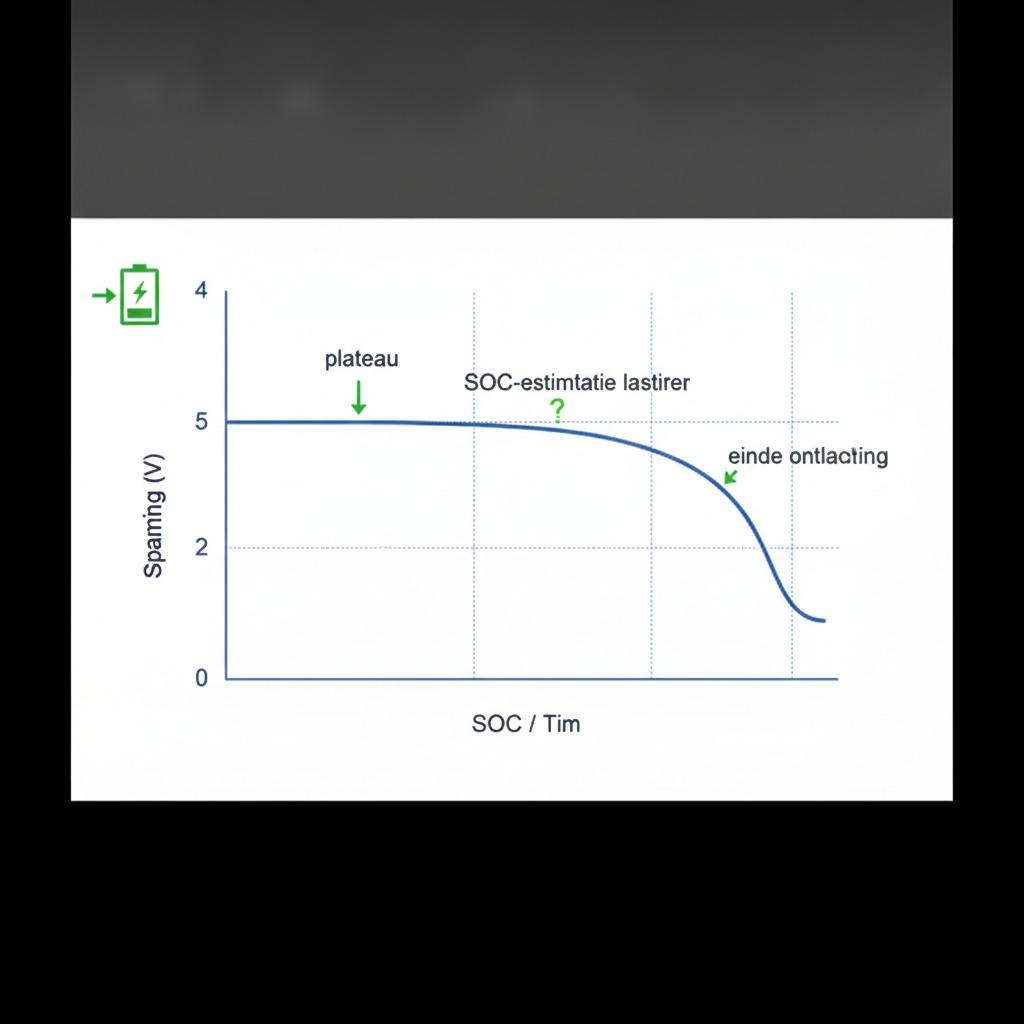
Residential battery technology has advanced tremendously, offering safer, more efficient alternatives to traditional lead-acid batteries. Lithium-based systems, such as those using LiFePO4, provide higher energy density and longer cycle life, making them perfect for home applications. These batteries charge quickly and discharge steadily, ensuring consistent power delivery without the degradation seen in older technologies.
The BR Light Lithium Battery from BR Solar Group, with its 51.2V-100Ah specification in some configurations, showcases these advancements beautifully. Its durable housing and user-friendly interface, including buttons for menu navigation and setting adjustments, make it accessible even for non-technical users. The eco-friendly nature of residential battery technology in this model minimizes environmental impact, as LiFePO4 chemistry avoids toxic materials and supports recyclability.
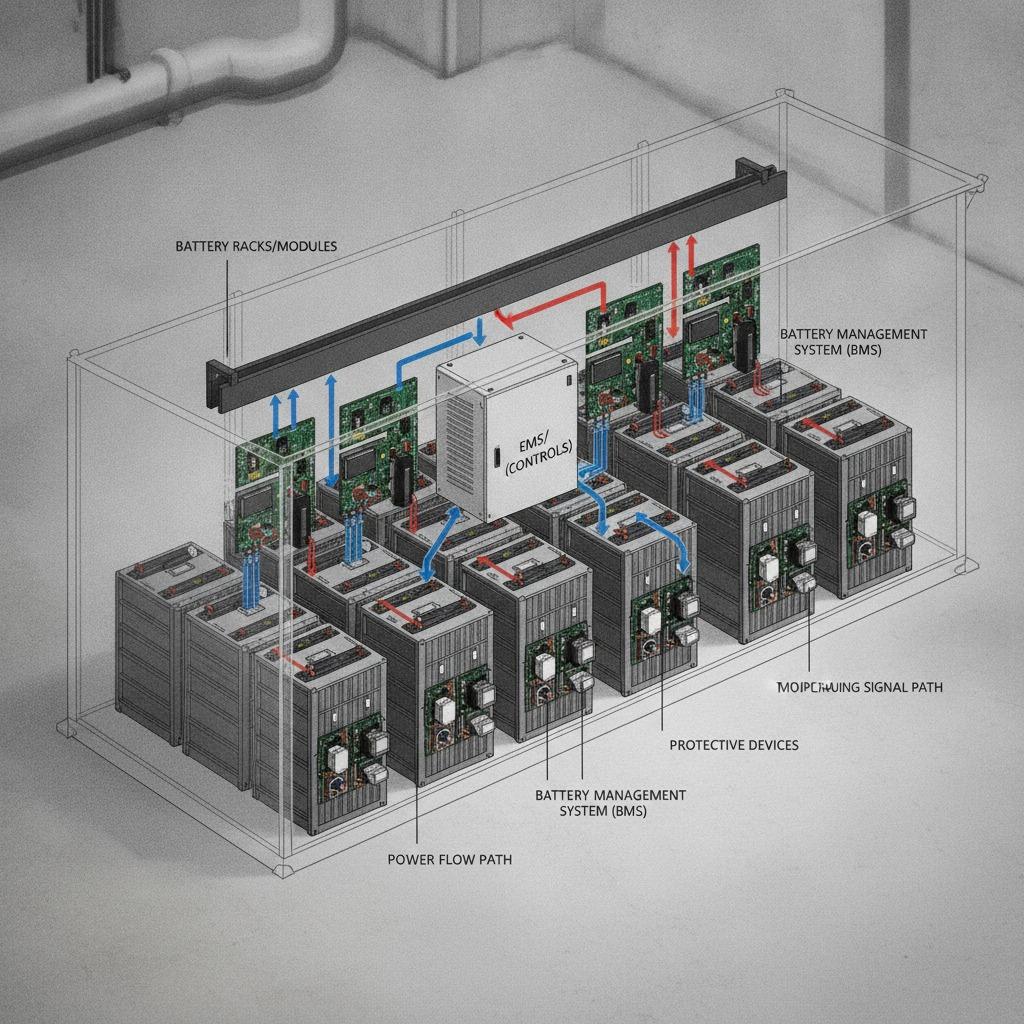
Key to residential battery technology is its integration with smart home systems, allowing remote monitoring via apps or displays. BR Solar Group's product includes power management indicators that simplify oversight, preventing over-discharge and extending battery life. As demand for clean energy grows, residential battery technology continues to innovate, offering homeowners peace of mind through dependable, high-performance storage.
Evaluating Renewable Energy Storage Options
Renewable energy storage options encompass a variety of systems designed to complement sources like solar and wind, storing power for when generation is low. For residential users, selecting the right option involves considering capacity, scalability, and compatibility with existing setups. Options range from modular batteries to integrated all-in-one units, each tailored to different needs and budgets.
BR Solar Group's BR Light series stands out among renewable energy storage options due to its versatility for home, commercial, and industrial use. The model's caster wheels facilitate easy installation and repositioning, while its streamlined design ensures it doesn't detract from home decor. With features like alarm notifications and efficient power management, it provides comprehensive support for renewable integration.
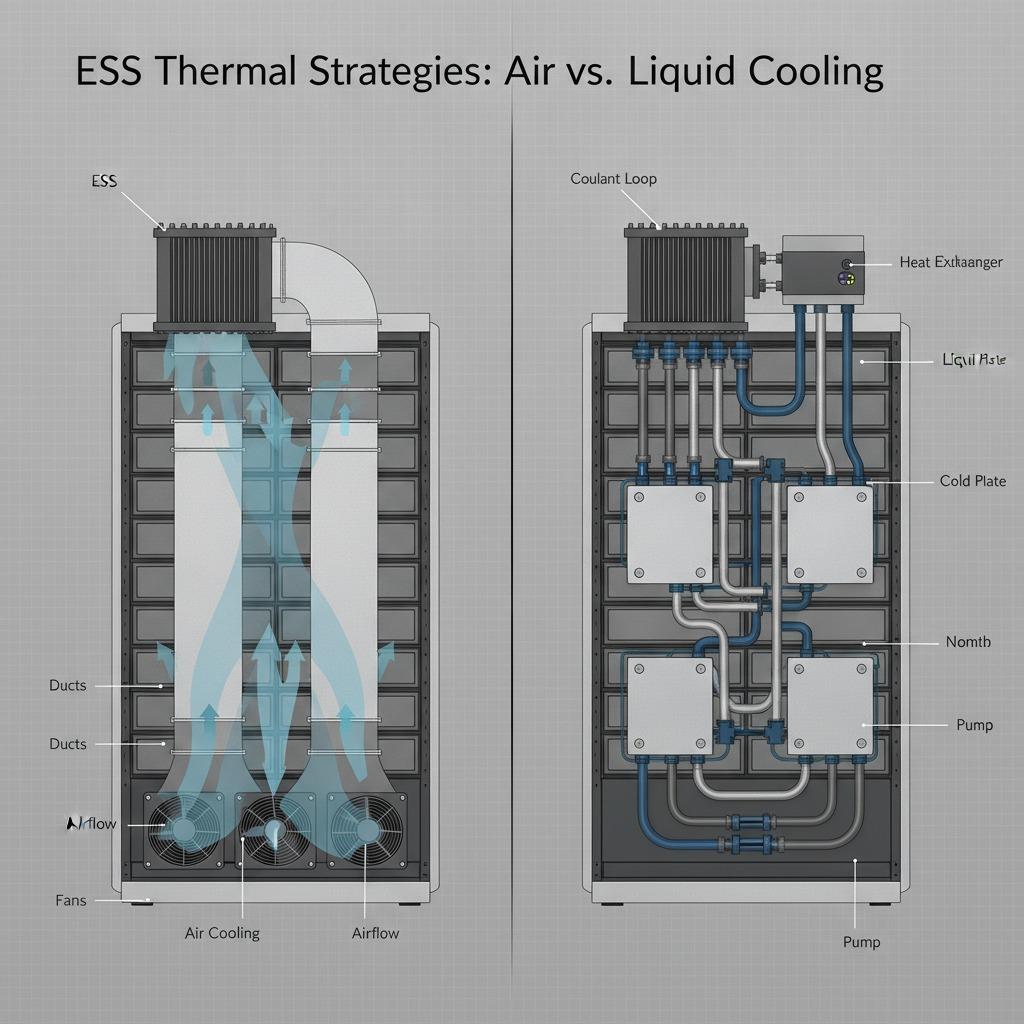
When comparing renewable energy storage options, factors such as efficiency and maintenance come into play. The LiFePO4 batteries in BR products require minimal upkeep and offer superior thermal stability, reducing fire risks compared to other chemistries. Homeowners benefit from these options by achieving energy independence, potentially qualifying for incentives like tax credits for solar installations. Ultimately, renewable energy storage options like those from BR Solar Group pave the way for a sustainable future, balancing reliability with environmental stewardship.
Benefits and Implementation of Residential Energy Storage Solutions
Implementing residential energy storage solutions brings numerous benefits, from cost savings to enhanced energy security. By storing excess renewable energy, users avoid peak-hour rates and reduce overall consumption from fossil fuel-based grids. In regions prone to blackouts, these solutions act as lifelines, powering essentials during disruptions.
The BRCD20048 model's high-capacity setup supports extended runtime, making it suitable for whole-home backup. Its intuitive digital interface simplifies daily interactions, with options to view operational status at a glance. BR Solar Group's focus on sustainability ensures that every unit contributes to lower emissions, aligning with global efforts to combat climate change.
To implement effectively, start by assessing your energy needs—calculate daily usage and pair with appropriate solar capacity. Professional installation ensures safety and optimal performance, often including warranties for peace of mind. As residential energy storage solutions become more accessible, more families are transitioning to renewables, enjoying lower bills and a reduced ecological footprint.
In conclusion, whether through solar energy storage, advanced residential battery technology, or broader renewable energy storage options, BR Solar Group's innovations make the shift straightforward. These systems not only empower users with control over their energy but also foster a cleaner planet, proving that sustainable living is both practical and rewarding.