

How Much Solar Power for Home? Start With the Load, Not the Panels

If you are trying to figure out how much solar power for home use is enough, the first mistake is usually the same one: people start with panel count instead of electricity demand. That sounds harmless until the roof is full, the bill barely moves, and the battery backup still does not cover the evening load. The better question is not how many panels look good on a spec sheet, but what size system will actually match the way the house is used.
For engineers, sourcing teams, and product groups, this is a sizing problem before it is a purchasing problem. The right answer depends on usage, roof area, solar resource, inverter limits, and whether the homeowner wants bill offset, outage protection, or both. A system that is too small disappoints. A system that is oversized can be hard to justify if the roof, budget, or utility rules do not support it.
The Quick Way to Think About System Size
The size of solar system for house applications is usually discussed in kilowatts, but the practical starting point is kilowatt-hours per day. A home that uses 20 kWh per day needs a very different design from one that uses 45 kWh per day, even if both have similar roof layouts.
A rough sizing path looks like this:
1. Find the home’s average daily electricity use from utility bills.
2. Check local solar production, which varies by region, roof angle, orientation, shading, and season.
3. Decide the coverage target. Some buyers want 100% bill offset, others want partial offset.
4. Account for losses in the real system: inverter conversion, wiring, temperature, dust, and mismatch.
5. Confirm whether batteries, EV charging, heat pumps, or pool equipment should be included in the design load.
That last step is where many projects drift. A house may appear modest on paper, then the owner adds an electric vehicle or a heat pump and the system feels undersized before it is even commissioned.
Step 1: Use the Electric Bill as the Baseline
The most reliable starting point is monthly consumption history. Twelve months of utility data is better than one seasonal bill, because cooling and heating loads can swing a lot. Divide annual kilowatt-hours by 365 to get a daily average, then compare that against the local solar yield.
A practical buyer-facing warning here: do not size only from last month’s bill if the home was empty, if the family was away, or if the weather was unusually mild. Solar is a long-life asset; the load picture needs to be equally long view.
For many homes, the decision is less about absolute maximum output and more about acceptable coverage. A system that offsets 60% to 80% of annual usage may be more practical than chasing a perfect match that the roof cannot support.
Step 2: Estimate What the Roof Can Really Produce
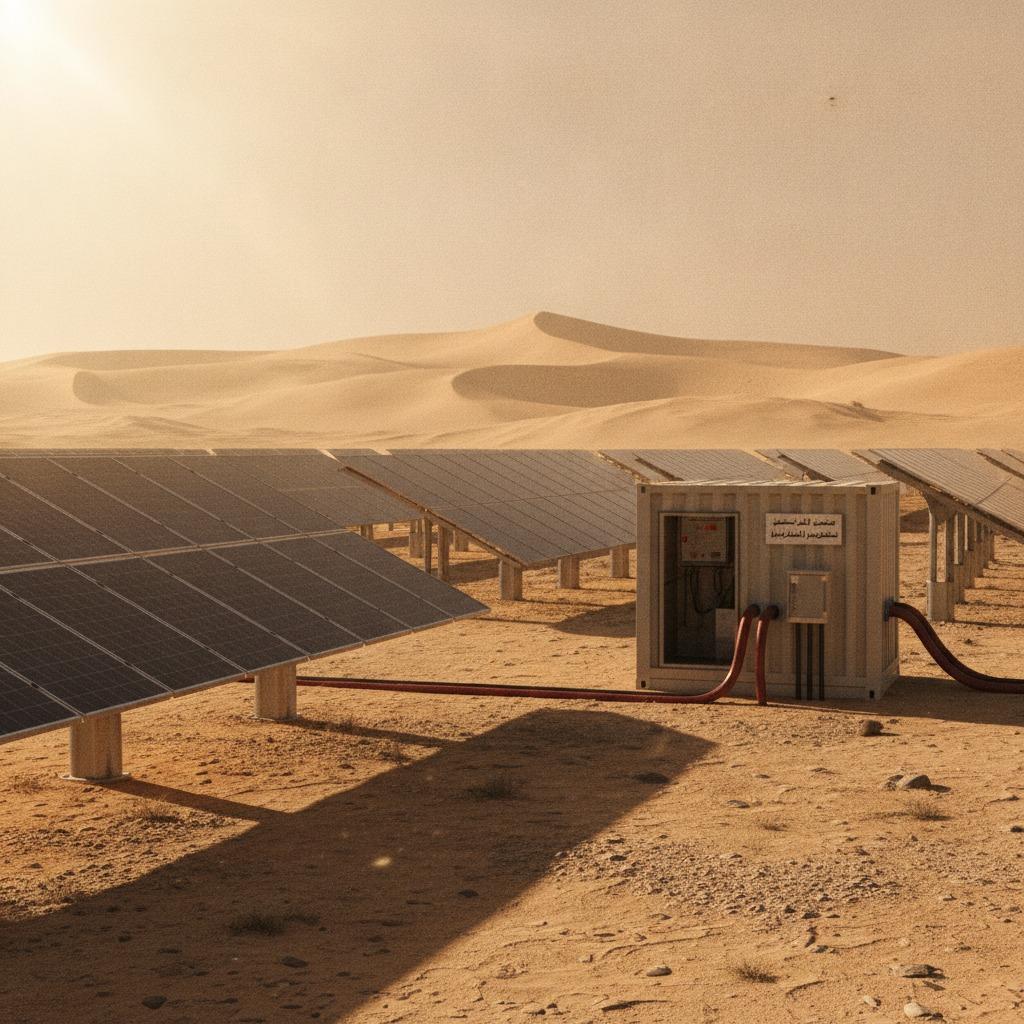
Panels do not generate their nameplate rating all day. The actual output depends on climate and installation details. A 10 kW array will not produce 10 kW continuously; it may only approach that under strong midday sun, cool conditions, and favorable orientation.
This is where design teams often need to be disciplined. Roof area, shading from trees or neighboring buildings, and the direction of the roof plane can reduce usable output more than casual estimates suggest. South-facing roofs in the northern hemisphere generally perform well, but east-west layouts can still be workable when the goal is to spread production across the day.
If the home has limited roof space, high-efficiency modules may matter more than many buyers expect. If space is abundant, lower-cost modules can be acceptable, provided the rest of the system is balanced.
Rule-of-Thumb Sizes for Different Home Loads
There is no universal answer to how much solar power for home use is enough, but rule-of-thumb ranges are still useful as a first pass.
A smaller home with modest usage may land around 3 kW to 5 kW.
A typical family home with average electric demand often sits around 5 kW to 10 kW.
Homes with high air-conditioning loads, EV charging, electric water heating, or heat pumps may need 10 kW or more.
Those numbers are only starting points. A 6 kW system in a sunny region can outperform a 9 kW system in a poor solar location, and a shaded roof can make both estimates optimistic. Buyers should treat rules of thumb as screening tools, not final design values.
Step 3: Decide Whether You Are Targeting Bill Savings or Resilience
This choice changes the whole project.
If the main goal is bill reduction, the design can be simpler. The system can be optimized for annual energy offset, utility tariff structure, and peak production during high-rate hours.
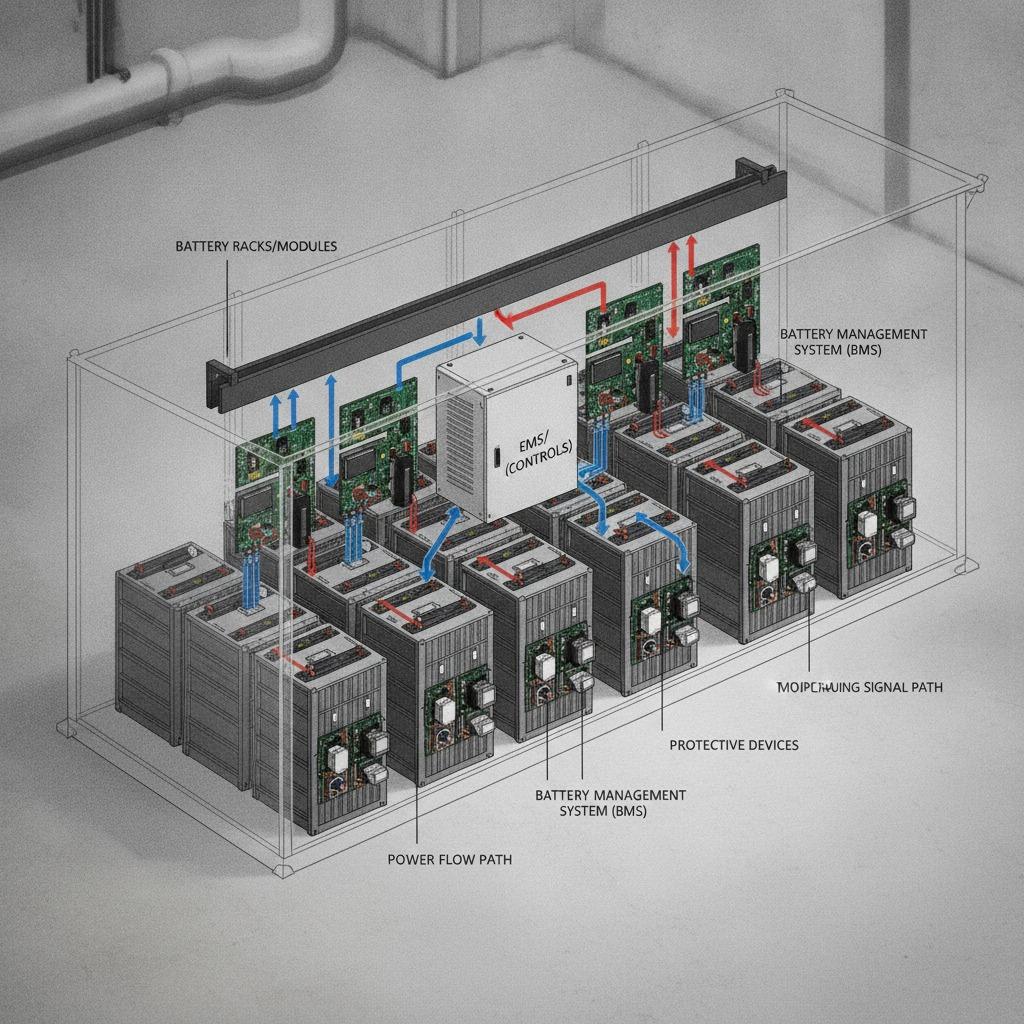
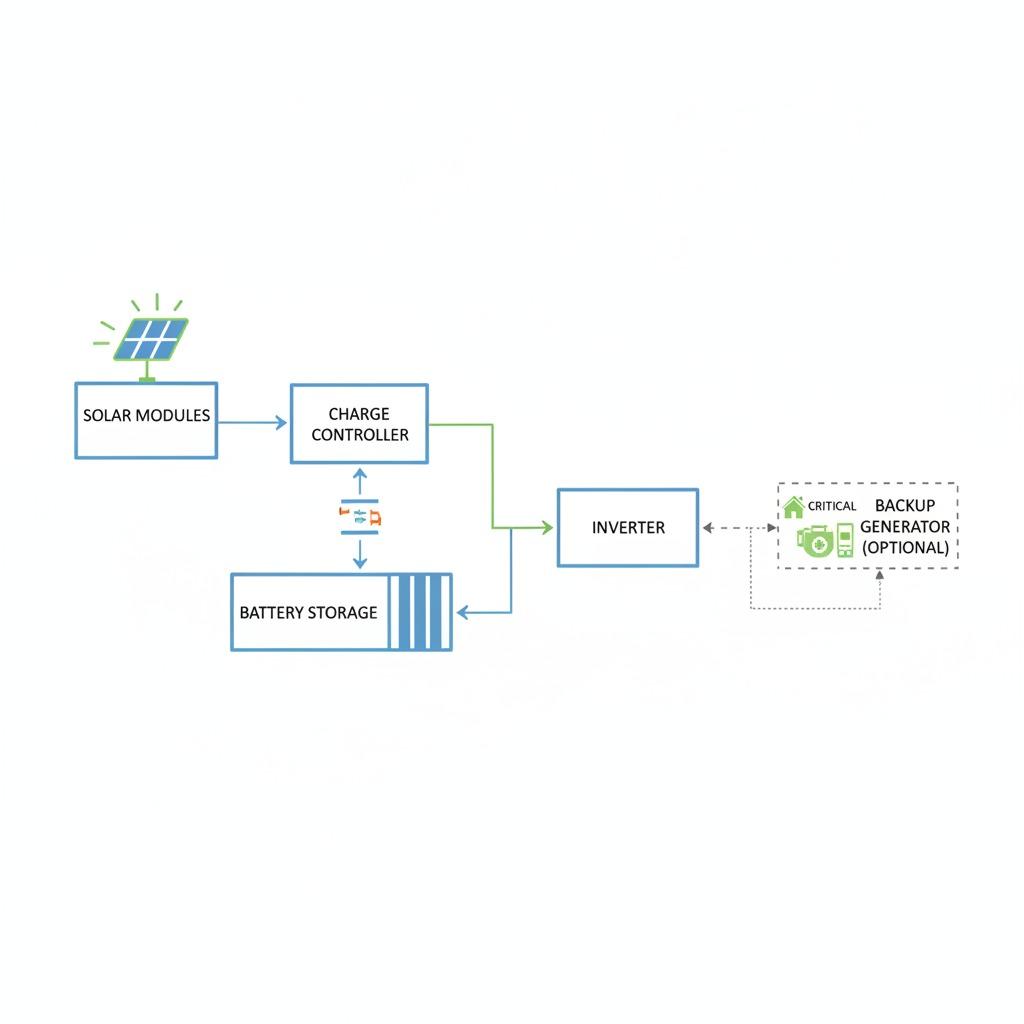
If the goal is backup power, the conversation expands. Batteries, critical-load subpanels, and inverter behavior during outages become part of the sizing exercise. A house may have enough solar generation on paper but still fail to provide useful emergency power if the battery is too small or the loads are not prioritized correctly.
That is an area where buyers sometimes mix up generation capacity and storage capacity. Solar panels make energy; batteries store it. A good design respects that difference.
Step 4: Factor in Future Loads Before the Purchase Order Goes Out
The cleanest time to think about expansion is before installation. Once panels, racking, wiring routes, and inverter capacity are fixed, later changes can be expensive.
Common load additions include:
EV charging
Even one electric vehicle can change the sizing picture quickly, especially if it is charged at home several nights a week.
Heat pumps
These can be efficient, but they still add meaningful seasonal demand.
Pool and spa equipment
Often underestimated because individual devices look small, yet they run regularly.
Appliance electrification
When gas appliances are replaced with electric alternatives, the load curve shifts.
The practical lesson is simple: if the homeowner is likely to electrify more of the house in the next few years, sizing only for today can be shortsighted.
Common Mistakes When Estimating Home Solar Size
One common mistake is assuming every roof can accept the same number of panels. Roof geometry matters. So does ventilation, setbacks, obstructions, and local code constraints.
Another mistake is confusing peak power with annual energy. A system can look large in kilowatts and still miss the home’s actual needs if production does not align with consumption.
A third mistake is ignoring shading analysis. Even partial shading can affect the performance of a string if the electronics and layout are not chosen carefully.
A fourth mistake, and this one shows up in sourcing discussions, is buying to a fixed panel count before the electrical design is finished. That can lead to awkward compromises in inverter sizing, string layout, or battery integration.
A Practical Buyer’s Checklist Before Comparing Quotes
Before asking vendors for bids, it helps to have a short internal checklist:
- Average annual and monthly electricity use
- Expected future loads, including EVs or heat pumps
- Roof area and major shading obstacles
- Whether the target is full offset, partial offset, or backup power
- Any utility rules that affect export or net metering
- Whether batteries are in scope now or later
This checklist keeps the sourcing process grounded. Without it, quotes can look wildly different for reasons that are not obvious at first glance.
How to Read a Solar Proposal Without Getting Lost
When reviewing proposals, focus on the relationship between system size, expected annual production, and the home’s actual load. A polished layout rendering is not a sizing method.
Look for whether the proposal explains assumptions: sunlight hours, shading, system losses, and any battery backup limits. If those assumptions are missing, ask for them. A serious installer or integrator should be able to explain why the proposed system is the right size, not just that it fits on the roof.
If you are comparing multiple bids, make sure they are based on the same consumption profile. Two proposals can both say 8 kW and still describe very different outcomes if one includes batteries or a different offset target.
FAQ: What Buyers Usually Ask
Is bigger always better?
Not necessarily. The right system is the one that matches the home’s usage, available roof space, and business case. Oversizing can create avoidable cost and complexity.
Can a small house still need a large solar array?
Yes. A modest-sized home with high electric heating or EV charging can use far more electricity than a larger but lightly occupied property.
Does battery backup change the answer?
Absolutely. Batteries add a storage requirement and can change the way the whole system is sized and controlled.
Should I plan for 100% solar coverage?
Sometimes, but not always. Partial offset may be the more sensible commercial decision if roof space, utility rules, or budget limit the project.
The Real Decision
The real decision is not whether a house should have solar. It is how much solar power for home energy use is enough to meet the owner’s goals without overbuilding the system. That means starting with load data, checking roof and site constraints, then deciding whether the project is mainly about savings, backup, or future electrification.
If you are planning a home solar project, get the consumption numbers first, then ask for a design that explains how the proposed system size was derived. That one discipline usually saves more time than any panel comparison chart ever will.