

How to Choose the Best Battery Technology for an Industrial Product
The best battery technology is not a universal chemistry or a single high-performance cell. It is the option that meets a product’s required energy, power, safety, service life, operating temperature, cost, and supply conditions without creating problems elsewhere in the system. For an engineering or sourcing team, the real decision is therefore not simply which battery stores the most energy. It is which technology can deliver dependable performance over the product’s expected duty cycle and environment.
This distinction matters because battery specifications often look attractive in isolation. High energy density may reduce pack size, but it can increase thermal-management and safety requirements. A lower-cost chemistry may be more tolerant of frequent cycling, while a premium cell may provide better compactness but impose tighter charging controls. The purpose of this guide is to provide a practical framework for comparing the main rechargeable battery technologies and narrowing the choice before detailed cell qualification.
Quick comparison: what each battery technology does well
| Technology | Main strengths | Typical trade-offs | Where it may fit |
|---|---|---|---|
| Lithium iron phosphate (LFP) | Good thermal stability, long cycle life, widely used supply chain | Lower energy density than some nickel-rich lithium-ion chemistries | Stationary storage, commercial vehicles, industrial equipment |
| Nickel-manganese-cobalt (NMC) | High energy density and a broad range of commercial experience | More demanding thermal and battery-management requirements | Portable equipment, electric mobility, compact battery packs |
| Nickel-cobalt-aluminum (NCA) | High energy density and strong power capability in suitable designs | Requires careful control of charging, temperature, and pack protection | Selected mobility and high-performance applications |
| Lithium titanate (LTO) | Fast charging potential, strong cycle durability, good low-temperature behavior in some systems | Lower energy density and typically higher system cost | High-cycle industrial systems, transit, power buffering |
| Lead-acid | Established technology, low initial cost, straightforward recycling infrastructure | Heavy, bulky, and less suitable for deep or rapid cycling | Backup power, starting systems, legacy industrial equipment |
| Sodium-ion | Uses a different raw-material base and can suit cost-sensitive applications | Commercial maturity and energy density vary by supplier and design | Stationary storage and selected mobility or industrial products |
This table is a starting point, not a purchasing recommendation. Cell format, electrode design, pack architecture, controls, and supplier quality can change the practical result substantially. Two batteries using the same chemistry may behave differently because of differences in electrode loading, separator design, thermal paths, manufacturing controls, or operating limits.
Start with the duty cycle, not the chemistry
The first technical document should describe how the battery will actually be used. Nominal voltage and capacity are not enough. Record the continuous and peak power demand, operating hours, rest periods, charge frequency, allowable state-of-charge window, ambient temperature, storage conditions, and expected service life.
A battery used for occasional emergency backup faces a different problem from one cycled several times a day in an automated vehicle. The backup unit may spend most of its life at high state of charge and require dependable readiness after long periods of inactivity. The vehicle battery may need thousands of partial cycles, rapid charging, vibration resistance, and predictable performance in winter and summer conditions.
Power and energy should also be separated. Energy determines how long the system can operate. Power determines whether it can start a motor, handle a load step, or recover energy during braking. A chemistry with strong energy density may not be the most suitable choice when repeated high-current pulses dominate the duty cycle.
How the major rechargeable chemistries differ
Lithium-ion families
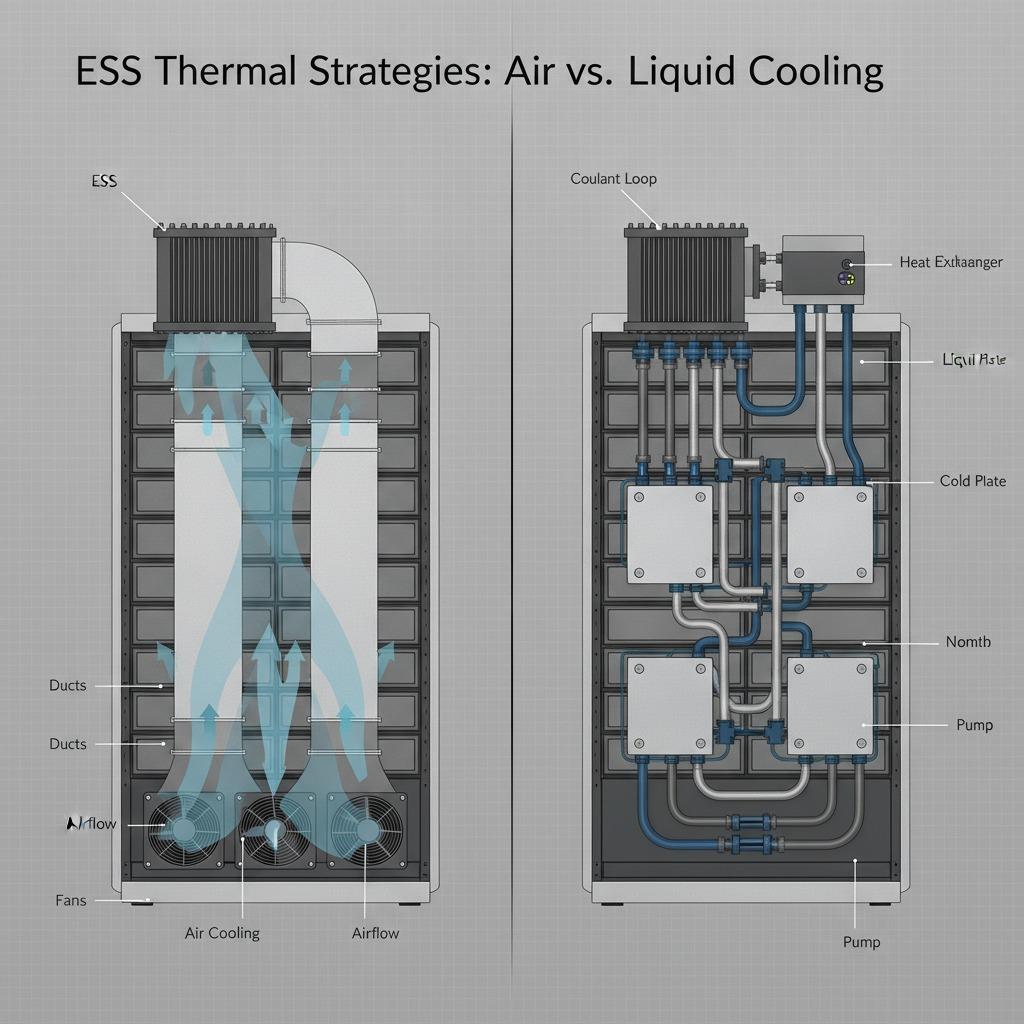
Lithium-ion is not one battery technology but a group of chemistries with different cathode materials and operating characteristics. NMC and NCA are often considered when a compact pack and high energy density are important. They can support products where weight and volume are tightly constrained, but the battery-management system, mechanical protection, charging profile, and thermal design must be treated as part of the product rather than as accessories.
LFP has become a strong candidate for applications that value safety margin, cycle durability, and cost control over maximum pack compactness. It is commonly considered for stationary storage and commercial equipment. Its lower energy density can require a larger or heavier pack, so the enclosure, installation footprint, and shipping plan should be assessed early.
LTO is a more specialized option. Its appeal is linked to high cycling capability, rapid charging potential, and useful low-temperature characteristics in suitable designs. Those benefits come with a volume and cost penalty, which makes it difficult to justify when the battery is used only occasionally.
Lead-acid remains relevant in the right application
Lead-acid batteries are often dismissed because they are heavy and have lower energy density than lithium-ion systems. That is too broad a judgment. They remain practical where initial purchase cost, established maintenance procedures, short-duration backup, or starting power matter more than weight and deep-cycle efficiency.
The buyer should, however, evaluate the full operating cost. A lower purchase price may be offset by shorter service life, replacement labor, ventilation requirements, or reduced usable capacity under demanding discharge conditions. The correct comparison is between complete systems over the intended ownership period, not between cell prices alone.
Sodium-ion and emerging alternatives
Sodium-ion technology is attracting attention because it uses a different material base from conventional lithium-ion designs and may offer a useful balance for cost-sensitive storage. Its suitability depends heavily on the supplier’s production maturity, available formats, pack controls, and validated operating data. It may be worth considering when maximum energy density is not the primary requirement, but qualification should be especially disciplined where long-term field data is limited.
Solid-state batteries are frequently presented as a future answer to energy density and safety challenges. Some solid-state approaches are progressing, but commercial readiness, manufacturing scale, interfaces, and cost remain important questions. Product teams should distinguish a laboratory result or pilot announcement from a cell that can be sourced consistently at the required volume.
Safety is a system decision
Battery safety cannot be assigned to chemistry alone. A safe product depends on cell selection, mechanical compression, electrical isolation, current protection, thermal paths, charging controls, enclosure design, and the battery-management system. It also depends on manufacturing consistency and the handling of damaged, aged, or improperly charged packs.
Ask suppliers how cells are matched, how incoming materials are controlled, and what end-of-line checks are performed. Request the applicable safety and transport documentation for the intended market and product category, then have the design reviewed against the relevant requirements. Do not assume that a certificate for a cell automatically covers a finished battery pack or the equipment in which it is installed.
A practical warning for sourcing teams: a battery that passes a basic electrical test may still be unsuitable for the final product. Test the assembled pack under realistic vibration, temperature, charge, discharge, and fault conditions. The weakest part of the system is often not the cell itself but a connector, fuse, sensor, busbar, weld, or control decision.
Selection criteria for engineering and procurement
1. Usable energy and pack size
Compare usable energy within the permitted operating window, not only the nameplate capacity. Include the battery-management system, housing, cooling or heating components, wiring, protection devices, and structural parts when checking weight and volume.
2. Cycle life and calendar life
Cycle life depends on depth of discharge, temperature, charge rate, discharge rate, and end-of-life definition. Calendar aging can be significant even when a battery is rarely used. Ask for test conditions rather than accepting a cycle-life number without context.
3. Temperature performance
Battery output and charging behavior change with temperature. If the product will operate outdoors, in an unheated warehouse, near a motor, or inside a sealed enclosure, define the real thermal range early. A battery that performs well in a controlled room may need heating, cooling, or charging restrictions in the field.
4. Supply and manufacturing risk
Evaluate more than nominal cell price. Consider approved second sources, format availability, minimum order quantities, tooling, change-control procedures, traceability, incoming inspection, and the supplier’s ability to maintain the same specification over the product life. A technically good cell becomes a poor commercial choice if its availability is unpredictable.
5. End-of-life handling
Recycling, refurbishment, transport, and disposal should be included in the product plan. Chemistry affects recovery routes and handling requirements. Design teams should also consider whether the pack can be diagnosed, repaired, or separated from the host product without excessive labor.
Common battery-selection mistakes
The most common mistake is choosing on energy density alone. This can produce a compact prototype that needs expensive thermal controls or suffers rapid capacity loss in real service. Another mistake is comparing different suppliers’ capacity figures without checking discharge rate, temperature, cutoff voltage, and test method.
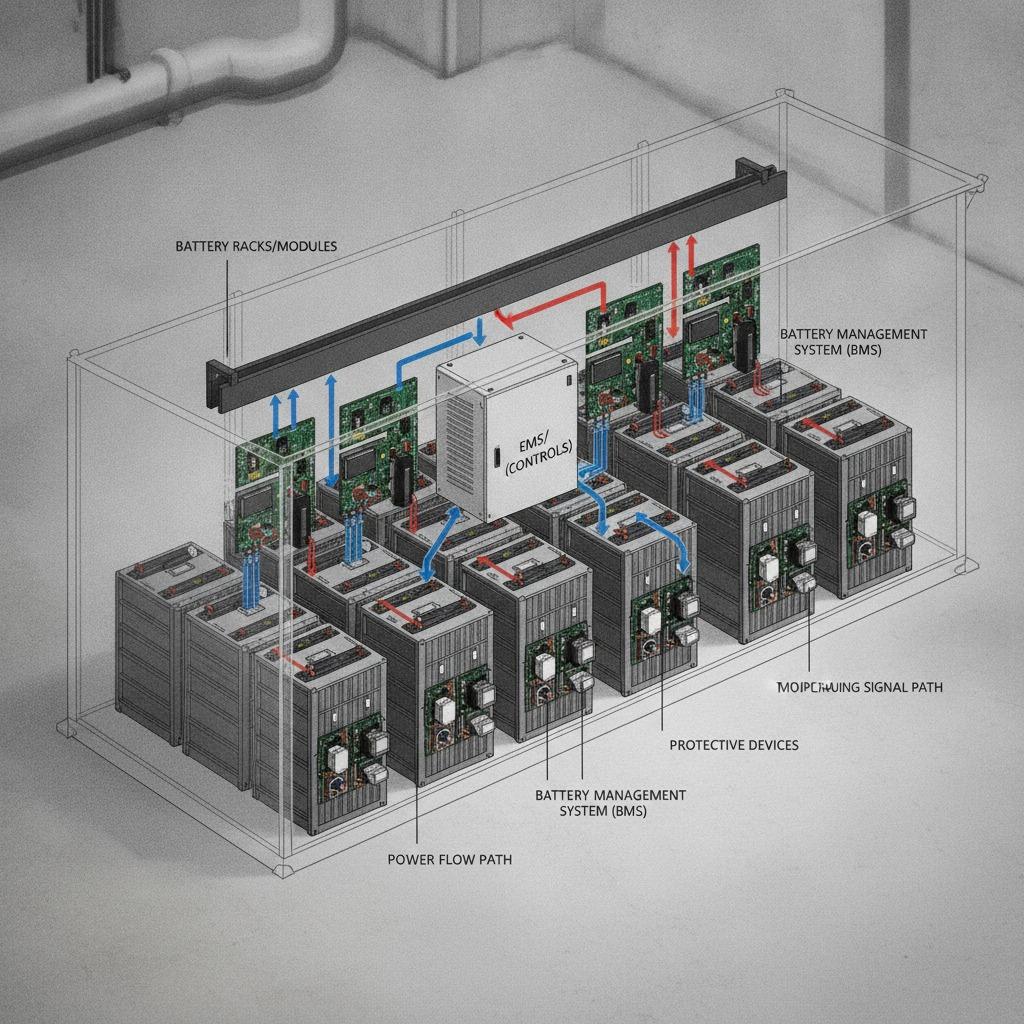
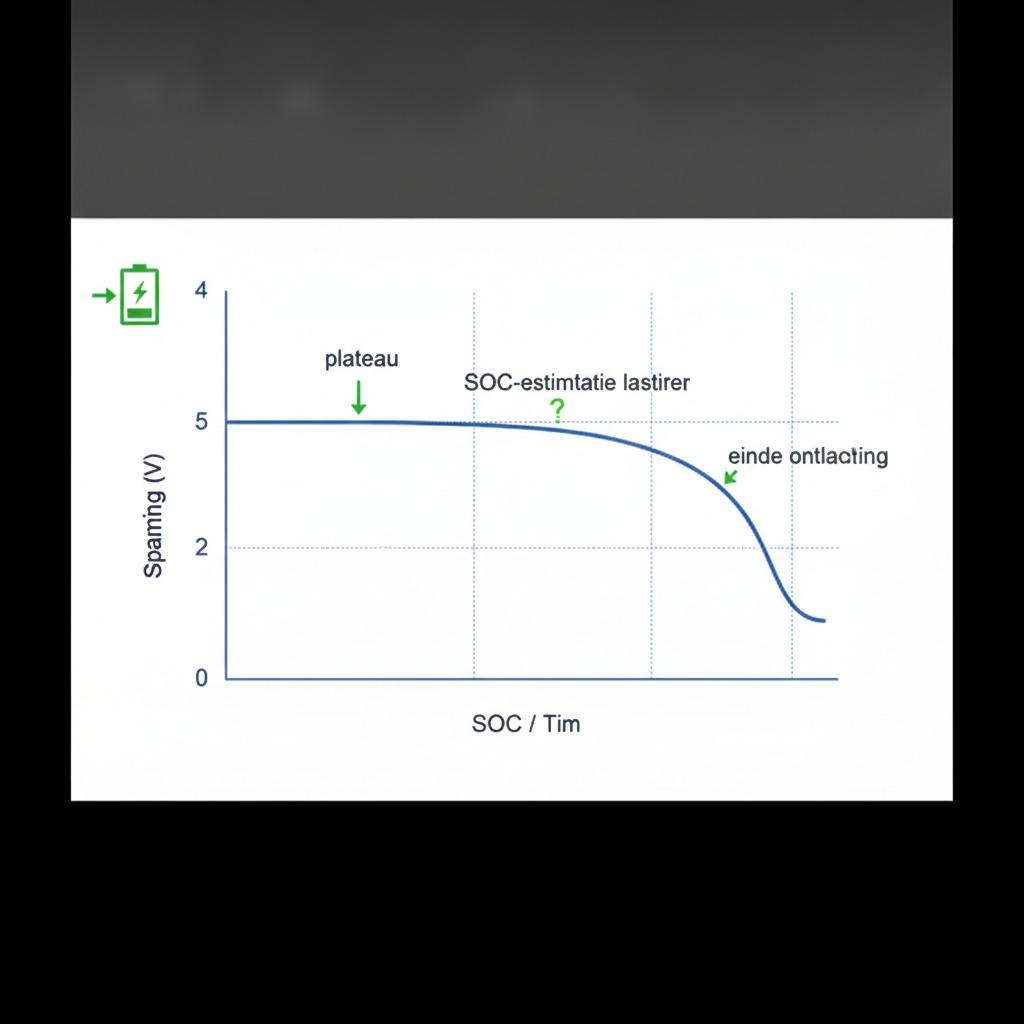
Teams also underestimate the battery-management system. Cell balancing, state-of-charge estimation, fault detection, communications, and logging can influence reliability as much as the chemistry. Finally, do not leave pack integration until the end of mechanical design. Clearance, venting, service access, connector orientation, and thermal contact are difficult to fix after the enclosure is frozen.
A practical buyer’s checklist
Before requesting final quotations, prepare a written specification covering voltage range, usable energy, peak and continuous current, duty cycle, operating and storage temperatures, expected life, charge method, communications, enclosure constraints, safety requirements, documentation, and forecast volume. Ask each supplier to state which values are guaranteed, which are typical, and under what test conditions.
For a new application, a staged evaluation is usually more reliable than a single large order. Begin with technical data and sample cells or packs, then conduct application-specific testing. Check capacity retention, thermal behavior, power delivery, charging response, mechanical integrity, and protection behavior. Keep acceptance criteria tied to the actual product rather than to generic laboratory claims.
FAQ
Is lithium-ion always the best battery technology?
No. Lithium-ion is versatile and widely available, but lead-acid may suit simple backup or starting applications, LTO may suit very high cycling, and sodium-ion may be relevant where energy density is less important. The duty cycle and product constraints should decide.
Which chemistry offers the longest service life?
There is no answer independent of operating conditions. LFP and LTO are often considered for strong cycle durability, but temperature, charging practice, depth of discharge, and pack controls can materially change the result.
Should a buyer focus on cell price?
Cell price is only one part of cost. Include the pack structure, management electronics, thermal system, testing, logistics, warranty exposure, replacement labor, and end-of-life handling.
Make the decision with a complete system view
The right battery choice emerges when application requirements are translated into measurable limits and then tested against complete pack designs. Start by documenting the duty cycle, rank the constraints, and ask suppliers for evidence under comparable conditions. A technically suitable chemistry with stable manufacturing support is usually a better decision than a headline-grabbing cell that cannot be integrated, qualified, or sourced reliably.