
Exploring Lithium Battery Technology: Innovations and Applications
Lithium Battery Technology has revolutionized the way we store and utilize energy, powering everything from smartphones to electric vehicles and renewable energy systems. This advanced form of energy storage relies on lithium ions moving between the anode and cathode during charge and discharge cycles, providing high energy density and long-lasting performance. As the demand for sustainable energy solutions grows, understanding Lithium Battery Technology becomes essential for both consumers and industries aiming to transition to greener alternatives.
The Evolution of Rechargeable Lithium Batteries
Rechargeable Lithium Batteries represent a cornerstone of modern electronics, offering the ability to recharge hundreds or even thousands of times without significant capacity loss. Unlike older nickel-cadmium batteries, rechargeable lithium batteries are lighter, more efficient, and environmentally friendlier due to the absence of toxic heavy metals. The key to their longevity lies in the lithium iron phosphate (LiFePO4) chemistry, which provides stability and prevents thermal runaway, a common issue in other lithium variants.
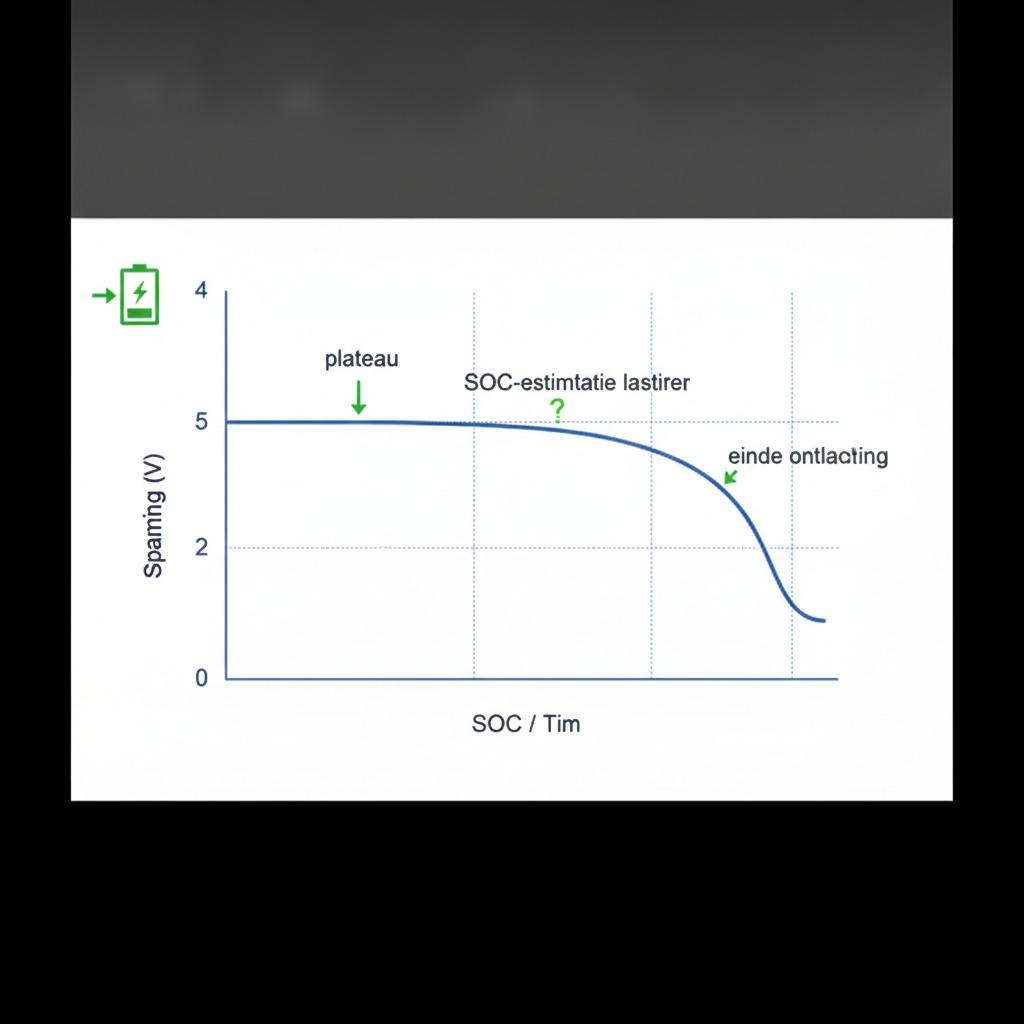
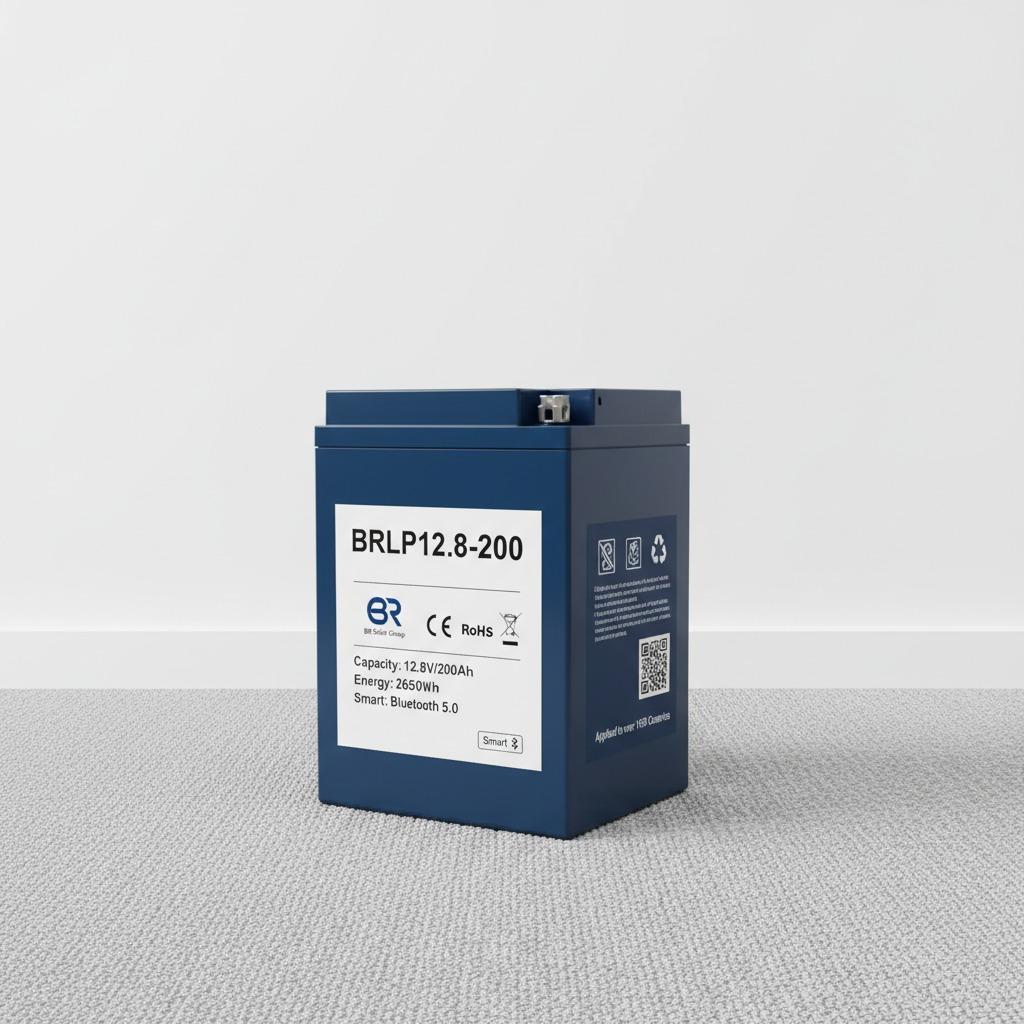
These batteries are particularly valued in off-grid applications where reliable power is crucial. For instance, the BR Solar Group's BRLFP12.8-200 Lithium Iron Phosphate Battery exemplifies this technology with its 12.8V / 200Ah / 2560Wh capacity, designed for optimal efficiency. Featuring a charging voltage of 14.6V and a cut-off discharge voltage of 9.2V, it ensures rapid charging while protecting against over-discharge. With a maximum discharge current of 100A, it's built to handle high-demand scenarios, making it a go-to choice for renewable energy setups.
Diverse Lithium Battery Applications Across Industries
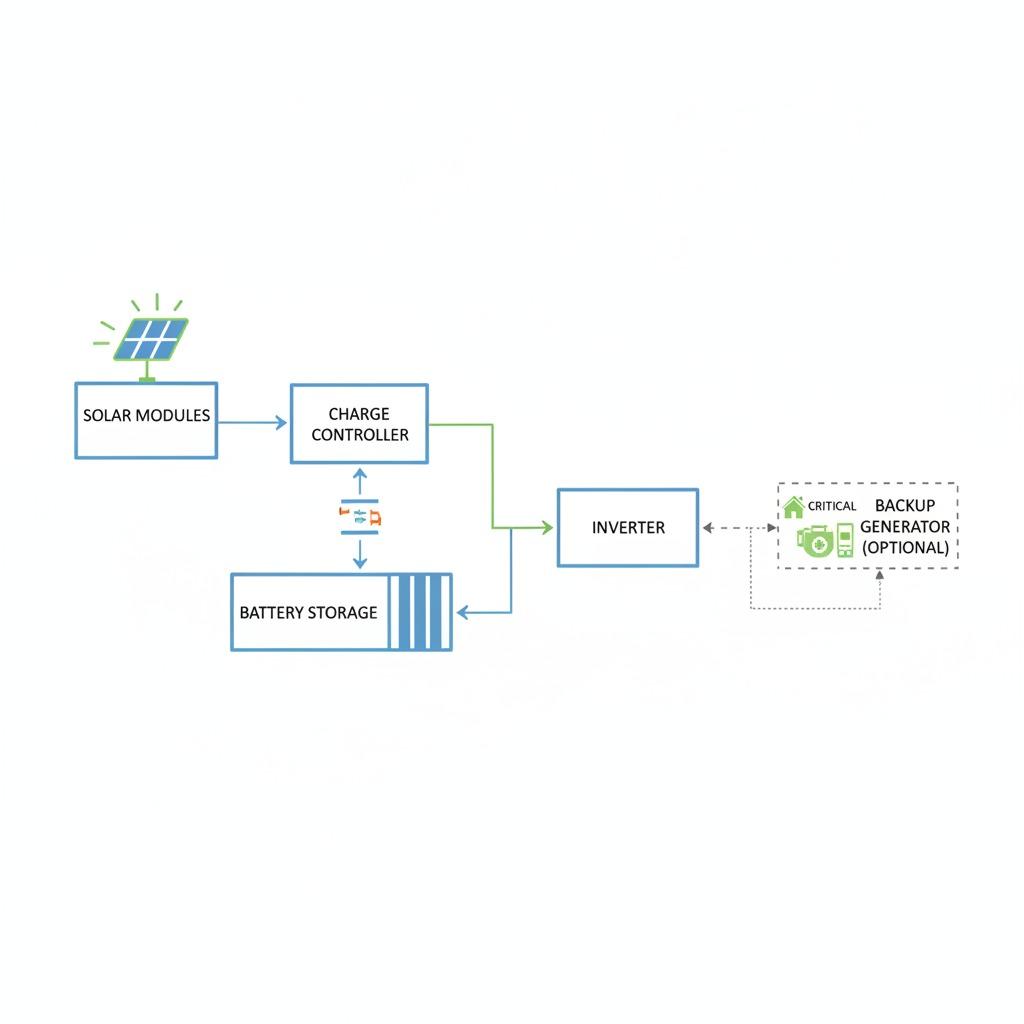
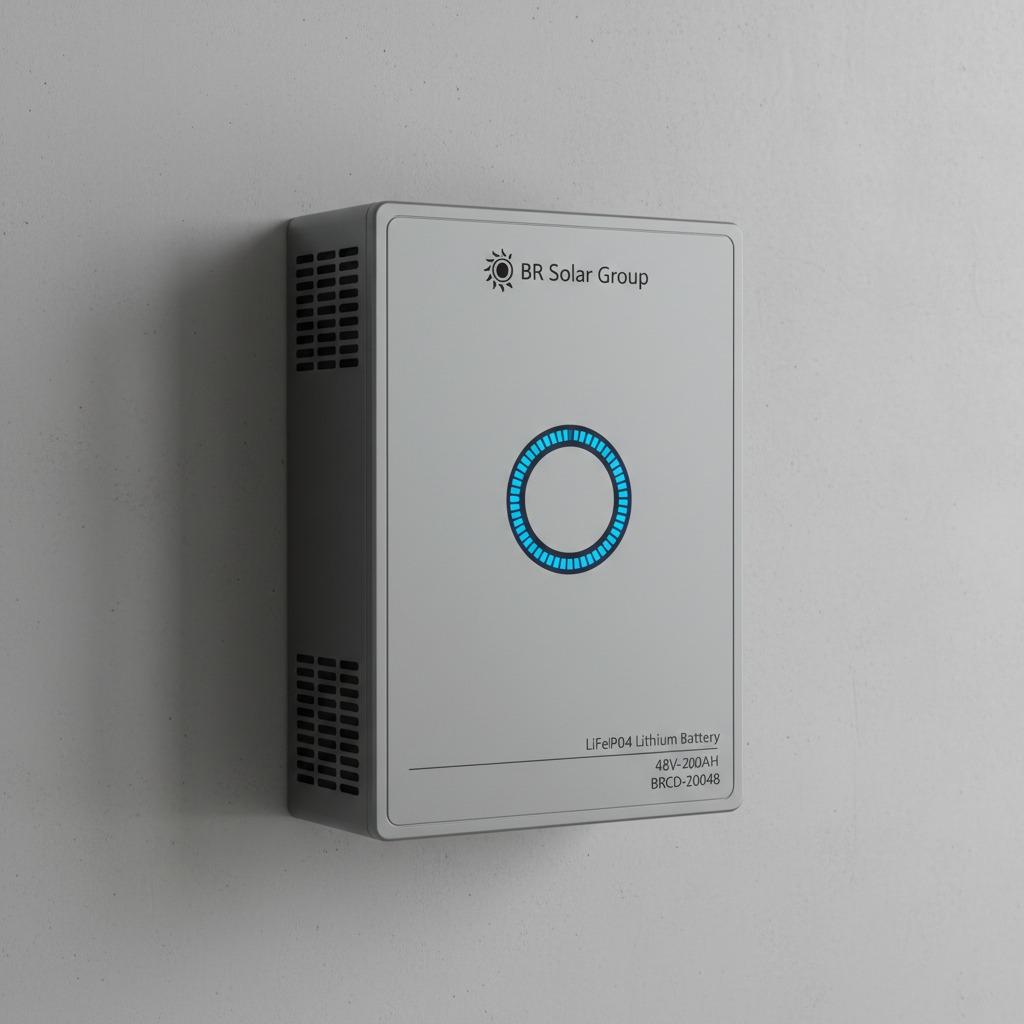
Lithium Battery Applications extend far beyond consumer gadgets, influencing sectors like transportation, healthcare, and renewable energy. In electric vehicles (EVs), they enable longer ranges and faster charging, contributing to the global shift away from fossil fuels. For solar energy systems, lithium batteries store excess power generated during the day for use at night, ensuring uninterrupted supply. The BR Solar Group's BRCD-20048 model, with its 48V and 200Ah capacity, is tailored for such residential and commercial solar installations, featuring an intuitive LED display for real-time status monitoring.
In medical devices, these batteries power portable equipment like defibrillators and insulin pumps, where reliability is non-negotiable. Similarly, in telecommunications, they backup base stations during outages. The versatility of lithium battery applications is enhanced by their compact design and side ventilation for temperature control, as seen in BR Solar Group's offerings, which integrate seamlessly with sustainable setups to promote efficient power storage. This broad applicability underscores why lithium battery technology is pivotal in achieving energy independence and sustainability goals worldwide.
Insights into Lithium Battery Manufacturing Processes
Lithium Battery Manufacturing involves intricate processes to ensure quality and safety, starting from sourcing raw materials like lithium carbonate and graphite. The electrodes are coated with active materials, assembled in a controlled environment to avoid contamination, and then electrolyte is added before sealing. Advanced manufacturers employ automation to minimize defects, resulting in batteries that meet stringent international standards.
BR Solar Group excels in this domain, producing batteries certified with CE, RoHS, MSDS, and UN38.3, ensuring compliance and safety. Their manufacturing incorporates Bluetooth 5.0 smart technology for remote monitoring, allowing users to track performance via apps. This innovation not only streamlines production but also enhances end-user experience. The process also emphasizes sustainability, recycling materials to reduce environmental impact, aligning with global efforts to make lithium battery manufacturing more eco-friendly.
Prioritizing Lithium Battery Safety Measures
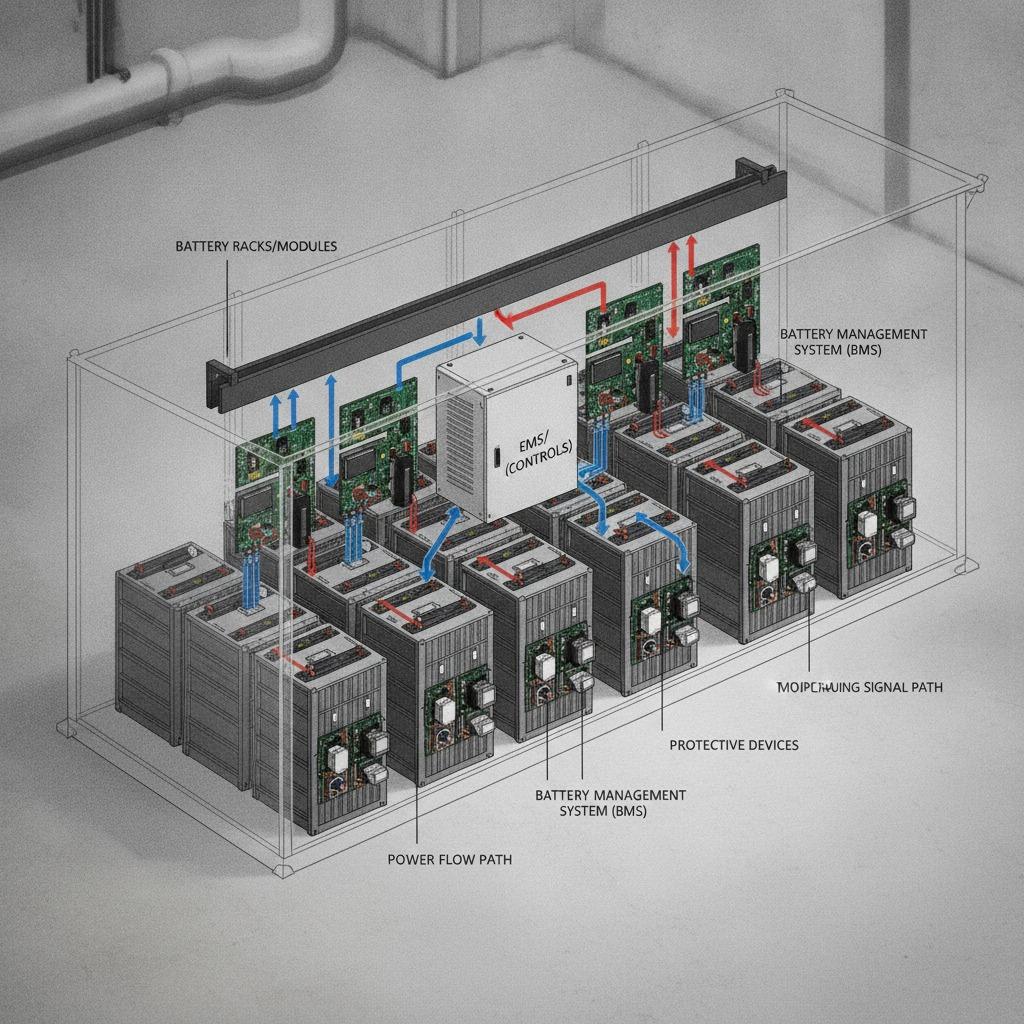
Lithium Battery Safety is a critical concern, given the potential risks of overheating or short-circuiting. Modern designs incorporate built-in Battery Management Systems (BMS) that monitor voltage, temperature, and current to prevent hazards. For example, the wide operating temperature range in BR Solar Group's batteries—charging from 0°C to 45°C and discharging from -20°C to 60°C—ensures safe performance in diverse conditions.
Warnings against fire risks, short circuits, and mechanical shocks are standard, with robust casings to withstand impacts. The LiFePO4 chemistry further bolsters safety by being less prone to thermal runaway compared to other lithium types. Users are advised to avoid extreme temperatures and use compatible chargers to maintain integrity. By prioritizing these measures, manufacturers like BR Solar Group have deployed their products successfully in over 159 countries, earning trust for reliable, safe energy solutions in industries and NGOs alike.
Enhancing Lithium Battery Efficiency for Future Needs
Lithium Battery Efficiency is continually improving through research into higher-capacity materials and optimized cell structures. Efficiency is measured by energy retention over cycles, with top-tier batteries retaining over 80% capacity after 2000 cycles. Factors like low self-discharge rates and high coulombic efficiency make them superior for long-term storage.
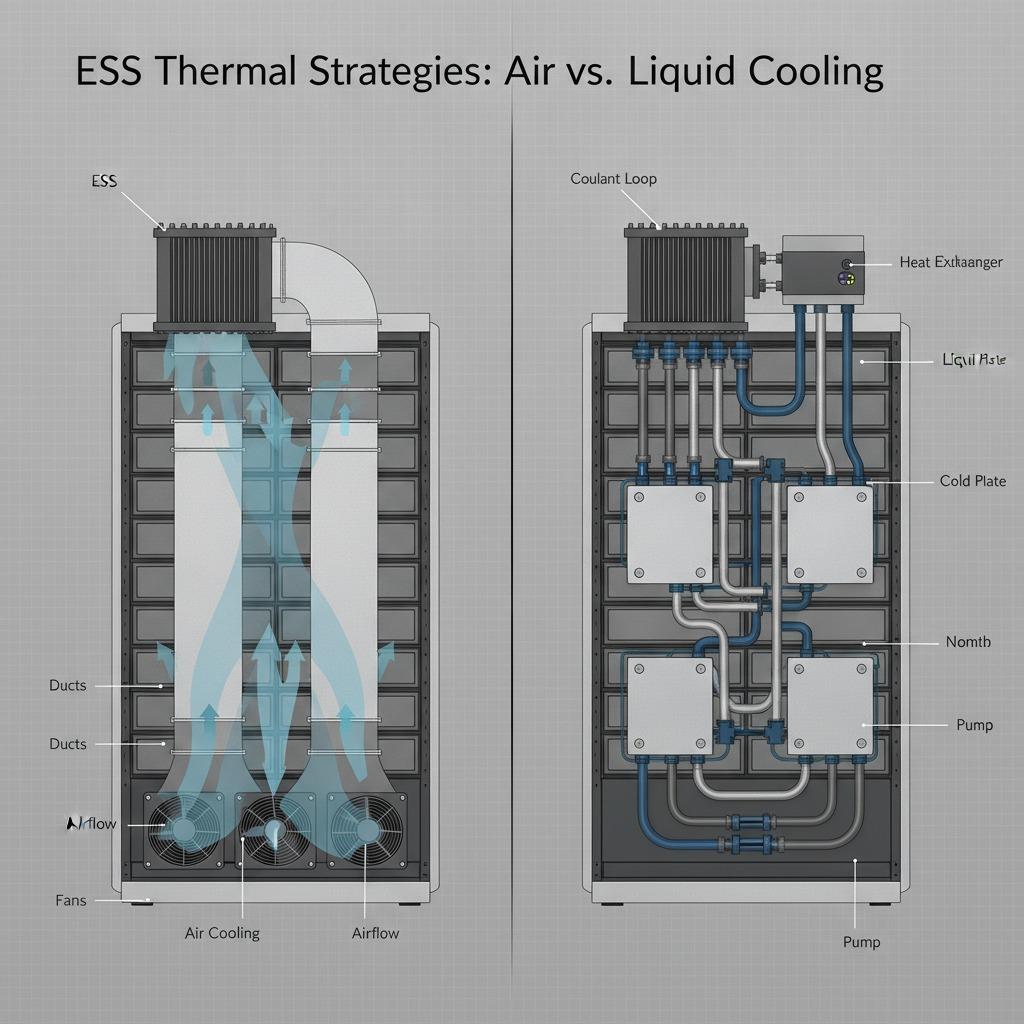
In practice, features like the side ventilation in the BRCD-20048 model help maintain optimal temperatures, boosting overall efficiency and lifespan. The integration of smart tech, such as Bluetooth connectivity, allows for predictive maintenance, further enhancing performance. As efficiency advances, lithium battery technology supports larger-scale applications, from grid storage to space exploration, reducing reliance on non-renewable sources. Innovations in recycling also promise to make these batteries even more sustainable, closing the loop on resource use.
The future of Lithium Battery Technology is bright, with ongoing developments poised to make energy storage more accessible and effective. By choosing products from trusted providers like BR Solar Group, users can leverage these advancements for a greener tomorrow. Whether for home solar systems or industrial backups, the combination of reliability, safety, and efficiency ensures that lithium batteries remain at the forefront of energy innovation.
(Word count: 1024)