
What IP66 really means for solar street lighting
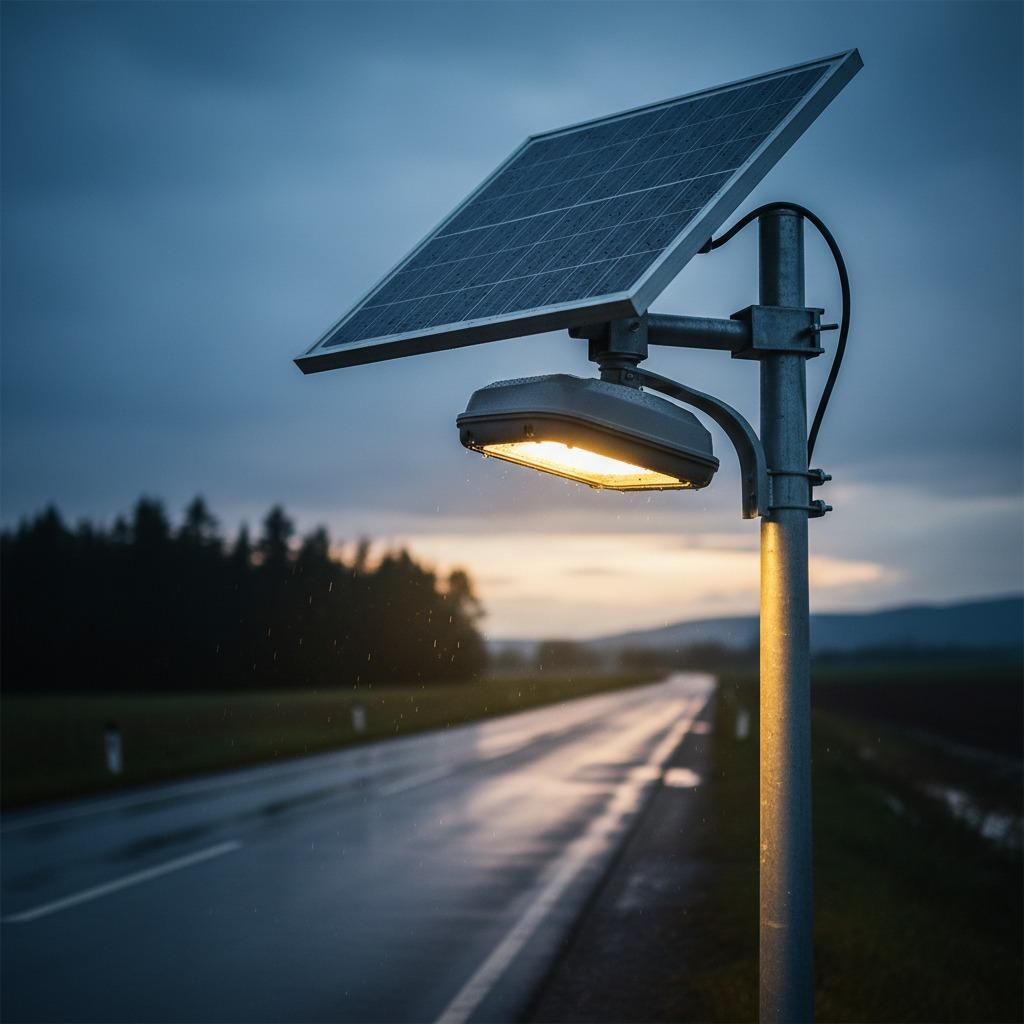
When buyers compare IP66 waterproof solar street lights, the label is usually doing a lot of heavy lifting. It tells you the fixture is sealed against dust and protected from powerful water jets, which sounds straightforward until you start thinking about real-world use: roadside spray, summer storms, wind-blown grit, salt air, and the occasional maintenance crew washing down a pole. For engineers and sourcing teams, IP66 is not a decorative spec. It is part of the survival plan for an outdoor luminaire that has to live on a pole, often far from easy service access.
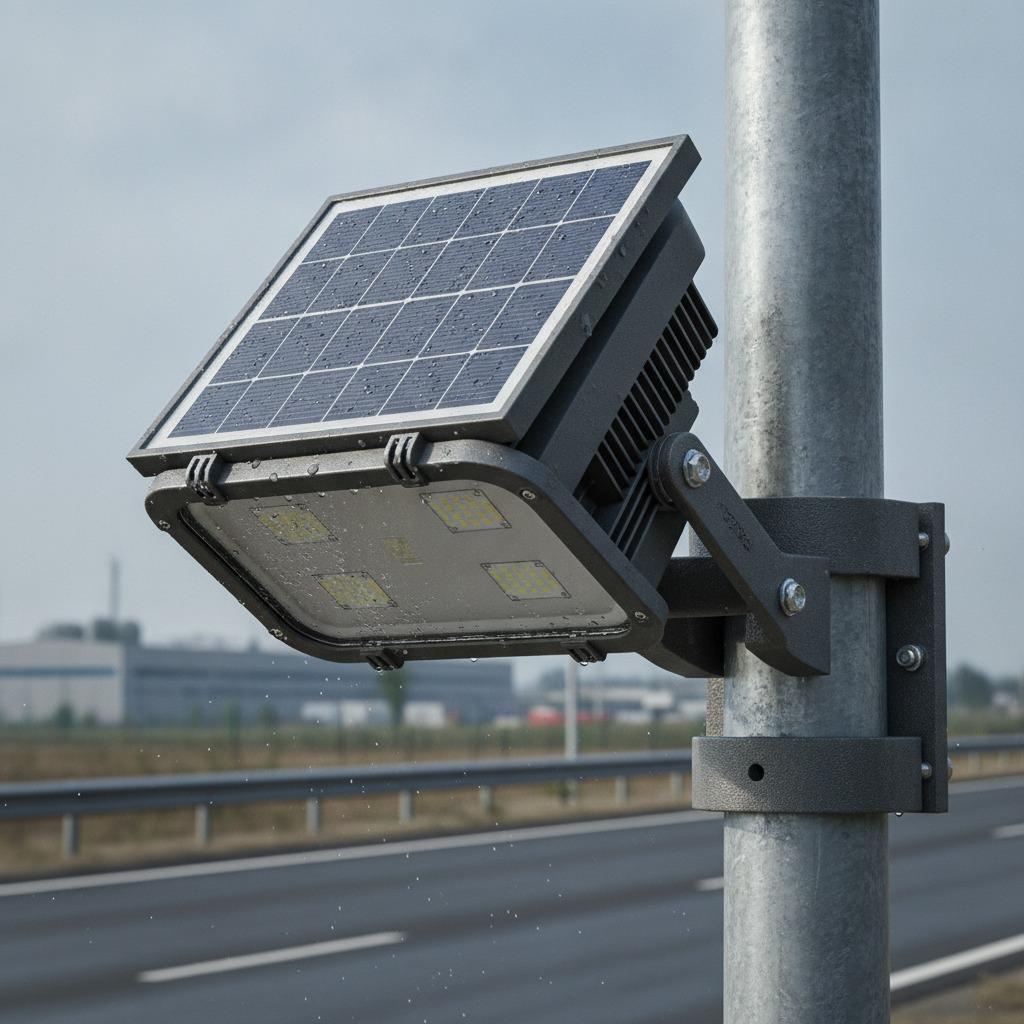
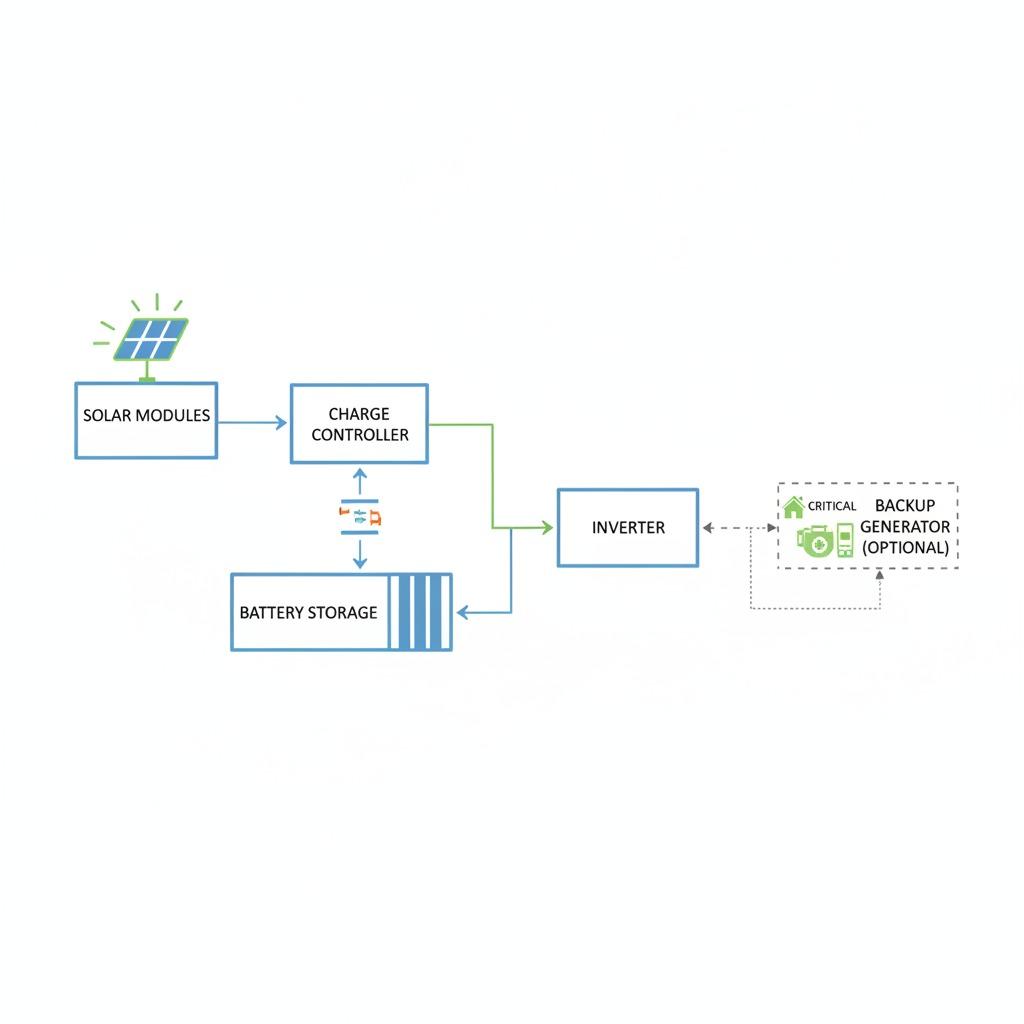
That matters because solar street lights are not just lamps with a panel attached. They are a compact energy system: LED module, battery, controller, solar panel, enclosure, wiring, and mounting hardware all exposed to weather and vibration. If the sealing strategy is weak, the failure may show up as corrosion, condensation, a shortened battery life, or electronic faults that are hard to trace in the field. A low-cost unit can look acceptable on day one and still become a maintenance problem after the first wet season.
Quick answer: why IP66 is often the baseline buyers ask for
In outdoor lighting, IP66 is often viewed as a practical baseline rather than a premium feature. It is usually enough for most urban roads, perimeter lighting, parking lots, campus paths, and many rural applications where the fixture faces rain and dust but is not meant to be submerged. If your site has frequent washdowns, coastal exposure, or harsh industrial conditions, IP66 may still be fine, but only if the rest of the design supports it.
That last point is where many procurement mistakes happen. An IP rating only describes enclosure protection under test conditions. It does not automatically guarantee long-term durability of seals, cable entries, connectors, or venting design. A well-designed fixture with stable gaskets and good thermal management can outlast a poorly built unit with the same IP label by a wide margin.
How the IP66 rating fits into a solar street light design
A solar street light has several vulnerable zones. The lamp head needs to protect the LED board and optics. The battery compartment, if integrated, must limit dust ingress and water entry while still handling temperature swings. The controller enclosure needs to remain stable in heat and humidity. Then there are the less glamorous details: gasket compression, fastener quality, cable glands, and the path water can take along a bracket or inside a pole.
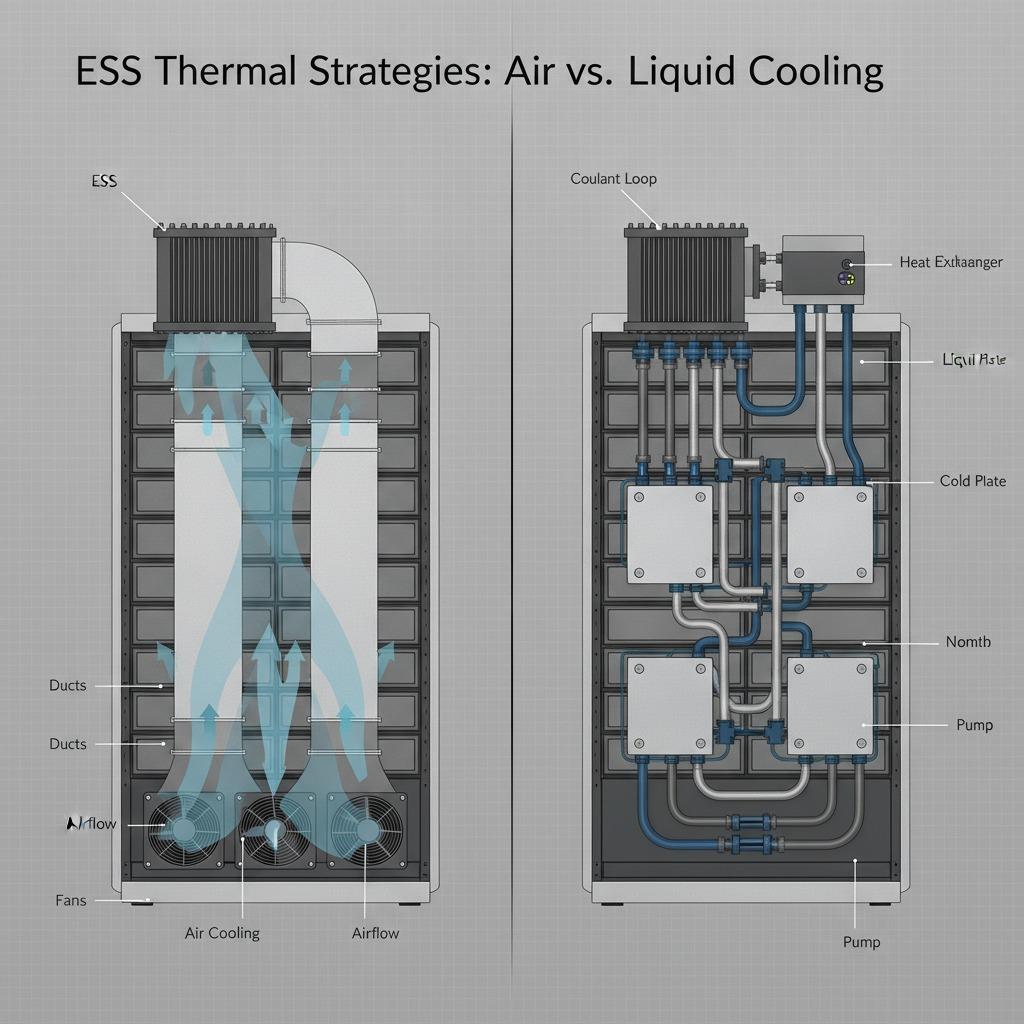
For IP66 waterproof solar street lights, the enclosure design usually has to address three competing goals at once. First, it must keep the rain out. Second, it must allow heat to escape, because LEDs and electronics do not like cooking inside sealed boxes. Third, it has to remain serviceable. If a unit is so tightly built that it cannot be opened and resealed properly after maintenance, the practical value of the rating drops quickly.
What buyers should ask beyond the label
Before treating IP66 as a buying decision, ask a few plain questions. How is the gasket seated? What material is used for seals and cable entries? Are the fasteners corrosion-resistant for the application? Is there a pressure-equalizing vent, and if so, how is it protected? These details matter more than a marketing sentence on the product page. In outdoor lighting, the small parts often decide the lifespan.
Where IP66 solar street lights make sense
IP66 waterproof solar street lights are commonly used in sites that need dependable outdoor lighting without trenching for grid power. Typical applications include municipal roads, residential roads, pedestrian paths, parks, parking lots, farm access roads, industrial perimeters, and temporary or semi-permanent infrastructure. They are also useful in remote areas where maintenance visits are expensive and weather exposure is routine.
In these settings, the main value proposition is not only energy savings. It is also installation flexibility. A solar system can simplify deployment in places where grid connection would be slow, costly, or disruptive. That said, the buyer still has to match the light’s design to the site. A product built for a sheltered campus path may not be the right choice for an open highway shoulder with sideways rain and heavy dust.
Selection criteria that actually affect performance
Not all outdoor solar lights behave the same way, even when the specs look similar. Sourcing teams should evaluate the full system rather than just the LED wattage or panel size. A practical selection process usually starts with the site itself: climate, sun hours, wind load, mounting height, expected operating hours, and the level of maintenance access.
1. Sealing quality and enclosure construction
For an IP66-rated fixture, the quality of the housing and the integrity of the seals deserve close attention. Look for smooth mating surfaces, sensible fastener spacing, and a design that does not over-stress the gasket. If the enclosure requires awkward reassembly, it may not remain IP66 in the field after the first service visit. That is not a theoretical concern; it happens more often than vendors admit.
2. Thermal management
Water resistance and heat dissipation need to be balanced. Batteries and LED drivers are sensitive to temperature. A sealed box that traps heat can reduce service life, especially in hot climates. Ask how the design handles thermal flow without compromising ingress protection. Sometimes the answer is an intelligently placed vent; sometimes it is housing geometry or a heat-conducting structure. The best solution depends on the architecture.
3. Battery and controller placement
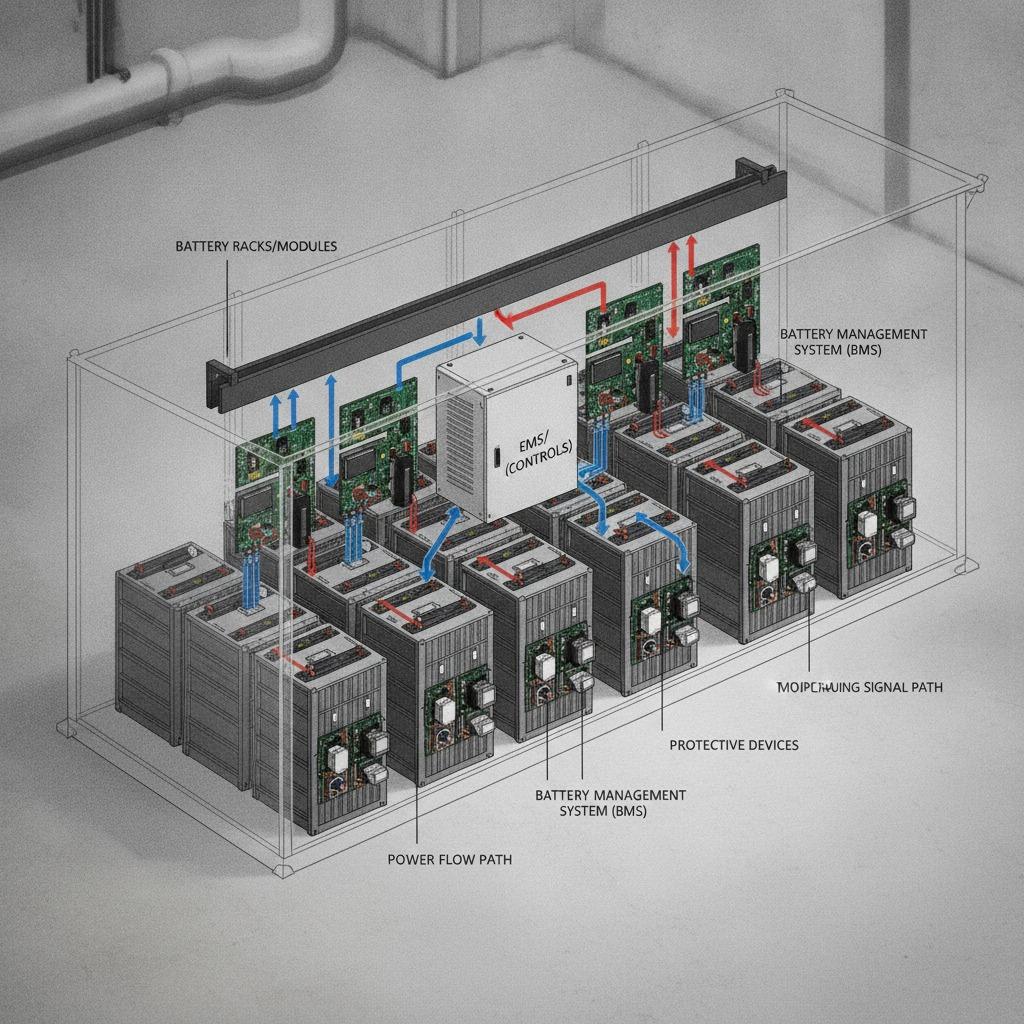
Integrated all-in-one units are convenient, but the battery and controller must be protected from both moisture and heat. Separate-component designs can offer better serviceability in some projects, though they may take more planning during installation. The right choice depends on whether the priority is quick deployment, easier repair, or more flexible energy sizing.
4. Corrosion resistance
For coastal sites or industrial areas, corrosion resistance is not optional. Aluminum housings, coated hardware, and sealed connectors can make a noticeable difference. Salt mist and chemical exposure are rough on outdoor electronics, and a water-resistant enclosure alone will not solve that. Buyers often focus on IP rating and overlook the hardware, which is a mistake.
Common mistakes when buying waterproof solar street lights
One common mistake is assuming that every IP66 product is equally durable. The standard does not tell you everything about long-term field performance. Another mistake is underestimating the site’s weather profile. A mild inland road and a coastal industrial road should not be treated as the same application.
There is also the temptation to optimize only for initial purchase cost. That can be expensive in outdoor lighting. If a lamp fails on a pole, the labor and access cost may dwarf the product price. For that reason, buyers should look beyond unit cost and think in terms of lifecycle cost, maintenance frequency, and replacement logistics. A slightly better sealed fixture may pay for itself simply by avoiding one service call.
A smaller but still common issue is inconsistent documentation. If the supplier cannot explain the enclosure design, battery arrangement, or maintenance procedure clearly, the product may not be ready for serious deployment. Technical clarity is a sign of maturity. It does not guarantee quality, but its absence is usually a warning.
Practical buyer advice for procurement and project teams
If you are sourcing IP66 waterproof solar street lights for a project, start with a short technical questionnaire. Ask for the lighting distribution, enclosure structure, mounting method, and service approach. Request photographs of the internal layout if available. Confirm how the unit handles sealing after maintenance. For larger projects, pilot testing in real site conditions is worth more than a stack of brochures.
It is also sensible to compare products under the same use case rather than mixing street, garden, and decorative lighting categories. A solar street light intended for road use should be judged on reliability, beam control, weather resistance, and maintainability first. Decorative appeal matters, but it should not drive the buying decision.
If the project is in a difficult environment, consider asking the supplier how the product behaves in sustained rain, wind-driven dust, and temperature swings. Even a simple answer can reveal whether the vendor understands field conditions or is only repeating catalog language.
FAQ: common questions buyers ask
Does IP66 mean the light is fully waterproof?
Not fully in the absolute sense. It means the enclosure is protected against dust and strong water jets under standard test conditions. That is very good protection for most outdoor use, but it is not the same as being designed for submersion.
Is IP66 enough for heavy rain?
Usually yes, if the product is properly designed and installed. The real issue is not just rain intensity but long-term seal performance, mounting orientation, and whether water can pool around joints or cable entries.
Can an IP66 light still fail outdoors?
Yes. Failures can come from battery aging, thermal stress, corrosion, poor installation, or damaged seals during servicing. The IP rating helps, but it is only one piece of the durability picture.
What to do next when comparing suppliers
If you are narrowing down options, focus less on the headline claim and more on the details that decide service life. A serious supplier should be able to explain the enclosure, the sealing strategy, and the maintenance path without turning the conversation into vague marketing talk. For buyers, that is often the difference between a field asset and a recurring headache.
For engineering teams and sourcing managers, IP66 waterproof solar street lights make the most sense when the project values outdoor reliability, low maintenance, and straightforward deployment. The best choice is not always the brightest model or the cheapest one. It is the unit whose sealing, thermal behavior, and hardware match the site it will actually live in.