
What buyers really mean when they search for a LiFePO4 Battery
A lot of purchasing conversations start with the words LiFePO4 Battery, but the actual need is usually more specific than that. An engineer may be trying to replace a tired backup string in a control cabinet. A sourcing manager may be comparing long-life storage options for a solar site. A product team may simply want a safer, lower-maintenance battery that can handle repeated cycling without a lot of drama.
That matters, because the battery type you choose changes everything downstream: charging profile, enclosure design, service expectations, installation labor, and even the way customers talk about uptime. It is easy to say “we need lithium,” but the real decision is whether a LiFePO4 Battery is the right fit for the duty cycle, budget, and maintenance model. And sometimes it isn’t. In stationary power, gel VRLA batteries still have a place, especially where existing systems already expect a sealed lead-acid format and where a simple replacement path is more valuable than a technology change.
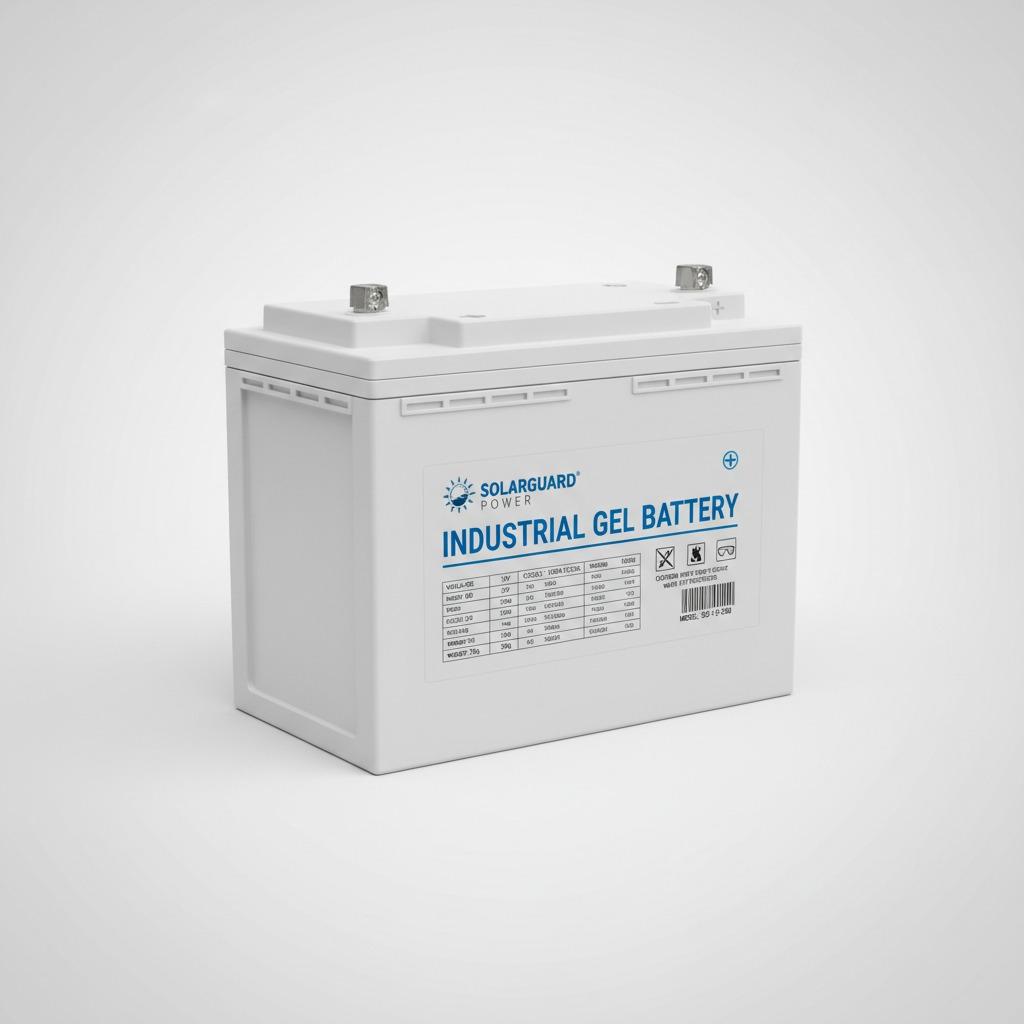
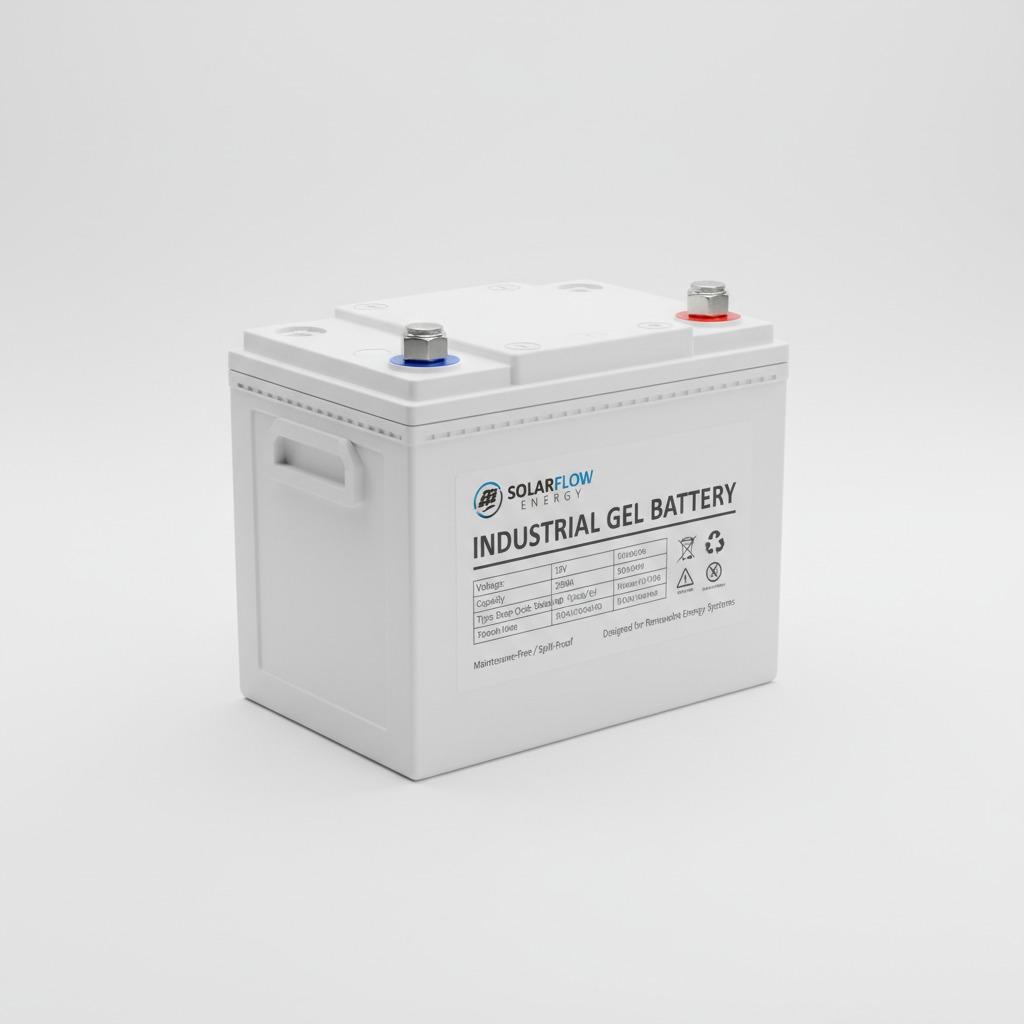
The product data here points to a sealed gel valve-regulated battery, model 6-CNJ-150, rated 12V 150Ah, with “gel / fine colloidal” wording and maintenance-free construction. That is not a LiFePO4 Battery, but it is close enough in the buying conversation that teams often compare the two. This article is about making that comparison usefully, not academically.
The practical question: replace, redesign, or stay put?
If a battery system already exists, the buyer is usually weighing three possibilities.
First, replace like for like with another sealed lead-acid battery of similar rating. That is the least disruptive route. In many UPS, telecom backup, emergency lighting, and stationary storage applications, a 12V 150Ah gel VRLA battery can drop into an established maintenance routine with minimal changes.
Second, redesign around lithium iron phosphate. A LiFePO4 Battery can offer lower weight and a different cycling profile, and it is often attractive in off-grid and mobile power systems. But it is not a simple swap in every cabinet. The charging voltage, battery management expectations, and protection strategy may need adjustment.
Third, hybridize the approach. Some teams keep lead-acid in legacy backup assets while specifying LiFePO4 Battery modules for new designs or locations where more cycling, more depth of discharge, or less maintenance labor justifies the change.
The right choice depends less on fashion and more on operating reality.
What the 12V 150Ah gel VRLA battery tells us
The visible specifications on the product label are useful because they reveal the design intent. A 12V 150Ah sealed gel battery is built for stationary rechargeable energy storage, not for quick bursts of high power in a starter application. The label language around constant-voltage charging for standby and cycle use suggests two important operating modes: float service for backup readiness and cyclic use where discharge and recharge happen more often.
That is why products like this show up in solar energy storage, UPS backup, telecom support systems, emergency lighting, and off-grid power installations. In those settings, the battery is expected to sit quietly for long periods, then deliver energy when grid power fails or when a renewable source needs buffering.
The molded plastic case, top terminals, and sealed, non-spill warning all point to a practical benefit that buyers care about: lower handling complexity. There is no routine electrolyte topping up, and the battery can usually be installed in a more flexible orientation than a vented flooded product, provided the system design follows the manufacturer’s guidance.
One caution, and it is worth saying plainly: sealed does not mean careless. A VRLA gel battery still needs proper charging, ventilation, and temperature management. Many field problems are not “battery failures” so much as charging mistakes.
LiFePO4 Battery versus gel VRLA: the decision in plain terms
If you are comparing a LiFePO4 Battery with a gel VRLA battery like the 6-CNJ-150, the question is not which chemistry is “better” in the abstract. It is which one is easier to live with in your specific system.
Where LiFePO4 usually wins
A LiFePO4 Battery is often favored when weight matters, when deeper cycling is routine, and when the system can be designed around lithium charging and protection requirements from the start. For many buyers, the appeal is also operational: fewer service interventions and a more modern storage platform.
Where gel VRLA still makes sense
A gel VRLA battery remains attractive when the system is already built around lead-acid charging logic, when the purchase has to be straightforward, or when the buyer wants a familiar maintenance-free format for standby power. The 12V 150Ah class is a common fit for backup cabinets and stationary installations where physical size and chemistry compatibility are already understood by the installer.
There is also a procurement reality that does not always show up in technical brochures: replacement simplicity saves money. If a site manager can source, install, and commission the battery with minimal retraining, that has value.
How to choose between these battery types without getting burned
A good buyer does not begin with brand names. They begin with load behavior.
Ask what the battery is doing most of the time. Is it sitting on float and rarely discharging? Is it cycling daily with solar input? Does the load need very stable DC support during outages? The answer shifts the recommendation.
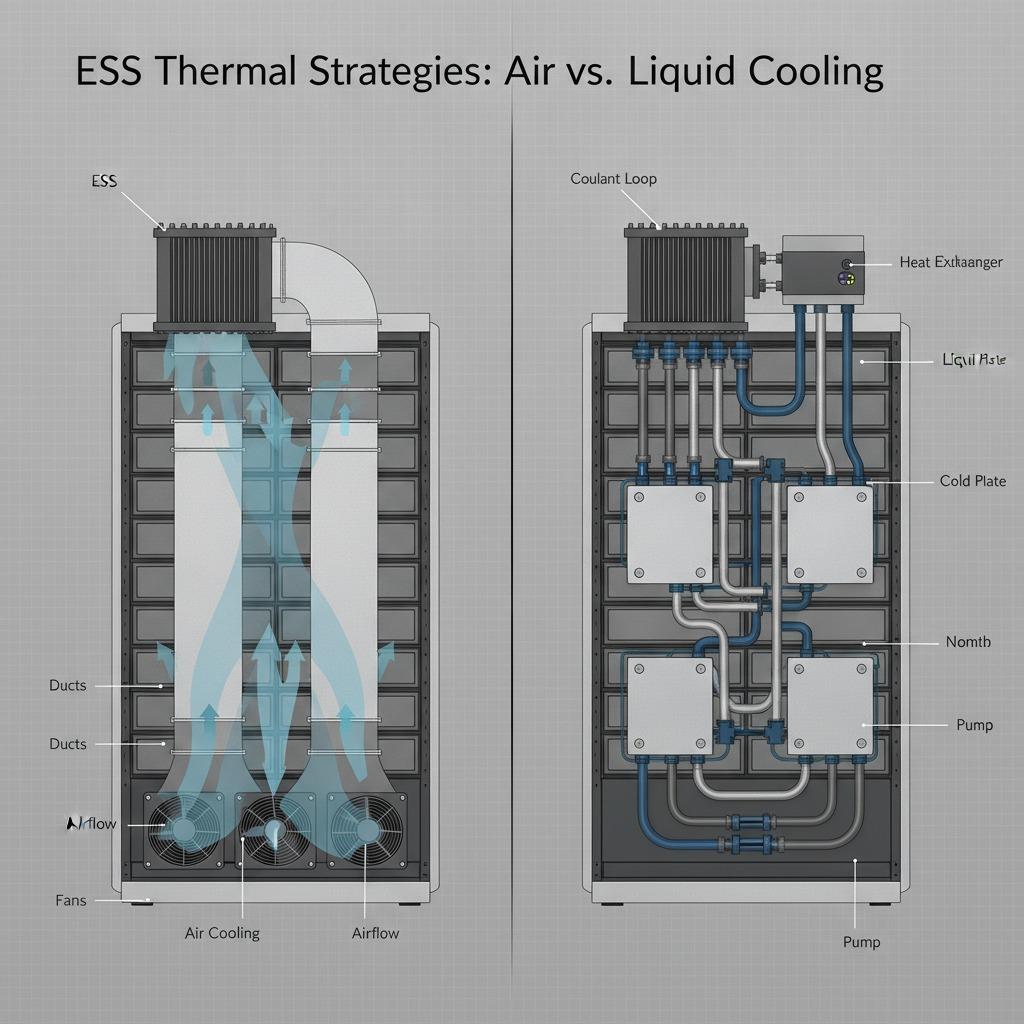
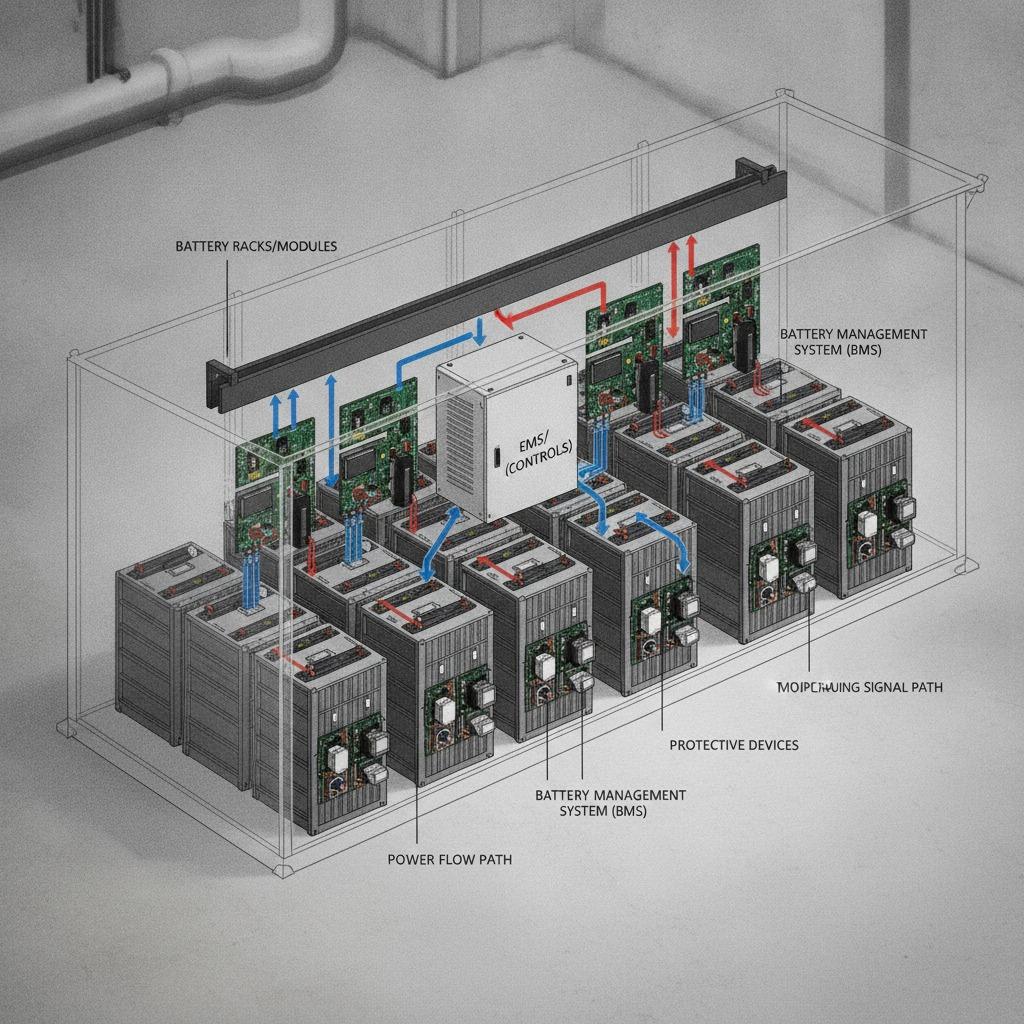
Then look at the charging system. A gel VRLA battery and a LiFePO4 Battery do not want the same charging behavior. The product label for the gel battery shows constant-voltage charging values for standby and cycle use, which is a reminder that lead-acid chemistry is sensitive to being overcharged or chronically undercharged. Lithium systems need a different management approach, usually with a battery management system and compatible charger settings.
Next, consider service access. If a battery bank is buried in a telecom shelter or mounted in a hard-to-reach UPS room, maintenance burden matters. If labor is scarce, lithium may justify itself. If the existing crew already knows sealed lead-acid handling and the system is stable, staying with a gel battery can be the more practical decision.
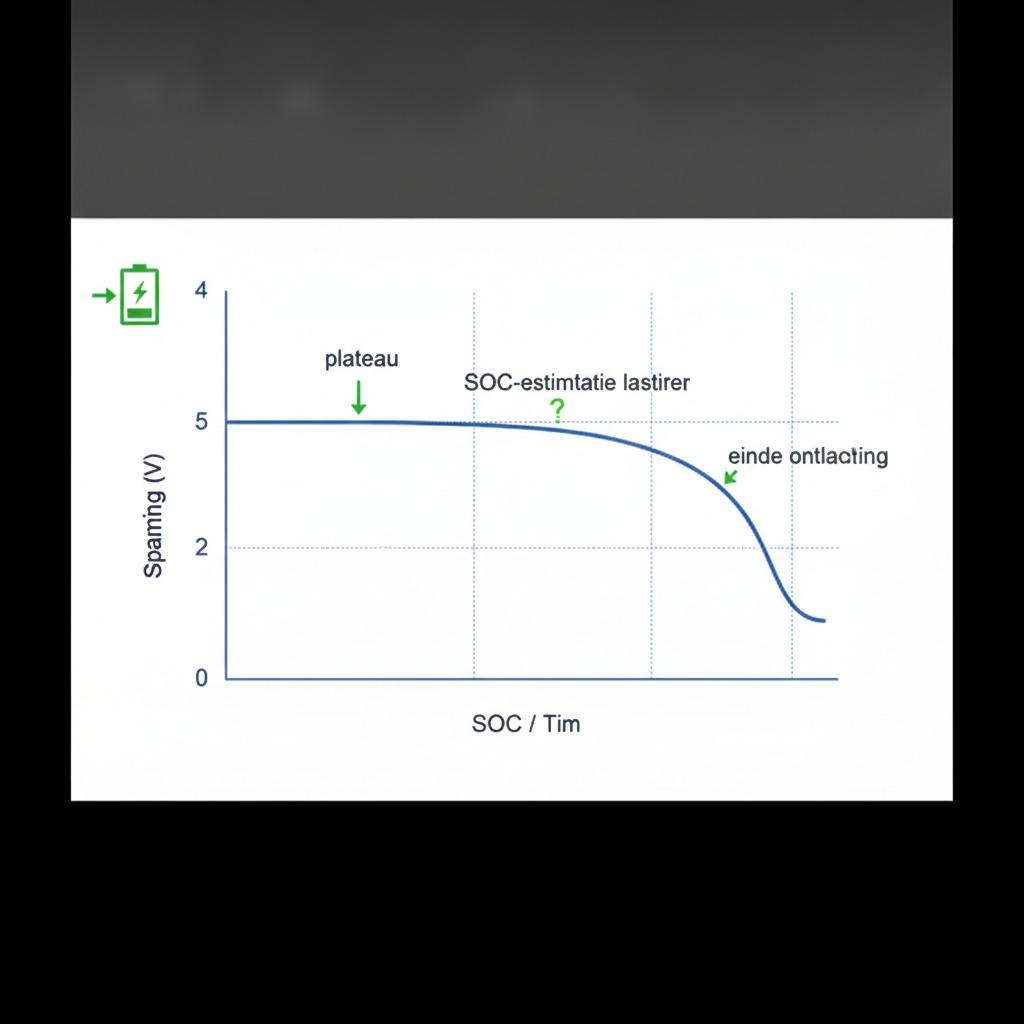
Finally, be honest about lifecycle expectations. Buyers sometimes compare initial price only, then discover that the real economic picture depends on cycle profile, temperature, and how deeply the battery is discharged. That is especially true when comparing a LiFePO4 Battery to a traditional sealed lead-acid model.
Common buying mistakes
The first mistake is treating every 12V battery as interchangeable. They are not. Capacity, discharge behavior, charging voltage, and use case matter.
The second mistake is assuming that a maintenance-free marking removes the need for system checks. It does not. Cable integrity, terminal condition, charge settings, and cabinet temperature still matter.
The third mistake is selecting a chemistry that conflicts with the rest of the equipment. If the inverter, charger, or UPS expects lead-acid behavior, dropping in lithium without verification can create avoidable problems.
The fourth mistake is ignoring the boring details on the label. The visible standby and cycle charge values on the gel battery are not decoration; they are operational instructions.
Why the product details still matter in a chemistry comparison
This particular battery is labeled 12V 150Ah, sealed, valve-regulated, and gel-based. It also carries practical physical clues: a rectangular molded case, recessed top terminals, and side handles for lifting. Those details matter because they tell the buyer how the battery will actually be handled on site.
A battery that is easy to move, install, and label is less likely to create downstream service issues. That sounds mundane, but in the field, mundane is often what keeps a project on schedule.
The packaging claim about application in more than 114 countries is a marketing statement, not a performance guarantee. Still, it does suggest the product is positioned for broad stationary power use rather than a narrow niche. Buyers should treat that as context, not evidence.
FAQ-style points buyers ask before ordering
Is a gel VRLA battery the same as a LiFePO4 Battery? No. They are different chemistries with different charging and service characteristics.
Can a gel battery be used for solar storage? Yes, it can be used in solar energy storage systems, especially where the system is designed for lead-acid operation.
Is the battery maintenance-free? The label indicates maintenance-free and sealed construction, but that still requires proper charging and routine system inspection.
Will a LiFePO4 Battery always be the better upgrade? Not automatically. If the existing system is lead-acid based and the duty cycle is mostly standby, a well-selected gel battery may remain the more sensible option.
A sensible next step for buyers
If you are evaluating backup power for a new design, start by mapping the load profile, charger compatibility, and service plan before you decide on chemistry. If you are replacing an installed battery bank, identify whether the system was built around gel VRLA behavior or whether it is worth a more deliberate move to lithium.
For teams already using sealed lead-acid products like the 6-CNJ-150, the smartest path is often a side-by-side engineering review rather than a blanket upgrade decision. Compare the real operating conditions, not just the brochure claims. That approach tends to avoid expensive surprises later, which is usually what procurement and engineering both want from the same purchase.