

Lithium Battery Technology: Powering the Future of Energy Storage
Lithium battery technology has revolutionized the way we store and utilize energy, becoming a cornerstone in modern electronics, renewable energy systems, and electric vehicles. This innovative field encompasses advancements in chemistry, design, and application, ensuring efficient power delivery while minimizing environmental impact. As global demand for sustainable energy solutions grows, lithium battery technology continues to evolve, offering longer lifespans and higher capacities that meet diverse needs.
Understanding Lithium Ion Batteries
Lithium ion batteries form the backbone of lithium battery technology, prized for their high energy density and rechargeability. These batteries operate by shuttling lithium ions between a cathode and anode during charge and discharge cycles, allowing for rapid energy transfer without significant degradation. Unlike older battery types, lithium ion batteries maintain performance over thousands of cycles, making them ideal for portable devices like smartphones and laptops. Their lightweight construction and ability to hold charge for extended periods have made them indispensable in consumer electronics. Moreover, ongoing research into solid-state electrolytes promises to enhance safety by reducing the risk of thermal runaway, a common concern with liquid-based lithium ion batteries. As manufacturers refine these components, lithium ion batteries are becoming more accessible for large-scale applications, bridging the gap between portability and power.
The Advantages of Rechargeable Lithium Batteries
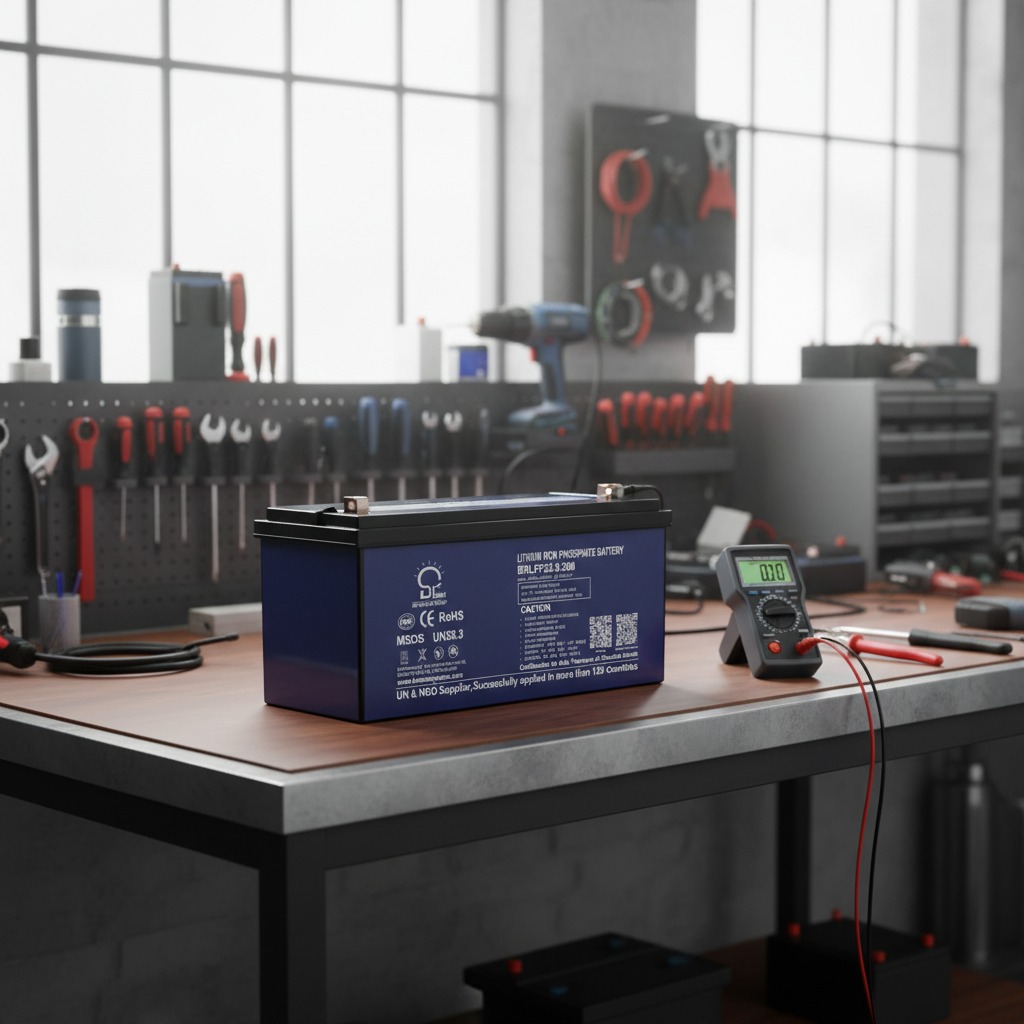
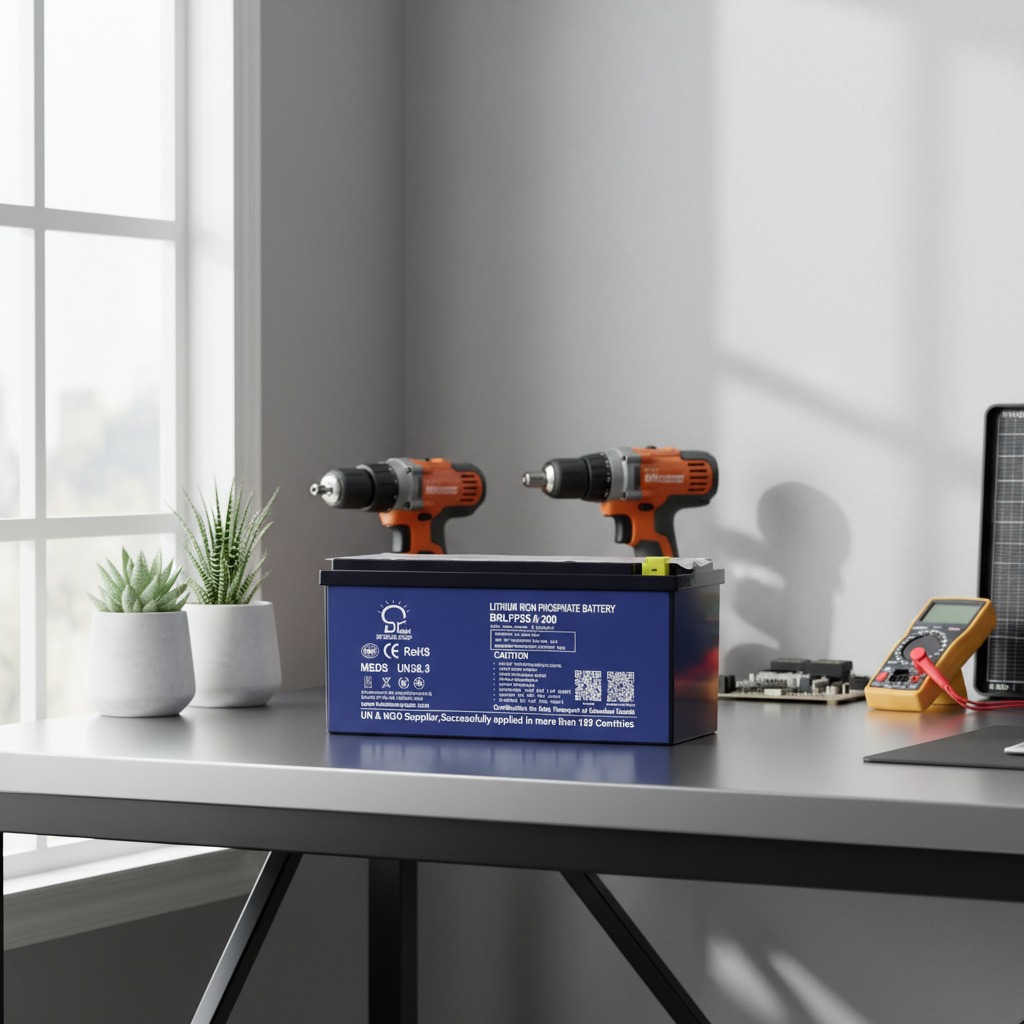
Rechargeable lithium batteries represent a significant leap in energy storage, offering users the convenience of repeated use without frequent replacements. Built on principles similar to lithium ion batteries, these rechargeable variants excel in scenarios requiring consistent power output, such as in power tools and medical devices. Their ability to endure deep discharge cycles—up to 80% without damage—translates to cost savings over time. In the context of renewable energy, rechargeable lithium batteries store excess solar or wind power efficiently, releasing it when needed to stabilize grids. Safety features like built-in battery management systems prevent overcharging and overheating, ensuring reliable operation. For instance, the advanced lithium iron phosphate chemistry used in models like the BRLFP25.6-200 provides superior thermal stability and a lifespan exceeding 5,000 cycles, certified with RoHS, CE, and UN38.3 standards for global compliance. This makes rechargeable lithium batteries a preferred choice for NGOs deploying off-grid solutions in remote areas across 159 countries.
Exploring Lithium Battery Applications
Lithium battery applications span a wide array of industries, from consumer gadgets to industrial machinery, demonstrating the versatility of this technology. In electric vehicles, lithium battery technology enables longer driving ranges and faster charging times, reducing reliance on fossil fuels. For solar energy systems, batteries like the BRCD-10048 from BR Solar Group, with its 51.2V and 100Ah capacity, store harvested sunlight effectively, powering homes and businesses during peak demand. These applications benefit from the batteries' compact design and high efficiency, often featuring intuitive displays and LED indicators for real-time monitoring. In backup power scenarios, such as for hospitals or data centers, lithium battery applications ensure uninterrupted operation during outages. Additionally, the integration of QR codes on products like the BRLFP25.6-200 allows users to access safety guidelines and specs instantly, enhancing usability. As lithium battery applications expand into aerospace and marine sectors, innovations continue to address challenges like extreme temperatures, making them suitable for harsh environments.
Insights into Lithium Battery Manufacturers
Lithium battery manufacturers play a pivotal role in advancing the field, focusing on quality, innovation, and sustainability to meet market demands. Leading producers, such as those behind the BR Solar Group's LiFePO₄ lineup, prioritize eco-friendly materials and rigorous testing to deliver products that align with international standards. For example, the BRCD-10048 model utilizes lithium iron phosphate technology for enhanced longevity and safety, operating at 51.2V with 200Ah capacity in some variants, ideal for renewable setups. These manufacturers invest in R&D to improve discharge rates and energy density, ensuring their batteries outperform competitors. The emphasis on certifications like UN38.3 facilitates safe global shipping, while features like ON/OFF controls and alarm indicators add user convenience. By collaborating with NGOs and deploying solutions worldwide, lithium battery manufacturers contribute to sustainable development, powering initiatives in over 159 countries. As the industry grows, these companies are also exploring recycling programs to minimize environmental footprints, reinforcing the circular economy.
The Future of Lithium Battery Technology
Looking ahead, lithium battery technology is poised for transformative growth, driven by the need for cleaner energy sources. Innovations in cathode materials, such as nickel-manganese-cobalt blends, promise even higher capacities while maintaining safety. Rechargeable lithium batteries will likely integrate with smart grids, optimizing energy distribution through AI-driven management. Lithium battery applications will expand into emerging fields like wearable tech and IoT devices, where compact, high-performance power is crucial. Manufacturers are responding by scaling production of models like the BRLFP25.6-200 and BRCD-10048, which already feature robust designs for solar integration and backup systems. Challenges remain, including raw material sourcing and cost reduction, but ongoing research into sodium-ion alternatives could complement lithium-based solutions. Ultimately, lithium battery technology will underpin the global shift to renewables, providing reliable, efficient power that supports a sustainable future.
In summary, from lithium ion batteries to diverse applications, this technology is reshaping energy landscapes. Whether through rechargeable options or manufacturer innovations, its impact is profound and far-reaching, ensuring a powered tomorrow.






