
Lithium Battery Technology: Powering the Future of Energy Storage
Lithium battery technology has revolutionized the way we store and utilize energy, offering efficient, reliable solutions for a wide range of applications. At the forefront of this innovation are advanced systems like the BRLFP25.6-200 Lithium Iron Phosphate Battery from BSLBATT and the 51.2V-100AH LiFePO₄ Lithium Battery from BR Solar Group. These products exemplify how lithium battery technology integrates safety, longevity, and performance to meet modern energy demands. As global reliance on renewable sources grows, understanding this technology becomes essential for both consumers and industries seeking sustainable power options.
Understanding Lithium Ion Batteries
Lithium ion batteries form the backbone of contemporary energy storage, prized for their high energy density and ability to recharge efficiently. Unlike older battery types, lithium ion batteries use lithium ions that move between the anode and cathode during charge and discharge cycles, enabling faster charging times and longer lifespans. This technology is pivotal in devices from smartphones to electric vehicles, where compact size and quick power delivery are crucial. Manufacturers have refined lithium ion batteries over decades, reducing costs and improving safety features to prevent issues like overheating. In residential settings, these batteries power home energy systems, storing excess solar energy for nighttime use. The shift toward lithium ion batteries reflects a broader trend in lithium battery technology toward more accessible and eco-friendly power sources.
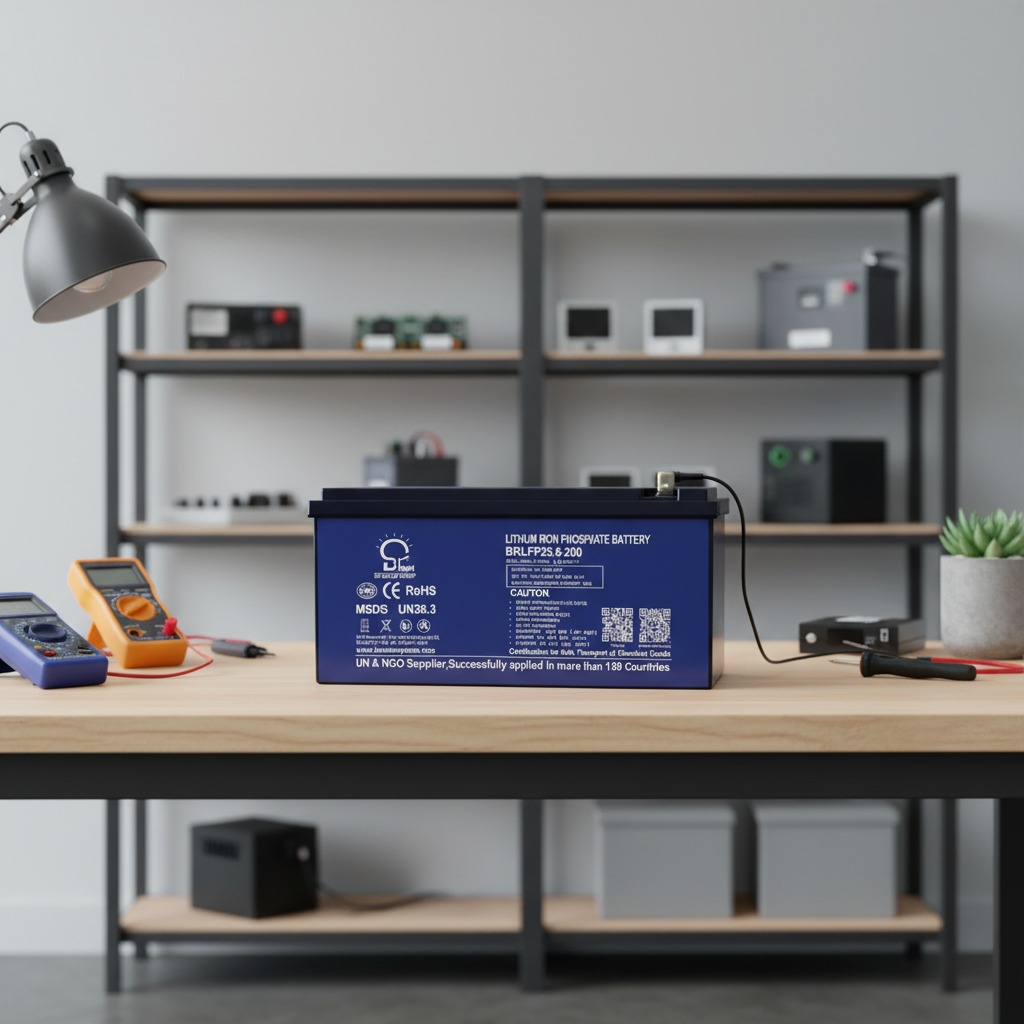
For instance, the BRLFP25.6-200 model leverages lithium ion batteries' principles but enhances them with Lithium Iron Phosphate chemistry, which provides superior thermal stability. This makes it suitable for demanding environments, ensuring consistent performance without the risks associated with traditional lithium ion variants. As lithium ion batteries continue to evolve, their integration into everyday life underscores the transformative impact of lithium battery technology on energy independence.
Rechargeable Lithium Batteries: Durability and Efficiency
Rechargeable lithium batteries stand out for their ability to endure thousands of charge cycles, far outpacing nickel-based alternatives. This durability stems from the stable chemical composition that minimizes degradation over time, allowing users to rely on them for years with minimal maintenance. Rechargeable lithium batteries are engineered to maintain voltage levels even under heavy loads, making them ideal for off-grid applications where consistent power is non-negotiable. Innovations in electrode materials have further boosted their efficiency, enabling faster recharge rates and higher capacity retention.
Take the 51.2V-100AH LiFePO₄ Lithium Battery from BR Solar Group, which embodies the strengths of rechargeable lithium batteries. With its advanced lithium technology, it supports extended cycle life—up to 6,000 cycles—while offering enhanced safety through built-in protections against overcharge and short circuits. This battery's smart display provides real-time monitoring, allowing users to track status effortlessly. In commercial setups, such as solar farms, rechargeable lithium batteries like this one ensure uninterrupted operation, reducing downtime and operational costs. The focus on eco-friendly materials also aligns rechargeable lithium batteries with global sustainability goals, minimizing environmental impact compared to lead-acid predecessors.
Moreover, the BR Solar Group's 51.2V-200AH variant takes rechargeable lithium batteries to the next level with its high-capacity design and LED indicators for easy operation. These features make it a versatile choice for both homes and businesses, highlighting how lithium battery technology drives progress in renewable energy storage.
Lithium Battery Applications Across Industries
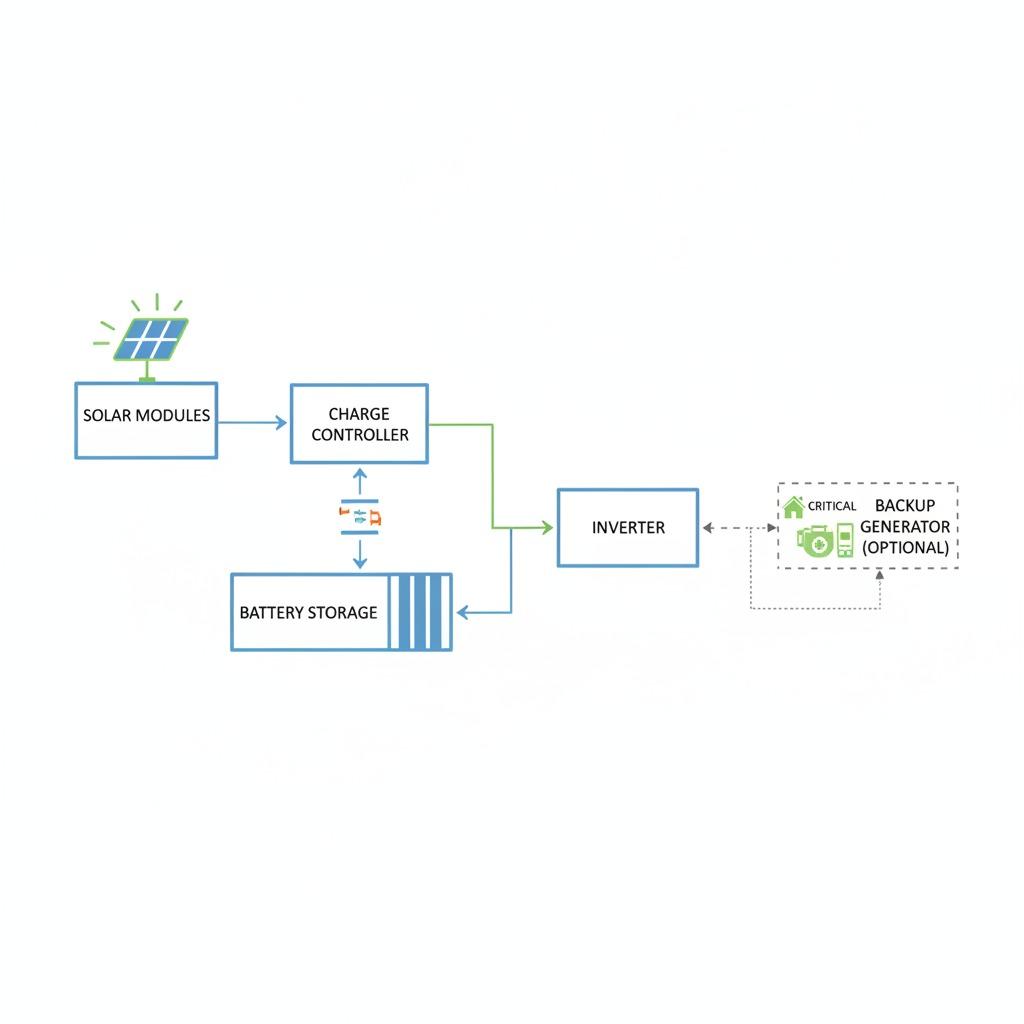
Lithium battery applications span a vast array of sectors, from consumer electronics to large-scale renewable energy projects. In electric vehicles, lithium battery technology enables longer driving ranges and quicker refueling times, accelerating the transition away from fossil fuels. For residential solar systems, these batteries store daytime energy production for evening use, promoting energy self-sufficiency. In telecommunications, lithium battery applications provide backup power during outages, ensuring critical infrastructure remains operational.
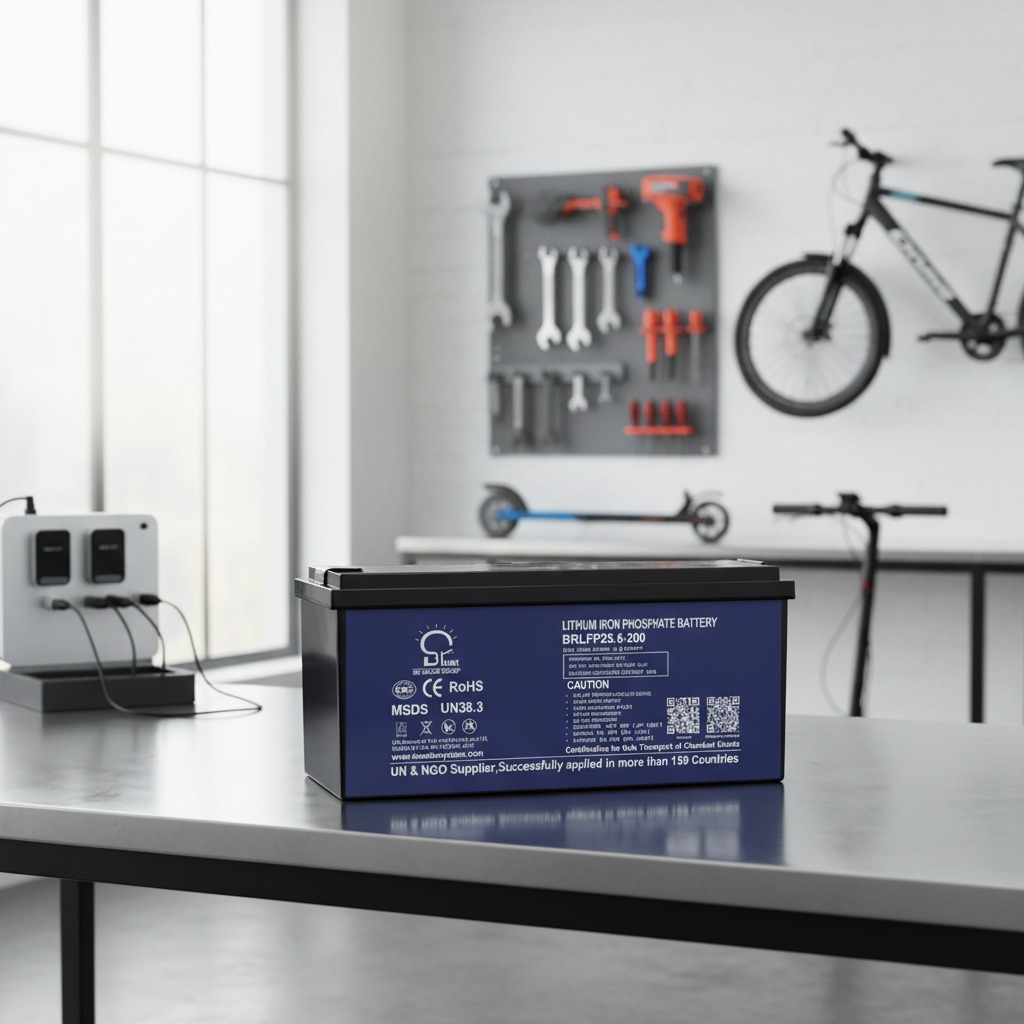
The BRLFP25.6-200 Lithium Iron Phosphate Battery exemplifies diverse lithium battery applications, certified under RoHS, MSDS, and UN38.3 standards for global compliance. Its robust casing withstands harsh conditions, making it perfect for marine and RV uses where reliability is paramount. Similarly, BR Solar Group's offerings cater to lithium battery applications in off-grid living, powering homes without grid access. In industrial settings, these batteries support uninterruptible power supplies (UPS), preventing data loss in servers and machinery. The versatility of lithium battery technology allows seamless integration into smart grids, optimizing energy distribution and reducing waste.
Beyond these, emerging lithium battery applications include wearable tech and medical devices, where compact, lightweight designs are essential. As research advances, we can expect even broader adoption, from aerospace to smart cities, all powered by the efficiency of lithium battery technology.
Insights into Lithium Battery Manufacturers
Lithium battery manufacturers play a crucial role in advancing this field, focusing on innovation, quality, and scalability to meet rising demand. Leading lithium battery manufacturers invest heavily in R&D to develop safer, more efficient cells, often specializing in specific chemistries like LiFePO4 for its stability. These companies adhere to stringent international standards, ensuring products are safe for end-users and environmentally sound. Global supply chains enable lithium battery manufacturers to source rare earth materials responsibly, mitigating ethical concerns in production.
BSLBATT and BR Solar Group are exemplary lithium battery manufacturers, delivering products like the BRLFP25.6-200 and 51.2V-100AH batteries that prioritize user safety and performance. BSLBATT's commitment to certifications underscores their dedication to quality, with batteries recognized in over 159 countries. BR Solar Group emphasizes sustainable manufacturing, incorporating recyclable components to lower carbon footprints. As lithium battery manufacturers expand, they foster competition that drives down prices, making advanced energy storage accessible to more people.
These manufacturers also provide comprehensive support, from installation guides to warranty services, ensuring customers maximize their investments. By choosing reputable lithium battery manufacturers, users gain peace of mind and contribute to a greener future through superior lithium battery technology.
The Future of Lithium Battery Technology
Looking ahead, lithium battery technology promises even greater breakthroughs, such as solid-state designs that eliminate liquid electrolytes for enhanced safety and energy density. Researchers are exploring alternative materials to reduce reliance on scarce resources, paving the way for more sustainable production. As lithium battery applications grow, so does the emphasis on recycling programs to recover valuable components, closing the loop on resource use.
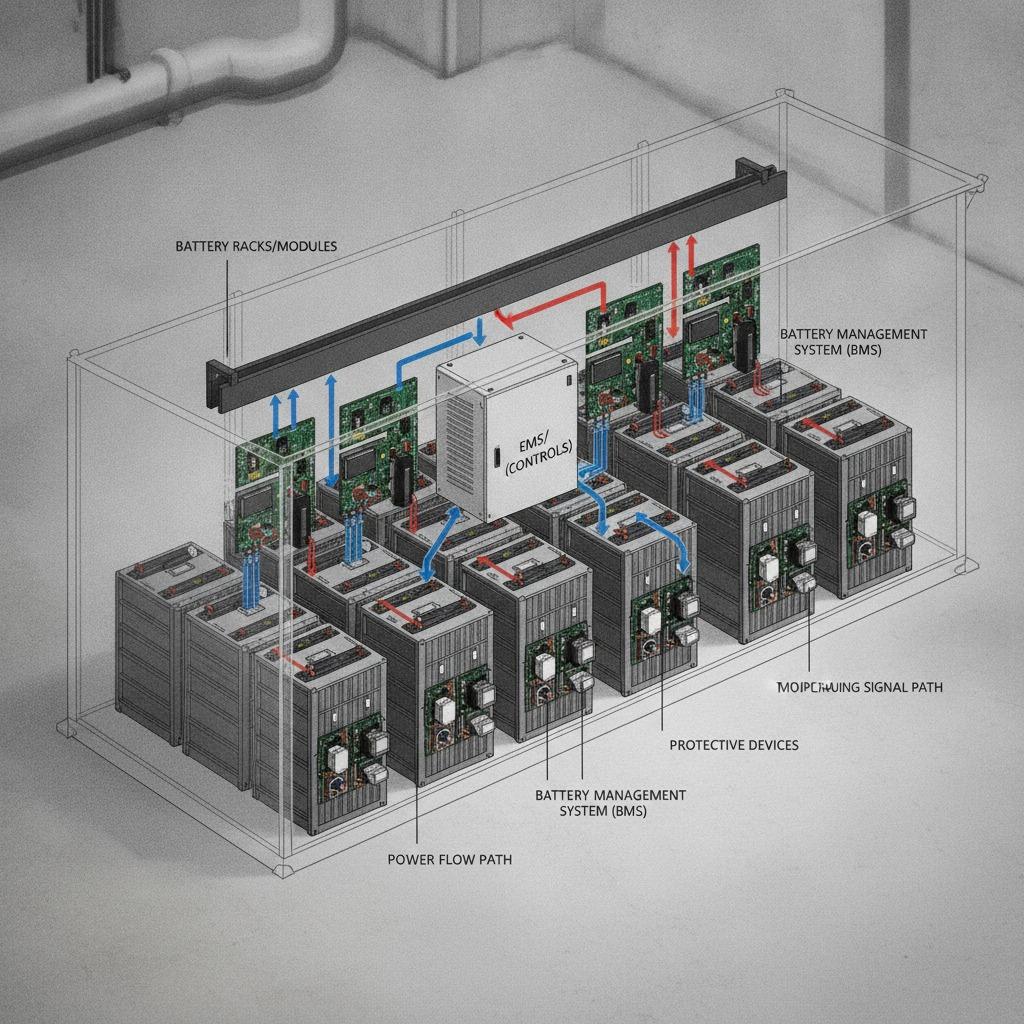
Products from innovative lithium battery manufacturers like BSLBATT and BR Solar Group are already setting benchmarks, with features like integrated BMS (Battery Management Systems) for optimal performance. Rechargeable lithium batteries will likely integrate AI for predictive maintenance, extending lifespan further. In lithium ion batteries, improvements in fast-charging capabilities could rival traditional refueling times for EVs.
Ultimately, lithium battery technology is key to achieving global energy goals, supporting the shift to renewables and reducing emissions. By embracing these advancements, individuals and businesses can secure reliable, efficient power for generations to come.