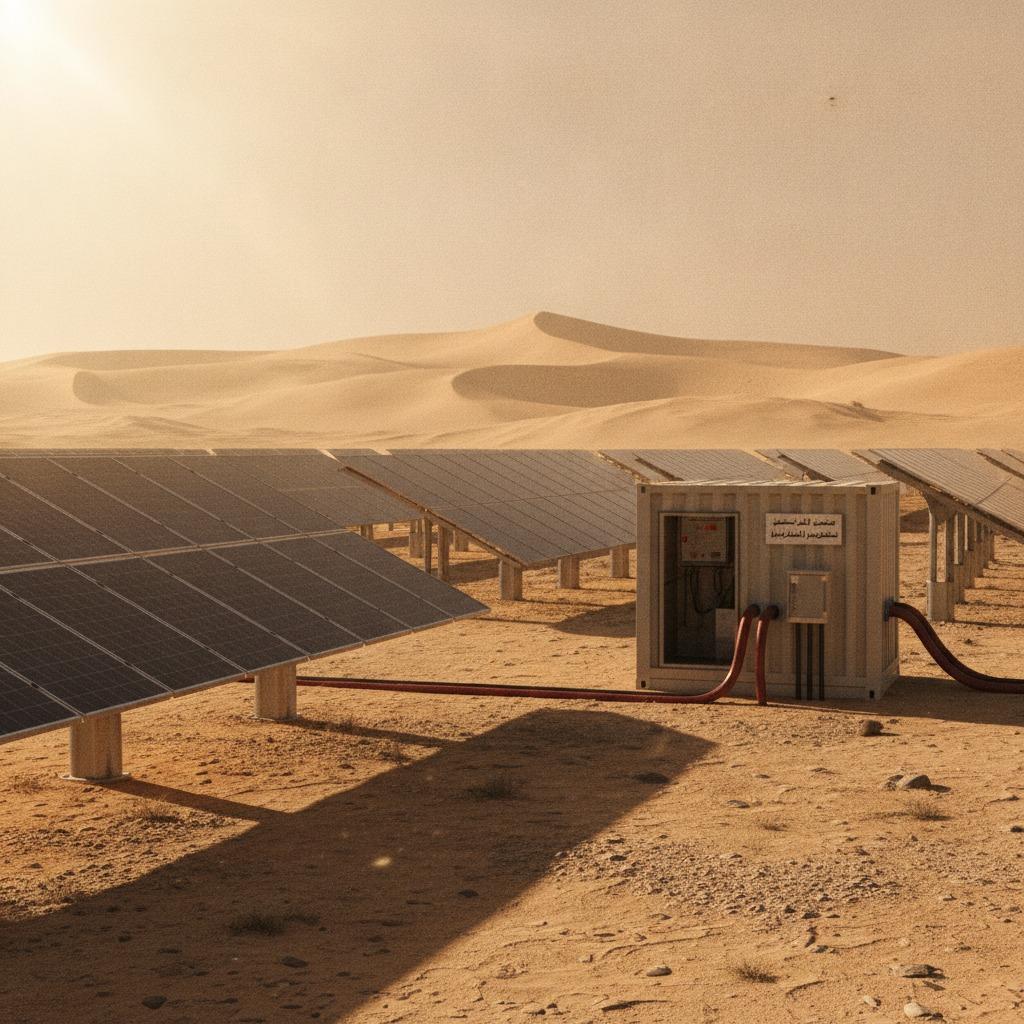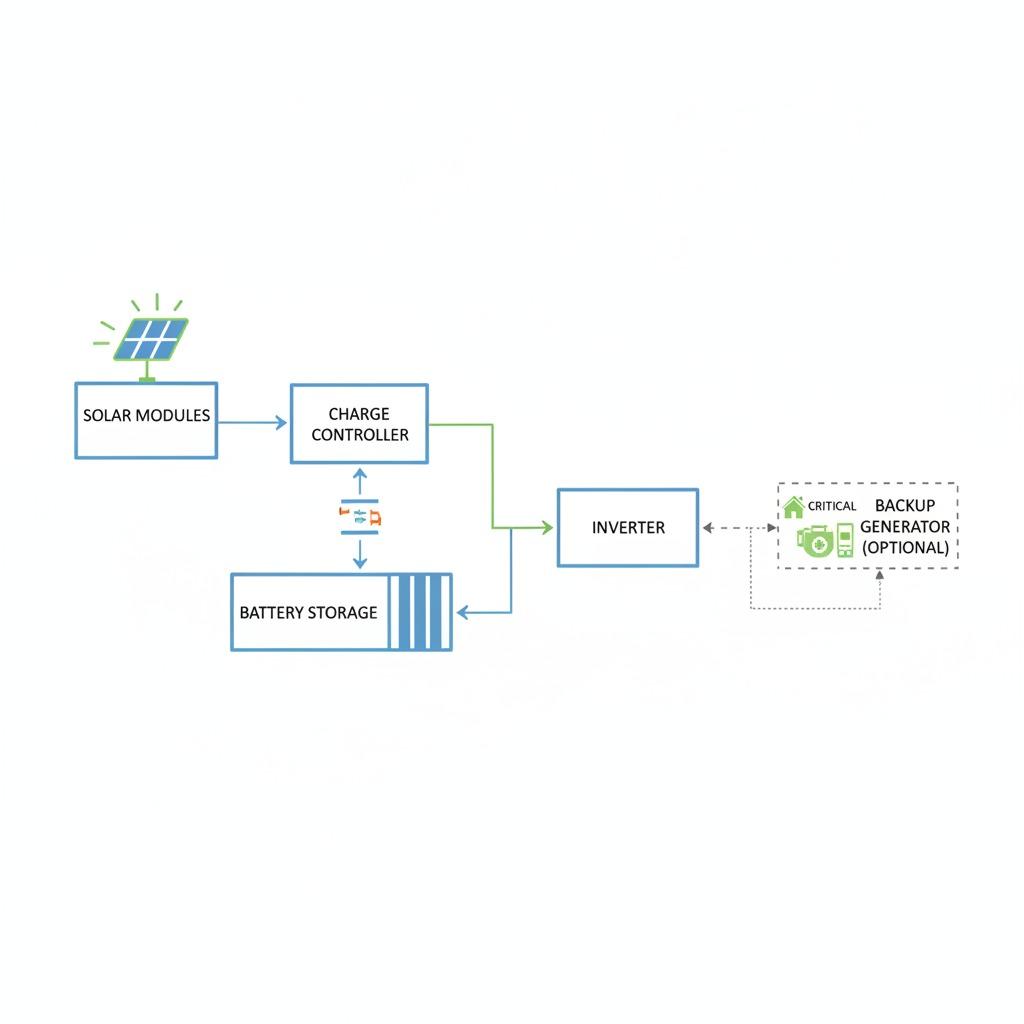


Reliable power supply is essential for both daily life and industrial operations, particularly in regions with unstable electricity grids, remote locations, or areas prone to frequent outages. Energy disruptions can have serious consequences, from interrupting essential services to limiting economic productivity. To address these challenges, BR SOLAR Group provides complete off-grid and hybrid solar power systems integrated with advanced energy storage technologies. Our solutions are engineered to deliver stable, efficient, and long-lasting power across a wide range of residential, commercial, and institutional applications, providing peace of mind for clients who require dependable energy.
Complete Energy Storage Solutions
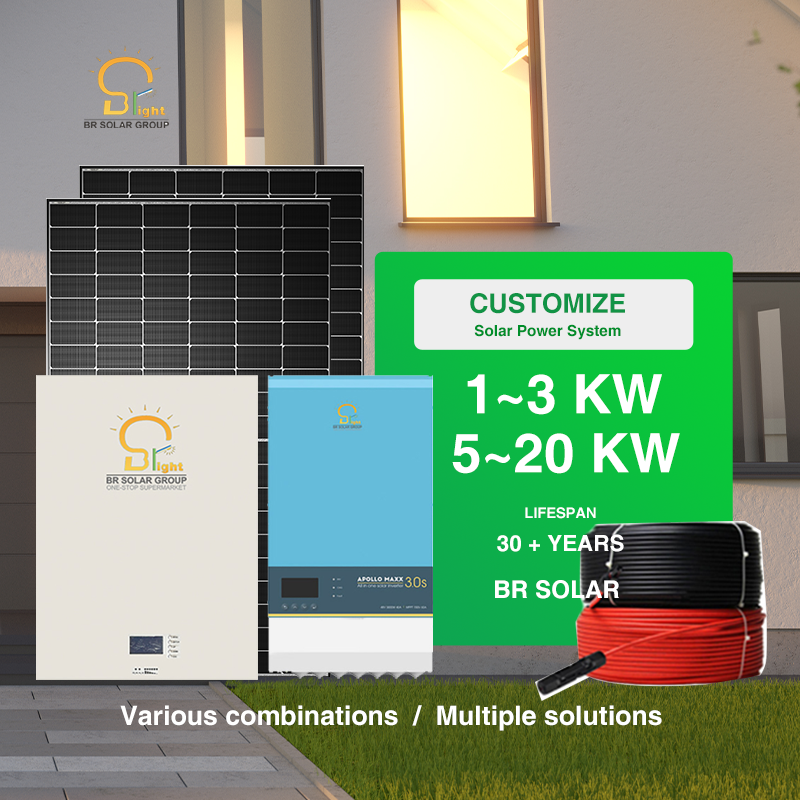
At the core of BR SOLAR’s power systems are our lithium battery energy storage solutions (ESS), designed to offer high energy efficiency, long cycle life, and safe, reliable operation. Our battery systems are compatible with leading global inverter brands, including SMA, MPP SOLAR, and other widely recognized manufacturers, ensuring seamless integration and flexible configuration options.
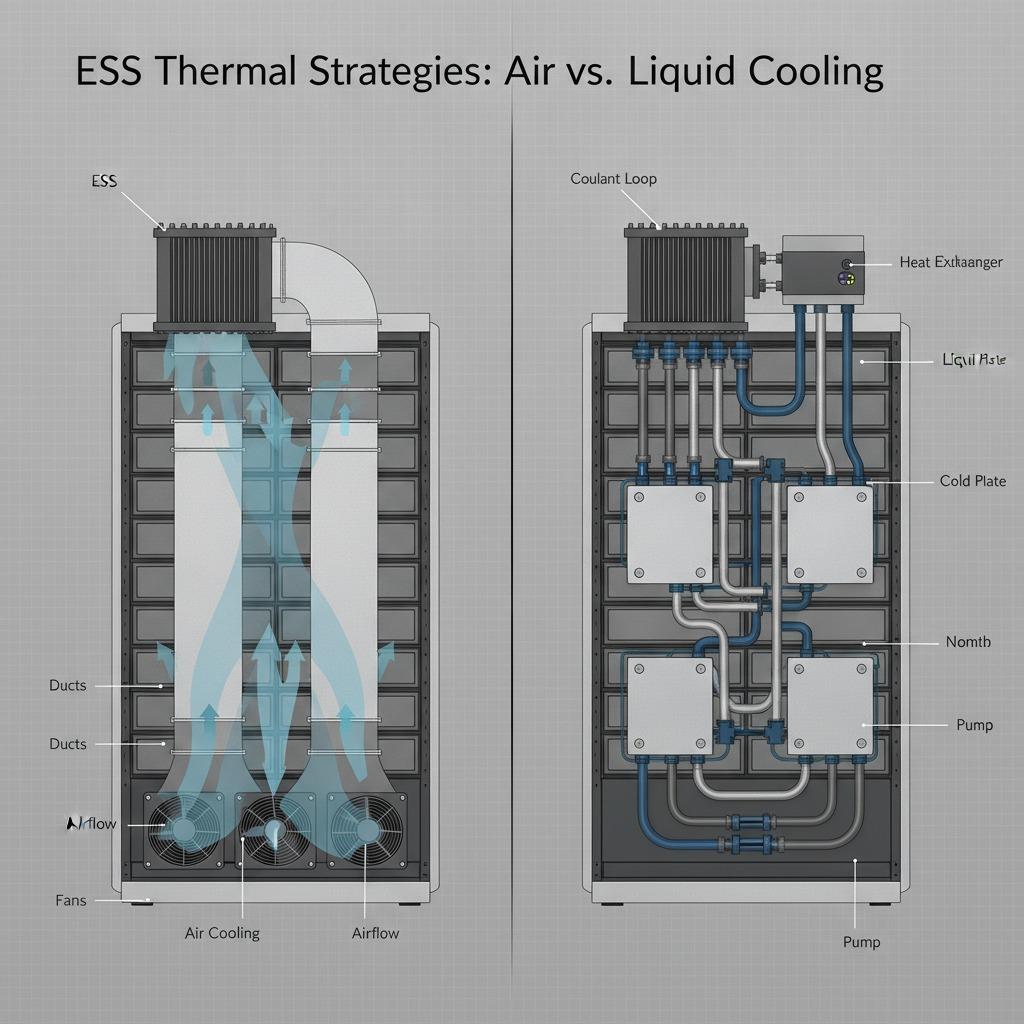
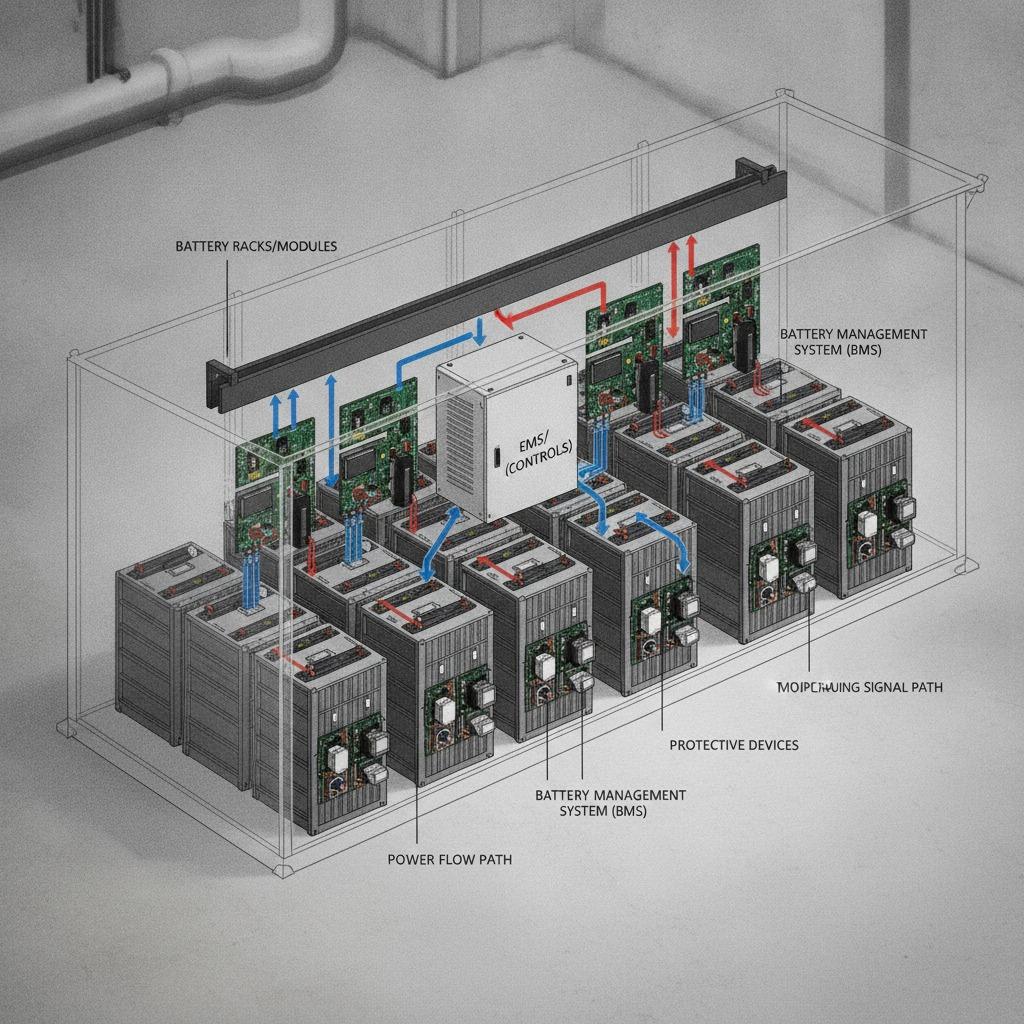
Each battery system undergoes stringent manufacturing and in-house testing processes to guarantee consistent performance and reliability, even under demanding environmental conditions such as high temperatures, humidity, or intermittent solar input. Advanced battery management systems (BMS) provide real-time monitoring, protection against overcharge, over-discharge, short circuits, and temperature anomalies, ensuring safety and extending the operational lifespan of the system.
By combining robust energy storage with high-quality solar panels and proven inverters, BR SOLAR ESS enables uninterrupted, stable electricity supply for a variety of applications, ranging from small residential setups to large commercial installations.
Customized System Design
Every BR SOLAR project begins with a fully tailored system design, reflecting the unique requirements of each customer and site. Our engineering team evaluates critical factors including daily and peak load demands, installation location, available solar irradiance, climate conditions, and budgetary constraints. This detailed assessment allows us to design optimized solar and storage solutions that balance efficiency, reliability, and cost-effectiveness.
For residential applications, our designs focus on providing consistent household electricity, supporting appliances, lighting, and small devices with minimal operational interruptions. For commercial and industrial projects, systems are configured to meet higher energy demands, including powering factories, warehouses, telecom stations, or medical facilities. By tailoring every system to the specific energy profile of the customer, BR SOLAR ensures stable power output, efficient energy utilization, and long-term operational reliability.
Reliable Power for Critical Applications
Power reliability is particularly critical for mission-sensitive operations. BR SOLAR off-grid and hybrid solar systems have been widely deployed in medical facilities, hospitals, educational institutions, government offices, and remote communities where uninterrupted electricity is essential.
By combining solar generation with advanced energy storage, our systems provide a consistent power supply that significantly reduces dependence on diesel generators and other backup sources. This not only improves energy security but also reduces operational costs, noise, and carbon emissions associated with conventional energy sources. For critical applications such as emergency services, healthcare operations, and telecommunications, BR SOLAR systems ensure continuous operations, even in regions with unreliable grids or in locations completely disconnected from the main electricity network.
Scalable & Future-Ready Solutions
BR SOLAR designs all off-grid and hybrid solar systems with scalability and future expansion in mind. Modular battery and inverter configurations allow customers to increase system capacity as energy demand grows, protecting their investment over time. Whether adding additional panels, expanding battery storage, or integrating smart monitoring systems, our solutions are designed to adapt to evolving energy requirements.
This future-ready approach not only provides flexibility for capacity upgrades but also ensures that the solar power system remains relevant and efficient as technology advances and energy consumption patterns change. Clients can confidently plan for long-term growth without the risk of obsolescence or costly system replacements.
Comprehensive Support & Turnkey Solutions
Beyond providing high-quality hardware, BR SOLAR Group offers professional project support and turnkey services, including system engineering, installation guidance, commissioning, and post-sales maintenance. Our global experience allows us to support projects in diverse climates and remote locations, ensuring smooth implementation, operational reliability, and ongoing performance monitoring.
By integrating solar generation, energy storage, and intelligent management into a single coordinated solution, BR SOLAR empowers clients to achieve energy independence, reduce costs, and improve sustainability. From residential homes to industrial complexes and critical infrastructure, our systems are engineered to provide dependable, efficient, and scalable energy solutions that meet the growing demands of modern life and industry.
Driving Sustainable Energy Access
In a world increasingly reliant on clean, renewable energy, BR SOLAR Group’s off-grid and hybrid solar solutions enable communities, businesses, and institutions to access reliable electricity while minimizing environmental impact. By combining advanced technology, custom engineering, and a future-focused approach, BR SOLAR helps clients build energy systems that are resilient, sustainable, and capable of supporting long-term growth and operational continuity.
Our commitment to quality, safety, and performance ensures that every system delivers reliable energy whenever it is needed, empowering businesses and communities worldwide to thrive in both stable and challenging power environments.