

Why opposition to BESS shows up so early in project planning

Opposition to BESS, or battery energy storage systems, is not just a public-relations problem. For engineers, sourcing managers, and product teams, it is usually a signal that a project has not yet answered the practical questions people care about: safety, siting, noise, fire response, maintenance access, and what happens if something goes wrong. That matters because even a technically sound storage project can stall if those concerns are left vague.
A BESS project can support renewable integration, peak shaving, backup power, and grid balancing. But the same system also concentrates energy in a small footprint, relies on complex controls, and often gets installed near communities that have little tolerance for uncertainty. So the debate is rarely abstract. It is about risk, trust, and whether the project team can show that the installation belongs in that location.
What people are actually reacting to
In many cases, opposition to BESS comes from a mix of understandable concerns rather than a single issue. The most common ones are fire safety, emergency response planning, battery chemistry, transportation of cells and modules, environmental impact, and the visual or noise effect of the installation.
Fire risk tends to get the most attention, and for good reason. Battery thermal runaway is not a routine failure mode, but it is serious when it happens. Once a facility is perceived as a possible source of long-duration heat, smoke, or re-ignition, public confidence drops quickly. Residents do not usually want a technical explanation first; they want to know what the site team will do if a container alarms at 2 a.m.
Noise is another issue that is easy to underestimate. Cooling systems, inverters, and transformers may be well within allowable limits, yet still become a local nuisance if the project sits close to homes. The same goes for lighting, traffic during construction, and the simple fact that industrial equipment looks more intrusive than many developers expect.
Why BESS projects draw more scrutiny than they used to
Energy storage has grown fast, and fast growth often outpaces public understanding. Many communities are still getting familiar with what a BESS installation is, how it operates, and why it is different from a substation or a warehouse. That gap creates room for suspicion, especially when people hear terms like lithium-ion, thermal runaway, or emergency shutdown without clear context.
There is also a broader policy angle. Communities that support decarbonization may still oppose a specific project if they feel the siting decision placed cost efficiency above local safety. That is a subtle but important point. A project can be good for the grid and still be a poor neighbor if it is squeezed into the wrong parcel, lacks buffering, or was communicated as a done deal rather than a proposal.
A quick reference view of the main concern areas
Safety and fire response
This is usually the first line of criticism. Buyers and project teams should want clear answers on enclosure design, detection systems, separation distances, suppression strategy, and emergency access. Not every system uses the same architecture, and not every response plan is equally credible.
Location and land use
The project’s placement often decides whether opposition fades or hardens. Industrial zoning helps, but it does not solve everything. Distance from homes, schools, and sensitive facilities still matters, especially when the system is large or part of a clustered energy site.
Operations and maintenance
People worry less about a one-time installation than about the long-term pattern: who visits the site, how often, what vehicles come and go, and whether maintenance can be done without creating recurring disturbance.
End-of-life handling
Disposal, recycling, and replacement planning are often overlooked in early pitches. Yet they affect public trust and procurement decisions alike. A system that looks efficient on day one can become difficult to defend if there is no visible plan for module replacement or retirement.
What sourcing teams should ask before the objections harden
If your team is evaluating storage hardware or a project partner, the safest approach is to push for documentation early. Not every concern is solved by engineering alone, but vague answers create their own risk.
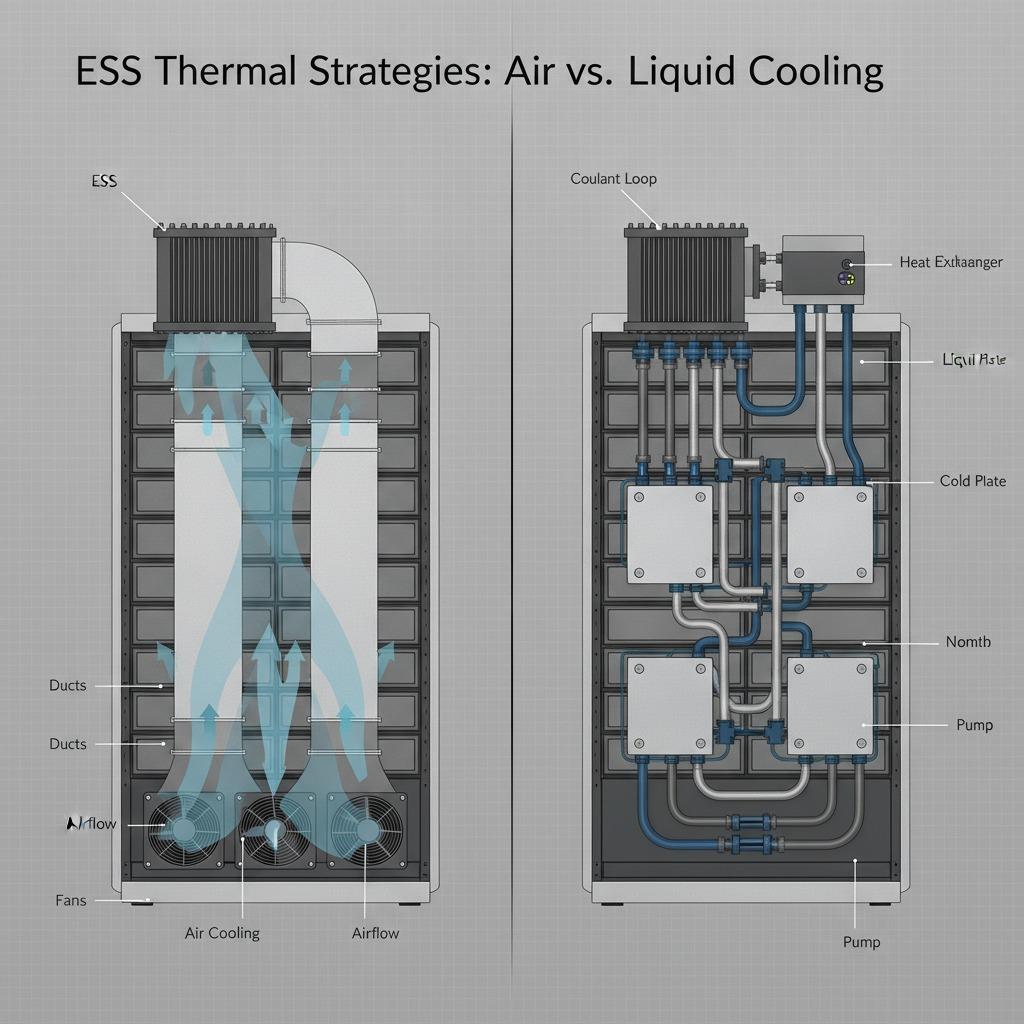
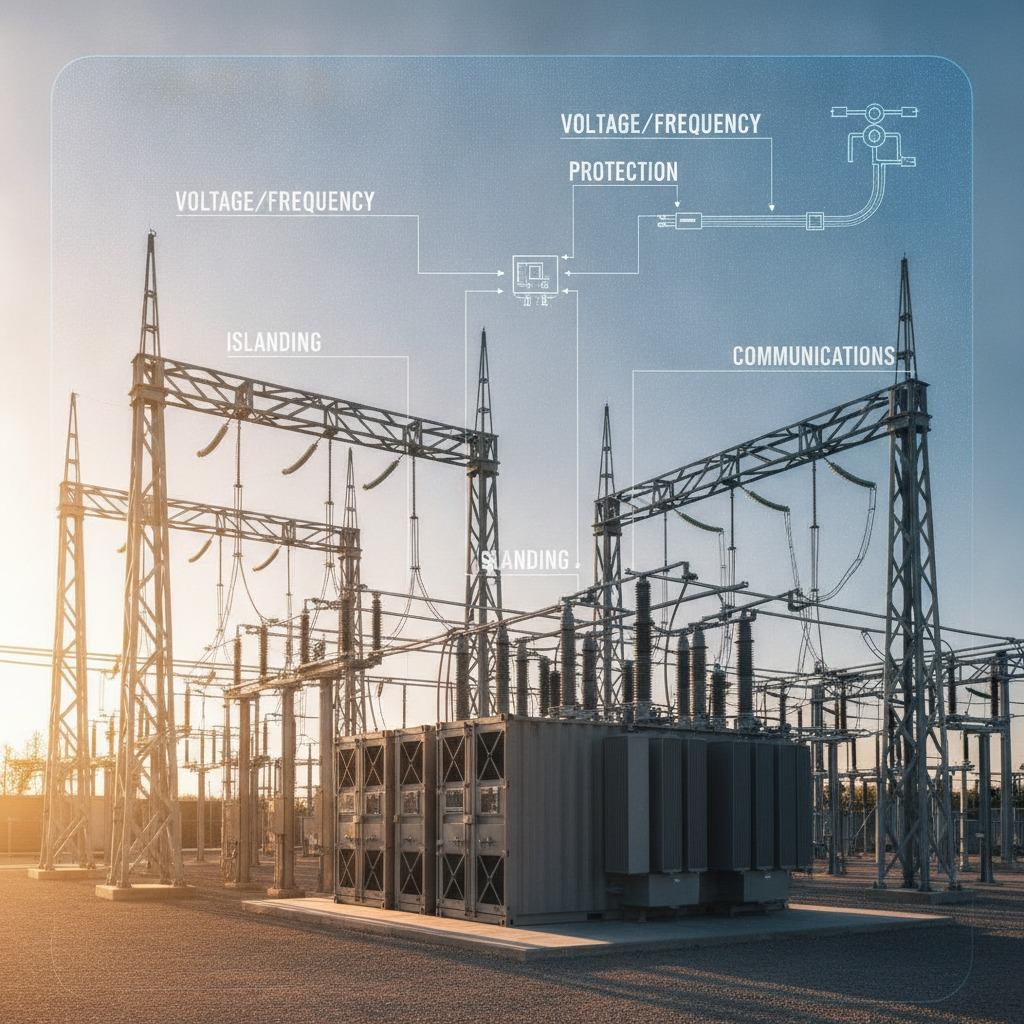
Ask how the system handles thermal events, how failures are detected, and what the shutdown sequence looks like. Ask whether the enclosure design allows clear emergency access. Ask how the cooling system behaves in hot weather, since real-world performance can look very different from a clean spec sheet. Ask whether the project design anticipates local fire code review and utility interconnection requirements from the start, rather than retrofitting them later.
A practical warning here: if the sales pitch sounds like “standard solution, no issues expected,” that should trigger more questions, not fewer. Industrial equipment rarely earns trust through reassurance alone.
How the industry can reduce opposition before it starts
The best way to reduce opposition to BESS is not a slogan. It is process.
First, site selection needs to be defensible. The project should fit the land use, not just the available acreage. A parcel that is cheap and convenient can still be the wrong choice if it is too close to residences or lacks room for setbacks, access roads, and emergency staging.
Second, communication has to be plainspoken. Technical teams often overestimate how much detail helps. Local stakeholders usually benefit more from a clear explanation of what the system does, what the real risks are, and what protections are built in. Overclaiming safety can backfire. So can dodging questions.
Third, operations planning should be visible. That includes inspection routines, alarm response, maintenance access, and coordination with local responders. A project that leaves emergency services guessing is asking for trouble.
Fourth, procurement should consider the whole lifecycle. Reliability, serviceability, enclosure design, and supplier support matter as much as energy density or footprint. Buyers who focus only on initial capacity often discover later that the harder problem is maintenance, not installation.
Common mistakes that turn concern into organized resistance
One common mistake is treating community feedback as a late-stage checkbox. By the time a permit package is filed, it may already be too late to correct a poor site narrative.
Another is presenting technical benefits without acknowledging legitimate risks. If a developer talks only about resilience and emissions reduction, people hear marketing. If the team also explains the safety systems, the alarms, and the response plan, the message becomes more believable.
A third mistake is underestimating visual and acoustic impact. Engineers may see a compact installation; neighbors may see a new industrial node. That difference is not trivial.
Finally, some teams assume that compliance equals acceptance. It does not. A project can meet a code requirement and still face sustained opposition if the surrounding community does not trust the decision-making process.
What buyers should take from the debate
For manufacturing and procurement teams, opposition to BESS is a reminder that the best battery system is not only the one with the right electrical performance. It is the one that can be explained, maintained, permitted, and defended over its full service life.
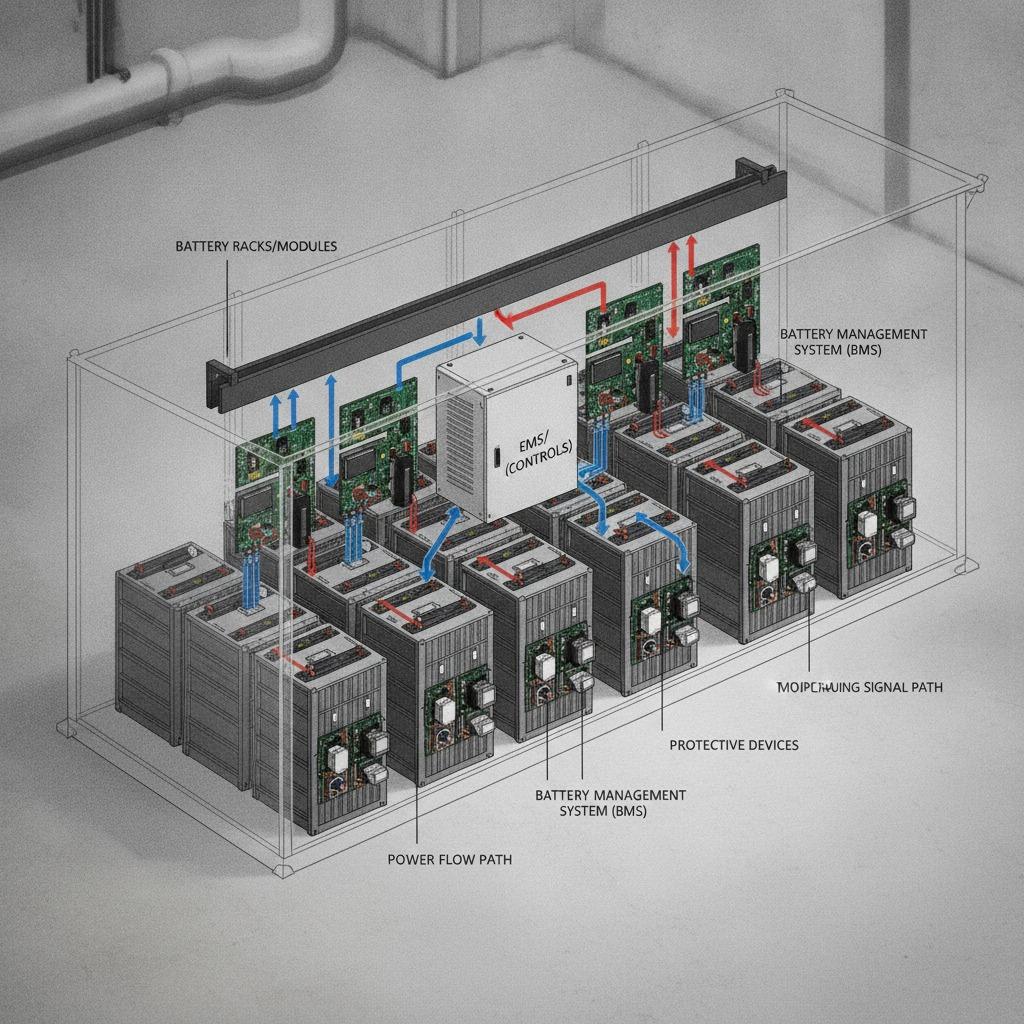
If you are evaluating suppliers or integrators, look beyond the headline capacity. Compare enclosure design, thermal management, monitoring architecture, service access, and documentation quality. Check whether the vendor can support local approvals with realistic technical material. And if the project is going into a sensitive location, consider whether a different configuration, chemistry, or site plan may reduce risk even if it costs more upfront.
That extra diligence is rarely wasted. In storage projects, the cheapest answer on paper is often the one that creates the most expensive arguments later.
FAQ: the questions that come up most often
Is opposition to BESS always about safety?
No. Safety is the headline concern, but land use, noise, traffic, visual impact, and trust in the developer often matter just as much.
Can better engineering eliminate public concern?
Not entirely. Good engineering reduces risk and improves credibility, but public acceptance also depends on location, communication, and whether local stakeholders feel heard.
What should a project team prepare first?
Start with site justification, fire and emergency planning, and a plain-language explanation of the system. Those items usually shape the rest of the conversation.
Does every BESS project face the same level of resistance?
No. Context matters. A utility-scale site near an industrial corridor will usually face different scrutiny than a smaller installation near homes or schools.
Next step for engineering and sourcing teams
If your organization is planning or procuring storage equipment, treat community opposition as an early design input, not an afterthought. The right questions at the start can save months of delay later. Review the site, the safety case, the operating plan, and the supplier’s documentation with the same seriousness you would apply to electrical performance. In BESS projects, that discipline often decides whether the work moves forward smoothly or gets trapped in avoidable resistance.