
Residential battery energy storage: what buyers should understand before they choose a system
Residential battery energy storage has moved from a niche backup option to a serious part of home energy planning. For engineers, sourcing managers, and product teams, the appeal is easy to understand: store electricity when it is cheaper or more available, then use it when the grid is expensive, unstable, or simply unavailable. The hard part is not the idea. It is the hardware, the integration, and the trade-offs hidden behind a clean brochure photo.
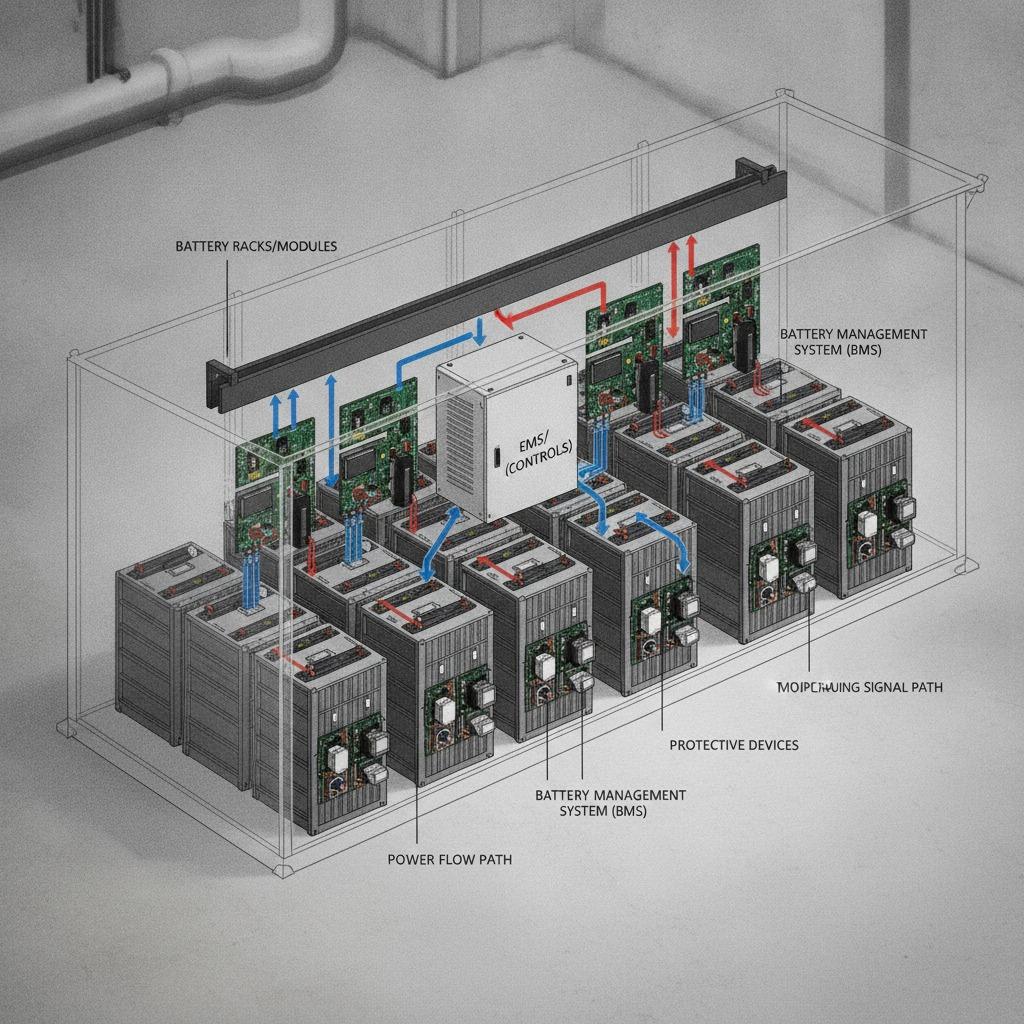
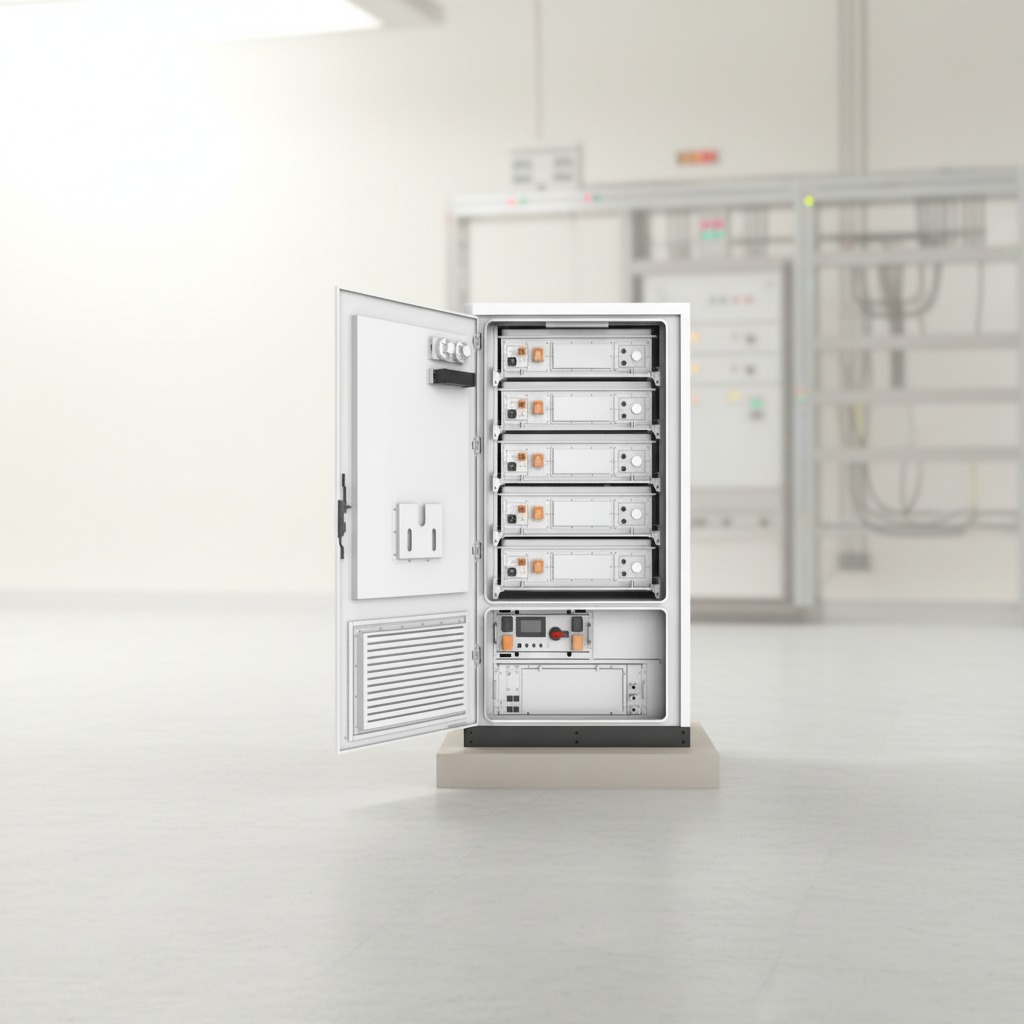
A modern battery energy storage system for home is not just a battery pack in a box. It is usually a managed assembly of cells, controls, switching hardware, thermal considerations, and an enclosure designed to keep the whole thing serviceable and safe. That is where many buying decisions go sideways. The exterior can look simple, but the cabinet architecture, compartment layout, access points, and ventilation approach often tell you more about long-term performance than the marketing copy does.
Why this category matters now
Homeowners and installers are asking more of storage systems than they did a few years ago. They want backup power, better self-consumption from rooftop solar, and some protection against peak-rate bills. Product teams, meanwhile, are being asked to make systems easier to install, quieter to live with, and more resilient over time. Those goals do not always sit comfortably together.
A home battery storage system has to fit into a real house, not a lab. That means it must work around space constraints, noise sensitivity, local electrical codes, and service access. It also means the enclosure and internal architecture matter a great deal. A cabinet that is easy to inspect and maintain may be more valuable than one that looks compact but becomes a nightmare once the installer needs to replace a module or check a cable run.
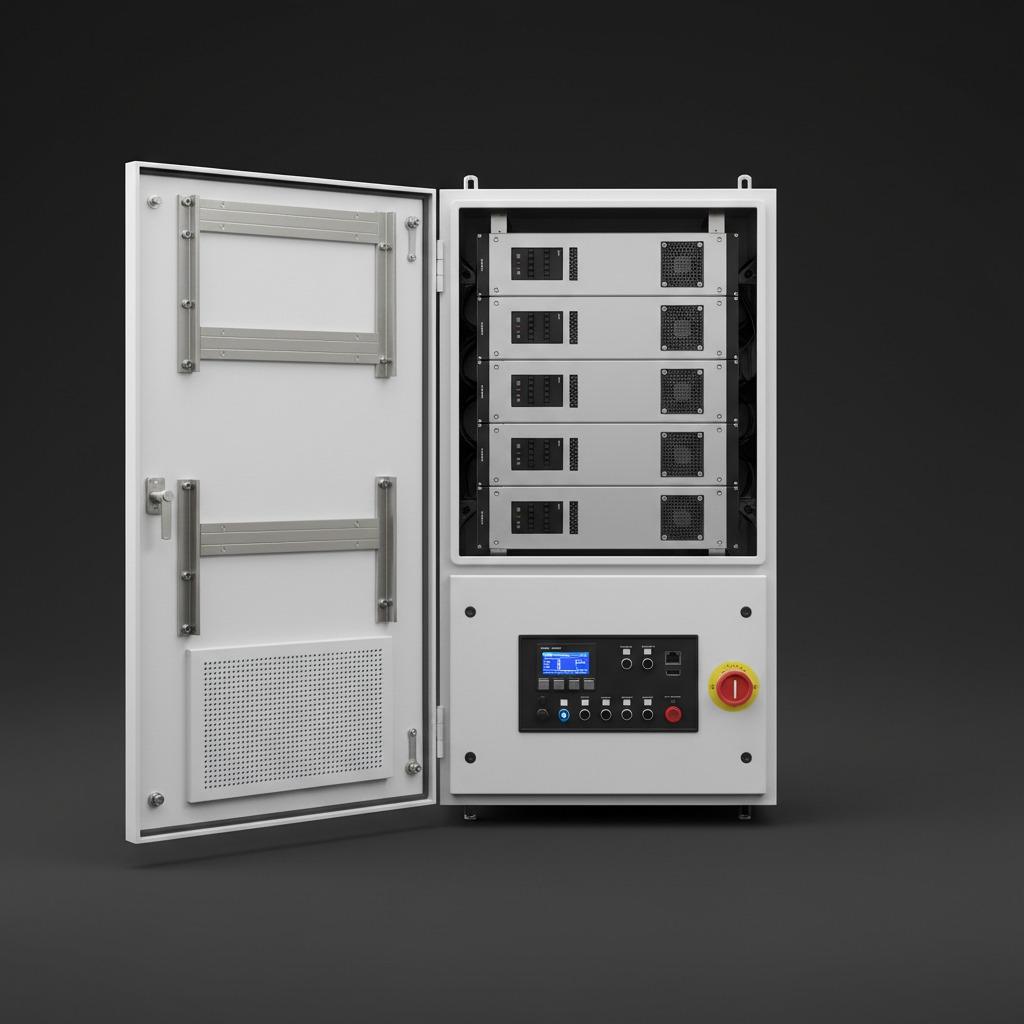
The industrial cabinet style shown in the provided product information is a useful reminder of this. Even when the final application is residential-adjacent, the best designs often borrow heavily from industrial power equipment: stacked modules, separated compartments, lockable doors, vented panels, and clear service access. That is not decoration. It is what makes the system workable in the field.
What a buyer should evaluate first
Before anyone compares brands or starts talking about app features, the practical questions should come first.
1. What is the system expected to do?
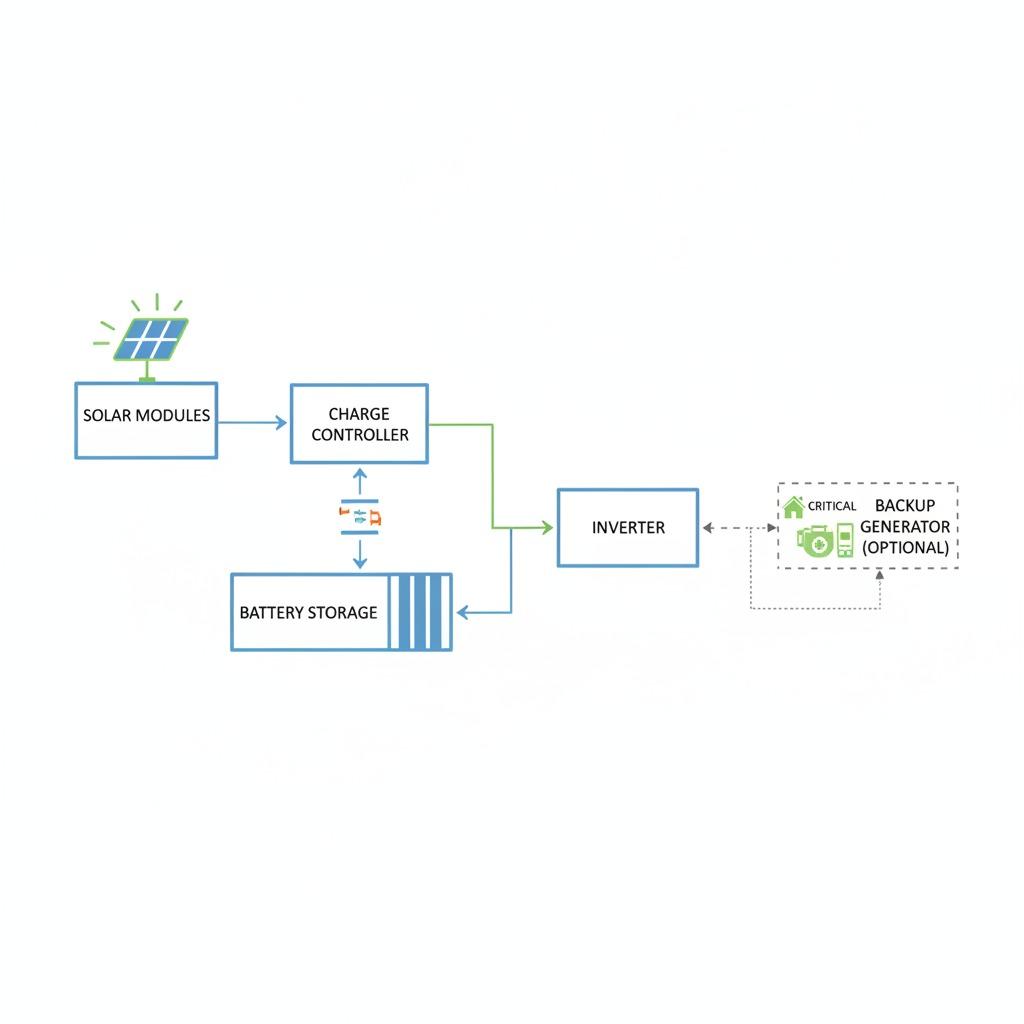
A battery energy storage system for home can be sized and configured very differently depending on the goal. Backup for a few circuits is one thing. Whole-home support during outages is another. Self-consumption from solar sits somewhere in between. If the use case is unclear, the rest of the specification becomes muddy fast.
2. How is it packaged?
The cabinet format described in the product information suggests a modular, enclosed layout with a front service door, vent grille, and separated internal sections. That sort of packaging can help with access, cable organization, and replacement of subassemblies. For buyers, the important question is whether the system remains maintainable after installation. If technicians cannot reach the components without unnecessary disassembly, service costs tend to rise.
3. How is heat handled?
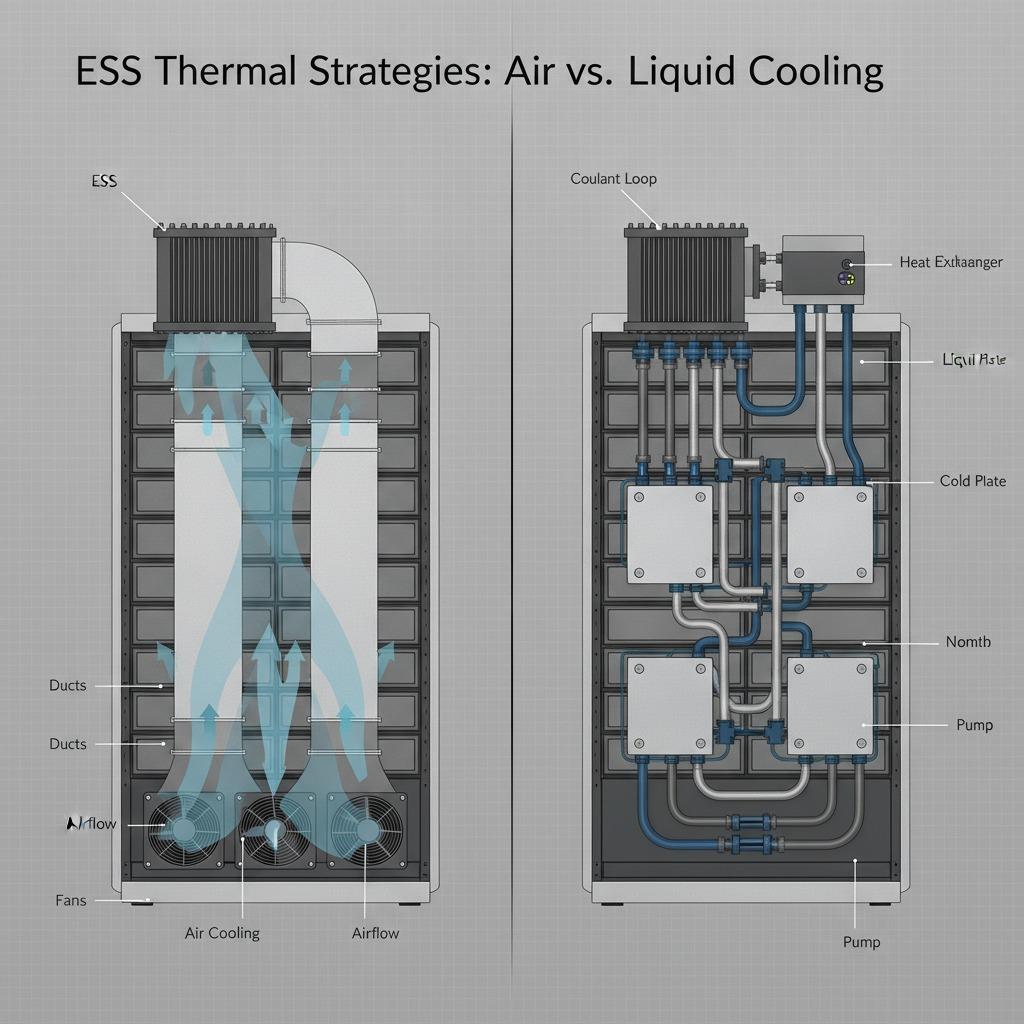
Thermal management is one of the quiet differentiators in storage systems. The visible vent openings on the enclosure imply that airflow and internal temperature control have been considered, but the exact method is not stated. Buyers should resist assuming that a vented cabinet automatically means adequate cooling. The real issue is whether the design maintains component life under expected ambient conditions and duty cycles.
4. How modular is it?
The stacked internal modules in the provided product description point to a modular architecture. That is often attractive because it can simplify assembly, service, and future configuration changes. Still, modularity is only useful if the modules are standardized enough to replace or expand without awkward custom work. A system that looks modular but depends on a unique internal harness or proprietary mounting pattern can become expensive to maintain.
Cabinet design: more than a metal box
The enclosure in the source material appears to be a fabricated sheet-metal cabinet with a painted or powder-coated finish, a hinged front door, and a dark base plinth. That combination is common in electrical equipment for a reason. Sheet metal gives structure, protection, and a clean route for mounting brackets, rails, and internal frames. The door provides access while keeping the live or sensitive elements enclosed. The base plinth can help with installation and cable management.
For residential battery energy storage, this kind of cabinet thinking matters in a few very practical ways.
It can help keep the system organized. Repeated plug-in or rack-style modules are easier to inspect if the internal layout is disciplined. It can also improve serviceability. A technician looking at a clearly separated upper module bank and lower control bay is usually better off than one faced with a dense, all-in-one internal pack. And it can support better risk control. Separating control electronics from the main storage section is not always possible, but when it is done well, it tends to make fault diagnosis simpler.
The caution, of course, is that cabinet design alone does not tell you everything. A visually sturdy enclosure says little about the cell chemistry, the control logic, or the system’s electrical protection strategy. Buyers should not treat the cabinet as proof of quality. It is only one layer of the story.
Comparing the options buyers usually consider
When teams evaluate storage products, the discussion often narrows to three broad approaches:
- Compact wall-mounted units, which save floor space but may be harder to service.
- Cabinet-based systems, which often offer better modular access and internal separation.
- Integrated power centers, which combine storage and power electronics but can be more complex to repair.
For a home battery storage system, the cabinet approach is often the middle ground. It is not the smallest solution, and it may not be the simplest from a visual standpoint, but it can offer a sensible balance between serviceability and capacity organization. That is especially relevant when the system must live in a garage, utility room, or outdoor-adjacent space where access matters.
Selection criteria that deserve real attention
There are a few buying criteria that tend to separate a workable system from an awkward one.
First, confirm the electrical compatibility with the rest of the home energy setup. That includes inverter pairing, control communication, and how the storage unit participates in backup switching or load management. Second, look at enclosure practicality: door opening clearance, ventilation access, cable entry, and whether the unit can be inspected without removing half the cabinet. Third, ask about service replacement strategy. If one module fails, can it be isolated or replaced without taking the full system offline for long? Fourth, consider installation conditions. A home system still has to tolerate a real environment, not just a showroom wall.
It is also worth noting that not every buyer needs the most elaborate system. Some homes need resilience; others need energy shifting. The wrong specification can add cost without adding meaningful value. That sounds obvious, but in storage projects it happens more often than teams like to admit.
Common mistakes in residential storage purchasing
One common mistake is focusing on capacity alone. Bigger is not automatically better. A system that is oversized for the load profile may be a poor capital decision, especially if the use case is limited to partial backup or daily solar shifting.
Another mistake is ignoring service access. A residential battery energy storage cabinet that is difficult to open, inspect, or replace parts in will create friction for installers and maintenance crews. That friction becomes cost.
A third mistake is assuming all modular systems are equally flexible. The presence of stacked modules or plug-in units does not guarantee easy upgrades. The internal interface, control architecture, and enclosure layout must support that flexibility.
And one more, which often gets skipped in early sourcing conversations: do not let aesthetics overpower the utility of the cabinet. A neat exterior matters in a home, yes, but a visually sleek unit that lacks practical ventilation or clean cable routing can become a burden very quickly.
Practical advice for engineers and sourcing teams
If you are evaluating a residential battery energy storage platform, ask for drawings that show the cabinet layout, service clearances, and module access points. Request clarity on the separation between power sections and control sections. If the system uses a vented enclosure, ask how airflow is managed under expected installation conditions. If the internal modules are stack-based, check whether replacements can be handled individually and whether the connectors are designed for repeat service.
For sourcing teams, it helps to treat the enclosure as part of the product, not packaging around the product. The cabinet affects assembly time, logistics, field service, and customer satisfaction. That may sound mundane, but in storage equipment, mundane details often decide whether a product scales cleanly.
For product teams, the broader lesson is straightforward: residential systems inherit industrial expectations. They must be quiet enough, safe enough, compact enough, and attractive enough for a home, but they also need the discipline of industrial cabinet design. That tension is where many good concepts succeed or fail.
FAQ
Is a cabinet-style system better for home storage?
Not always, but it can be better for serviceability and internal organization. A battery energy storage system for home in cabinet form often makes inspections and maintenance easier than a very compact sealed unit.
Does visible ventilation mean the system is properly cooled?
Not by itself. Vent openings are only one part of thermal design. Buyers should ask how heat is managed under realistic operating conditions.
Are all modular systems easy to expand?
No. Modularity helps, but only if the electrical, mechanical, and control interfaces were designed with expansion in mind.
What should a buyer request before placing an order?
At minimum: enclosure drawings, service access details, electrical integration information, and a clear description of maintenance steps. If those are vague, that is a warning sign.
Next step for buyers
If you are comparing residential battery energy storage options, start with the cabinet, the internal layout, and the service model before you get pulled into feature lists. Those details will tell you a lot about how the system behaves in the field. From there, match the product to the actual house use case, not the idealized one. That simple discipline prevents a lot of expensive surprises later.