
Exploring Residential Energy Storage Solutions for a Sustainable Future
Residential energy storage solutions are revolutionizing how homeowners manage their power needs, especially with the rise of renewable energy sources. These systems allow individuals to store excess electricity generated from sources like solar panels, ensuring a reliable supply even during outages or peak demand times. By integrating advanced battery technology, residential energy storage solutions provide an efficient way to reduce reliance on the grid, lower utility bills, and contribute to environmental sustainability. In this article, we'll delve into the key aspects of these solutions, including solar energy storage and residential battery technology, to help you understand their benefits and applications.
Understanding Solar Energy Storage in Residential Settings
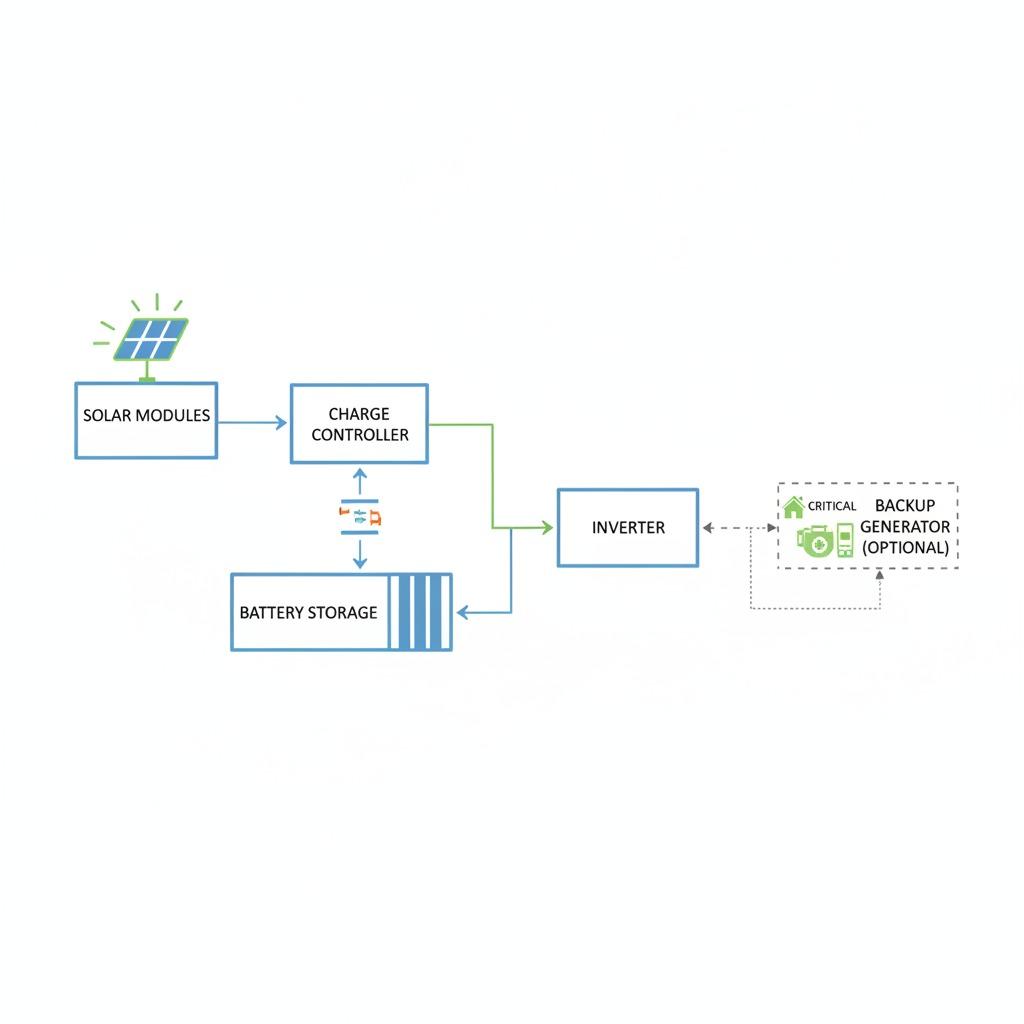
Solar energy storage is a cornerstone of modern residential energy storage solutions, enabling households to capture and utilize sunlight more effectively. When solar panels generate electricity during the day, any surplus power can be stored in batteries rather than being wasted or sold back to the grid at low rates. This stored energy is then available for use at night or on cloudy days, providing a seamless transition to cleaner power usage. One of the primary advantages of solar energy storage is its ability to enhance energy independence. Homeowners can monitor and control their consumption through smart interfaces, optimizing usage patterns to maximize savings.
The integration of solar energy storage with home systems also promotes resilience against power disruptions. In regions prone to blackouts, having a robust storage setup means essential appliances can continue running without interruption. Moreover, as technology advances, these systems become more affordable and efficient, making them accessible to a broader range of households. For instance, pairing solar energy storage with grid-tied inverters allows for hybrid operations, where the system can draw from the grid when needed while prioritizing stored solar power.
Advancements in Residential Battery Technology
Residential battery technology forms the backbone of effective residential energy storage solutions, offering safe and high-capacity options for energy retention. Lithium-based batteries, particularly those using LiFePO₄ chemistry, stand out for their longevity, thermal stability, and low maintenance requirements. These batteries can cycle through thousands of charge-discharge cycles without significant degradation, ensuring long-term value for users. The evolution of residential battery technology has led to compact designs that fit easily into garages or utility rooms, without compromising on performance.
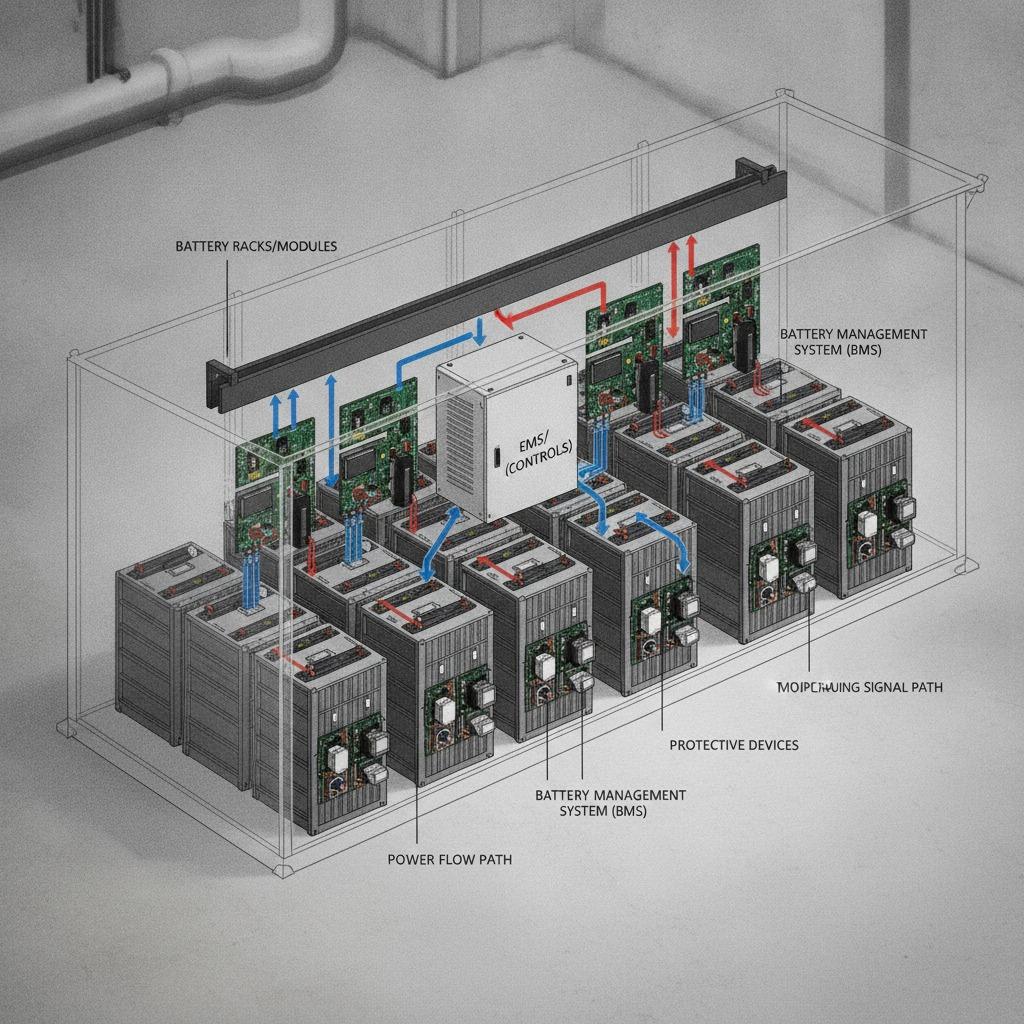
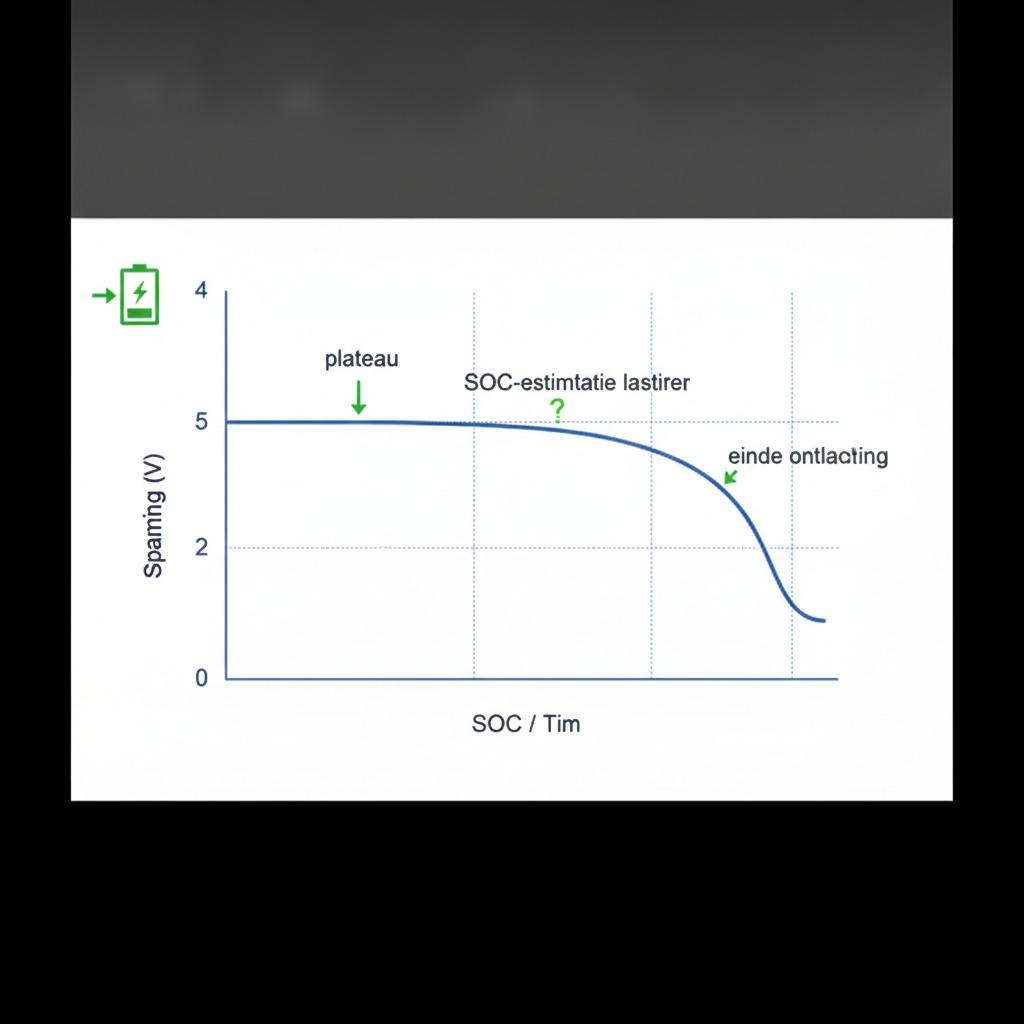
A key feature in modern residential battery technology is the inclusion of intelligent management systems. These systems monitor voltage, temperature, and state of charge in real-time, preventing overcharging or deep discharges that could shorten battery life. Safety is paramount, with built-in protections against short circuits and overheating. For families, this means peace of mind knowing their energy storage is both reliable and secure. Additionally, scalability allows users to start with a basic unit and expand as their needs grow, making residential battery technology adaptable to various home sizes and energy demands.
Exploring Renewable Energy Storage Options for Homes
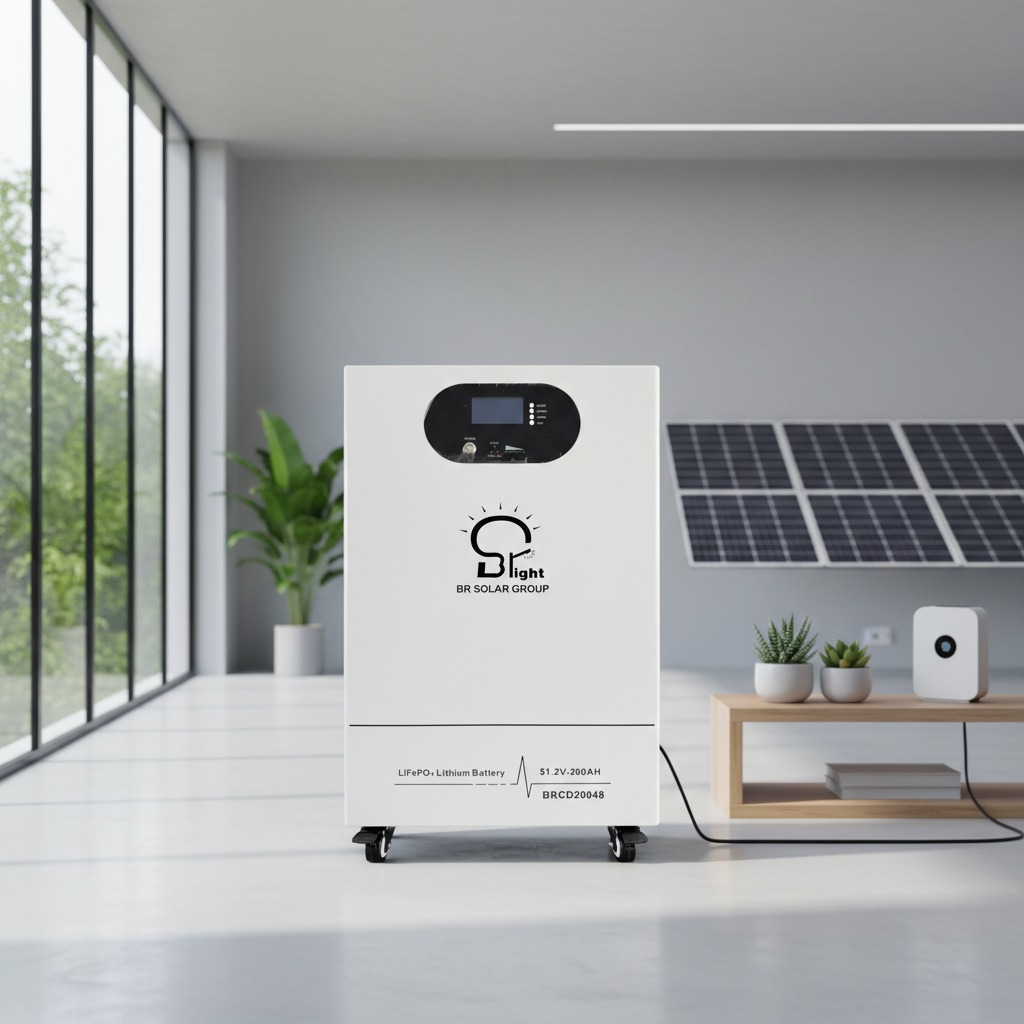
Renewable energy storage options extend beyond traditional batteries, encompassing a variety of systems tailored for residential use. These options include flow batteries, which use liquid electrolytes for longer-duration storage, and hybrid systems that combine multiple technologies for optimal efficiency. When selecting renewable energy storage options, factors like capacity, discharge rate, and compatibility with existing solar setups are crucial. For example, a 51.2V system with 200Ah capacity can power an average home for several hours during outages, supporting lights, refrigerators, and other essentials.
One innovative renewable energy storage option is the LiFePO₄ Lithium Battery system, which exemplifies efficiency and durability. This unit features a user-friendly front panel with a digital display for monitoring performance and status updates. Buttons for menu access, adjustments, and alerts make navigation straightforward, while power and work indicators provide instant feedback on operations. Its sleek, compact design with sturdy wheels allows for easy installation and mobility, fitting seamlessly into residential spaces. Ideal for solar energy storage applications, this battery ensures stable power delivery and enhanced safety, making it a top choice among renewable energy storage options.
Another compelling renewable energy storage option is the 100Ah LiFePO₄ battery, operating at 51.2V for high energy density. Equipped with an LCD display and intuitive buttons—MENU, ENTER, DOWN, and ESC—users can easily track battery health and system alerts. RUN and ALM indicators offer real-time status cues, ensuring proactive management. This technology supports off-grid living and solar integrations, providing a reliable, eco-friendly solution that aligns with sustainable goals. By choosing such renewable energy storage options, homeowners can reduce their carbon footprint while enjoying cost savings over time.
Benefits and Implementation of Residential Energy Storage Solutions
Implementing residential energy storage solutions brings numerous benefits, from financial incentives to environmental impact. Government rebates and tax credits often make initial investments more palatable, while long-term savings on electricity bills accumulate quickly. These solutions also enable time-of-use optimization, where stored energy is used during high-rate periods to avoid peak charges. Environmentally, by maximizing solar energy storage, households cut down on fossil fuel dependency, contributing to global efforts against climate change.
When planning for residential energy storage solutions, consulting with experts ensures the system matches your specific needs. Factors such as daily energy consumption, roof space for panels, and local regulations should guide the selection. Professional installation guarantees safety and efficiency, often including warranties that cover performance for years. As residential battery technology continues to innovate, future systems promise even greater capacities and smarter integrations with home automation.
In essence, residential energy storage solutions, bolstered by solar energy storage and renewable energy storage options, empower homeowners to embrace a greener lifestyle. With reliable products like advanced LiFePO₄ batteries, the transition to sustainable energy is both practical and rewarding. By investing in these technologies, you're not just powering your home—you're securing a brighter, more resilient future.