

Unlocking the Future: Exploring Industrial Energy Storage Technology
What Is Industrial Energy Storage?
Industrial energy storage systems store electricity and release it when needed to improve power reliability, reduce peak demand, integrate renewable energy, and support critical industrial loads.
Industrial energy storage technology is revolutionizing how industries manage power, ensuring reliability and efficiency in demanding environments. This innovative field integrates advanced systems to store and release energy on a large scale, addressing the growing needs of modern infrastructure. From supporting renewable energy sources to providing backup during peak demands, industrial energy storage technology plays a crucial role in sustainable operations. As industries face increasing pressure to reduce carbon footprints and optimize energy use, this technology offers scalable solutions that adapt to evolving requirements.
The Rise of Large Scale Energy Storage
Large scale energy storage represents a cornerstone of industrial energy storage technology, enabling massive energy reserves for utilities and heavy industries. These systems, often comprising containerized units with high-capacity batteries, store excess energy generated during off-peak hours and release it when demand surges. This capability not only stabilizes the grid but also minimizes reliance on fossil fuels, promoting a greener energy landscape. For instance, in manufacturing plants or data centers, large scale energy storage ensures uninterrupted operations, preventing costly downtimes. The modular design of these systems allows for seamless expansion, making them ideal for facilities with fluctuating energy needs. By integrating large scale energy storage, businesses can achieve significant cost savings through peak shaving and load balancing, while contributing to broader environmental goals.
Moreover, advancements in battery chemistry have enhanced the efficiency of large scale energy storage. Lithium-ion batteries, known for their high energy density and long cycle life, dominate this space, offering rapid charge and discharge rates. Safety features like thermal management systems prevent overheating, ensuring reliable performance even in extreme conditions. As renewable sources like solar and wind become more prevalent, large scale energy storage bridges the gap between intermittent generation and consistent supply. Depending on electricity tariffs, load profiles, system sizing, and operating strategy, industrial energy storage can help businesses reduce demand-related energy costs and improve energy utilization.The versatility of these systems extends to remote locations, where traditional grid access is limited, powering mining operations or offshore platforms with dependable energy.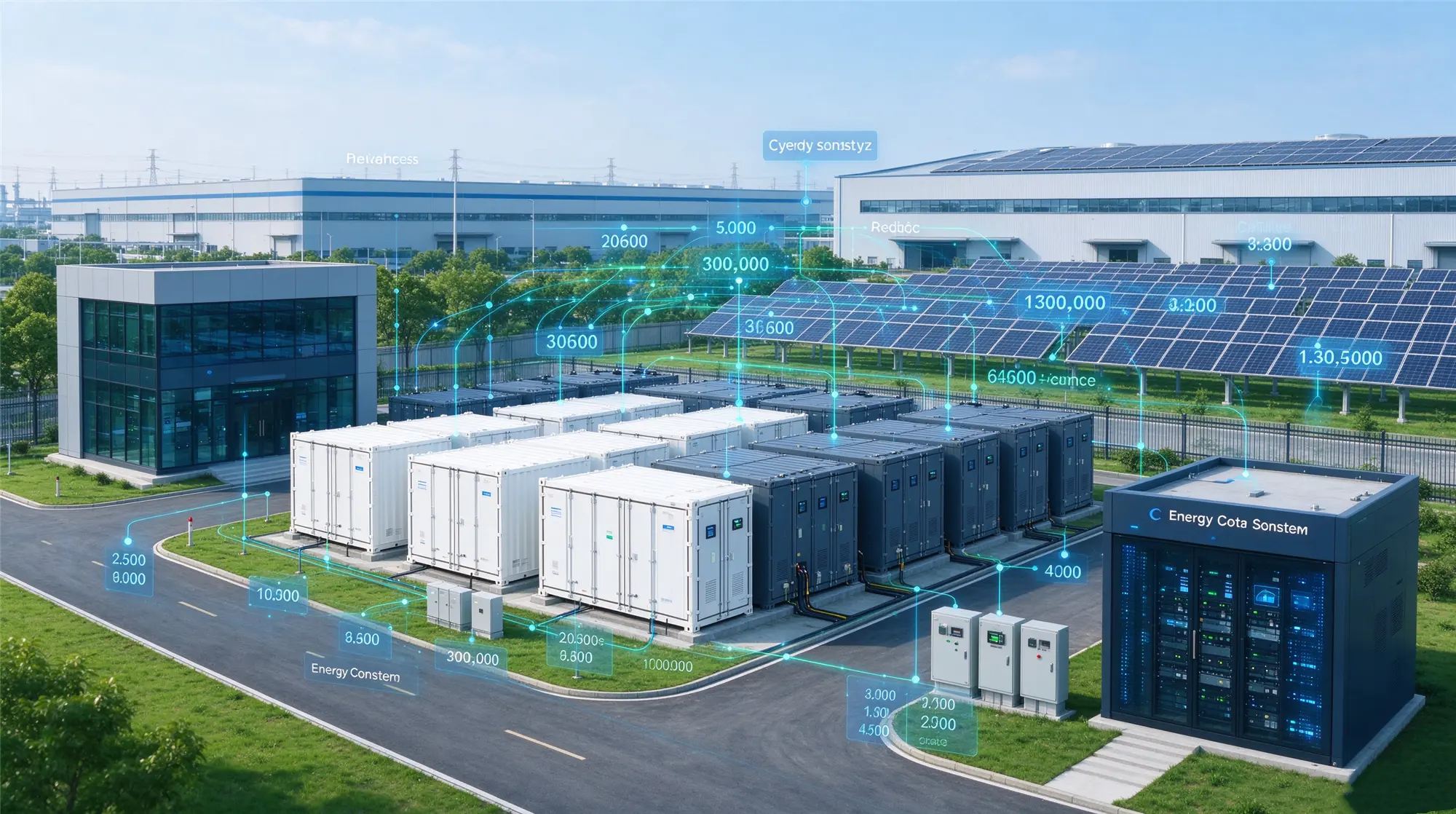
Advantages of Commercial Battery Storage in Industrial Settings
Commercial battery storage is a vital extension of industrial energy storage technology, tailored for businesses seeking efficient, on-site power solutions. Unlike residential systems, commercial battery storage is designed for higher capacities and integration with commercial operations, such as warehouses, retail complexes, and office buildings. These units provide immediate backup power, safeguarding against disruptions from grid failures or natural disasters. The scalability of commercial battery storage allows companies to start small and expand as their energy demands grow, without the need for extensive infrastructure overhauls.
Key to its appeal is the advanced monitoring capabilities embedded in commercial battery storage systems. Real-time data on charge levels, performance metrics, and predictive maintenance alerts empower operators to optimize usage proactively. This not only extends the lifespan of the batteries but also enhances overall system efficiency. In the context of industrial energy storage technology, commercial battery storage supports microgrids, enabling isolated energy management for critical facilities. For example, hospitals or financial institutions rely on these systems to maintain operations during blackouts, ensuring safety and continuity.
Sustainability is another driving force behind the adoption of commercial battery storage. By storing energy from renewable sources, these systems reduce greenhouse gas emissions and align with corporate ESG (Environmental, Social, and Governance) objectives. Integration with smart building technologies further amplifies benefits, allowing automated energy distribution based on usage patterns. As energy prices fluctuate, commercial battery storage helps mitigate risks by arbitraging between low and high-cost periods, delivering measurable ROI for forward-thinking enterprises.
Key Features and Innovations in Modern Energy Storage Solutions
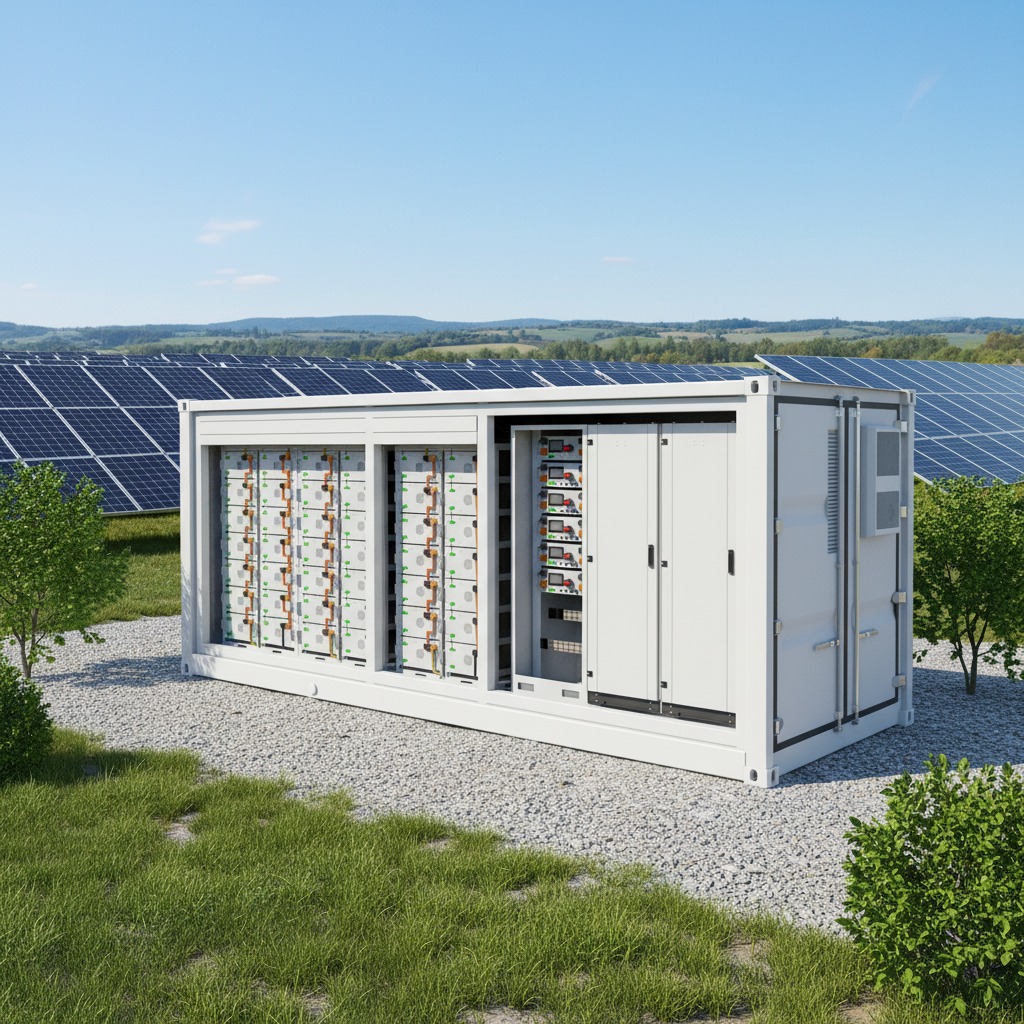
At the heart of industrial energy storage technology are state-of-the-art modular systems that combine high-efficiency design with robust construction. Consider a containerized unit equipped with advanced lithium-ion batteries, offering optimal energy density and rapid response times. This setup is particularly suited for high-demand applications, where reliability is paramount. The modular nature allows for easy scalability—simply add more units to increase capacity without disrupting existing setups. Housed in weather-resistant enclosures, these systems endure harsh conditions, from industrial sites to remote installations, ensuring longevity and minimal maintenance.
Advanced monitoring is a standout feature in these solutions, with sophisticated control panels providing real-time insights and alerts. This technology minimizes downtime by predicting potential issues before they escalate, allowing for swift interventions. In terms of sustainability, industrial energy storage technology facilitates the integration of renewables, storing solar or wind energy for later use and thus accelerating the shift to clean power. For commercial battery storage, this means enhanced versatility, supporting everything from peak demand reduction to frequency regulation in utility networks.
Innovations continue to push boundaries, such as improved heat dissipation in battery modules for better performance in hot climates. Smart algorithms optimize energy flow, maximizing efficiency and reducing waste. These features make industrial energy storage technology indispensable for sectors like manufacturing, logistics, and telecommunications, where energy reliability directly impacts productivity.
Commercial and Industrial BESS Applications
Commercial and industrial battery energy storage systems (C&I BESS) are designed to help factories, warehouses, commercial buildings, data centers, EV charging facilities, and other high-demand sites manage electricity more efficiently.
Applications and Future Prospects of Industrial Energy Storage
The applications of industrial energy storage technology span diverse industries, from utilities managing grid stability to commercial entities optimizing operations. In large scale energy storage deployments, utilities use these systems to balance supply and demand, integrating vast amounts of renewable energy without compromising reliability. Commercial battery storage finds its place in urban settings, powering EV charging stations or supporting smart city initiatives. Remote industrial sites, such as oil rigs or agricultural facilities, benefit from off-grid capabilities, reducing dependency on diesel generators and cutting emissions.
Industrial Energy Storage Technologies
| Technology | Typical Application | Main Advantage |
|---|---|---|
| Lithium-ion BESS | C&I and large-scale storage | High energy density |
| LiFePO4 (LFP) | Commercial & industrial storage | Safety and cycle life |
| Flow Battery | Long-duration storage | Long-duration operation |
| Thermal Energy Storage | Industrial thermal loads | Heat/cooling management |
| Flywheel Storage | High-power applications | Fast response |
Looking ahead, the future of industrial energy storage technology promises even greater advancements. Emerging battery technologies, like solid-state and flow batteries, could double energy densities and extend lifespans, making large scale energy storage more cost-effective. Policy incentives and falling battery prices are accelerating adoption, with global markets projected to grow exponentially. For businesses, investing in commercial battery storage now positions them as leaders in energy innovation, yielding long-term savings and competitive edges.
As we navigate the energy transition, industrial energy storage technology will be pivotal in achieving net-zero goals. By harnessing large scale energy storage and commercial battery storage, industries can build resilient, sustainable frameworks that withstand future challenges. This technology not only meets current needs but also paves the way for a cleaner, more efficient tomorrow.
Frequently Asked Questions
What is an industrial energy storage system?
An industrial energy storage system stores electricity and supplies it when required to improve energy efficiency, reduce peak demand, support renewable energy, and provide backup power for industrial facilities.
What is an industrial BESS?
An industrial BESS, or Battery Energy Storage System, uses batteries, PCS, BMS, EMS, and supporting equipment to store and manage electrical energy for industrial applications.
What are the main applications of industrial energy storage?
Common applications include peak shaving, load shifting, renewable energy integration, backup power, microgrid operation, and energy cost management.
Is BESS suitable for manufacturing facilities?
Yes. BESS can be integrated with manufacturing facilities to manage peak loads, support critical equipment, integrate solar generation, and improve power resilience.
What is C&I BESS?
C&I BESS stands for Commercial and Industrial Battery Energy Storage System. It is designed for commercial and industrial facilities rather than residential applications.
Can industrial energy storage work with solar power?
Yes. An industrial battery storage system can store excess solar generation and discharge it when electricity demand is higher or solar generation is unavailable.






