
Why a solar battery energy storage system lives or dies by the cabinet around it
A solar battery energy storage system is usually discussed in terms of cells, chemistry, inverter strategy, and control software. That is fair enough, but in the field the enclosure often decides whether the system is easy to service, safe to operate, and durable enough to keep doing its job after years of heat, vibration, and weather exposure. If the cabinet is awkward, poorly sealed, or badly arranged, the battery package becomes harder to maintain and more likely to suffer avoidable downtime.
That is why industrial buyers should look past the headline storage capacity and examine the physical housing as carefully as the electrical specification. In a solar energy storage system, the outer structure is not just packaging. It is part of the operating environment, the maintenance plan, and the safety case.
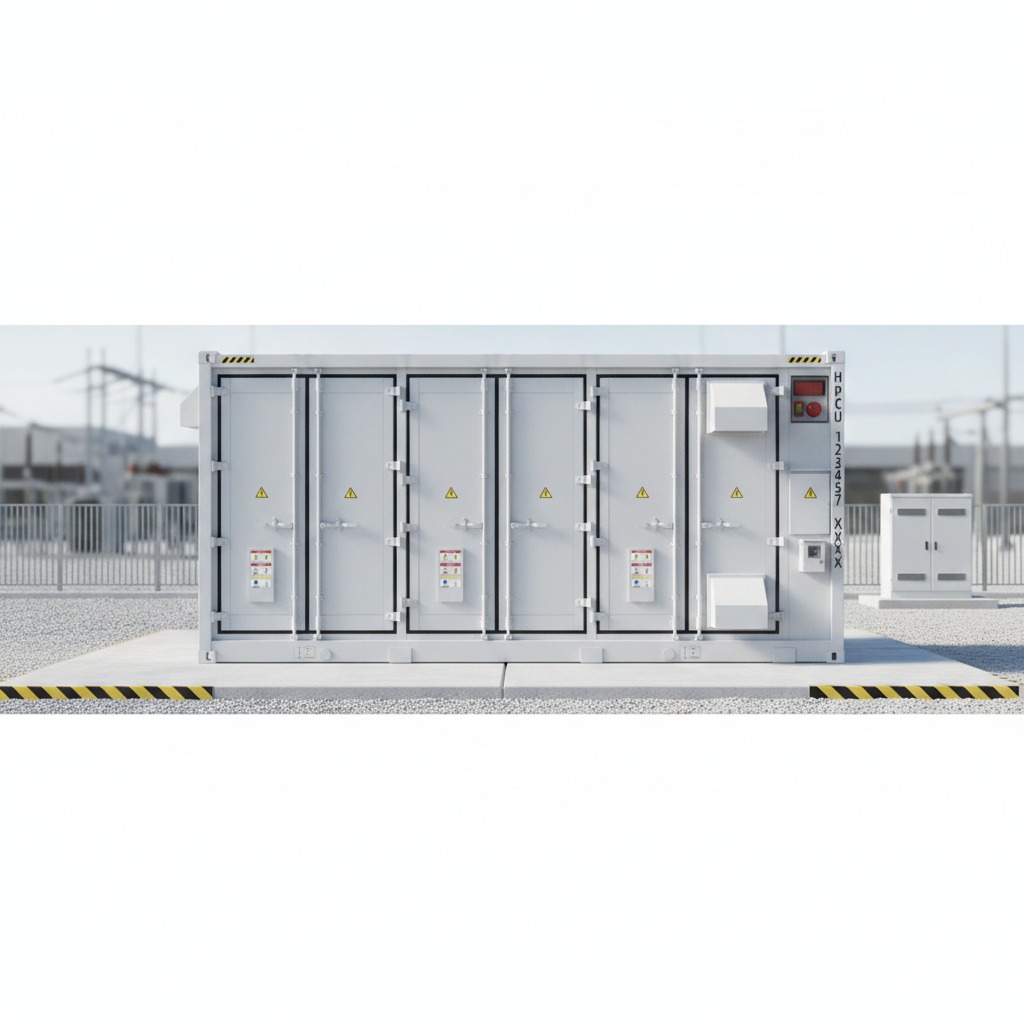
The enclosure shown here is a good example of the kind of large fabricated metal cabinet often used for protected electrical equipment in industrial power applications. It has multiple front access doors, warning labels, a control and indicator panel, and a heavy-duty painted finish. Even without seeing the internal equipment, the layout tells you something useful: this is built for service access, segregation, and controlled operation rather than casual use.
What buyers should notice first
For sourcing teams and engineers comparing battery energy storage system options, the first question is not always “how much energy does it store?” It is often “how will this unit be installed, inspected, and repaired?”
A multi-door cabinet can be a practical advantage because it allows maintenance crews to work in smaller zones instead of exposing the full internal assembly at once. That matters in industrial plants and substations, where access windows are tight and lockout procedures have to be followed carefully. The visible gasket lines around the doors suggest the manufacturer has treated enclosure sealing as a functional feature, not an afterthought. The external hinges, locking handles, and corner lifting points also point to a unit designed for handling and periodic service.
The side marking, “HPCU 123457 XXX,” is visible but not clearly defined. Buyers should treat that as an identifier only, not as evidence of a particular rating or configuration.
How the enclosure supports system reliability
Battery systems are sensitive to thermal conditions, dust ingress, moisture, and poor cable management. A well-made enclosure does not solve every one of those problems, but it gives the integrator a better starting point.
1. Physical protection
The cabinet helps protect internal electrical components from accidental contact, weather exposure, and general plant-floor abuse. That is especially relevant when the system sits near production equipment, where forklifts, vibration, and routine traffic can all create risk.
2. Segregation and access control
Multiple access doors make it easier to separate equipment compartments. That can reduce the chance of unnecessary exposure during inspection and helps maintenance crews follow a logical sequence when isolating parts of the system. It is a small detail on paper, but in real operating conditions it can save time and limit mistakes.
3. Thermal and electrical discipline
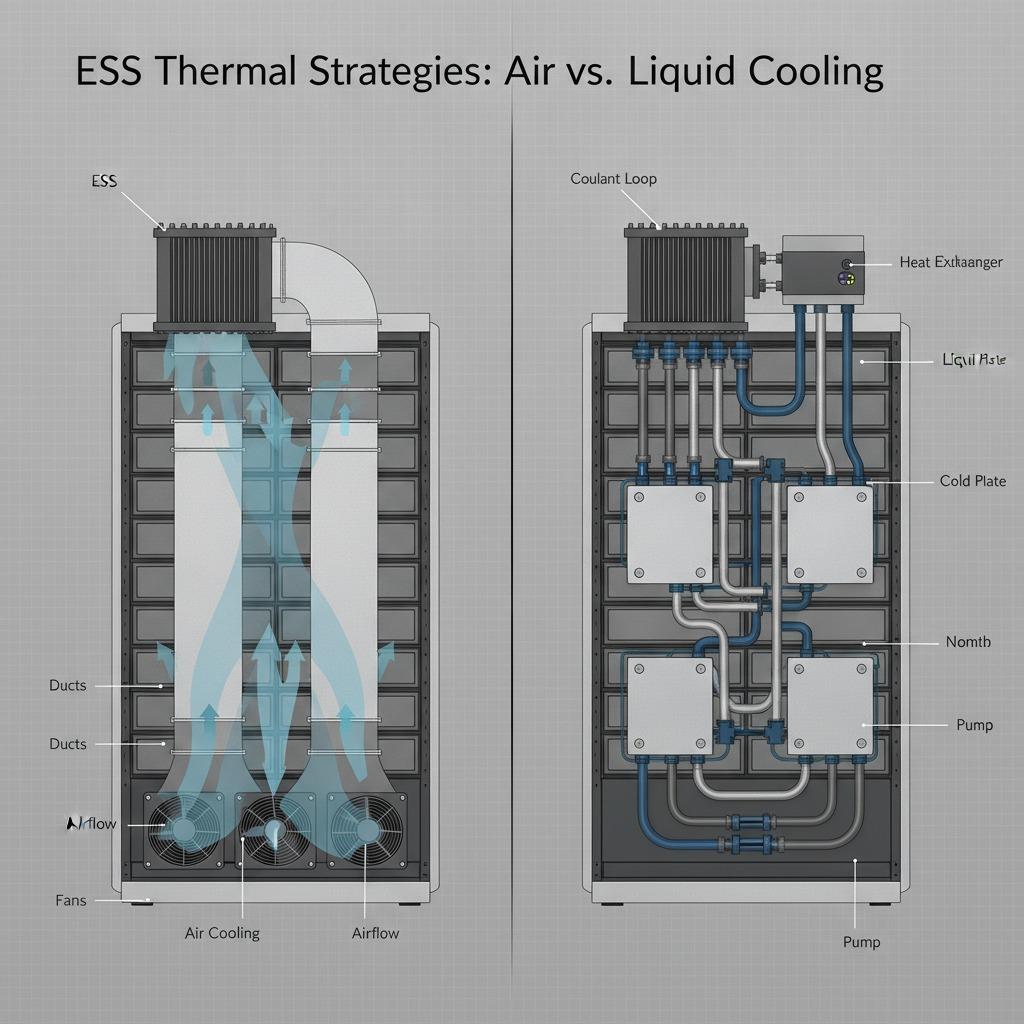
The enclosure itself does not show the cooling strategy, and it would be unwise to guess. Still, large energy storage packages depend on orderly internal layout, cable routing, and clear service paths. A cabinet that is well fabricated makes it easier to integrate those internal disciplines.
Where this kind of cabinet fits in solar storage projects
A solar battery energy storage system may be used in front-of-meter utility sites, behind-the-meter commercial installations, remote industrial facilities, or hybrid power systems that combine solar generation with backup storage. The visible cabinet style here is closer to industrial power infrastructure than to consumer battery products, so it is the kind of enclosure buyers would expect in demanding environments.
In practice, this type of housing is often relevant when a project needs one or more of the following:
- secure housing for electrical distribution or control gear
- weather protection for outdoor power equipment
- service access for scheduled inspection
- compartmentalization of switching, protection, or control functions
- a robust mechanical frame for transport and installation
Because the internal equipment is not visible, it could house switchgear, UPS components, transformer-related hardware, or a control assembly. The exact function should always be confirmed from the build documentation rather than assumed from the exterior.
Comparison points that matter more than brochures
When buyers compare a solar energy storage system, the brochure often emphasizes energy density or total kilowatt-hours. Useful, yes, but incomplete. The enclosure and integration details can be the difference between a manageable project and an expensive field problem.
Look at these practical comparison points:
- door arrangement and service access
- gasket integrity and sealing method
- quality of latches, hinges, and locks
- cable entry and compartment organization
- indicator panel visibility and operator access
- lifting and handling provisions
- finish quality for corrosion resistance
A battery energy storage system that is technically strong but mechanically awkward can still create trouble. For example, if technicians cannot reach common service points without excessive disassembly, routine maintenance becomes slower and more error-prone. That is not the kind of problem that shows up on a sales sheet, but it shows up very quickly after commissioning.
Common mistakes buyers make
One of the more frequent mistakes is treating the cabinet as a standard accessory rather than a core part of the asset. In industrial procurement, that can lead to a mismatch between the electrical design and the physical realities of the site.
Another mistake is assuming all enclosures are equally suited to outdoor or semi-outdoor use. They are not. The finish, seals, drainage approach, and door construction all matter. Without clear specification, a buyer may end up with a housing that looks heavy-duty but is not optimized for the actual environment.
A third mistake is underestimating maintenance access. It sounds obvious, yet teams still buy compact designs that leave no room for safe inspection. Once the system is on site, every extra hour spent working around a cramped cabinet becomes real cost.
What to ask before placing an order
If you are sourcing a solar battery energy storage system or a closely related industrial electrical enclosure, ask for the information that affects installation and lifecycle cost:
- What is the internal equipment layout?
- How are access zones separated?
- What type of sealing is used on the doors and cable entries?
- How is the cabinet handled, lifted, and anchored?
- What maintenance tasks are expected from the front, side, or rear?
- Is the finish specified for the project environment?
- What documentation is provided for wiring, service, and safety procedures?
Those questions sound basic, but they force the supplier to move from marketing language to actual build detail. That is usually where hidden differences appear.
Practical buyer advice for engineers and sourcing managers
If you are responsible for a battery energy storage system project, do not let the visible container or cabinet design distract you from the whole package. The best buying decision is not always the one with the most polished appearance. It is the one that fits the electrical architecture, maintenance schedule, and site environment without forcing expensive compromises.
For engineers, that means checking service clearances, compartment logic, and thermal assumptions early in the design stage. For sourcing managers, it means confirming what is included in the fabricated enclosure and what is left for integration elsewhere. The difference can be substantial, especially when project schedules are tight and changes after delivery are expensive.
In a solar energy storage system, the enclosure is part of the machine, not just the box around it. That is a useful way to think about it because it keeps attention on the real risks: access, protection, maintainability, and long-term reliability.
FAQ
Is every large metal cabinet suitable for solar storage?
No. Suitability depends on internal layout, sealing, access design, thermal strategy, and the environment where it will operate. A heavy cabinet alone does not guarantee good performance.
Can this kind of enclosure be used for different electrical functions?
Yes, potentially. The visible structure could support switchgear, control systems, UPS equipment, transformer-related hardware, or distribution components. The exact use must be verified from the build data.
Why do service doors matter so much?
They reduce the amount of equipment exposed during maintenance and make compartment-based work more practical. That can improve safety and shorten service time.
Should buyers ask about the finish even if the cabinet looks fine?
Absolutely. Appearance is not the same as corrosion resistance or long-term durability. The finish matters in industrial and outdoor settings.
Next step for project teams
If you are evaluating a solar battery energy storage system for an industrial site, ask for the enclosure drawing, internal compartment plan, service-access details, and the full electrical integration scope before committing. Those documents tell you far more than the front view of the cabinet ever will.
For buyers, that is the real decision point: not just whether the system stores energy, but whether it can be installed, maintained, and trusted over the life of the project.