
Unlocking the Power of Solar Energy Systems for a Sustainable Future
Solar energy systems are revolutionizing the way we harness renewable power, offering a clean and efficient alternative to traditional energy sources. As global demand for sustainable solutions grows, these systems provide homeowners and businesses with reliable access to electricity generated from sunlight. Integrating advanced technology, solar energy systems capture and convert solar rays into usable power, reducing reliance on fossil fuels and lowering carbon emissions. This introduction to solar energy systems will explore their core components, benefits, and applications, highlighting why they are essential for modern energy needs.
Understanding the Basics of Solar Energy Systems
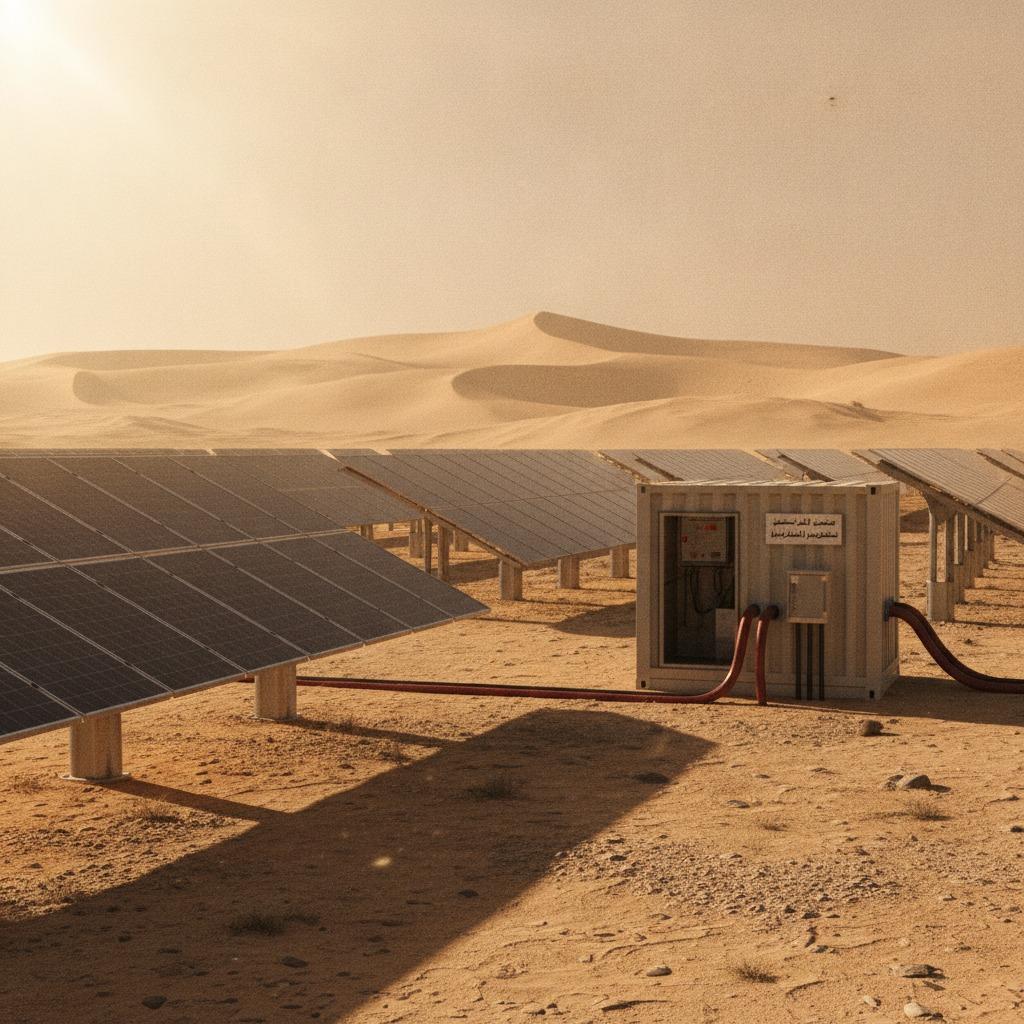
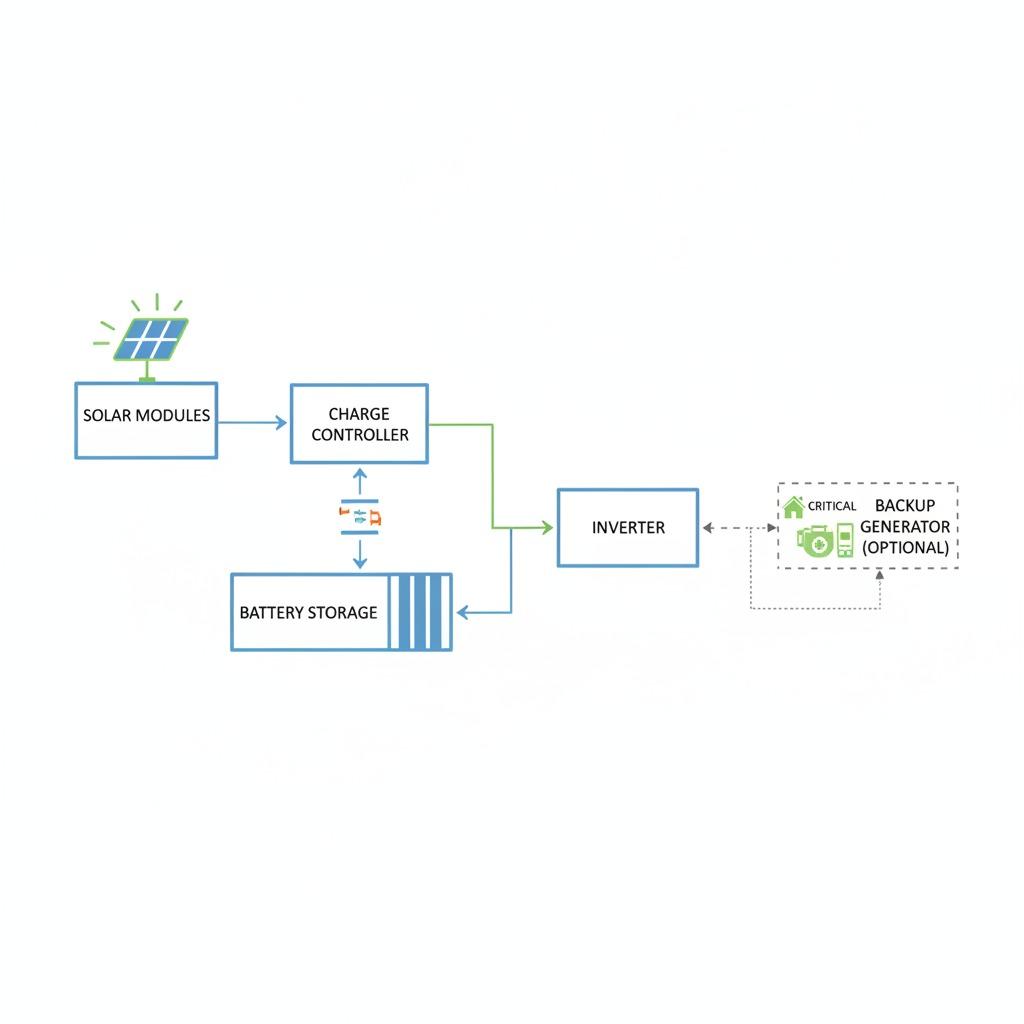
At the heart of solar energy systems are photovoltaic panels that transform sunlight into electricity through a process known as the photovoltaic effect. These systems typically include solar panels, inverters to convert direct current to alternating current, mounting structures, and sometimes batteries for energy storage. Solar energy systems can be installed on rooftops, ground-mounted arrays, or integrated into building designs, making them versatile for various settings. For residential users, a standard solar energy system might generate enough power to offset a significant portion of household electricity needs, while larger setups serve commercial operations effectively.
The efficiency of solar energy systems has improved dramatically over the years, thanks to innovations in materials and design. Modern systems achieve conversion rates of up to 22% or more, meaning they produce more electricity from the same amount of sunlight. Installation is straightforward, often completed in a day for smaller setups, and maintenance is minimal, involving occasional cleaning to ensure optimal performance. By choosing solar energy systems, users contribute to environmental conservation while enjoying long-term financial savings through reduced utility bills and potential incentives like tax credits.
Key Solar Panel Benefits for Everyday Use
One of the standout solar panel benefits is their ability to provide energy independence, allowing users to generate their own electricity and shield against fluctuating energy prices. Solar panels are durable, often warranted for 25 years or more, and they withstand harsh weather conditions without significant degradation. Another major solar panel benefit is the positive environmental impact; by producing clean energy, they help combat climate change and improve air quality in local communities.
Financially, the solar panel benefits extend to substantial returns on investment. Many users recoup their initial costs within 5 to 10 years through energy bill savings and earnings from selling excess power back to the grid via net metering programs. Additionally, solar panel benefits include low operating costs, as sunlight is free and abundant, making these systems a smart choice for long-term energy planning. For those concerned about aesthetics, modern panels blend seamlessly with architectural designs, preserving property value while adding a touch of eco-friendly sophistication.
Solar panel benefits also encompass enhanced energy security, particularly in remote areas where grid access is limited or unreliable. Portable solar panel setups can power off-grid applications like camping or emergency backups, demonstrating their flexibility. Overall, these advantages make solar panels an indispensable component of any forward-thinking energy strategy, balancing practicality with planetary responsibility.
Exploring Commercial Solar Solutions for Businesses
Commercial solar solutions are tailored to meet the higher energy demands of offices, factories, and retail spaces, offering scalable systems that align with business growth. These solutions often involve larger arrays of panels customized to the site's energy profile, ensuring maximum output during peak operational hours. Businesses adopting commercial solar solutions can significantly cut operational costs, with some reporting reductions of up to 50% in electricity expenses over time.
A key aspect of commercial solar solutions is their integration with existing infrastructure, such as parking lot canopies or warehouse roofs, optimizing space usage. Financing options like power purchase agreements (PPAs) make commercial solar solutions accessible without upfront capital, allowing companies to pay only for the energy produced. Moreover, these solutions enhance corporate sustainability credentials, attracting eco-conscious customers and investors while complying with increasingly stringent environmental regulations.
For industries with high energy use, commercial solar solutions paired with energy storage can provide uninterrupted power, mitigating risks from outages. Case studies show that manufacturing firms using these solutions have achieved energy autonomy, reducing downtime and boosting productivity. As technology advances, commercial solar solutions continue to evolve, incorporating smart monitoring systems for real-time performance tracking and predictive maintenance.
Advancements in Solar Power Technology
Solar power technology has seen remarkable progress, with innovations like bifacial panels that capture sunlight from both sides, increasing overall efficiency by up to 30%. Thin-film solar power technology offers lightweight alternatives ideal for curved surfaces or portable applications, expanding the possibilities for installation. Perovskite cells represent the next frontier in solar power technology, promising efficiencies exceeding 25% at lower production costs.
Energy storage is another area where solar power technology shines, with advanced lithium-ion and flow batteries enabling 24/7 power availability. Smart inverters in modern solar power technology optimize energy flow, integrating seamlessly with home automation systems for automated load management. Research into quantum dot solar power technology could further revolutionize the field, potentially doubling efficiency rates in the coming decade.
These developments in solar power technology not only improve performance but also reduce costs, making solar energy systems more affordable than ever. Governments and private sectors are investing heavily, accelerating the adoption of these technologies worldwide.
Introducing Our Ultra-Efficient Solar Panel Innovation
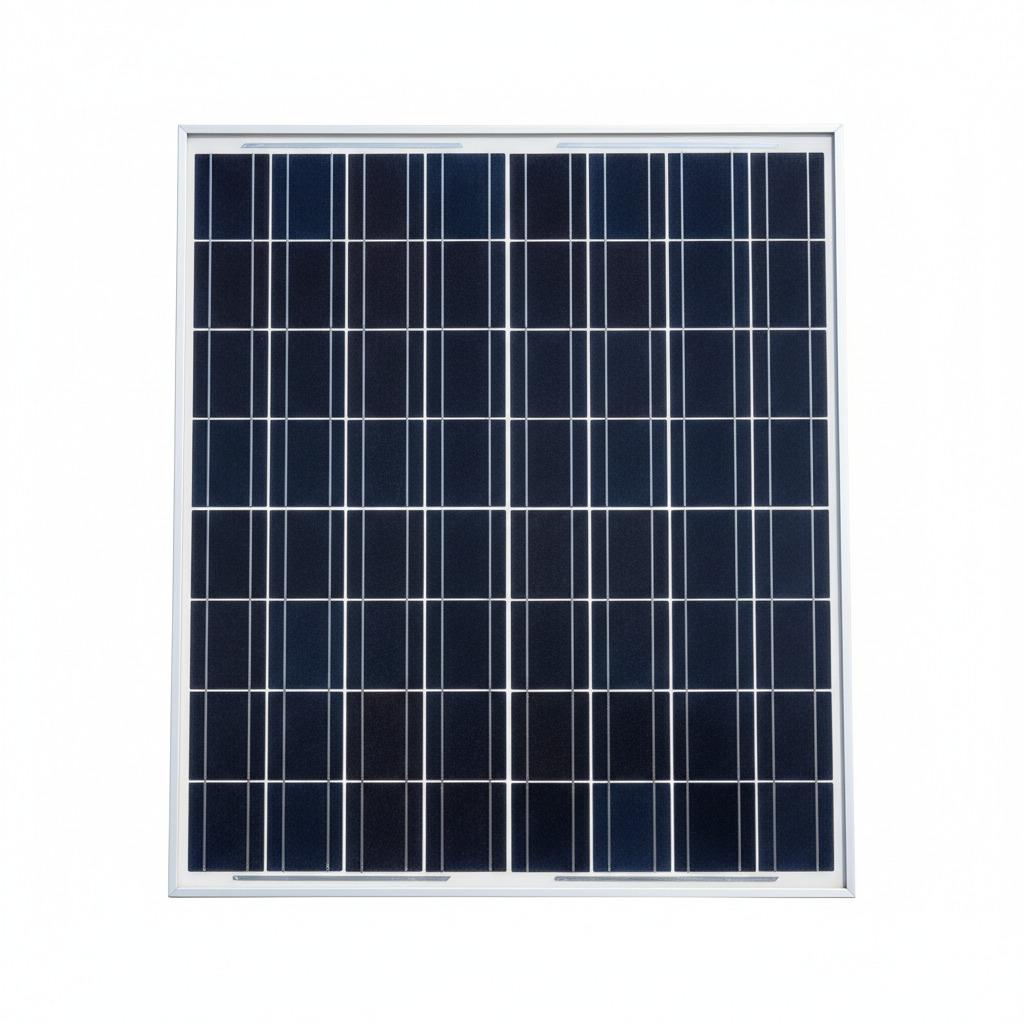
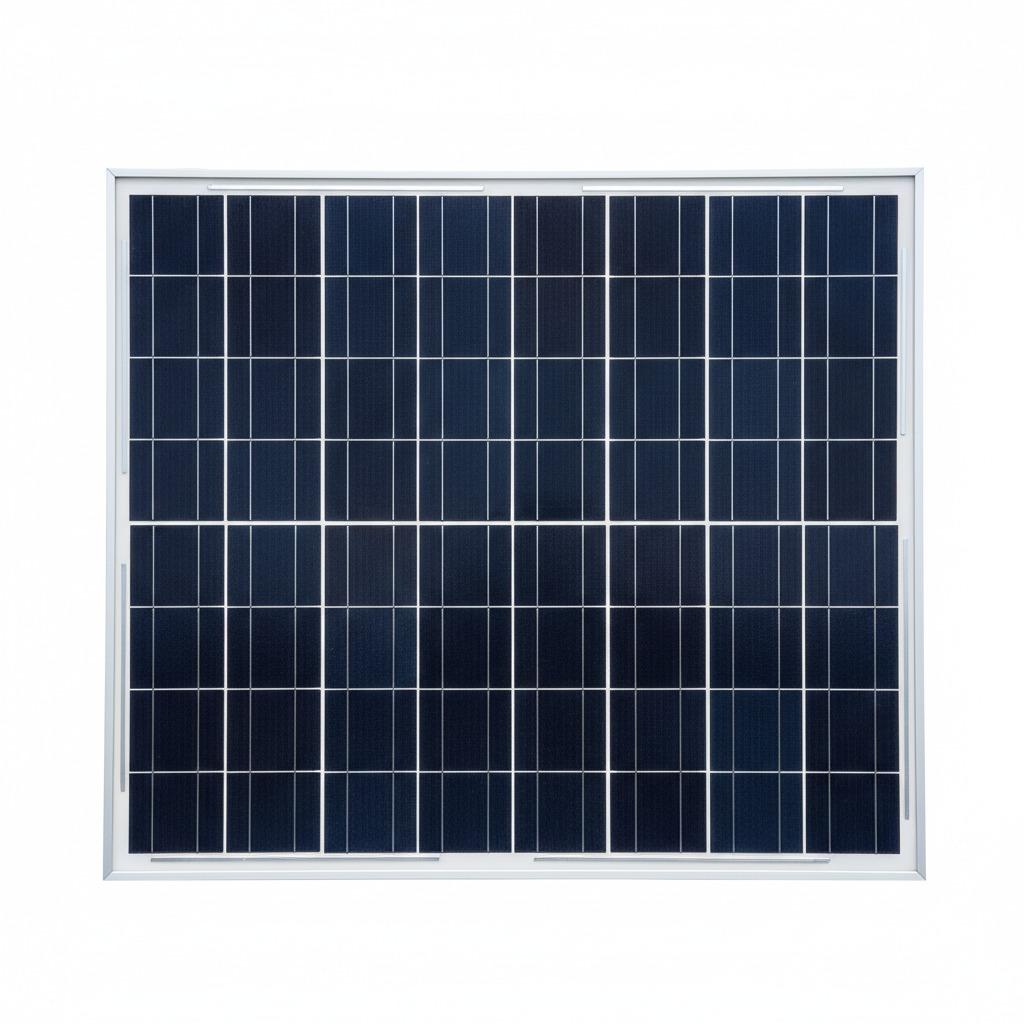
Our latest innovation, the Ultra-Efficient Solar Panel, embodies the pinnacle of solar energy systems design, featuring advanced photovoltaic cells that maximize sunlight absorption for superior energy conversion. This sleek black panel minimizes reflective losses, enhancing performance while adding a modern aesthetic to any installation. Engineered for durability, it ensures long-term reliability, making it a perfect fit for both residential and commercial solar solutions.
The Ultra-Efficient Solar Panel leverages state-of-the-art monocrystalline structure, ideal for harnessing solar energy with precision even in low-light conditions. Its modular design allows easy integration into existing solar arrays, supporting scalable solar energy systems. For businesses exploring commercial solar solutions, this panel delivers substantial solar panel benefits, including reduced carbon footprints and significant energy savings.
Crafted for eco-conscious users, the Ultra-Efficient Solar Panel combines practicality with style, promising consistent output and weather resistance. Whether upgrading a home or powering a commercial space, this advancement in solar power technology offers an elegant path to sustainability.
Why Choose Solar Energy Systems Today
Embracing solar energy systems now positions individuals and organizations at the forefront of the green energy revolution. With ongoing improvements in solar panel benefits, commercial solar solutions, and solar power technology, the future of energy is brighter than ever. These systems not only provide economic advantages but also foster a healthier planet for generations to come. By investing in solar energy systems, you're making a proactive choice for energy independence, cost efficiency, and environmental stewardship. Start your journey towards sustainable power today and experience the transformative impact of clean, renewable energy.