

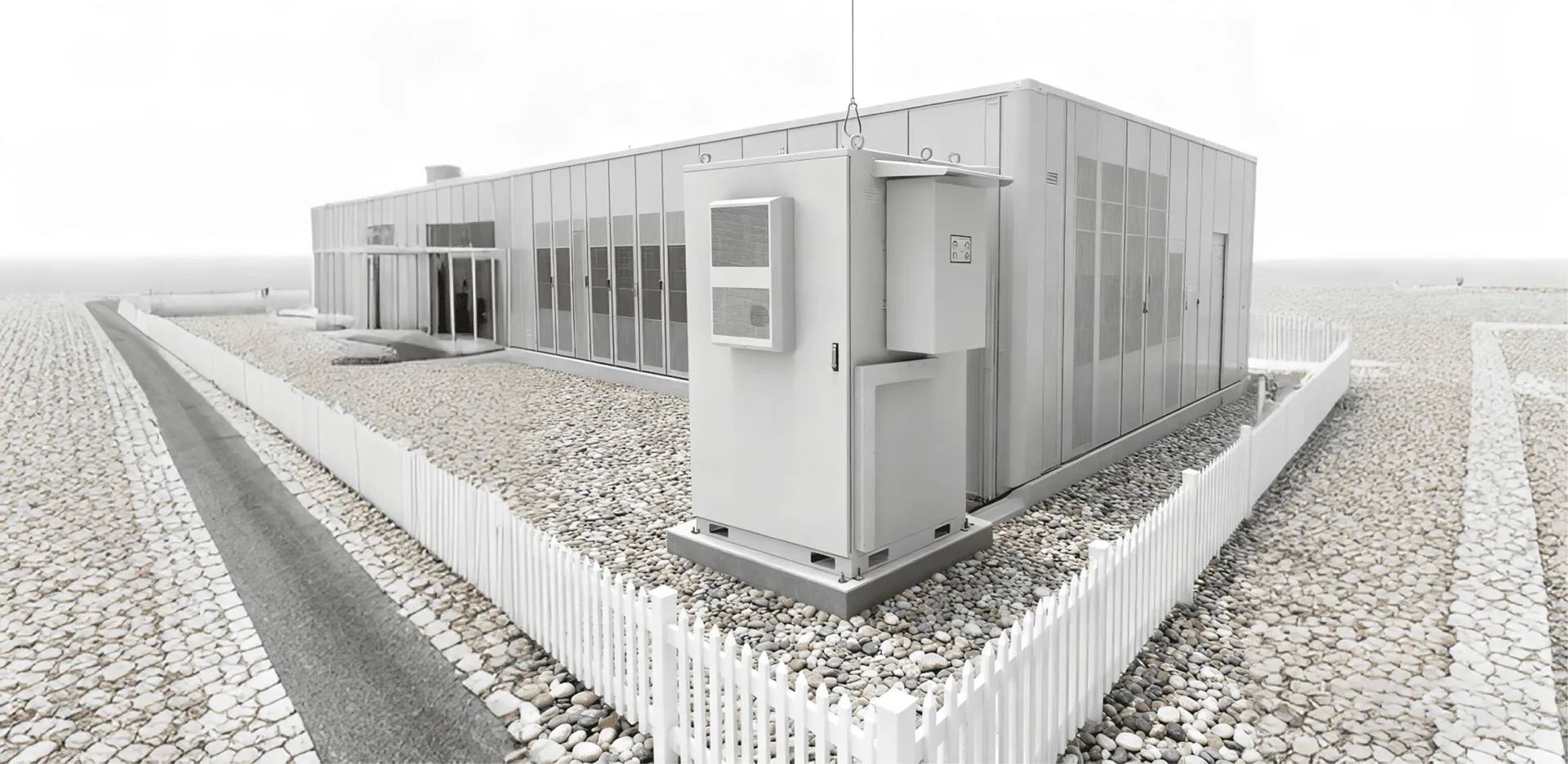
Product reliability is never the result of chance. It is achieved through disciplined manufacturing practices, standardized production systems, and comprehensive quality management implemented consistently at every stage of production. In the solar industry—where products are expected to operate continuously for years under varying and often harsh environmental conditions—reliability is a fundamental requirement. Compared with non-manufacturing suppliers or trading companies, factory-owned solar manufacturers can maintain significantly higher and more consistent quality standards by controlling all critical processes internally rather than outsourcing them to third parties.
This internal control enables manufacturers to eliminate uncertainty, reduce variability, and ensure that every product delivered meets clearly defined performance and durability expectations. For brands and project developers, this level of manufacturing control translates directly into lower failure rates, reduced after-sales costs, and a stronger long-term market reputation.
End-to-End Production Control
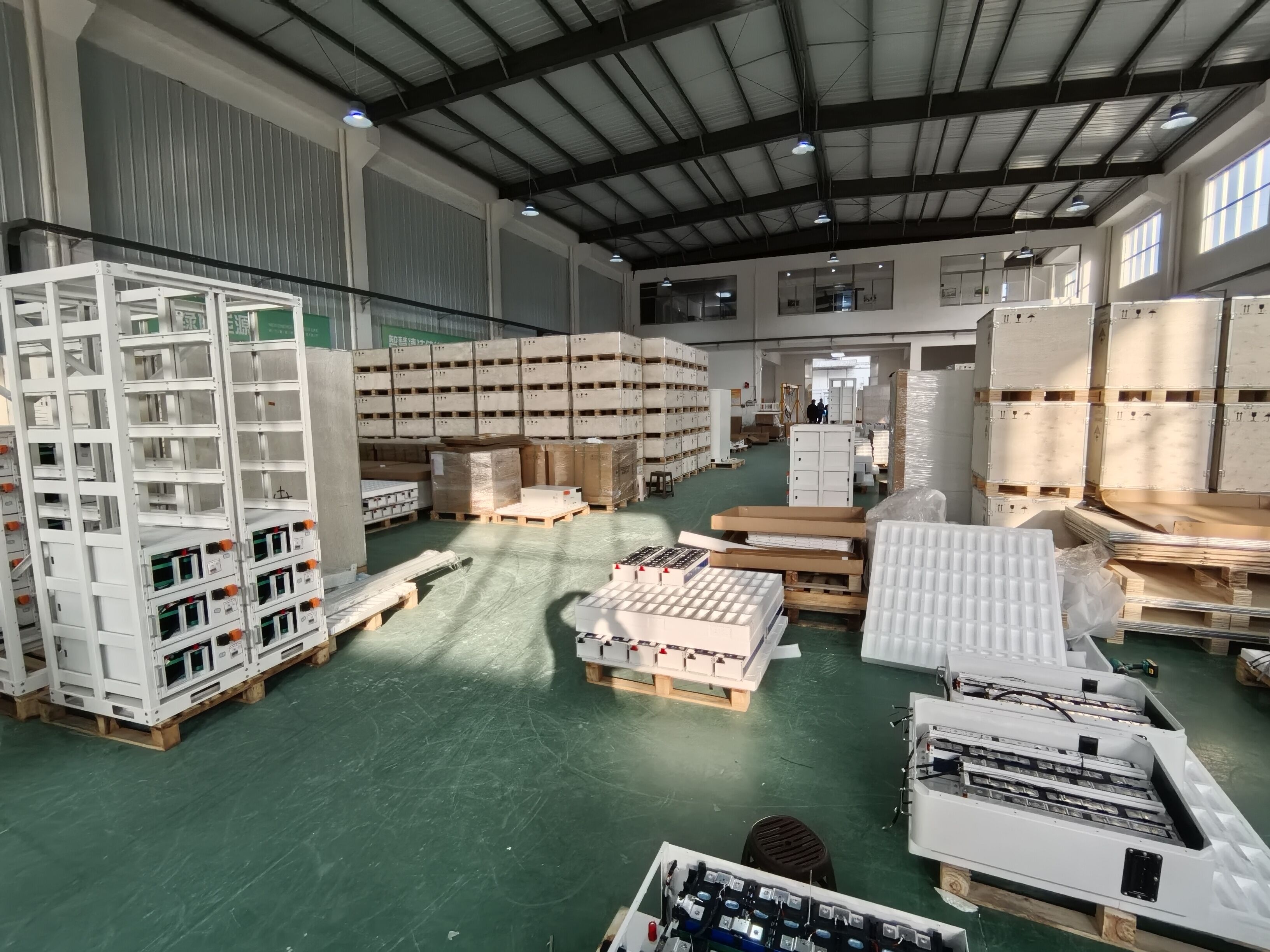
One of the most important advantages of factory ownership is the ability to implement true end-to-end production control. From raw material sourcing and incoming inspection to final assembly, testing, and packaging, each step is managed under a unified quality system. This integrated approach ensures consistency across all production batches and allows manufacturers to enforce strict internal specifications that go beyond minimum market requirements.
Key components such as solar panels, lithium or lead-acid batteries, charge controllers, LED light sources, and structural parts are carefully selected based on performance, compatibility, and long-term reliability. Raw materials and components undergo qualification and inspection before entering production, reducing the risk of hidden defects or performance degradation over time.
During manufacturing, each process—such as cell stringing, battery assembly, electronic integration, and structural fabrication—is monitored and documented. Standard operating procedures and work instructions are applied across production lines to minimize human error and process variation. By maintaining full traceability throughout the production cycle, manufacturers can quickly identify root causes in the event of quality issues and implement corrective actions efficiently.
For large-scale wholesale orders and project-based solar applications, this level of control is particularly critical. Consistent quality across hundreds or thousands of units ensures uniform system performance, simplifies installation and maintenance, and supports long-term operational stability.
In-House Testing & Inspection
In addition to controlled production processes, professional solar manufacturers rely heavily on in-house testing and inspection to verify product reliability before shipment. Unlike trading companies that depend on external factories or limited third-party checks, factory-owned manufacturers have direct access to testing facilities and quality personnel throughout the production cycle.
Typical in-house testing procedures include electrical performance verification to ensure correct voltage, current, and power output, as well as functional testing of control systems and battery management components. Mechanical strength tests are conducted to confirm the structural integrity of housings, mounting brackets, and enclosures, reducing the risk of damage during transportation or installation.
Environmental durability testing is another essential aspect of quality assurance. Products are subjected to simulated outdoor conditions, including high and low temperatures, humidity exposure, dust ingress, and vibration. These tests are especially critical for solar lighting systems, off-grid power solutions, and remote installations that must operate reliably without frequent maintenance.
By conducting these tests internally, manufacturers can identify potential weaknesses early in the production process. Issues can be addressed before products leave the factory, preventing costly field failures, warranty claims, and reputational damage for OEM partners.
Continuous Improvement & Feedback Loop
A defining characteristic of factory-owned solar manufacturers is their ability to implement continuous improvement based on real-time data and long-term market feedback. Because production, testing, and quality control are all managed internally, manufacturers have immediate access to detailed performance data across different product lines and batches.
Customer feedback, warranty reports, and field performance data are systematically analyzed and fed back into product design and process optimization. Design details such as component layout, material thickness, sealing methods, and thermal management are regularly reviewed to improve durability and reliability. Assembly processes are refined to enhance efficiency while maintaining strict quality standards.
This continuous improvement loop supports not only current product stability but also future product upgrades. Manufacturers can proactively adjust designs to meet new efficiency requirements, environmental standards, or application-specific demands in different regions. For OEM partners, this means consistent product quality over time, reduced technical risk, and the ability to remain competitive in evolving global markets.
A Reliable Foundation for Long-Term Partnerships
Ultimately, product reliability is the result of systematic control, disciplined execution, and a long-term commitment to quality. Factory-owned solar manufacturers provide a level of reliability that non-manufacturing suppliers simply cannot match. Through end-to-end production control, comprehensive in-house testing, and continuous improvement mechanisms, they deliver products that perform consistently and withstand real-world conditions.
For brands seeking stable supply, dependable performance, and long-term market credibility, partnering with a factory-owned solar manufacturer offers a reliable foundation for sustainable growth and global expansion.






