
Understanding the Basics of Solar Street Lights
Solar street lights represent a revolutionary advancement in outdoor lighting technology, offering a sustainable alternative to traditional grid-powered systems. These fixtures harness the power of the sun to illuminate streets, pathways, and public spaces, reducing reliance on fossil fuels and lowering energy costs. As cities and communities prioritize eco-friendly solutions, solar street lights have become essential for modern urban planning. The integration of solar powered street lights ensures reliable performance even in remote areas, where wiring to the electrical grid might be impractical or expensive.
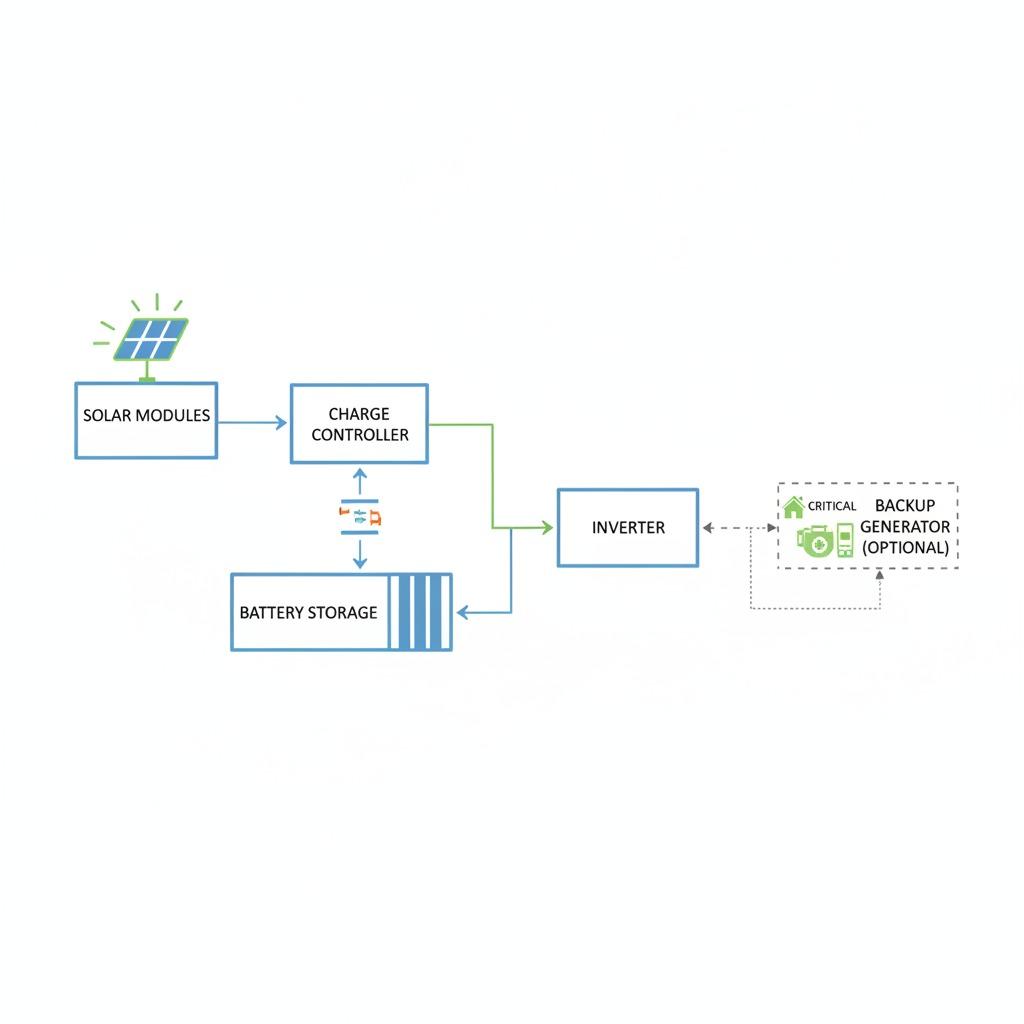
At the heart of every solar street light is a photovoltaic panel that captures sunlight during the day and converts it into electrical energy stored in batteries for nighttime use. This self-contained system eliminates the need for extensive cabling, making installation straightforward and cost-effective. Moreover, the shift towards energy efficient street lighting aligns with global efforts to combat climate change, as these lights significantly cut down on carbon emissions compared to conventional sodium or mercury vapor lamps.
Key Features and Benefits of LED Solar Street Lights
LED solar street lights stand out for their superior efficiency and durability, combining light-emitting diode technology with solar power for optimal results. These lights provide bright, uniform illumination that enhances visibility and safety in public areas, while consuming far less power than traditional bulbs. For instance, models like the ZC-100W/120W Solar LED Street Light feature high-power LEDs that deliver up to 3000 lumens, ensuring clear lighting over wide areas without excessive energy draw.
One major advantage of solar powered street lights is their energy efficiency. Equipped with advanced solar panels, these systems absorb maximum sunlight, even on partially cloudy days, thanks to monocrystalline or polycrystalline cells that boast conversion rates exceeding 20%. This efficiency translates to longer battery life—often lasting through several nights without recharging—and reduces the overall operational costs for municipalities or property owners. Additionally, the robust construction of LED solar street lights, typically made from aluminum alloys and tempered glass, withstands harsh weather conditions like rain, wind, and extreme temperatures, minimizing maintenance needs.
The autonomous operation of these lights is another highlight. Built-in sensors detect ambient light levels and automatically activate the LEDs at dusk, while motion sensors in some models adjust brightness to conserve energy, focusing light where it's needed most. This smart functionality not only extends the lifespan of components but also contributes to energy efficient street lighting by preventing unnecessary power usage during low-activity periods.
Exploring Advanced Models: ZC-100W/120W and BR-07 AIT
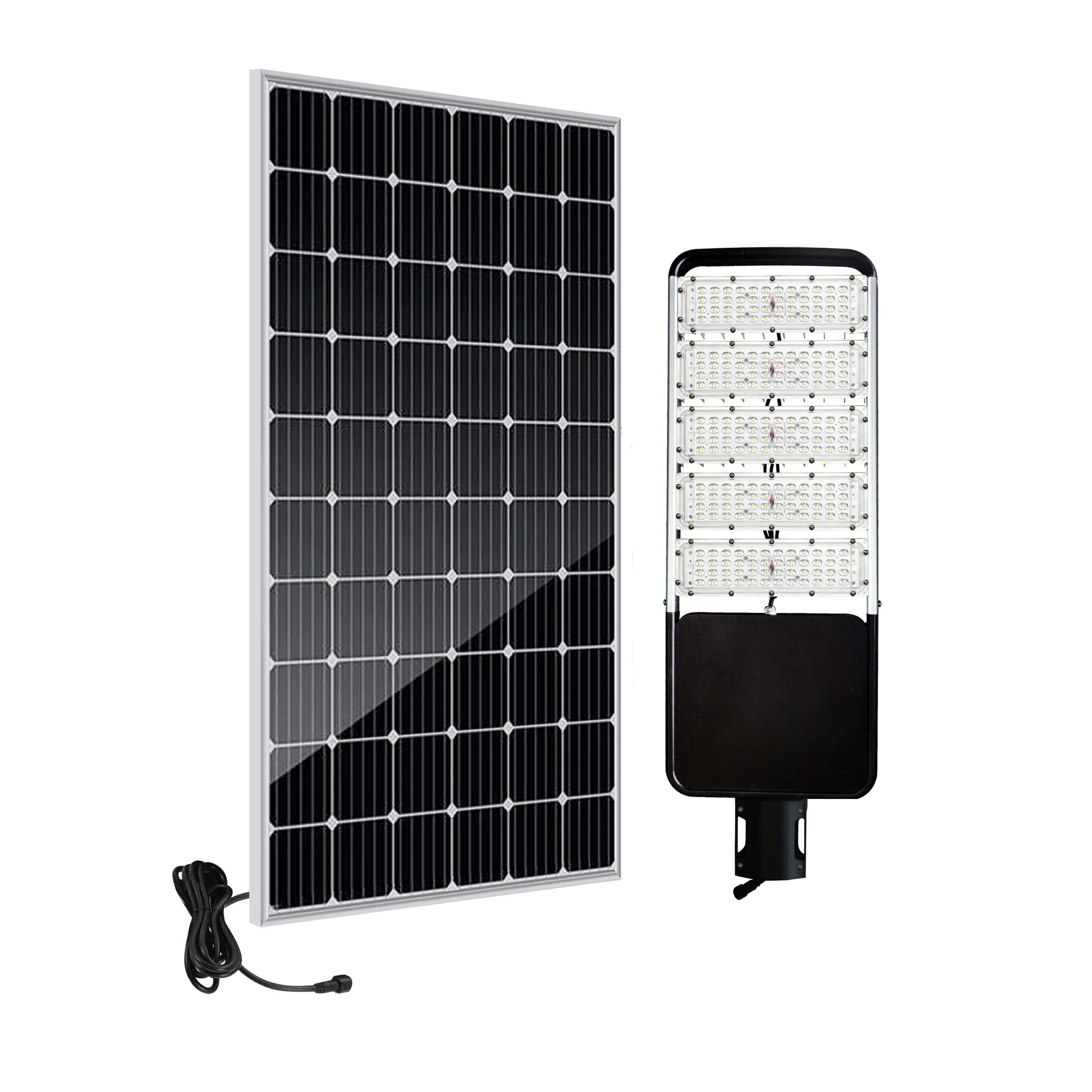
The ZC-100W120W-3000-3 is a prime example of a cutting-edge solar street light, designed with sustainability and performance in mind. This model features a high-efficiency solar panel mounted at an optimal angle for maximum energy absorption, paired with powerful LED arrays that provide consistent, bright light output. Its sleek, modern design not only blends seamlessly into urban landscapes but also enhances durability, making it suitable for both city streets and rural pathways. With power options of 100W and 120W, it caters to varying lighting needs, from dimly lit residential areas to high-traffic roads, all while promoting energy efficient street lighting.
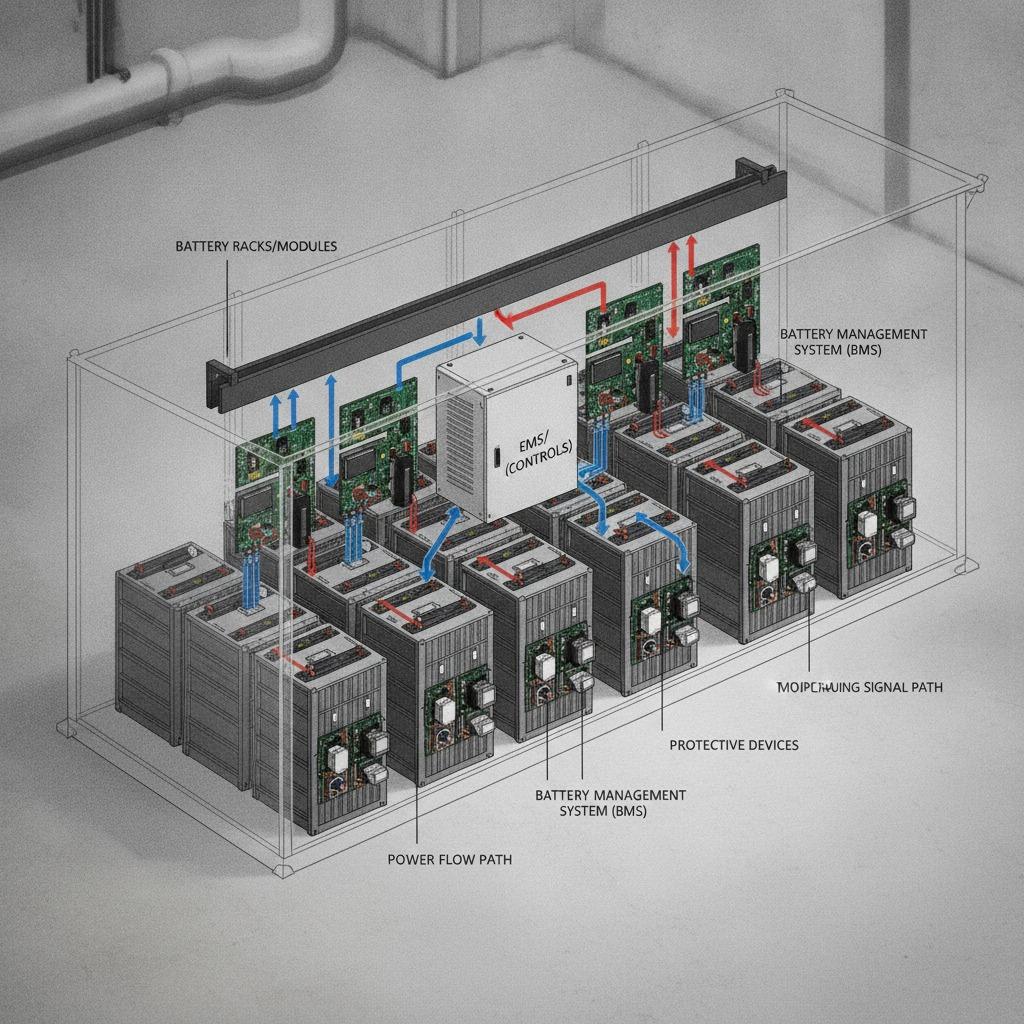
Key features of the ZC-100W/120W include easy installation—no trenching or electrical connections required—and low maintenance, as the integrated battery management system protects against overcharging and deep discharge. This solar street light reduces electricity bills by up to 80% compared to grid-tied alternatives and helps lower the carbon footprint, aligning with green initiatives. Users appreciate its reliability, with many installations reporting over 50,000 hours of LED lifespan, far surpassing traditional lighting solutions.
Similarly, the BR-07 AIT Solar Street Light offers a sophisticated blend of form and function. Its streamlined body houses an advanced solar panel and LED technology, ensuring efficient energy conversion and illumination. The smart control system in the BR-07 AIT adjusts light intensity based on environmental conditions, optimizing performance for energy efficient street lighting. Crafted from weather-resistant materials, this model thrives in diverse climates, from coastal humidity to desert heat, and its aesthetic appeal makes it a favorite for enhancing community spaces.
Both the ZC series and BR-07 AIT exemplify how solar powered street lights can transform public infrastructure. They support remote monitoring via optional IoT integration, allowing administrators to track performance and schedule maintenance proactively. In practical applications, these lights have illuminated parks, highways, and school grounds, improving safety and reducing light pollution through directional lighting that focuses beams downward.
The Role of Solar Street Lights in Sustainable Development
Adopting solar street lights is more than a technological upgrade; it's a commitment to sustainable development. These systems address key challenges in energy efficient street lighting by providing off-grid solutions that empower underserved regions. In developing areas, where electricity access is limited, solar powered street lights bridge the gap, fostering economic growth through safer nighttime travel and commerce.
Environmentally, the benefits are profound. By relying on renewable solar energy, these lights prevent the release of greenhouse gases associated with coal or gas-powered grids. Studies show that widespread use of LED solar street lights could reduce urban energy consumption for lighting by 30-50%, conserving resources and mitigating urban heat islands. Economically, the initial investment pays off quickly—often within 2-3 years—through savings on energy and maintenance, making them a smart choice for budget-conscious governments and businesses.
Looking ahead, innovations in solar street light technology promise even greater efficiency. Emerging models incorporate bifacial solar panels that capture light from both sides, increasing energy yield by 25%, and AI-driven controls that predict weather patterns for better battery management. As awareness grows, more communities are turning to these solutions, recognizing their role in building resilient, eco-friendly cities.
In conclusion, solar street lights, particularly advanced options like the ZC-100W/120W and BR-07 AIT, are pivotal in achieving energy efficient street lighting. They offer unmatched reliability, cost savings, and environmental benefits, paving the way for a brighter, greener future. Whether for urban renewal projects or rural electrification, integrating these technologies ensures long-term sustainability and enhanced quality of life.