
Understanding Solar Street Lights and Their Benefits
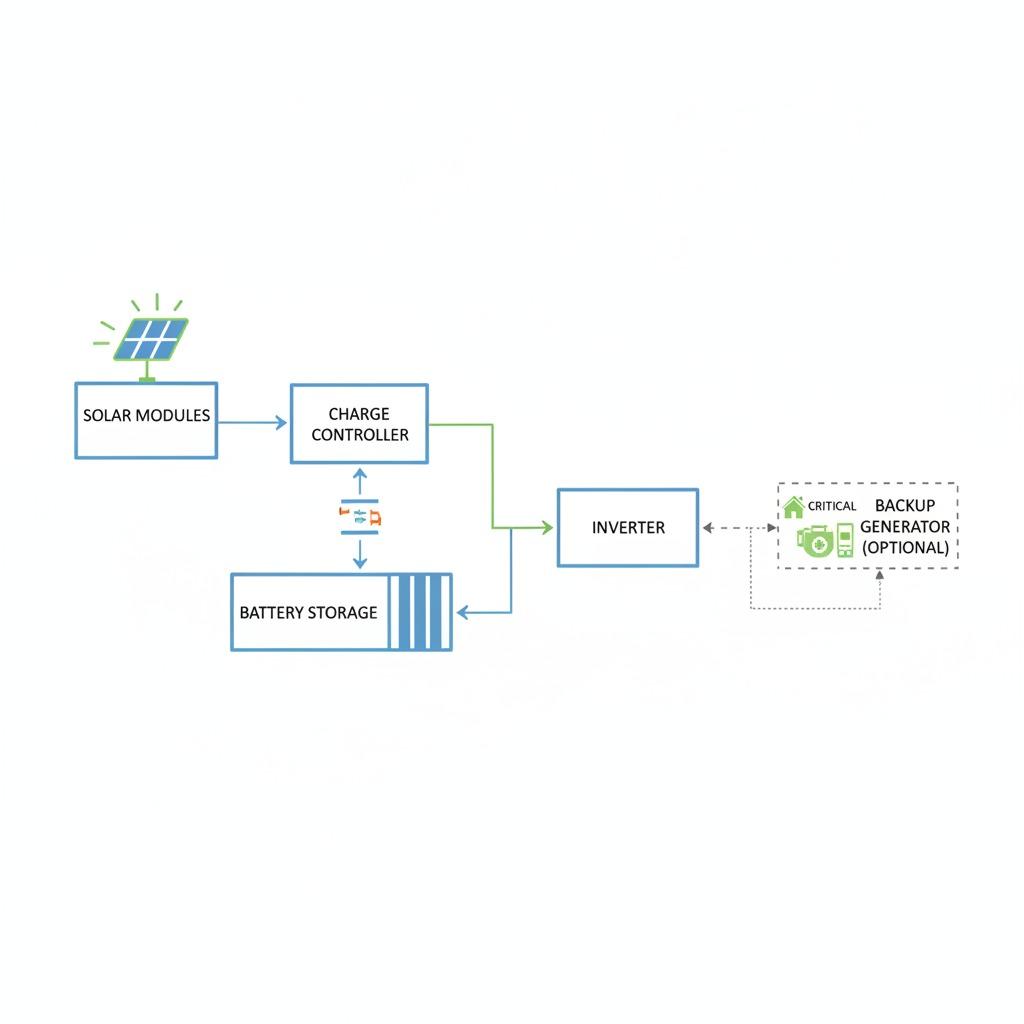
Solar street lights represent a revolutionary advancement in outdoor lighting solutions, harnessing the power of the sun to illuminate streets, pathways, and public spaces without relying on traditional grid electricity. These eco-friendly fixtures, such as the innovative ZC-100W120W-3000-3 model, are designed for seamless integration into both urban and rural environments. By converting sunlight into electrical energy during the day, solar street lights provide reliable illumination at night, significantly reducing energy costs and environmental impact. This technology is particularly valuable in areas with limited access to power grids, offering a sustainable alternative that promotes energy efficiency.
One of the primary advantages of solar street lights is their ability to operate independently, free from wiring complications and power outages. The ZC-100W120W-3000-3, for instance, features a high-efficiency solar panel positioned on top to capture even low-light solar energy, ensuring consistent performance. This model combines sleek modern aesthetics with powerful LED illumination, making it an ideal choice for municipalities looking to upgrade their infrastructure while minimizing carbon footprints. As demand for green solutions grows, solar street lights continue to gain popularity for their low maintenance and long-term reliability.
Exploring Solar Powered Street Lights: Efficiency and Design
Solar powered street lights take sustainability to the next level by fully utilizing renewable energy sources. These systems include built-in batteries that store excess solar energy, allowing the lights to function through cloudy days or extended nights. The ZC-100W120W-3000-2 is a prime example, featuring an integrated solar panel on a sturdy pole that captures sunlight efficiently. Its high-efficiency LED modules deliver bright, consistent light, enhancing visibility and safety in diverse settings like parking lots and residential streets.
What sets solar powered street lights apart is their smart technology, such as automatic brightness adjustment based on ambient conditions. This not only conserves energy but also extends the lifespan of the components. The ZC-100W120W-3000-2's durable construction withstands harsh weather, from heavy rain to extreme temperatures, ensuring minimal downtime and reduced maintenance needs. For communities aiming to lower operational costs, these lights offer a compelling solution that balances performance with environmental responsibility. Installation is straightforward, often requiring just a secure mounting on existing poles, which further enhances their appeal for large-scale deployments.
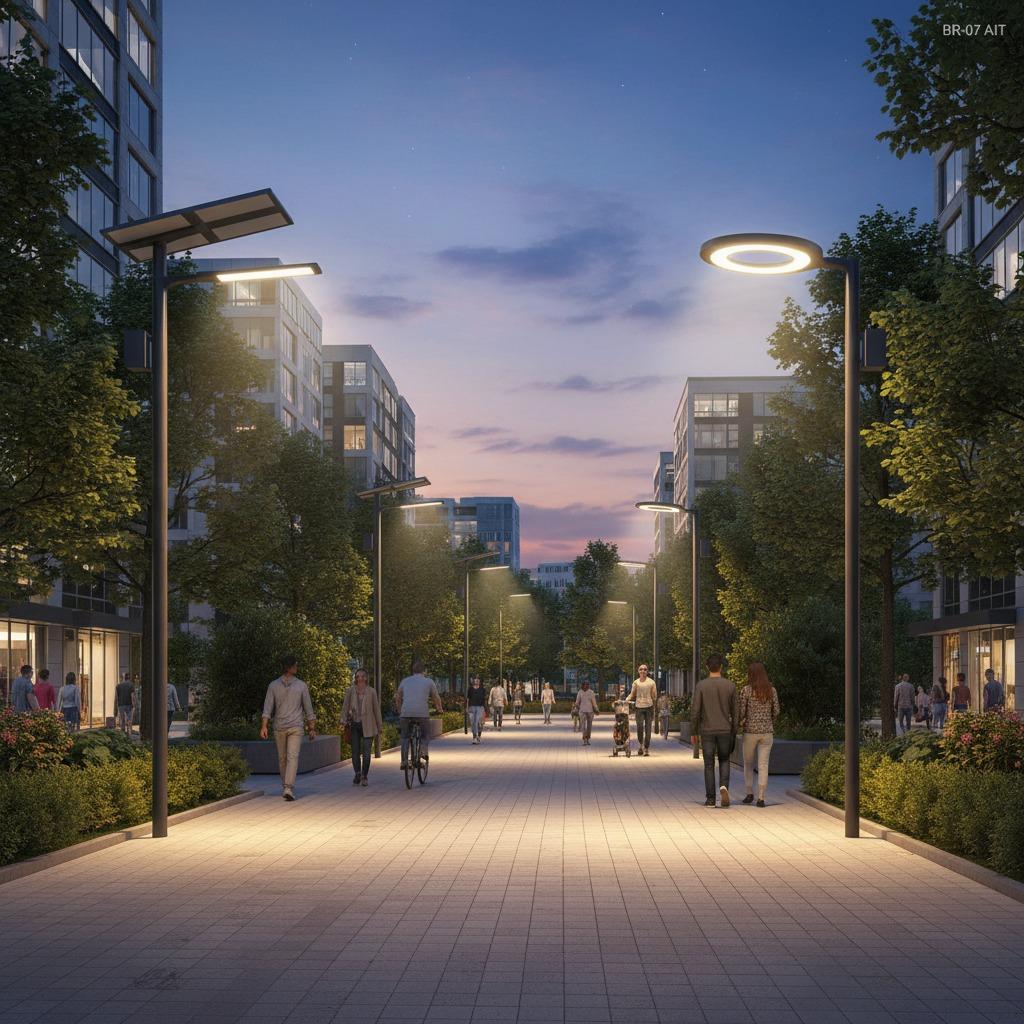
In addition to functionality, solar powered street lights emphasize aesthetic integration. The BR-07 AIT model exemplifies this with its streamlined pole and robust build, blending seamlessly into modern urban landscapes. Equipped with advanced solar panels and LED lamps, it provides energy-efficient lighting that reduces electricity bills by up to 80% compared to conventional systems. This makes solar powered street lights not just practical but also a smart investment for future-proofing public spaces.
Energy Efficient Street Lighting: A Path to Sustainability
Energy efficient street lighting is at the heart of modern urban planning, and solar street lights embody this principle perfectly. By prioritizing LED technology, these lights consume far less power while delivering superior brightness and color rendering. The integration of solar panels in models like the ZC-100W120W-3000-3 ensures that energy is sourced renewably, cutting down on fossil fuel dependency and greenhouse gas emissions. This approach aligns with global sustainability goals, making it easier for cities to meet environmental regulations.
The benefits extend beyond energy savings to include enhanced public safety. Well-lit streets deter crime and improve navigation for pedestrians and drivers alike. Energy efficient street lighting solutions, such as those from the ZC series, feature motion sensors and timers that optimize usage, activating only when needed. This intelligent control not only saves resources but also prolongs battery life, potentially lasting up to 10 years with proper care. Rural areas, often underserved by traditional grids, particularly benefit from these systems, bringing reliable light to remote roads and villages.
Furthermore, the low initial setup costs for energy efficient street lighting make it accessible for budget-conscious projects. Governments and private developers can install these without extensive electrical infrastructure, accelerating deployment timelines. The BR-07 AIT, with its weather-resistant materials, exemplifies durability in energy efficient designs, performing reliably in coastal or arid climates. As technology advances, expect even greater efficiencies, solidifying energy efficient street lighting as a cornerstone of green infrastructure.
LED Solar Street Lights: Innovation and Performance
LED solar street lights combine the longevity of LED bulbs with the cleanliness of solar power, creating a powerhouse of illumination. These lights boast lifespans exceeding 50,000 hours, far outpacing traditional bulbs, which translates to fewer replacements and lower long-term costs. The ZC-100W120W-3000-3's integrated LED fixture offers powerful yet energy-efficient output, ideal for illuminating wide areas like highways or parks without excessive power draw.
Innovation in LED solar street lights includes features like remote monitoring and app-based controls, allowing users to adjust settings for optimal performance. The ZC-100W120W-3000-2 takes this further with its adaptive brightness, ensuring energy is used judiciously. This model's sleek design not only enhances visual appeal but also facilitates easy installation, supporting quick upgrades in lighting networks. For safety-critical applications, such as school zones or busy intersections, LED solar street lights provide uniform lighting that reduces shadows and glare.
Performance metrics for LED solar street lights are impressive, with luminous efficacy often reaching 150 lumens per watt. The BR-07 AIT leverages this to deliver bright, consistent light while minimizing energy use, contributing to a lower carbon footprint. In urban settings, these lights integrate with smart city initiatives, syncing with traffic systems for dynamic lighting. Private users, from homeowners to estate managers, appreciate the autonomy and style of LED solar street lights, which elevate property values through modern, eco-conscious enhancements.
Overall, the evolution of solar street lights, from basic models to advanced variants like the ZC-100W120W-3000 series and BR-07 AIT, underscores their role in fostering sustainable communities. By choosing these solutions, stakeholders invest in a brighter, greener future. With ongoing innovations, solar powered street lights, energy efficient street lighting, and LED solar street lights will continue to light the way toward environmental stewardship and economic savings.