
Unlocking Energy Independence with Off-Grid Solar Power Systems
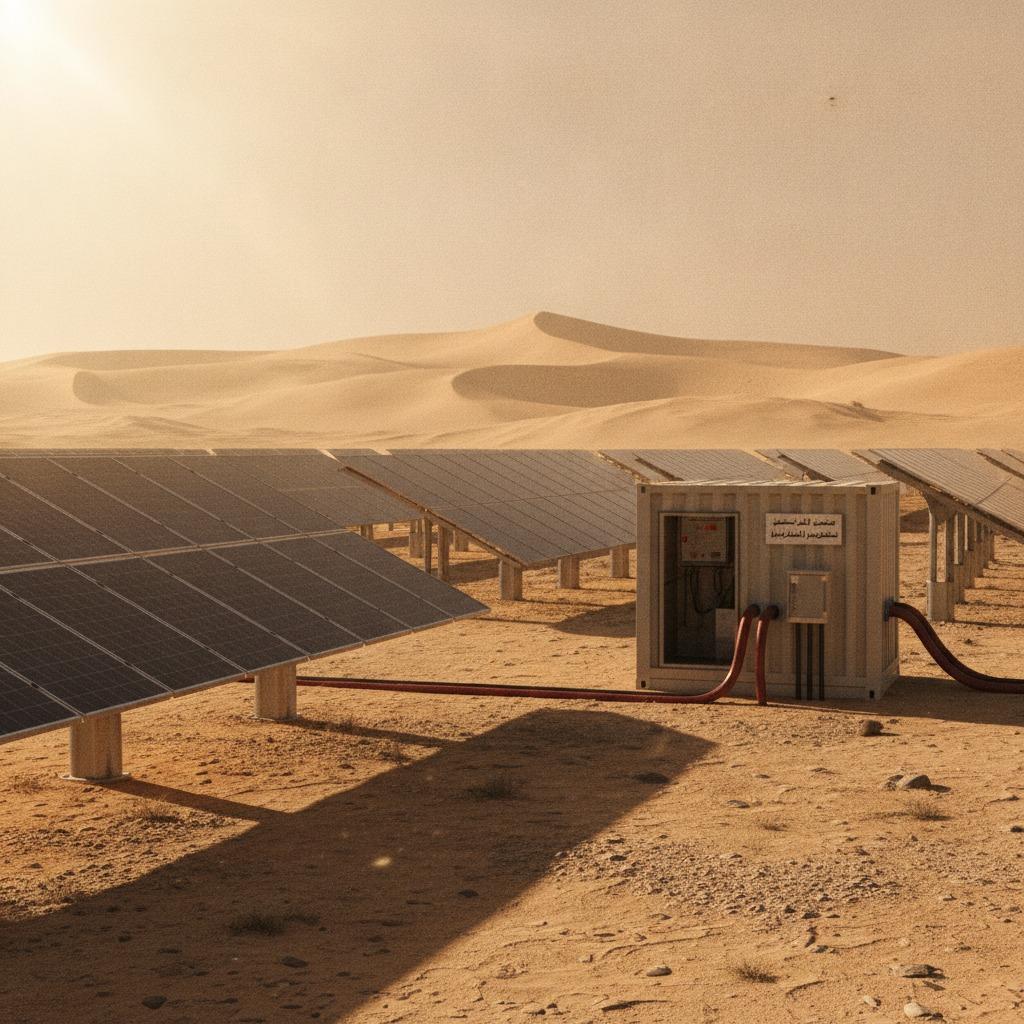
In today's world, where energy reliability and sustainability are paramount, an off-grid solar power system stands out as a revolutionary solution for those seeking independence from traditional power grids. This innovative technology harnesses the sun's abundant energy to provide a consistent and clean power source, particularly in remote or underserved areas. By integrating high-efficiency solar panels, advanced inverters, and robust storage options, off-grid solar power systems empower users to generate, store, and utilize electricity on their own terms. Whether for residential homes, rural cabins, or off-site businesses, these systems offer a pathway to reduced energy costs and environmental impact.
Understanding the Basics of Off-Grid Solar Power Systems
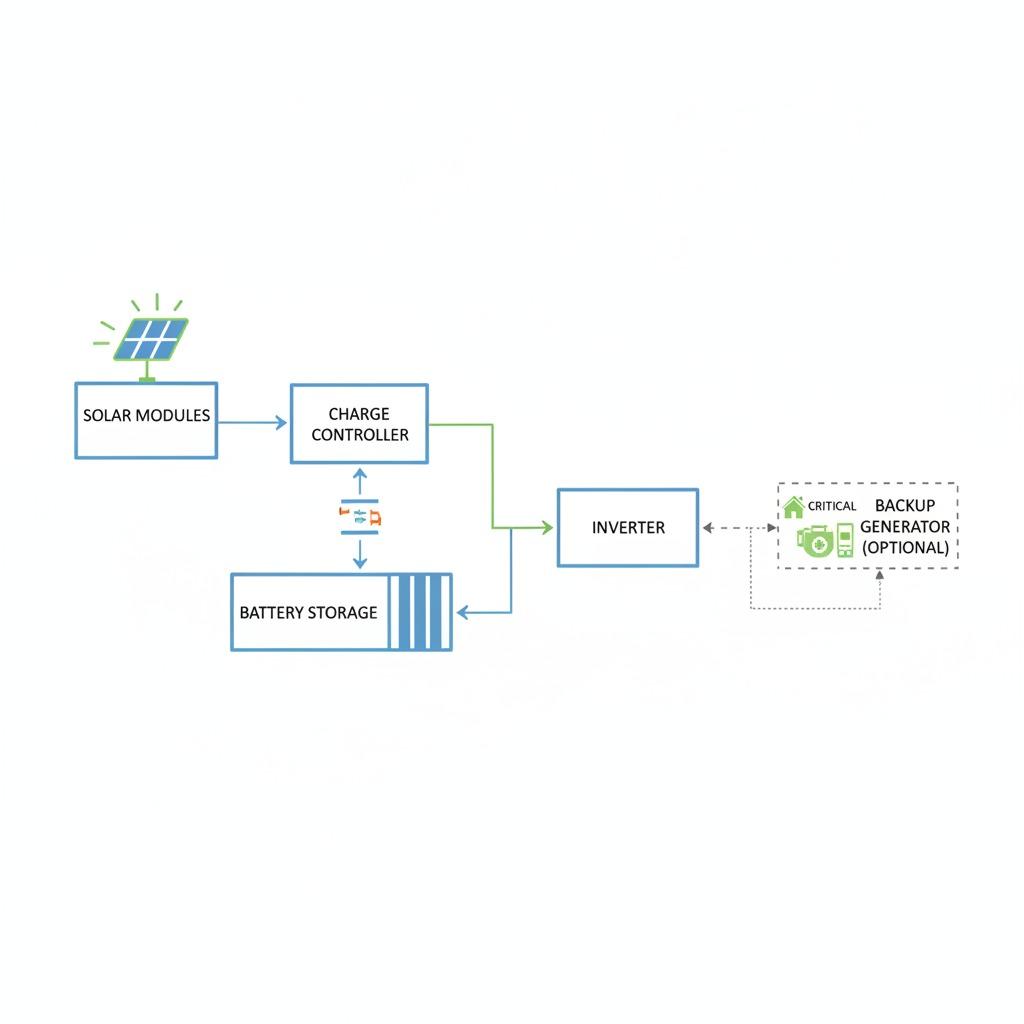
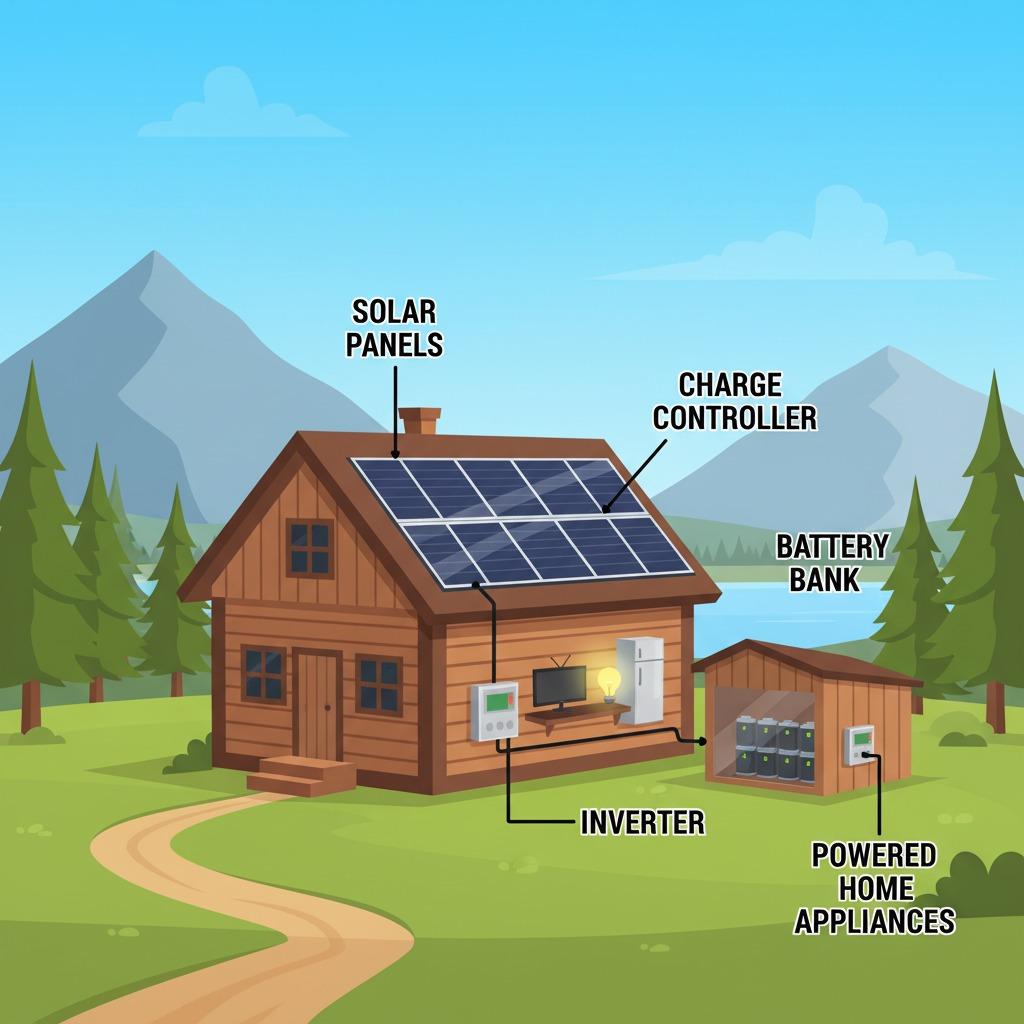
At the core of an off-grid solar power system is its ability to operate independently, without reliance on utility grids. Solar panels, typically made from monocrystalline or polycrystalline photovoltaic cells, capture sunlight and convert it into direct current (DC) electricity. This DC power is then routed through a charge controller to prevent overcharging and directed to batteries for storage. During usage, an inverter converts the stored DC power into alternating current (AC) suitable for household appliances. The design ensures that even on cloudy days, the system maintains functionality, thanks to optimized panel tilts and durable mounting frames that maximize exposure to sunlight. For instance, a typical setup might include 10-20 panels covering 200-400 square feet, generating 5-10 kilowatts of power daily, depending on location and weather patterns.
These systems are particularly advantageous in regions with unreliable grid access, such as mountainous areas or islands. Installation involves assessing site-specific factors like roof orientation, shading, and energy needs. Professional assessment ensures the system's capacity matches daily consumption—averaging 10-30 kWh for a standard household. Maintenance is minimal, involving periodic cleaning of panels and battery checks, with lifespans exceeding 25 years for panels and 10-15 years for batteries. By eliminating monthly utility bills, an off-grid solar power system can pay for itself within 5-10 years, offering long-term financial and ecological benefits.
Integrating Renewable Energy Solutions into Off-Grid Living
Renewable energy solutions like off-grid solar power systems represent a shift toward sustainable living, reducing dependence on fossil fuels and minimizing carbon footprints. These solutions encompass not just solar panels but also wind or hybrid integrations for enhanced reliability. In practice, adopting renewable energy solutions means designing a system that scales with needs—starting small for lighting and essentials, then expanding to power refrigeration, heating, or even electric vehicles. The environmental upside is significant: a single off-grid solar power system can offset thousands of pounds of CO2 emissions annually, contributing to global efforts against climate change.
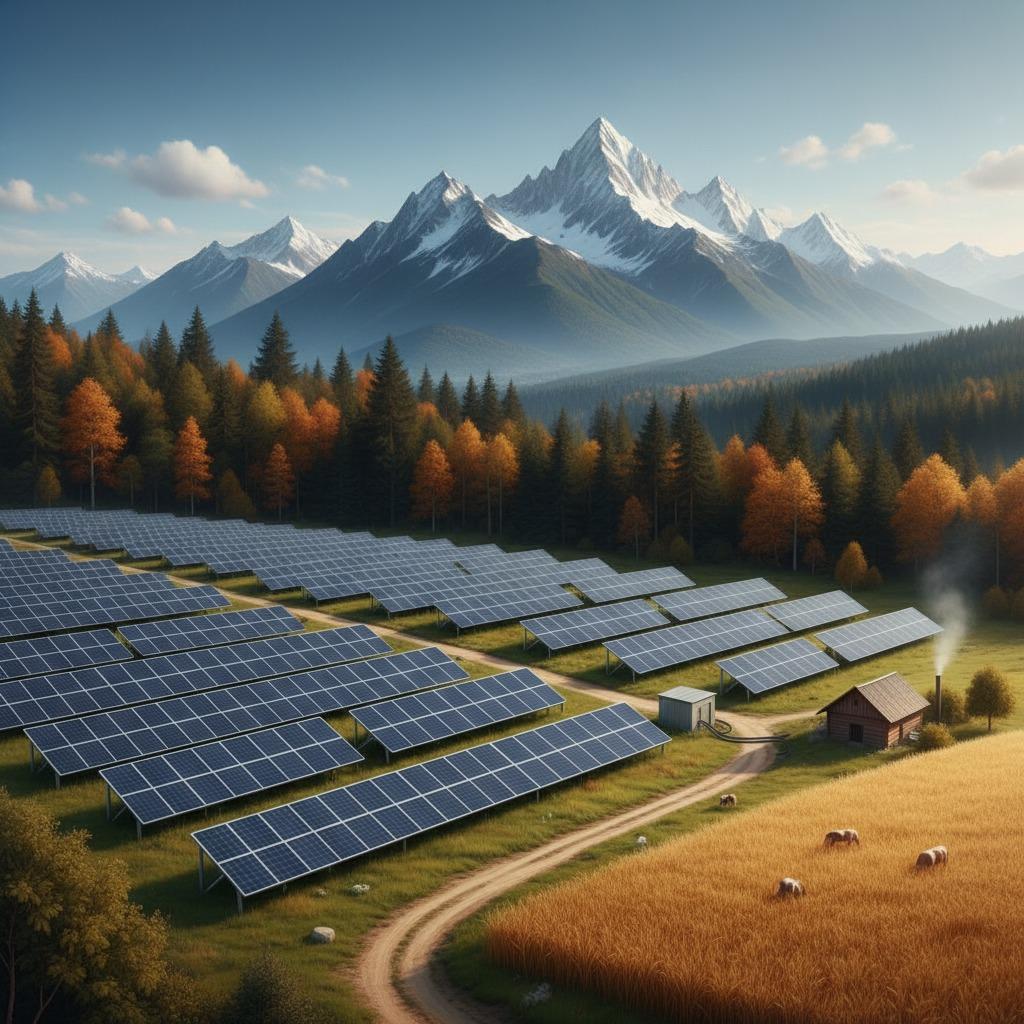
For businesses in remote locations, such as farms or research stations, renewable energy solutions provide operational continuity. Case studies show agricultural operations using these systems to irrigate fields and run machinery, achieving up to 90% energy self-sufficiency. Homeowners benefit similarly, with customizable setups that include monitoring apps for real-time energy tracking. The aesthetic appeal is another draw; sleek, modern panels blend seamlessly with rooftops or ground mounts, enhancing property value without compromising design. As governments offer incentives like tax credits, the adoption of renewable energy solutions becomes even more accessible, accelerating the transition to green infrastructure.
The Role of Solar Energy Storage in Reliable Power
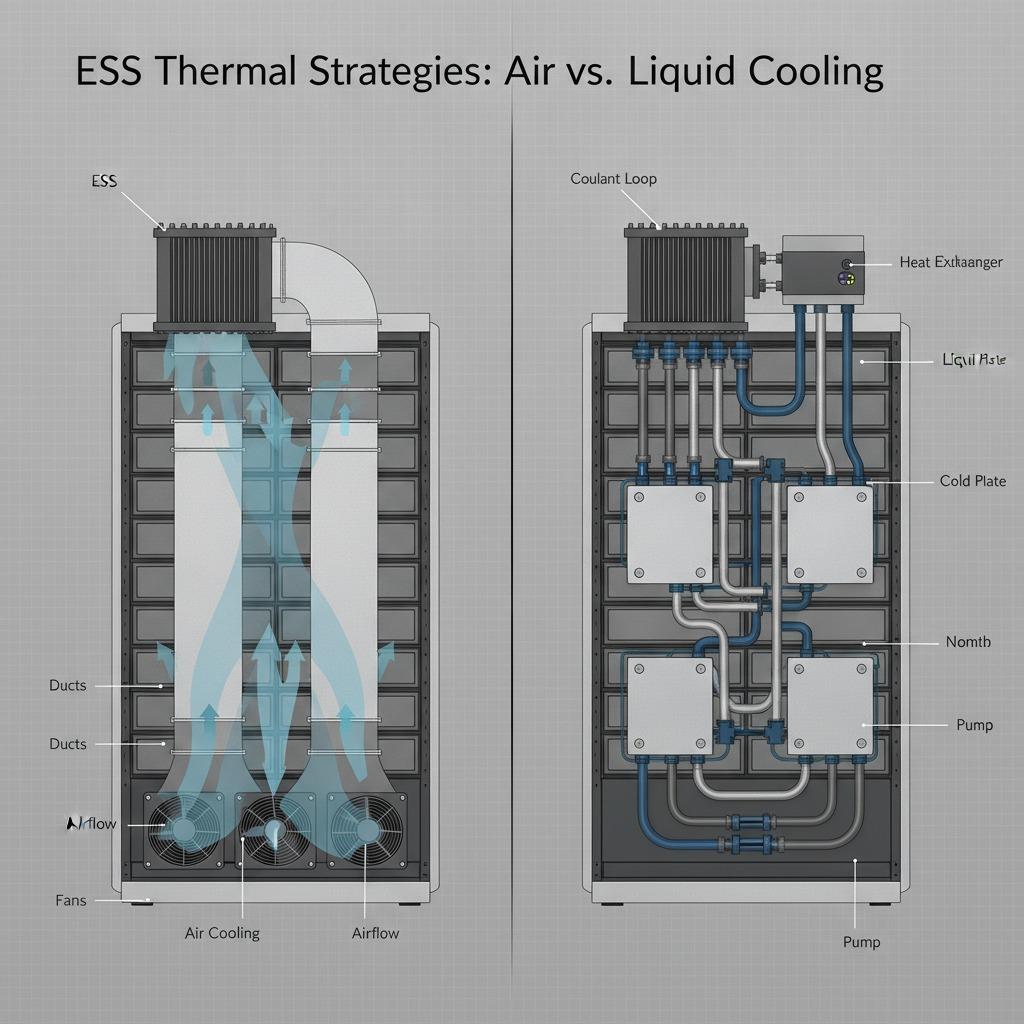
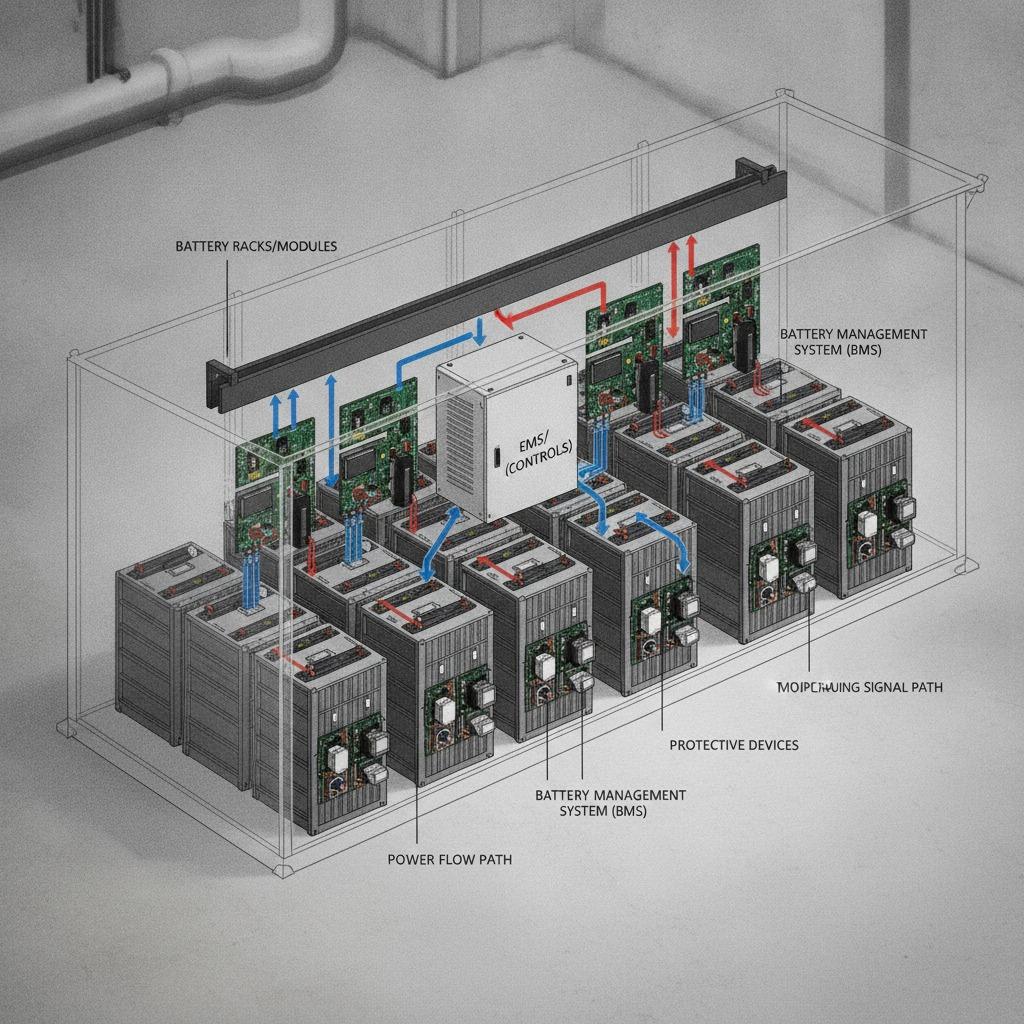
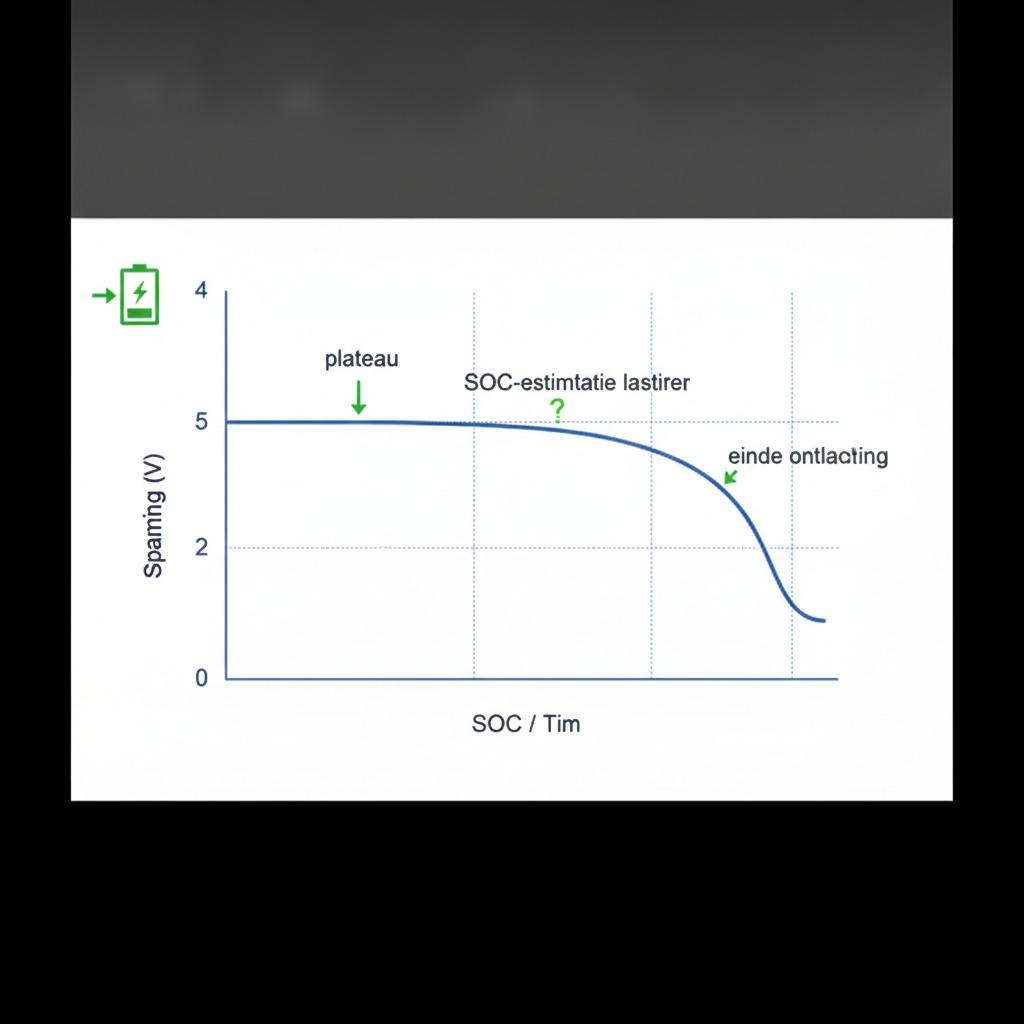
Central to any off-grid solar power system is solar energy storage, which ensures power availability around the clock. Batteries, often lithium-ion or lead-acid, store excess daytime energy for nighttime or low-sun periods, preventing blackouts and maximizing efficiency. Advanced solar energy storage units can hold 10-50 kWh, sufficient for multi-day autonomy in adverse weather. Technologies like deep-cycle batteries with built-in management systems protect against over-discharge, extending lifespan and performance.
Solar energy storage also enables energy optimization—users can prioritize high-demand appliances during peak production hours. Integration with smart home devices allows automated load balancing, further enhancing reliability. For larger installations, modular battery banks scale easily, supporting growth from basic setups to comprehensive systems. The cost of solar energy storage has dropped dramatically, making it feasible for average budgets; a mid-range setup might cost $5,000-$15,000, with ROI driven by avoided grid extension expenses in remote areas.
Exploring Solar Battery Systems for Enhanced Autonomy
Solar battery systems form the backbone of off-grid solar power systems, offering scalable and efficient energy retention. These systems typically feature high-capacity units with efficiencies over 90%, minimizing energy loss during charge-discharge cycles. Lithium-based solar battery systems are preferred for their lightweight design, fast charging, and low maintenance compared to traditional options. A well-configured solar battery system can provide backup for 24-72 hours, ideal for emergencies or seasonal variations.
In residential applications, solar battery systems integrate with inverters to deliver seamless power transitions. For example, during outages, the system switches to battery mode in milliseconds, powering essentials like lights, fans, and medical devices. Commercial users leverage these for cost savings, storing solar energy during off-peak rates if hybrid-capable. Innovations like flow batteries promise even longer durations, up to 10 hours of continuous supply. Selecting the right solar battery system involves calculating amp-hour needs based on load profiles—ensuring the setup aligns with daily usage patterns for optimal performance.
Benefits and Future of Off-Grid Solar Power Systems
The advantages of an off-grid solar power system extend beyond immediate energy needs, fostering resilience and sustainability. Users report significant savings, with payback periods shortened by rising utility rates and falling solar costs. Environmentally, these systems promote biodiversity by reducing infrastructure sprawl—no need for extensive power lines in wilderness areas. Socially, they empower communities in developing regions, providing electricity for education, healthcare, and economic activities.
Looking ahead, advancements in photovoltaic efficiency and battery tech will make off-grid solar power systems more affordable and potent. Integration with AI for predictive energy management and IoT for remote monitoring will further streamline operations. As renewable energy solutions gain traction, solar energy storage and solar battery systems will evolve, supporting a net-zero future. Embracing an off-grid solar power system today positions individuals and businesses at the forefront of this green revolution, securing energy independence for generations to come.
This comprehensive approach to off-grid living not only addresses current challenges but also paves the way for innovative, eco-conscious lifestyles.