
Why Is My Electric Bill High With Solar?

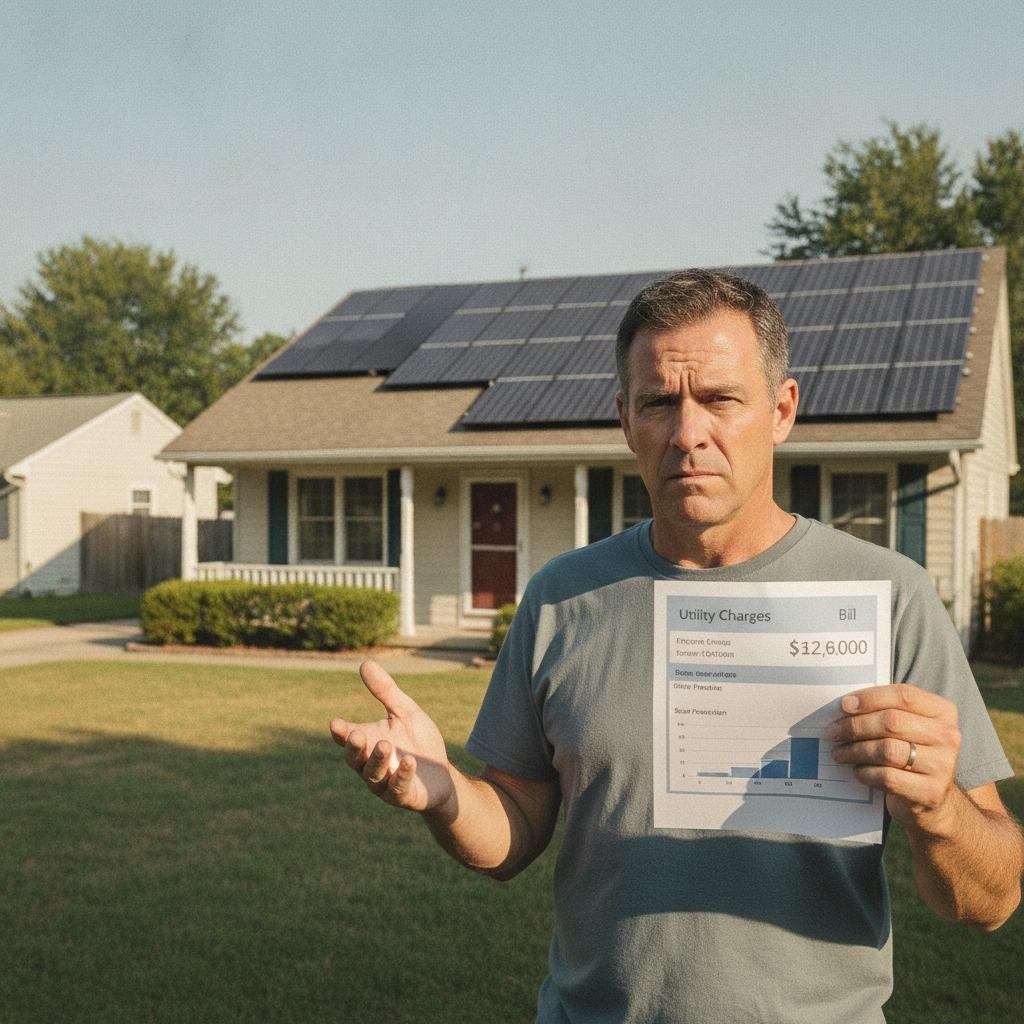
If you installed rooftop solar expecting a tiny electric bill and got a surprisingly large one instead, you are not alone. The question why is my electric bill high with solar comes up often, and it usually means the system is working, but not in the way the homeowner expected. Solar can reduce daytime consumption from the grid, yet a monthly bill still reflects more than just power produced on the roof. Utilities charge for supply, delivery, minimum fees, time-of-use pricing, and sometimes demand-related charges. In other words, the panels may be doing their job while the bill still looks stubbornly high.
For engineers, sourcing teams, and product developers working around distributed energy, this is a useful reminder: performance on paper and performance in the field are not the same thing. A solar array does not erase a utility relationship. It changes it. Understanding where the remaining bill comes from helps you decide whether the issue is normal utility math, a system design mismatch, or a genuine equipment or installation problem.
The first thing to check: what changed, and when?
A high bill after solar installation often comes down to timing. Solar production follows the sun. Household loads do not. If the biggest loads happen early morning, after sunset, or late at night, the system may offset less than expected. That is especially true in homes with electric water heating, pool pumps, EV charging, or air conditioning that runs hard into the evening.
Utility billing structure matters just as much. Some customers are on net metering, where excess daytime generation offsets later use. Others are on export credit programs that pay less than retail for exported power. If your bill changed when your utility changed rate plans, you may be seeing the effect of a tariff shift rather than a failing solar array.
One practical caution: many people look only at the total bill and ignore line items. That is a mistake. A bill can rise because of fixed customer charges, transmission and distribution charges, or minimum bill provisions even when the energy portion falls sharply.
What a solar bill still contains
A monthly utility bill after solar may include several pieces that do not disappear just because the meter runs backward at times:
Fixed charges
These are the charges you pay simply for being connected. They often remain the same regardless of how much energy you export.
Delivery or grid access fees
Utilities still maintain wires, transformers, and meters. Those costs are typically recovered even if your panels cover much of your electricity use.
Energy charges
This is the portion most homeowners think of first. Solar can reduce it substantially, but only when generation aligns with consumption.
Taxes and surcharges
These may still appear on the bill. Depending on the market, they can make the remaining payment feel larger than expected.
Minimum monthly bills
Some utilities require a minimum payment no matter how much energy you export. That can make a very efficient system look disappointing on paper.
When the problem is not the bill, but the expectation
The biggest mismatch is usually between promised savings and actual operating conditions. Sales estimates often assume ideal orientation, low shading, reasonable weather, and a load profile that matches generation. Real life is messier. Trees grow. Panels get dirty. Inverters clip at peak output. Homeowners add loads after installation. A new EV or an expanded HVAC schedule can erase a big slice of the expected savings.
Seasonality also matters. A bill that looks high in winter may still represent a normal pattern if the system was sized around summer cooling loads. Likewise, a home that exported heavily in spring can import more in dark, cold months. The annual picture is what matters, not a single invoice.
If you are evaluating the system for a client or product line, this is where design assumptions should be checked against actual usage data. A system can be technically sound and still underperform against expectations because the customer’s load shifted after commissioning.
Common reasons a solar customer still pays more than expected
There are a few repeat offenders that show up again and again:
- Shading from trees, neighboring structures, chimneys, or roof geometry
- Dirty modules or snow cover
- Inverter settings that limit export or production
- A system sized too small for the actual load
- High evening consumption that solar cannot cover directly
- Utility rate changes after interconnection
- An electric bill that includes non-energy charges the customer did not notice before
Sometimes there is also a simple metering issue. If the utility meter is configured incorrectly, or if the solar system monitoring platform shows output that does not match the utility record, that deserves a closer look. It is not always the inverter, and it is not always the utility. The fault can sit in the gap between those two systems.
How to compare expected performance with reality
A useful way to investigate is to separate three numbers: solar production, household consumption, and grid import/export. Many homeowners only watch generation. That is incomplete. A 10 kW array may produce a strong headline number, but if the home consumes heavily after sunset, the grid still supplies a lot of energy.
Look at:
Monthly production
Does the array generate what the installer estimated for that season?
Self-consumption
How much of the solar output is used on-site rather than exported?
Imported energy
How much electricity is still purchased from the utility?
Billing structure
Are charges based on usage, demand, delivery, or minimum fees?
That comparison usually explains most surprises. If the production is healthy but the bill is still high, the answer may be financial rather than technical. If production is low, then the investigation turns to equipment, shading, soiling, or installation quality.
What buyers and specifiers should ask before relying on solar savings
Whether you are a homeowner or a procurement professional reviewing distributed energy hardware, a few questions are worth asking early:
- How does the utility credit exported power?
- Are there fixed charges that will remain after solar?
- What is the expected load profile, not just the annual kWh total?
- Will future loads, like EV charging or new equipment, change the economics?
- Is battery storage needed to improve self-consumption?
- How will seasonal variation affect the annual bill?
That last question is easy to ignore and hard to recover from later. A system can look attractive in a spreadsheet and still disappoint if the site’s load timing is a poor fit.
A practical note on batteries
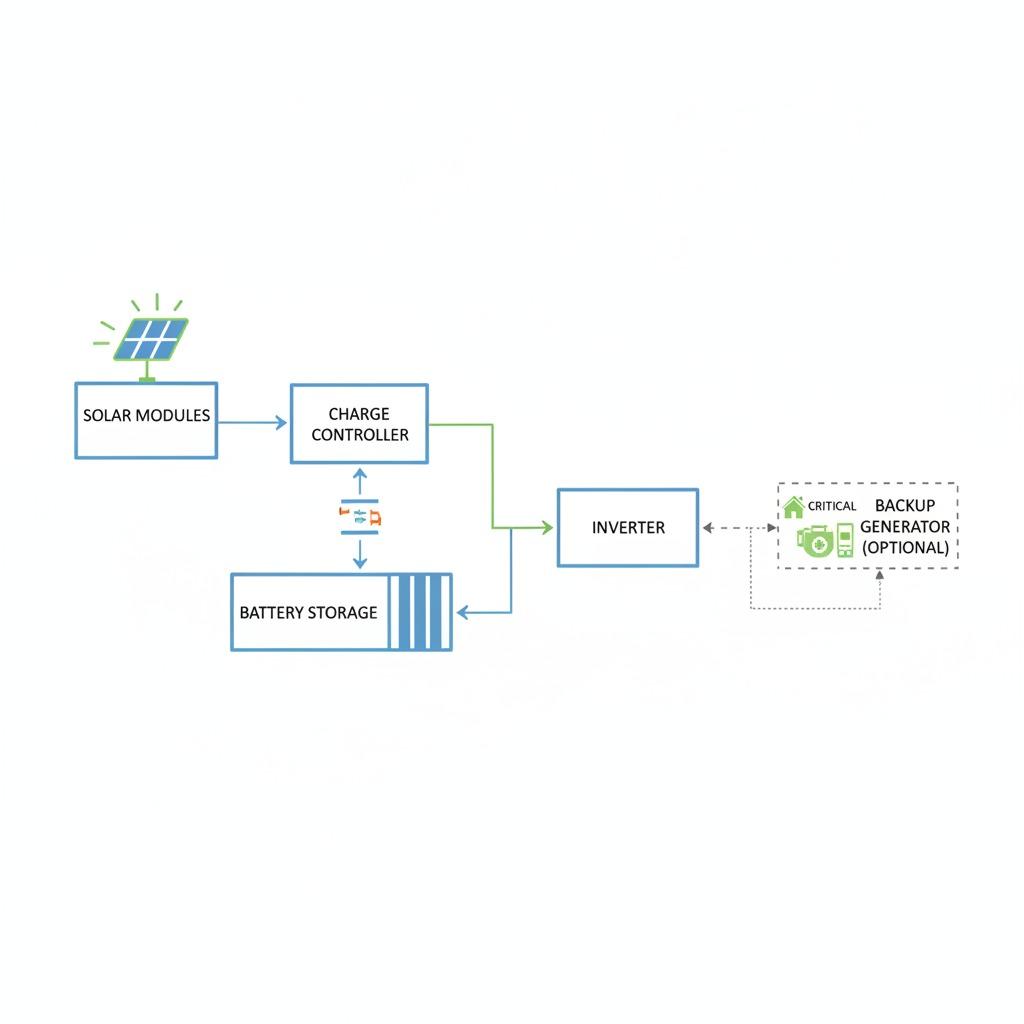
Battery storage is often presented as the cure for high post-solar bills, but it is not a universal fix. Batteries help shift midday solar into the evening, where many homes need it most. They can also provide backup power. But they add cost, complexity, and control requirements. For some sites, a battery is the right answer. For others, improving load timing or adjusting system size is the better move.
A cautious buyer should treat storage as a load-matching tool, not a magic savings device.
FAQ: the short answers people usually want
Does solar mean a zero electric bill?
Usually not. Many customers still pay fixed charges, delivery fees, and sometimes minimum bills even if their energy use is largely offset.
Can a solar system be working correctly and still leave a high bill?
Yes. That happens when household loads occur outside solar production hours, or when utility charges are structured in a way that solar does not fully offset.
Why did my bill go up after solar?
Check for rate changes, seasonal load changes, new appliances or EV charging, or an installation issue that reduced output.
Should I call the installer or the utility first?
Start with the bill and the monitoring data. If production looks low, contact the installer. If the charges look odd or the netting is inconsistent, contact the utility.
What to do next
If you are trying to answer why is my electric bill high with solar, begin with the simplest evidence: the bill itself, the system monitoring app, and your utility tariff. Compare production to consumption across a full month, not a single sunny afternoon. Then look for the unglamorous details that usually explain the gap: fixed charges, evening loads, export credits, and seasonal drift.
Most of the time, the answer is not that solar failed. It is that the building and the billing model were never perfectly aligned. That is frustrating, but it is also solvable once the numbers are laid out plainly.