
Wind-Solar Hybrid Street Lights: when the grid is unreliable, the design has to carry the load
Wind-Solar Hybrid Street Lights are not a novelty anymore; they are a practical answer to a very old problem: how do you keep outdoor lighting on when grid power is costly, remote, or simply unavailable for long stretches? For engineers, sourcing managers, and municipal buyers, the real question is less about whether the concept works and more about where it works well, what compromises come with it, and how to compare one system against another without getting lost in marketing language.
The appeal is straightforward. Solar panels harvest energy in daylight, a battery stores it, and a wind turbine can add generation when sunlight is weak or nighttime demand is still there. That combination matters most in places with mixed weather, seasonal daylight swings, coastal wind, or off-grid road sections where maintenance visits are expensive. But hybrid does not automatically mean better. A well-designed unit can improve resilience; a poorly matched one can add cost, noise, maintenance, and disappointment.
What problem these systems are really solving
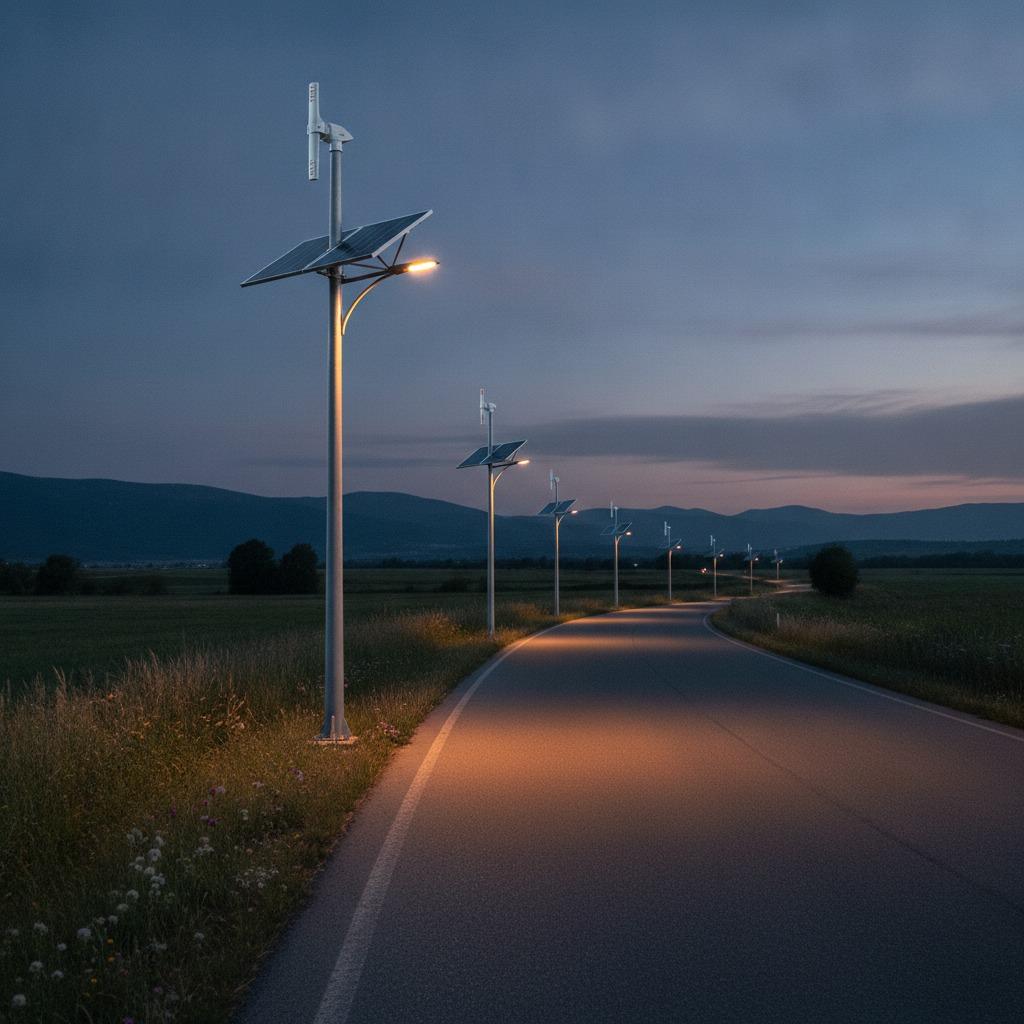
Traditional street lighting depends on a stable electrical network and trenching to every pole. In many projects, that is the hidden cost driver. Cable runs, civil works, transformer upgrades, and future repair access can outweigh the lamp hardware itself. Wind-Solar Hybrid Street Lights reduce dependence on that infrastructure by generating power at the pole or nearby, which makes them attractive for highways, industrial perimeters, campuses, parks, rural roads, ports, and temporary sites.
The wind component is especially useful in locations where solar-only systems struggle in winter, during long cloudy periods, or in narrow sites where panel area is limited. That said, wind is not free energy in the simple sense some brochures imply. It depends on local wind availability, tower height, rotor design, and whether nearby buildings or trees create turbulence. Buyers should treat wind as a site-specific resource, not a universal upgrade.
How the hybrid system is usually put together
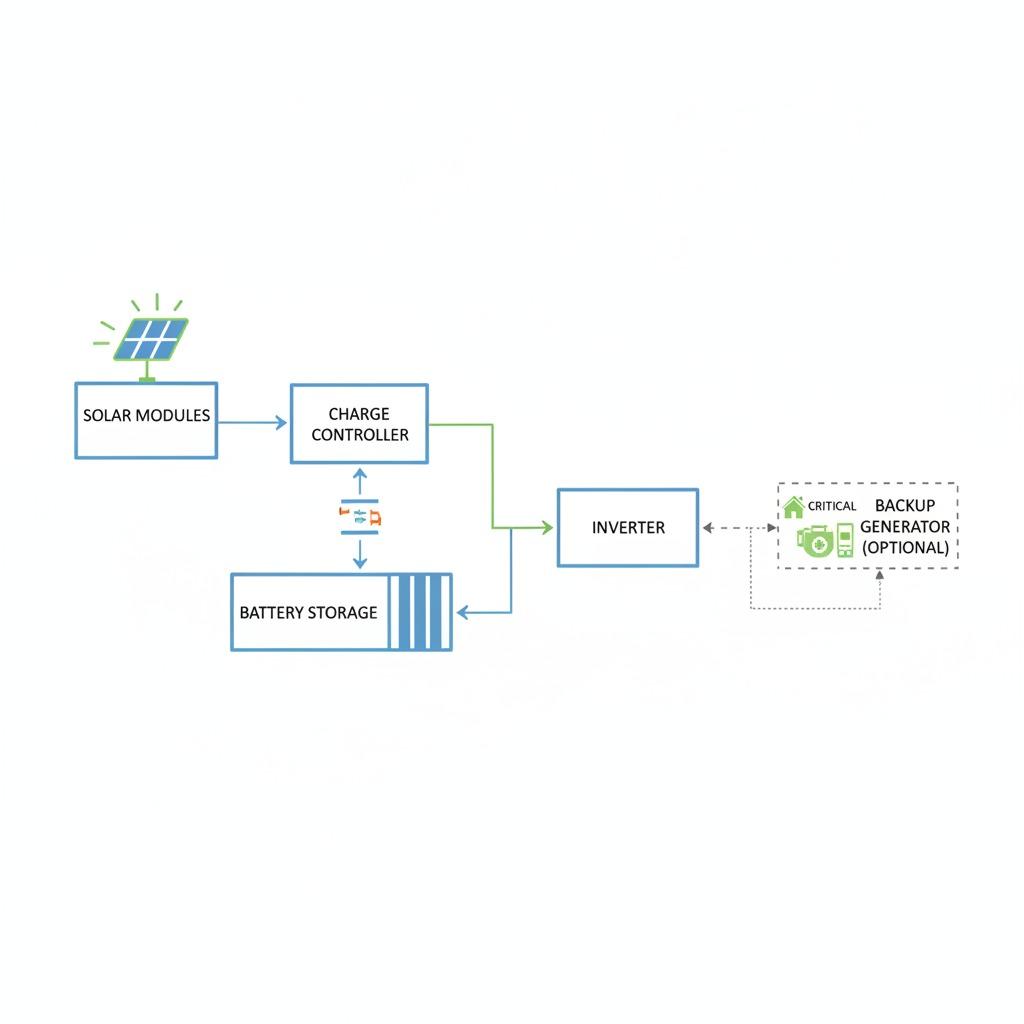
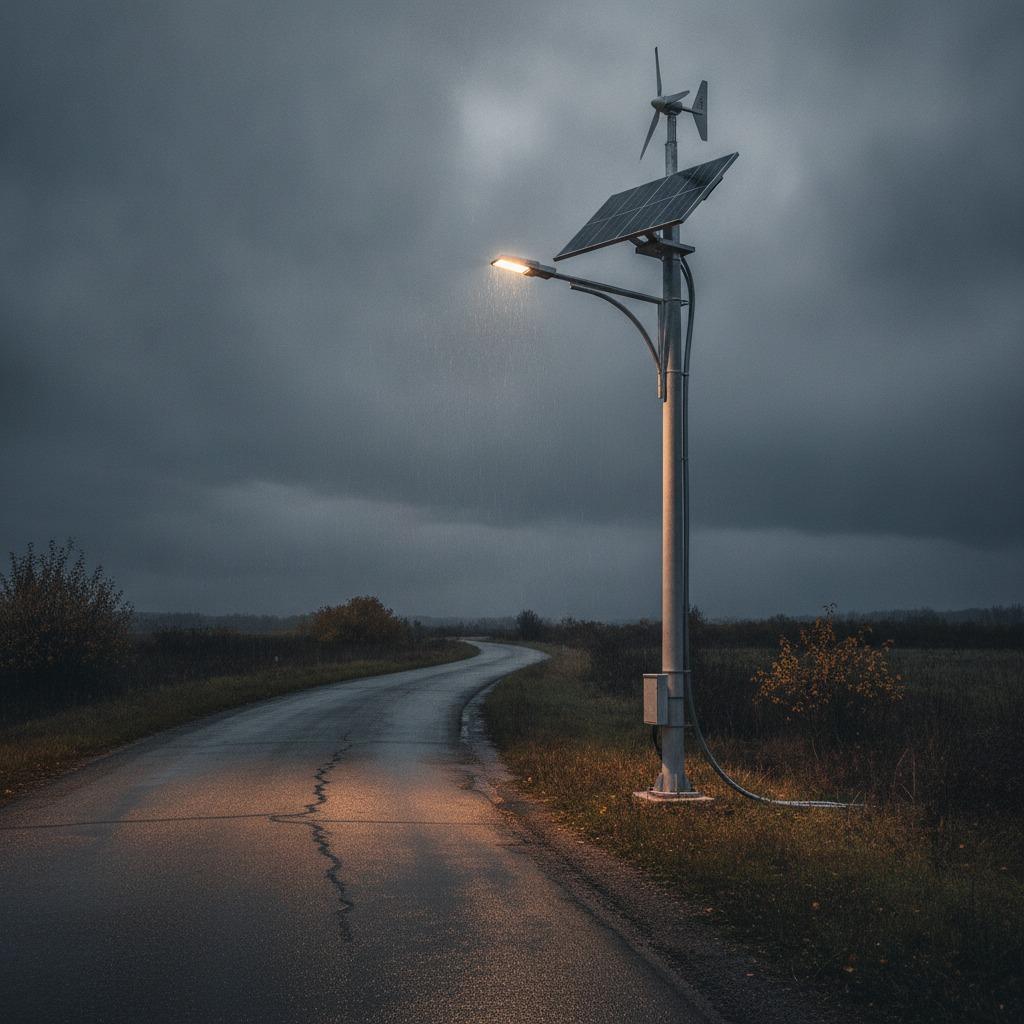
A typical system brings several parts into one pole or one integrated assembly:
- A photovoltaic module for daytime charging
- A small wind turbine for supplemental generation
- A battery bank for storage
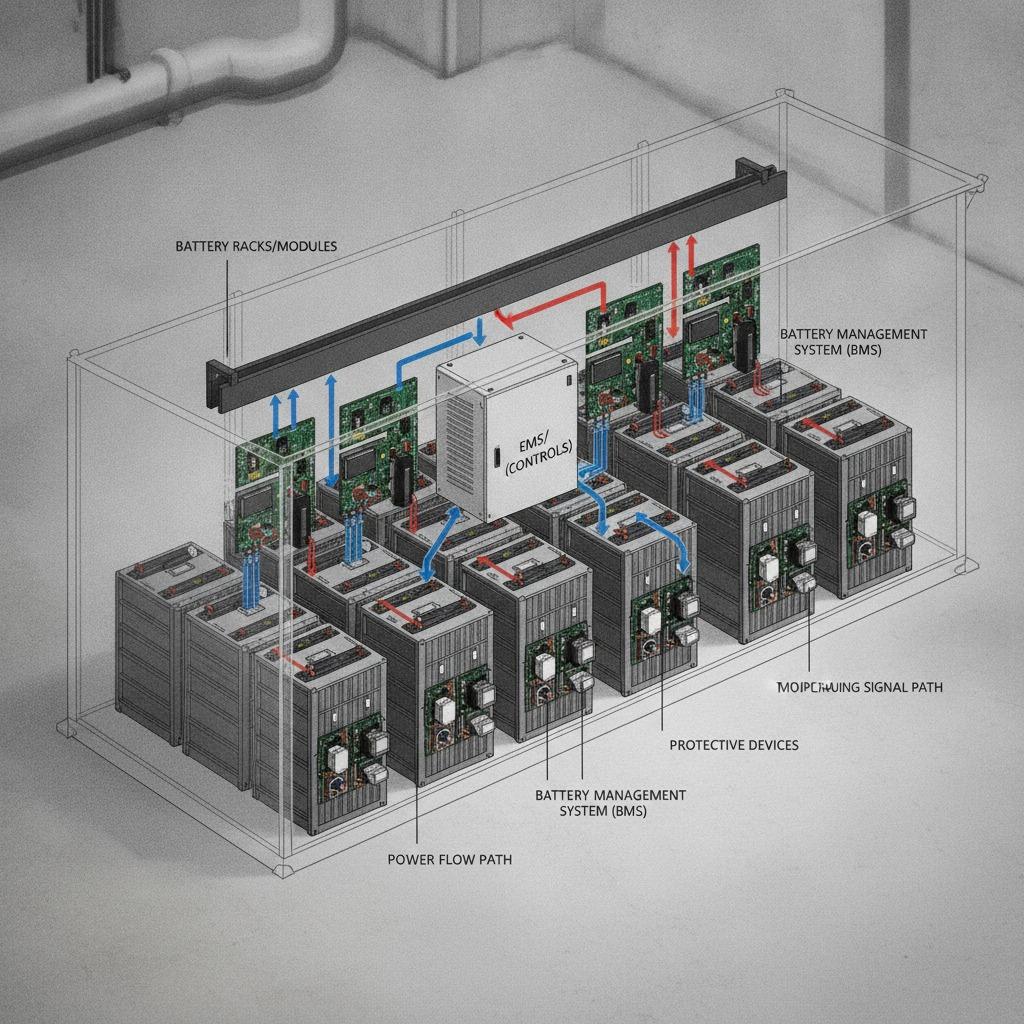
- A charge controller or hybrid controller to manage both inputs
- An LED luminaire designed for low power draw
- A pole, brackets, wiring, and protective hardware
Each part affects the others. A larger solar panel does not help much if the controller is undersized. A wind turbine with poor bearings can become a maintenance burden. A battery that is too small may keep the lamp on for one night, then fail after a bad weather stretch. In practice, the system is only as strong as its weakest design assumption.
Why control logic matters more than buyers expect
The controller is often overlooked because it is not as visible as the panel or turbine, but it decides when to charge, when to protect the battery, and how the lamp behaves at night. In a hybrid setup, the controller has to manage variable inputs without overcharging or draining storage too deeply. For procurement teams, that means asking for the operating logic, protection functions, and service access, not just the headline wattage.
Where hybrid street lights make sense
Not every site needs wind plus solar. The best candidates tend to share one or more of these traits: limited grid access, high trenching cost, unreliable utility supply, strong daytime sun with useful wind at least part of the year, or a need for distributed lighting that can be installed in phases.
Common applications include:
- Rural roads and village streets
- Highway shoulders and rest areas
- Parking lots with difficult utility access
- Security lighting around industrial sites
- Coastal or open-terrain projects with steady airflow
- Parks, trails, and public spaces where digging is restricted
A cautious note: if the site has weak wind and plenty of sun, a solar-only system may be simpler and cheaper to maintain. Hybrid should solve a real energy gap, not just sound more advanced.
Key selection criteria for buyers
Selecting Wind-Solar Hybrid Street Lights is less about comparing catalog photos and more about matching the equipment to the site. The decision usually comes down to five technical questions.
1. What is the local resource profile?
Look at seasonal solar availability and wind consistency, not a single good month. A location that is sunny but still windy at night can benefit from the combination. A sheltered site with gusty but inconsistent wind may not.
2. What is the lighting requirement?
Lighting level, pole spacing, operating hours, and dimming strategy all affect system sizing. If the project calls for all-night full output, the storage and generation package has to be built for that duty cycle. Over-specifying the lamp while under-specifying the power system is a common sourcing mistake.
3. What maintenance access exists?
This point gets ignored until the first repair. Batteries age, turbine parts wear, and wiring loosens. If the pole is installed in a hard-to-reach corridor, serviceability becomes a design feature, not an afterthought.
4. What environmental stress will the unit face?
Salt air, dust, high heat, high humidity, and strong winds all affect reliability. Corrosion-resistant hardware, sealed enclosures, and sensible mounting details matter more than glossy claims.
5. Is the design balanced or just overbuilt?
A system can be overbuilt in one place and fragile in another. For example, a large turbine mounted on a weak pole or a battery housed without adequate protection is a poor trade. Buyers should ask for the full configuration, not isolated component specs.
Material and component trade-offs
In outdoor lighting, the materials story is usually practical rather than glamorous. The pole, mounting brackets, fasteners, housing, and cable protection all have to withstand years of weathering. Aluminum is often used where weight and corrosion resistance matter. Steel is common where structural strength is the priority, provided coatings and fabrication quality are suitable. Battery chemistry may vary by project, but regardless of type, thermal behavior and replacement strategy deserve attention.
The turbine side also deserves scrutiny. Small wind turbines can look similar from a distance, yet bearing quality, blade profile, startup performance, and noise behavior can differ significantly. For street lighting, low-speed performance and durability usually matter more than peak output claims measured in ideal wind conditions.
Common mistakes in procurement
Some purchasing errors repeat across the industry.
One is assuming the published generation numbers will occur on-site year-round. Another is comparing only lamp wattage without checking storage autonomy. A third is ignoring the mounting environment. Strong wind sites can be a gift or a headache depending on the structural design. There is also the tendency to buy on the basis of one strong feature, such as a bigger panel or a more visible turbine, while missing the overall system balance.
A buyer-facing warning is worth stating plainly: do not accept a system description that hides the battery, controller, and protection details behind the light fixture spec. Outdoor lighting failures often come from the power package, not the LED itself.
What good suppliers should be able to explain
Before placing an order, ask the supplier to explain how the system handles low-wind periods, cloudy stretches, battery protection, and nighttime dimming. They should also be able to describe installation requirements, expected service intervals, and the logic behind component sizing. If the answers are vague, the design is probably vague too.
It is also reasonable to ask for site assumptions. A credible supplier will not promise universal performance. They will usually frame the proposal around wind conditions, solar input, operating hours, and the intended lighting duty. That kind of modesty is a good sign in this category.
FAQ: practical questions buyers ask
Are hybrid lights always better than solar-only lights?
No. They are better when wind adds meaningful energy on the actual site. If wind is weak or turbulent, the added hardware may not justify the complexity.
Do they need grid backup?
Not necessarily. Many are designed for off-grid use. But backup strategy depends on the project’s reliability target and the local climate.
What usually fails first?
Batteries, control electronics, connectors, and turbine wear parts are common watchpoints. This is why serviceability matters during selection.
Can they be used in urban streets?
Sometimes, but urban turbulence and shading can undermine the wind side. In dense built environments, the case for hybrid should be examined carefully.
Choosing the right system for the job
For engineering and sourcing teams, the decision is not whether Wind-Solar Hybrid Street Lights are technically interesting. They are. The real decision is whether the local conditions justify hybrid generation and whether the supplier can prove the system is balanced for the site. The best projects usually start with a resource review, a clear lighting target, and a realistic view of maintenance access. From there, the technology can do what it is supposed to do: reduce dependence on the grid and keep the lights on when the weather is less cooperative than the brochure.
If you are evaluating a project, start by mapping the site’s sun, wind, and service constraints before you compare product names. That order saves time, and more importantly, it saves you from buying the wrong kind of “off-grid” solution.