
Understanding Thermochemical Energy Storage
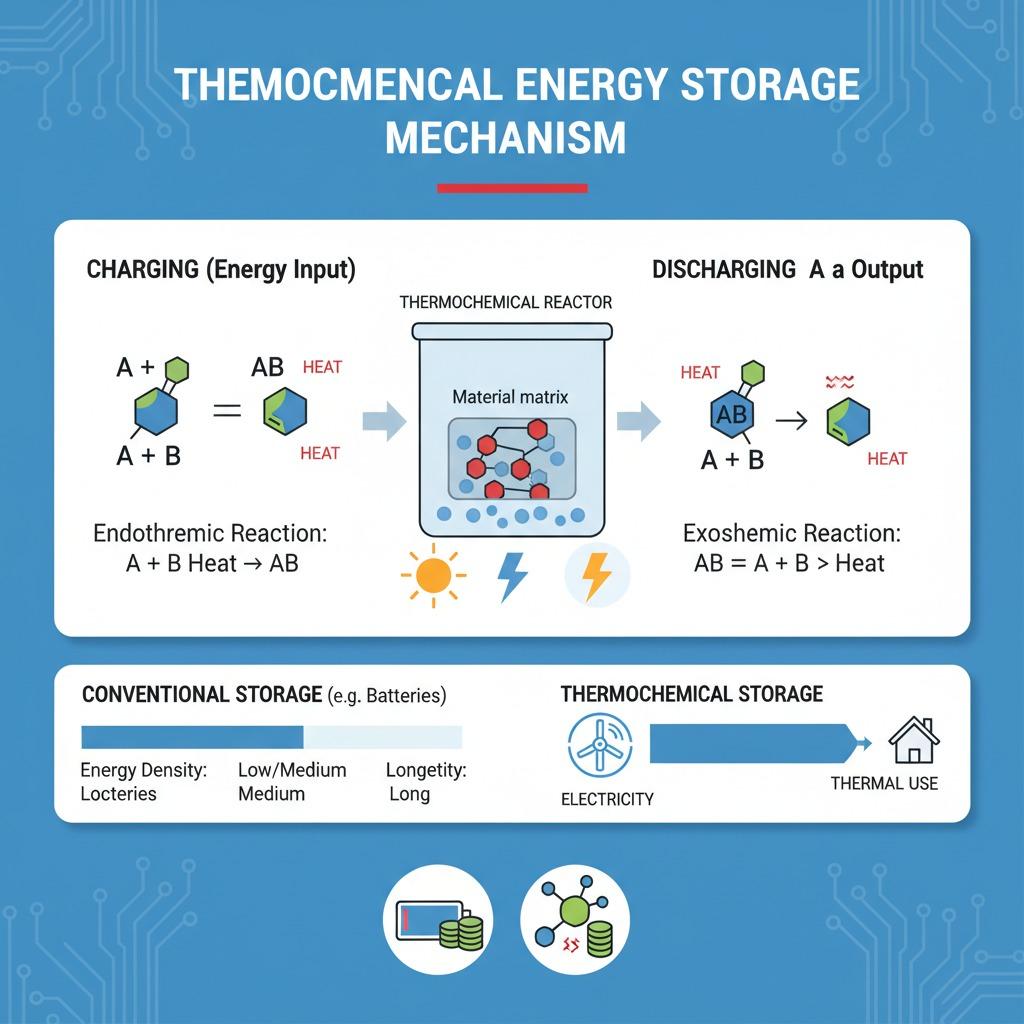
Thermochemical energy storage represents a cutting-edge approach in the realm of sustainable energy technologies. Unlike traditional methods that rely on physical states like melting or vaporization, thermochemical energy storage harnesses chemical reactions to capture and release heat. This process involves reversible reactions where energy is stored in the bonds of molecules and can be retrieved with high efficiency. As global demand for renewable energy integration grows, thermochemical energy storage emerges as a promising solution for long-term, high-density energy preservation. Researchers and engineers are increasingly focusing on this technology to address intermittency issues in solar and wind power.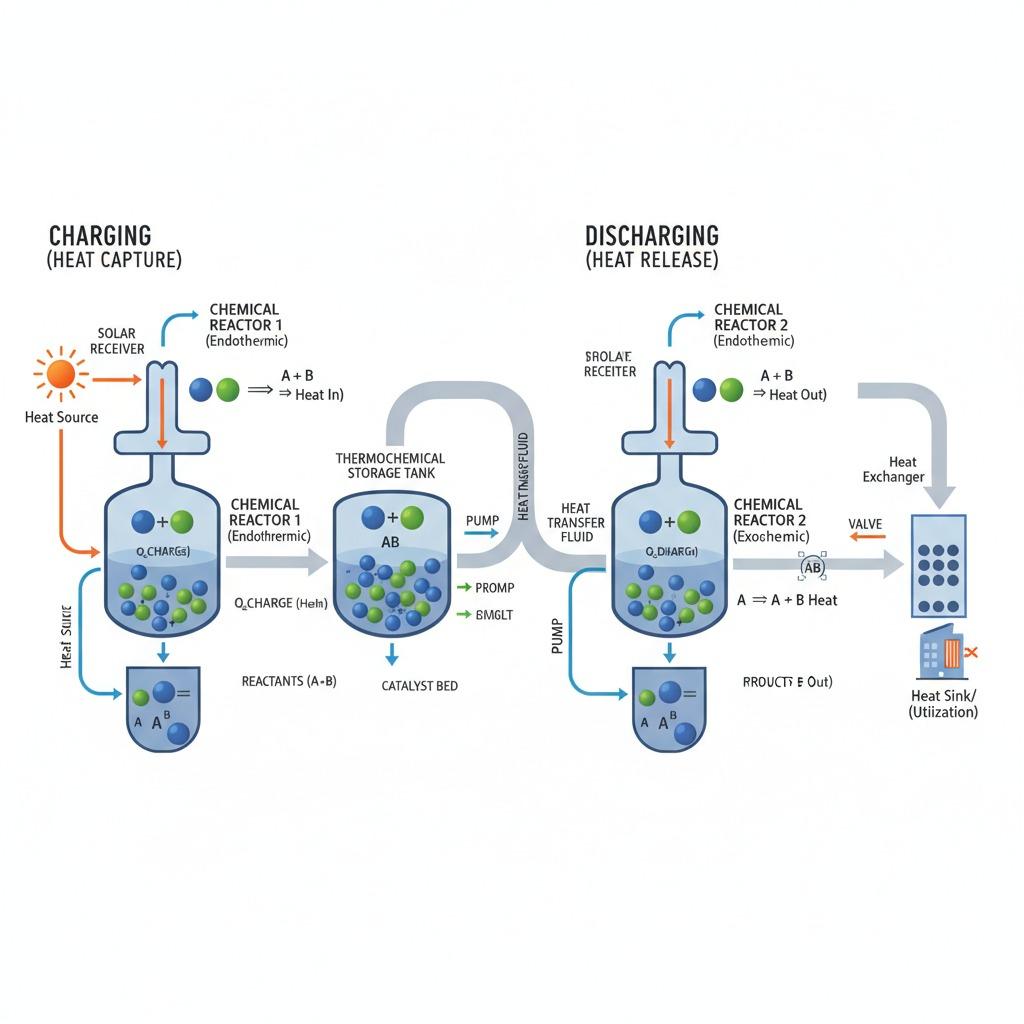
The Fundamentals of Thermal Energy Storage Systems
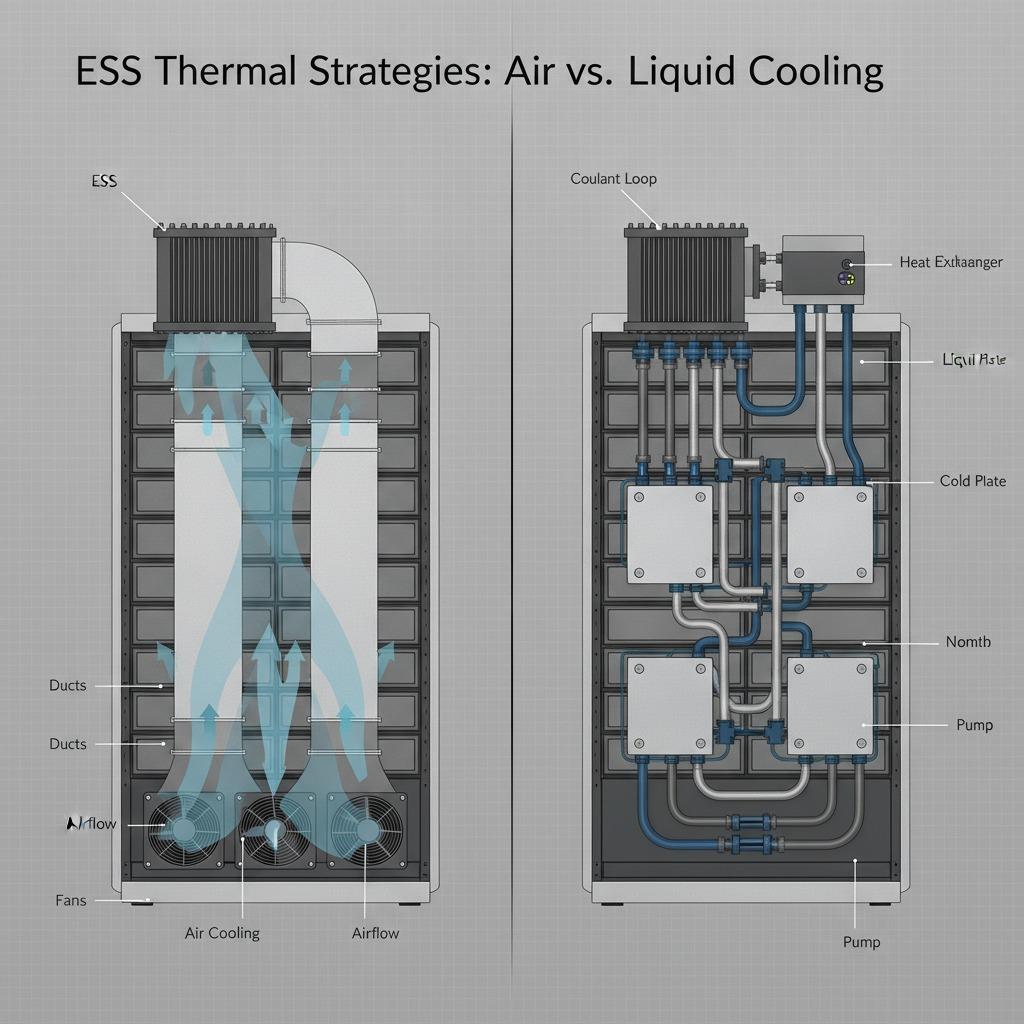
Thermal energy storage systems form the backbone of many modern energy infrastructures, providing a means to balance supply and demand. These systems encompass various technologies, including sensible heat storage in materials like water or rocks, latent heat storage using phase-change materials, and the more advanced thermochemical methods. Thermochemical energy storage stands out due to its ability to store energy at the molecular level, offering densities far superior to other forms—up to ten times higher than sensible storage. This makes it ideal for applications where space is limited, such as in urban buildings or remote power grids. By facilitating the storage of excess renewable energy during peak production, thermal energy storage systems help reduce reliance on fossil fuels and stabilize electricity prices.
Advantages of Thermochemical Energy Storage Over Conventional Methods
One of the primary benefits of thermochemical energy storage is its long-term stability. Unlike batteries that degrade over time or sensible storage that suffers from heat losses, thermochemical systems can hold energy for months or even seasons without significant dissipation. This seasonal storage capability is crucial for regions with variable climates, where summer solar excess can be saved for winter heating needs. Moreover, the process is environmentally friendly, producing no emissions during operation and utilizing abundant, low-cost materials like salt hydrates or metal oxides. Compared to other energy storage solutions, thermochemical variants offer scalability—from small residential units to large industrial setups—making them versatile for diverse applications. Efficiency rates often exceed 90%, minimizing energy waste and enhancing overall system performance.
Integration with Renewable Energy Sources
Integrating thermochemical energy storage with renewables like concentrated solar power (CSP) plants revolutionizes energy reliability. In CSP facilities, mirrors focus sunlight to generate heat, which can then be stored thermochemically for dispatchable power generation even after sunset. This synergy addresses the key challenge of renewables: their unpredictability. For instance, a thermochemical system using ammonia dissociation can store heat at temperatures above 500°C, suitable for electricity production via turbines. Energy storage solutions that incorporate these technologies are gaining traction in policy frameworks worldwide, with incentives promoting their adoption to meet carbon reduction targets. As material science advances, costs are dropping, making such integrations more feasible for widespread deployment.
Challenges and Innovations in the Field
Despite its potential, thermochemical energy storage faces hurdles such as the complexity of reaction kinetics and the need for specialized reactors to manage charging and discharging cycles. Current research is tackling these through innovations like nanostructured materials that accelerate reactions and improve heat transfer. Projects funded by international bodies, such as the European Union's Horizon programs, are developing pilot-scale systems to demonstrate viability. For example, sorption-based thermochemical storage using zeolites or silica gels is being optimized for open-cycle applications in ventilation systems, providing both dehumidification and energy recovery. Overcoming these challenges will unlock thermochemical energy storage's full potential, positioning it as a cornerstone of future energy grids.
Applications in Industry and Daily Life
Beyond power generation, thermochemical energy storage finds applications in industrial processes requiring consistent high temperatures, such as cement production or chemical manufacturing. In residential settings, compact units can store solar thermal energy for space heating, reducing household energy bills by up to 40%. Energy storage solutions leveraging this technology are also being explored for electric vehicle charging stations, where stored heat powers rapid chargers during off-peak hours. As adoption grows, we can expect hybrid systems combining thermochemical with electrochemical storage for comprehensive energy management. These developments not only enhance energy security but also contribute to a greener planet by maximizing the use of clean sources.
Future Outlook for Energy Storage Solutions
Looking ahead, the evolution of thermochemical energy storage will be driven by interdisciplinary collaboration between chemists, engineers, and policymakers. Advances in computational modeling are enabling the design of more efficient reactors, while global supply chains for raw materials ensure economic sustainability. As nations strive for net-zero emissions, investments in thermal energy storage systems, particularly thermochemical ones, are projected to surge. By 2050, experts predict these technologies could account for a significant portion of global energy storage capacity, facilitating a seamless transition to renewables. Embracing thermochemical energy storage today paves the way for a resilient, sustainable energy landscape tomorrow.