
Introduction to Flywheel Energy Storage
Flywheel energy storage represents a cutting-edge approach in the realm of sustainable power solutions. Unlike traditional batteries, flywheel energy storage uses the principles of physics to store kinetic energy in a rapidly spinning rotor. This technology is gaining traction for its ability to deliver high power output quickly and reliably. As the world shifts towards renewable energy sources, understanding flywheel energy storage becomes essential for industries and consumers alike seeking efficient energy management.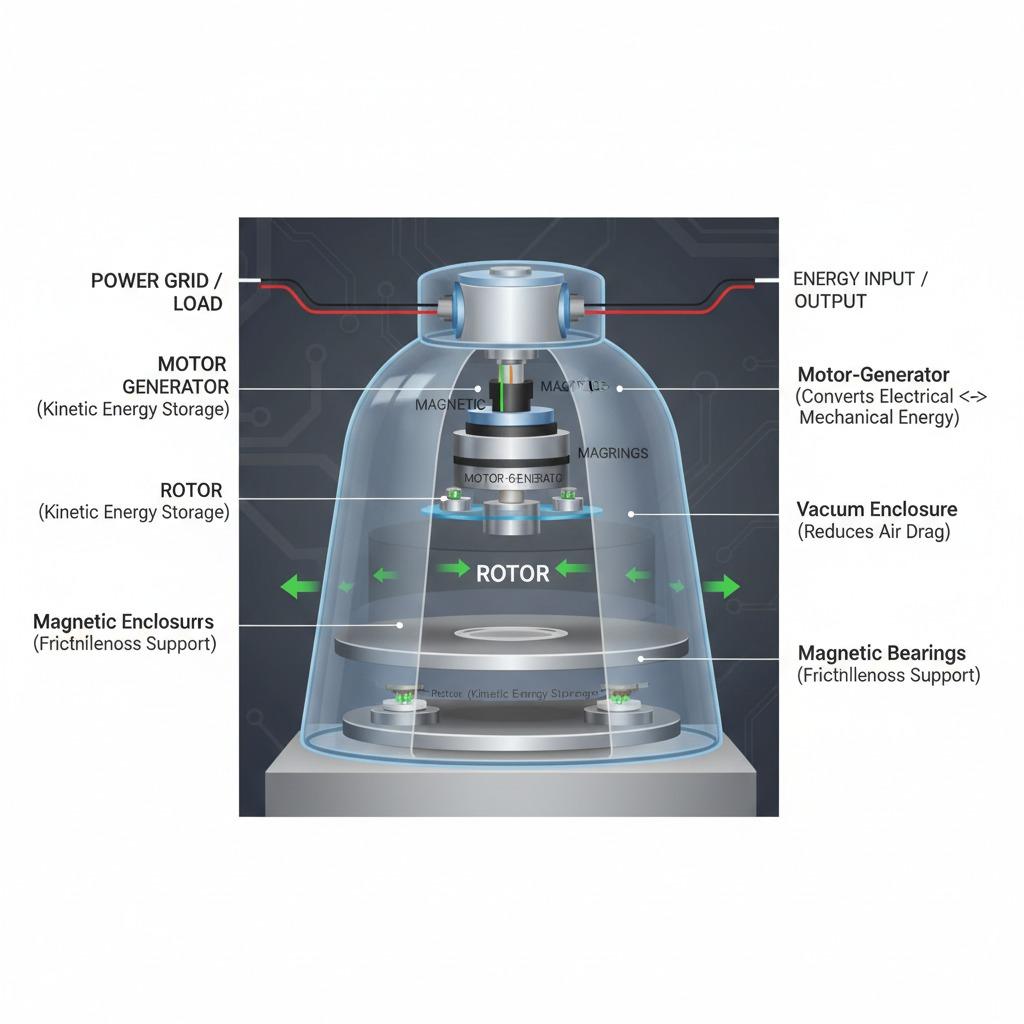
How Flywheel Technology Works
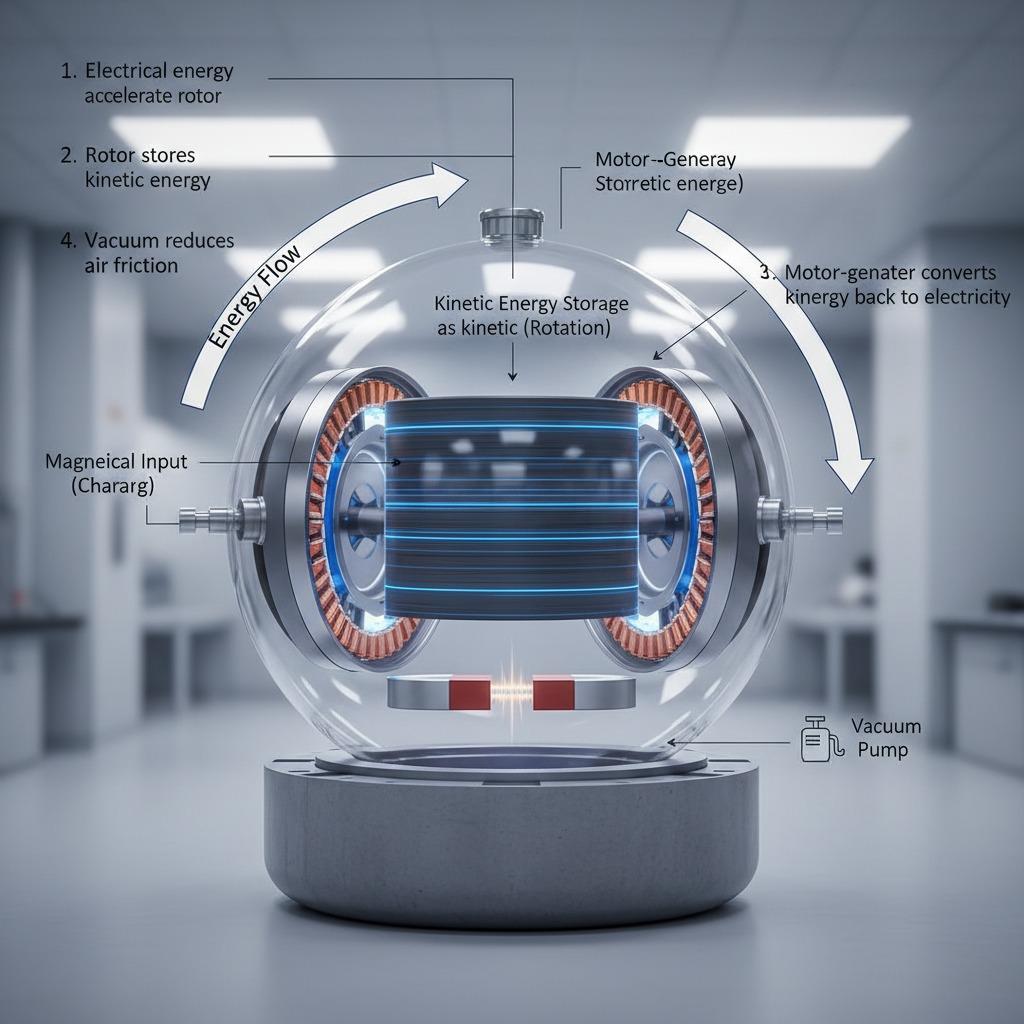
At the heart of flywheel technology is a rotor, typically made from high-strength composite materials, that spins at extremely high speeds within a vacuum enclosure. This setup minimizes friction and air resistance, allowing the flywheel to maintain its rotational energy for extended periods. When energy is needed, the rotor's kinetic energy is converted back into electrical energy through a connected motor-generator. Flywheel technology excels in applications requiring rapid discharge, such as stabilizing power grids or providing uninterruptible power supplies. Compared to chemical-based systems, this mechanical method offers longer operational lifespans, often exceeding 20 years with minimal degradation.
One key advantage of flywheel energy storage is its high efficiency, often reaching up to 95% round-trip efficiency. This means less energy is lost during the storage and retrieval process, making it superior for frequent cycling. In energy storage systems, integrating flywheel technology can smooth out fluctuations from intermittent sources like solar and wind, ensuring a steady power flow. Engineers design these systems with advanced magnetic bearings to levitate the rotor, further reducing wear and energy loss.
Benefits of Flywheel Energy Storage Systems
Energy storage systems powered by flywheel technology provide numerous benefits that make them ideal for modern applications. First, they offer instantaneous response times, discharging power in milliseconds, which is crucial for protecting sensitive electronics during outages. This rapid response is a game-changer in data centers and telecommunications, where even brief interruptions can cause significant losses.
Moreover, flywheel energy storage systems are environmentally friendly, containing no hazardous materials like heavy metals found in some batteries. They support the green energy transition by enabling better utilization of renewables without the environmental footprint of mining rare earth elements. Scalability is another strength; these systems can be modular, allowing users to add units as needs grow. In terms of maintenance, flywheel technology requires far less upkeep than chemical batteries, which degrade over time and need regular replacement.
The reliability of energy storage systems using flywheels is unmatched in high-cycle scenarios. They can handle millions of charge-discharge cycles without capacity loss, making them cost-effective over the long term. For instance, in urban microgrids, flywheel energy storage helps balance peak demands, reducing reliance on fossil fuel peaker plants and lowering carbon emissions.
Applications Across Industries
Flywheel technology finds diverse applications in various sectors. In the transportation industry, it's used for regenerative braking in electric vehicles and trains, capturing energy that would otherwise be wasted as heat. This not only extends range but also improves overall efficiency. Power utilities deploy energy storage systems with flywheels to enhance grid stability, particularly in regions with high renewable penetration.
In renewable energy farms, flywheel energy storage smooths output variability, allowing operators to sell power at optimal times. Military and aerospace sectors value this technology for its robustness in extreme conditions, powering remote bases or satellites. Even in healthcare, hospitals use flywheel-based uninterruptible power supplies to ensure life-support systems remain operational during blackouts.
The integration of flywheel technology into smart grids is revolutionizing energy distribution. By storing excess energy during low-demand periods and releasing it during peaks, these systems optimize resource use and reduce costs. As infrastructure upgrades continue, flywheel energy storage will play a pivotal role in achieving energy independence.
Challenges and Future Developments
Despite its advantages, flywheel energy storage faces challenges like high initial costs due to advanced materials and precision engineering. Safety concerns, such as potential rotor failure, are mitigated through robust containment designs, but they remain a consideration. Energy density is lower compared to lithium-ion batteries, limiting its use in space-constrained applications.
However, ongoing research in flywheel technology promises to address these issues. Innovations in carbon fiber composites and vacuum systems are increasing energy density and reducing costs. Hybrid systems combining flywheels with other energy storage systems are emerging, offering the best of multiple worlds. As manufacturing scales up, flywheel energy storage systems will become more accessible, driving widespread adoption.
Looking ahead, advancements in control software will enhance the intelligence of these systems, enabling predictive energy management through AI integration. This evolution will solidify flywheel technology's position in the global push for sustainable energy solutions.
Conclusion
Flywheel energy storage stands out as a reliable, efficient, and eco-friendly option in the landscape of energy storage systems. Its unique ability to provide rapid, high-power responses makes it indispensable for the future of energy infrastructure. As technology advances, we can expect broader implementation, contributing to a more resilient and sustainable power grid. Embracing flywheel technology today paves the way for tomorrow's energy needs.