
Understanding Battery Energy Storage Rental
Battery energy storage rental has emerged as a game-changer in the world of sustainable energy management. This innovative approach allows businesses and individuals to access high-quality battery systems without the hefty upfront costs associated with purchasing. By opting for battery energy storage rental, users can integrate reliable power backup and storage capabilities into their operations seamlessly. Whether you're dealing with fluctuating energy demands or preparing for outages, this rental model provides flexibility and efficiency.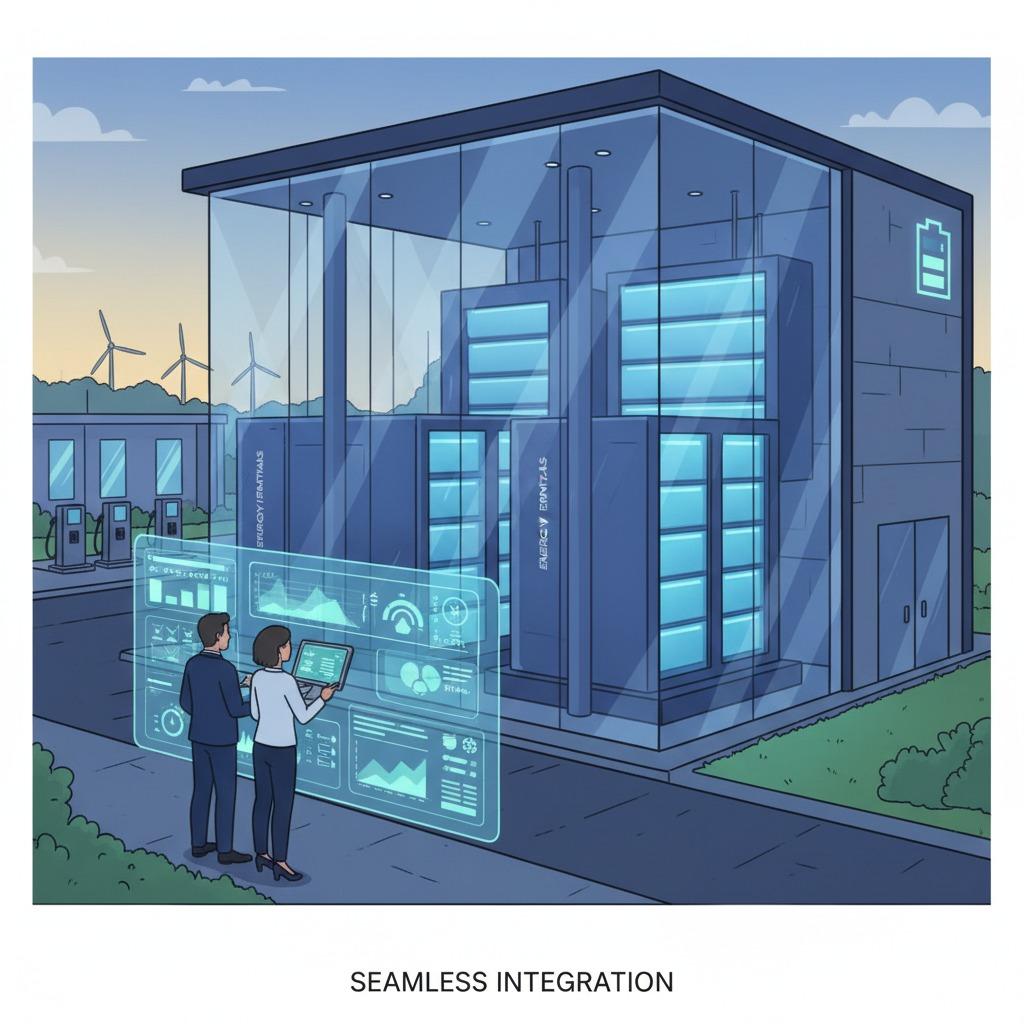
Benefits of Energy Storage System Rental Services
Energy storage system rental services offer a multitude of advantages that make them ideal for modern applications. First and foremost, they provide cost savings by eliminating the need for large capital investments. Companies can scale their energy solutions up or down based on project needs, ensuring optimal resource allocation. Additionally, these services often include maintenance and technical support, reducing downtime and operational headaches. For industries like construction, events, or remote operations, energy storage system rental services ensure uninterrupted power supply, enhancing productivity and safety.
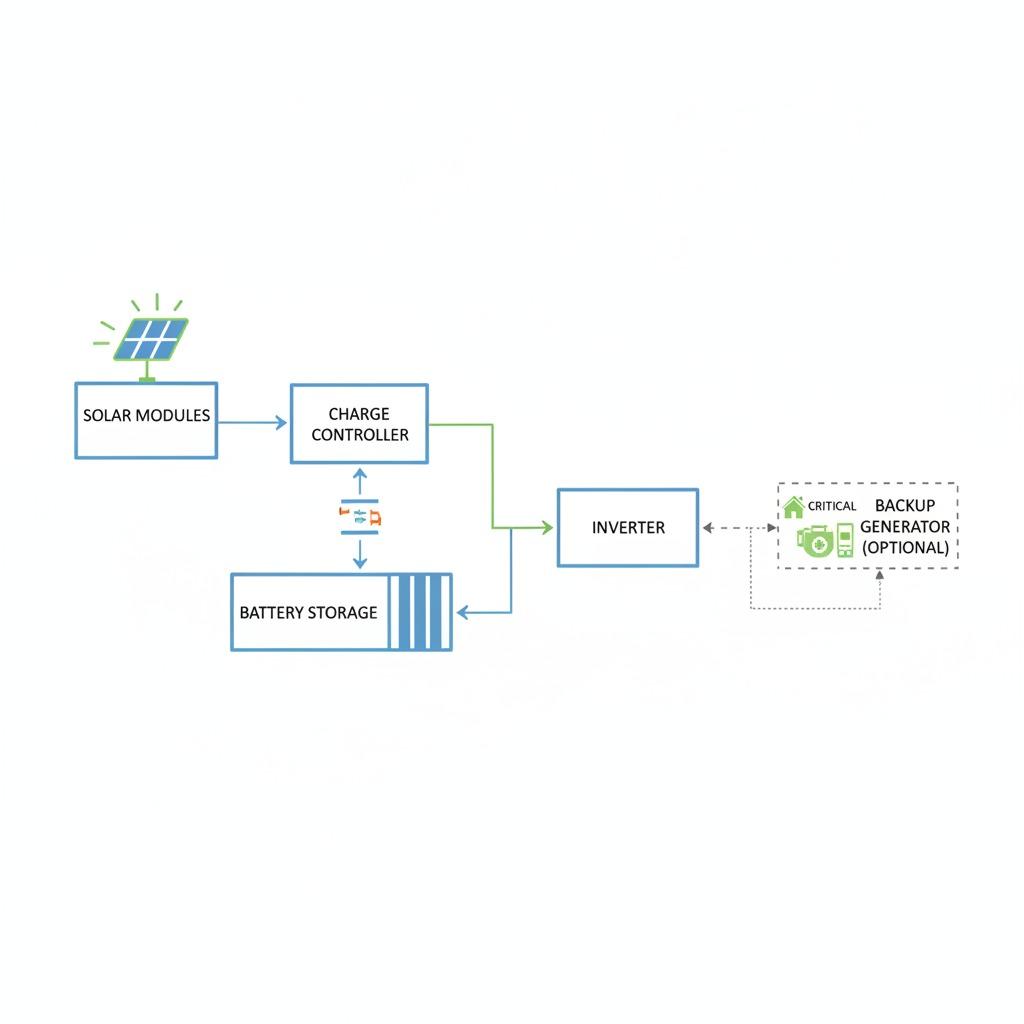
Moreover, with the growing emphasis on renewable energy, these rental services help bridge the gap between intermittent sources like solar and wind and consistent power needs. Businesses can deploy advanced lithium-ion or other cutting-edge battery technologies temporarily, testing their efficacy before committing long-term. This adaptability is crucial in a rapidly evolving energy landscape, where regulations and technologies shift frequently.
Exploring Temporary Battery Storage Solutions
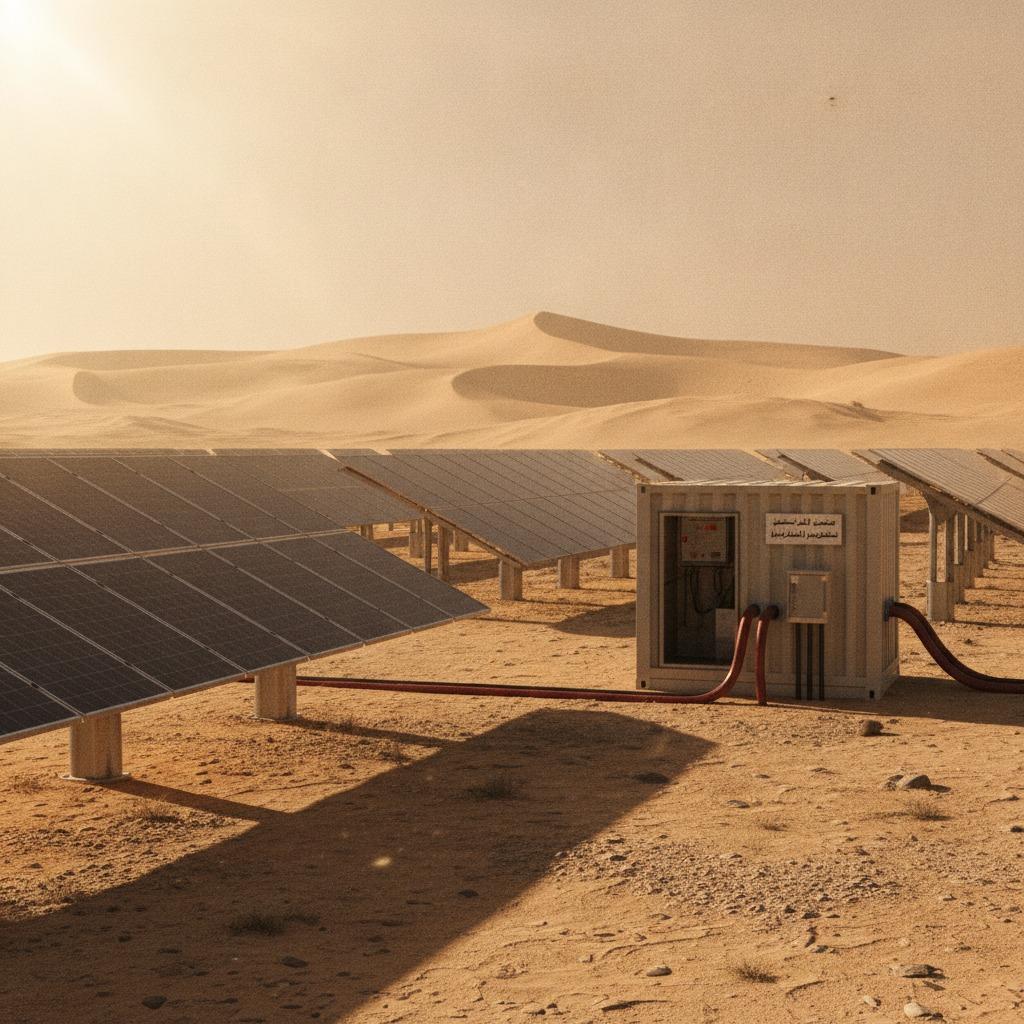
Temporary battery storage solutions are perfect for scenarios requiring short-term power reliability. Imagine powering a remote construction site or ensuring energy availability during a music festival— these solutions deliver just that. Unlike permanent installations, temporary battery storage solutions are portable, quick to set up, and easily relocatable. They support a variety of applications, from emergency backups to peak shaving in commercial settings, helping to avoid high utility costs during demand spikes.
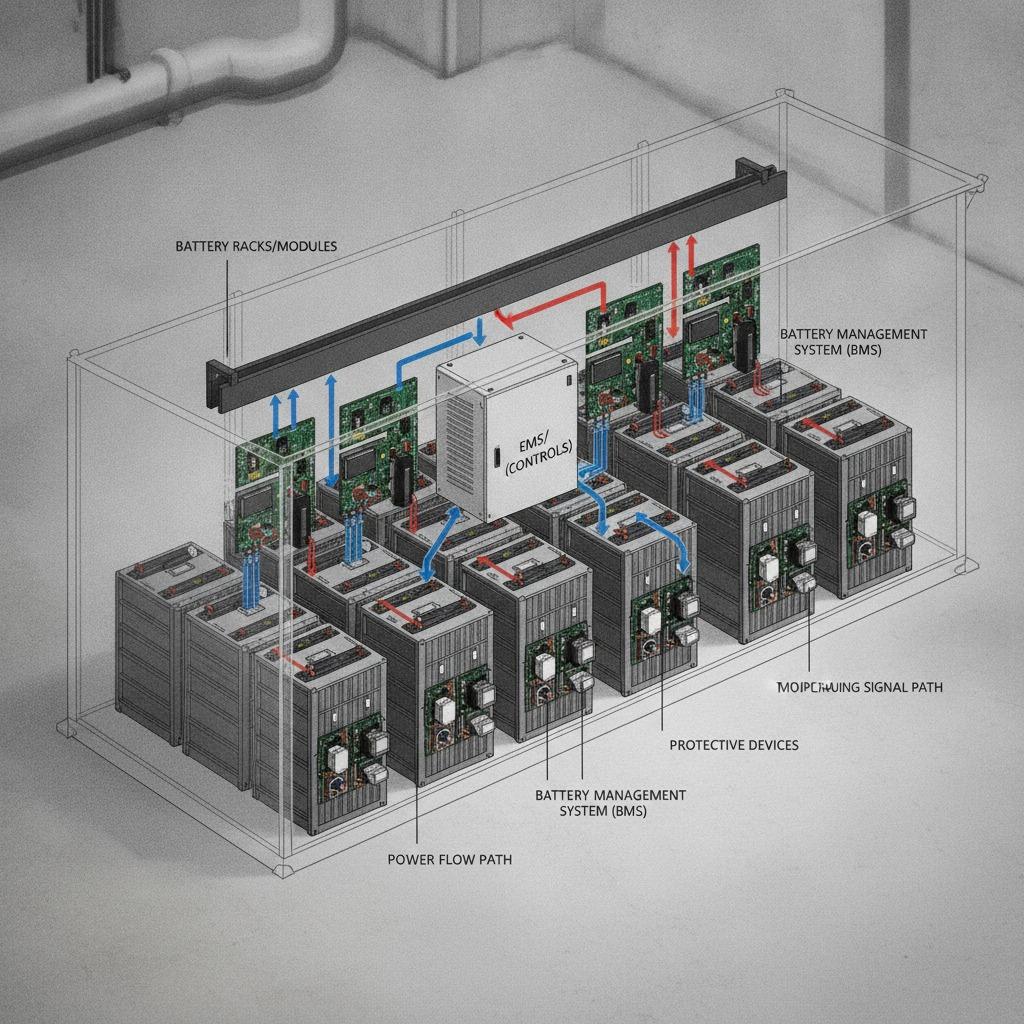
One key feature of temporary battery storage solutions is their modularity. Users can combine multiple units to meet specific capacity requirements, whether it's a few kilowatts for small-scale events or megawatts for industrial projects. Safety is another priority; these systems are designed with robust enclosures and advanced monitoring to prevent hazards like overheating or electrical faults. By choosing temporary options, organizations minimize environmental impact while maximizing operational resilience.
Furthermore, the integration of smart software in these solutions allows for real-time monitoring and optimization. Users can track energy usage, predict consumption patterns, and even integrate with renewable sources for a hybrid setup. This level of control makes temporary battery storage solutions not just a stopgap but a strategic tool for energy management.
Battery Storage Lease Options for Long-Term Flexibility
Battery storage lease options provide a middle ground between short-term rentals and outright purchases, offering extended access to energy storage technology. These leases typically span months to years, allowing businesses to lock in favorable rates while benefiting from ongoing upgrades and support. For enterprises looking to decarbonize their operations, battery storage lease options facilitate the adoption of green energy without financial strain.
Leasing also opens doors to tax incentives and rebates that might not be available with rentals. Providers often customize lease agreements to fit specific needs, such as integrating with existing grid infrastructure or scaling for future growth. This customization ensures that the system aligns perfectly with operational goals, whether it's reducing carbon footprints or enhancing energy independence.
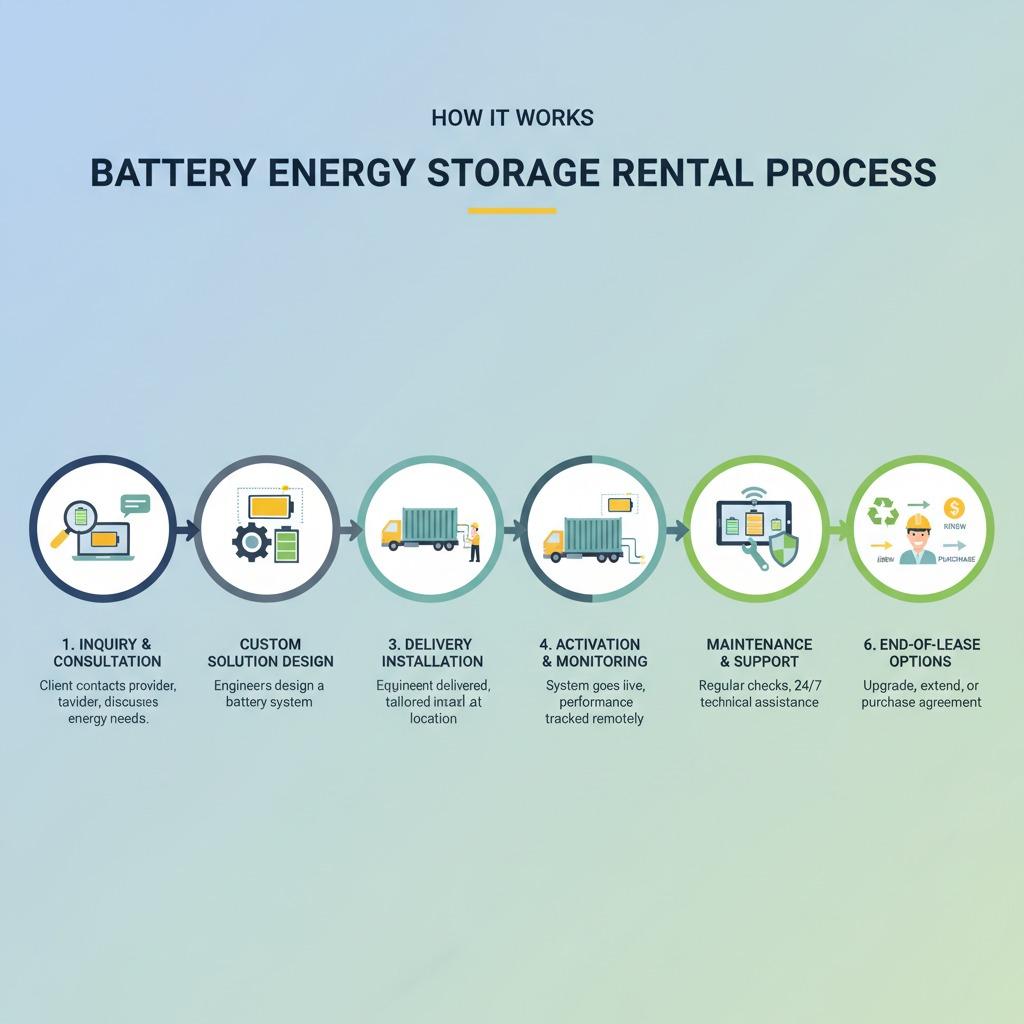
In addition, battery storage lease options come with end-of-lease flexibility. At the term's end, users can return the equipment, upgrade to newer models, or purchase at a reduced rate. This lifecycle approach promotes sustainability by encouraging the reuse and recycling of battery components, aligning with global efforts to build a circular economy.
Applications and Case Studies in Battery Energy Storage Rental
Across various sectors, battery energy storage rental is proving its worth through real-world applications. In the telecommunications industry, temporary setups ensure network reliability during natural disasters, preventing communication blackouts. Construction firms use these rentals to power tools and lighting on off-grid sites, completing projects faster and more efficiently.
A notable case study involves a large-scale event organizer who utilized energy storage system rental services for a multi-day outdoor concert. By deploying modular battery units, they avoided reliance on diesel generators, cutting emissions by 70% and saving thousands in fuel costs. Similarly, a manufacturing plant adopted temporary battery storage solutions during a grid upgrade, maintaining production without interruptions and avoiding potential revenue losses.
For agricultural operations, battery storage lease options have enabled the integration of solar-powered irrigation systems. Farmers can store excess daytime energy for nighttime use, optimizing water usage and reducing electricity bills. These examples illustrate how versatile battery energy storage rental can be, adapting to diverse needs while driving efficiency and sustainability.
The Future of Energy Storage Rentals
Looking ahead, the market for battery energy storage rental is poised for exponential growth, fueled by advancements in battery technology and increasing demand for clean energy. Innovations like solid-state batteries promise even higher efficiency and longer lifespans, making rentals more attractive. Governments worldwide are incentivizing such solutions through policies that promote energy security and reduced fossil fuel dependence.
As providers expand their fleets with eco-friendly options, users can expect lower costs and greener footprints. Energy storage system rental services will likely incorporate AI-driven predictive analytics, further optimizing performance. Temporary battery storage solutions may evolve to include vehicle-to-grid capabilities, turning electric fleets into mobile power banks.
Battery storage lease options will also benefit from standardized contracts and global supply chains, making them accessible to small businesses and startups. Ultimately, battery energy storage rental empowers a transition to a resilient, renewable-powered future, where energy is not just consumed but intelligently managed.
In summary, whether through short-term deployments or longer leases, these solutions offer unparalleled flexibility. By embracing battery energy storage rental, organizations can navigate energy challenges with confidence, contributing to a sustainable tomorrow.