

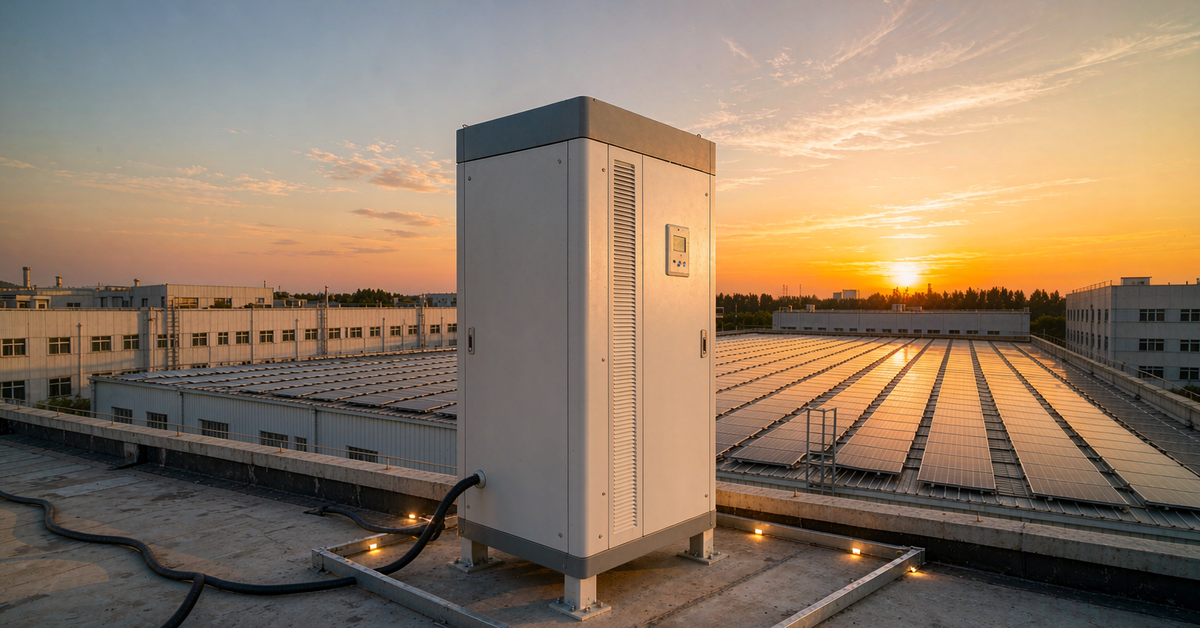
Quick answer: Fire safety in commercial battery storage is a layered system, not a single certificate. The layers are: an intrinsically stable cell chemistry (LFP), cell- and pack-level detection, suppression at pack and system level, physical separation and fire-rated materials, explosion prevention through venting, and correct siting with fire-separation distances. The BR-261 uses aerosol suppression at both pack and system level, an explosion-proof cabinet, 50 mm fire-resistant rock wool and at least one hour of fire resistance; the 5.01 MWh container adds smoke, temperature and combustible-gas detection with deflagration venting and water sprinkler.
Start with chemistry, then add engineering
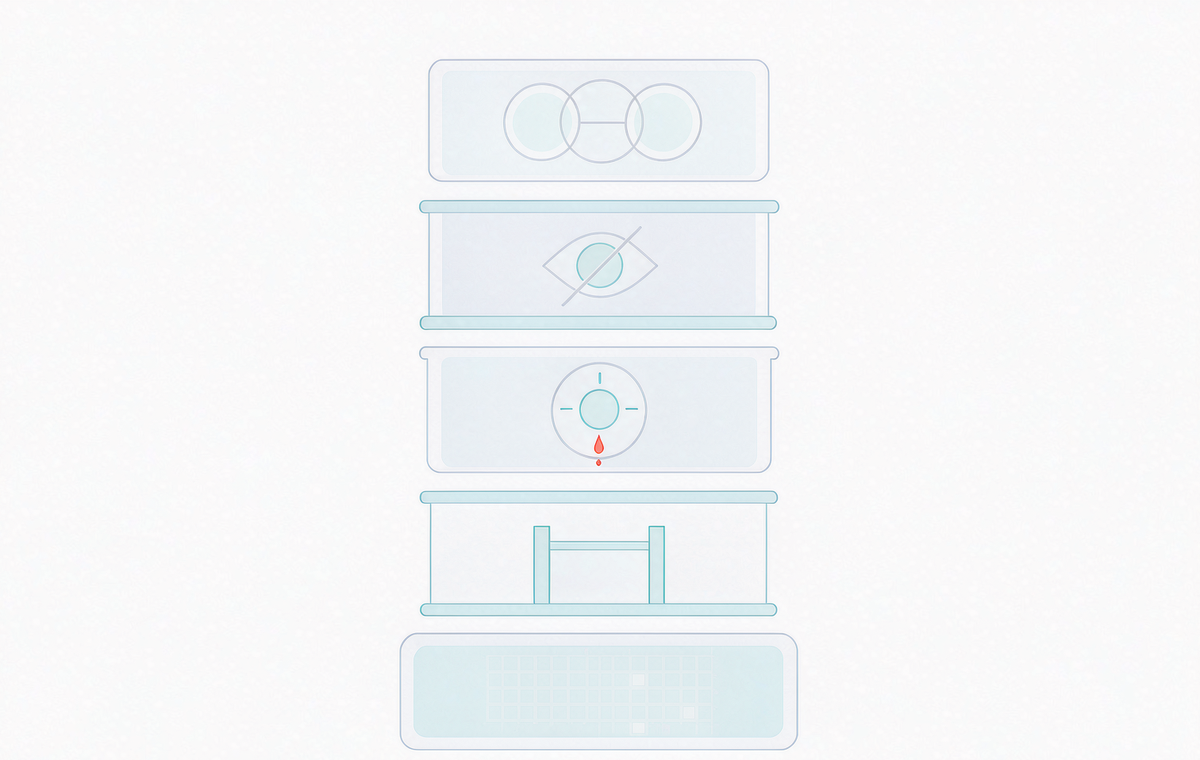
Lithium iron phosphate (LFP) is intrinsically more thermally stable than chemistries with higher energy density, which is why it dominates stationary storage. But chemistry alone is not a safety strategy. A complete design assumes that, over a ten-year life, something may eventually fail, and builds detection and suppression so a single fault does not become a site-wide event. Buyers should evaluate the full stack, not a marketing claim about chemistry.
The detection layer
Detection is what turns a small anomaly into an early response. A serious design monitors temperature at cell and pack level, smoke or particulates, and — in larger systems — combustible gas. The 5.01 MWh container combines temperature sensors, smoke detection and combustible-gas detection, because a failing LFP cell can vent gas before visible smoke or a clear temperature spike. In a cabinet, the equivalent assurance is pack-level temperature monitoring feeding the battery management system, which can isolate a string before a fault spreads.
The suppression layer
Suppression should act at two levels. Pack-level suppression contains a fault inside the module; system-level suppression protects the whole enclosure. The BR-261 uses aerosol fire suppression at both levels. Aerosol agents are compact and long-lived, which suits an enclosure with limited space, and they do not require the piping and pressure vessels of a gas system. Confirm that both levels are included as standard, not offered as an optional extra.
The containment and venting layer
The physical enclosure is part of the safety system. An explosion-proof cabinet construction, fire-resistant rock wool and at least one hour of fire resistance slow the spread of heat and contain a fault. Venting matters too: a sealed enclosure that allows pressure to build from vented gas is dangerous, so larger systems use deflagration venting to release pressure in a controlled direction. On the 5.01 MWh container, deflagration venting, fire-extinguishing gas and water sprinkler are combined into one containment strategy.
Siting and separation
Even the best-equipped cabinet needs correct siting. Fire-separation distance from buildings, occupied areas and other cabinets is set by local code, and it depends on the enclosure's fire rating and the site layout. Outdoor installation with defined access for emergency services is standard good practice. Ask the supplier for a siting recommendation and confirm it against the authority having jurisdiction — a datasheet cannot approve a location.
A practical fire-safety checklist
- Cell chemistry and its thermal-stability characteristics (LFP).
- Detection at cell, pack and system level — temperature, smoke, gas.
- Suppression at pack level and system level, standard or optional.
- Enclosure fire rating, fire-resistant materials and explosion-proof construction.
- Pressure-relief or deflagration venting design.
- Isolation and shutdown sequence on fault detection.
- Lightning and leakage-current protection on the AC side.
- Siting, separation distances and emergency access.
FAQ
Is LFP storage safe enough without suppression?
LFP is the more stable choice, but "no suppression" is not a design position. Detection and suppression are what keep a single-cell fault from escalating, so both should be specified regardless of chemistry.
What is aerosol suppression and why use it in a cabinet?
Aerosol suppression releases a fine extinguishing agent directly into the enclosure. It is compact and well suited to cabinet volumes where gas pipes and cylinders are impractical, and the BR-261 deploys it at pack and system level.
Do I need fire-separation distance around an outdoor cabinet?
Usually yes, and the exact distance is code-driven based on the enclosure's fire rating and the surrounding structures. Treat the supplier's recommendation as an input to a review by the authority having jurisdiction, not as final approval.
How is a container different from a cabinet for fire safety?
A container holds more cells in one asset, so it carries a richer detection suite — temperature, smoke, combustible gas, deflagration venting, extinguishing gas and water sprinkler — reflecting its scale. Cabinets apply the same layered idea in a smaller volume.
What should a tender require for fire safety?
Itemise detection, suppression and containment as separate mandatory lines, name the levels (cell, pack, system), and require the fire rating and siting data in writing. That makes competing bids comparable on safety rather than on price alone.
Next step
Share your site plan and building layout, and our engineers will confirm a siting and fire-safety approach that meets your local code. Request a fire-safety review from BR Solar.
Continue reading
- IP55 vs IP65 Enclosures for Outdoor C&I Energy Storage
- How to Choose a Liquid-Cooled C&I Battery Cabinet
- Data Center Backup Power with BESS
- 5.01 MWh Container vs 261 kWh Cabinet
Talk to a BR Solar storage engineer about your site safety plan






