
Why a 6000 Cycle Battery Matters in Real Purchasing Decisions
A 6000 cycle battery is not just a spec line for a catalog. For engineers, sourcing managers, and product teams, it is a shorthand for service life, replacement frequency, and the total cost of owning a power system over time. When a battery is expected to cycle thousands of times, the question is not only how much energy it stores on day one, but how steadily it performs after long use, how it behaves under real charge and discharge conditions, and whether the rest of the system is designed to support that life expectancy.
That matters because battery selection often fails at the lifecycle stage rather than at the purchase stage. A lower-priced pack may look attractive until replacement labor, downtime, warranty exposure, and unplanned maintenance start stacking up. In industrial equipment, marine systems, off-grid storage, telecom backup, and mobile power applications, the difference between a short-life battery and a 6000 cycle battery can change the economics of the whole platform.
What “6000 cycles” usually means
Cycle life refers to the number of charge-discharge cycles a battery can complete before its usable capacity falls to a defined threshold, often 80% of original capacity, though manufacturers may define this differently. That last point deserves attention. Two batteries can both claim 6000 cycles and still perform differently in the field if the test conditions are not the same. Depth of discharge, charge rate, temperature, and cutoff voltage all influence the result.
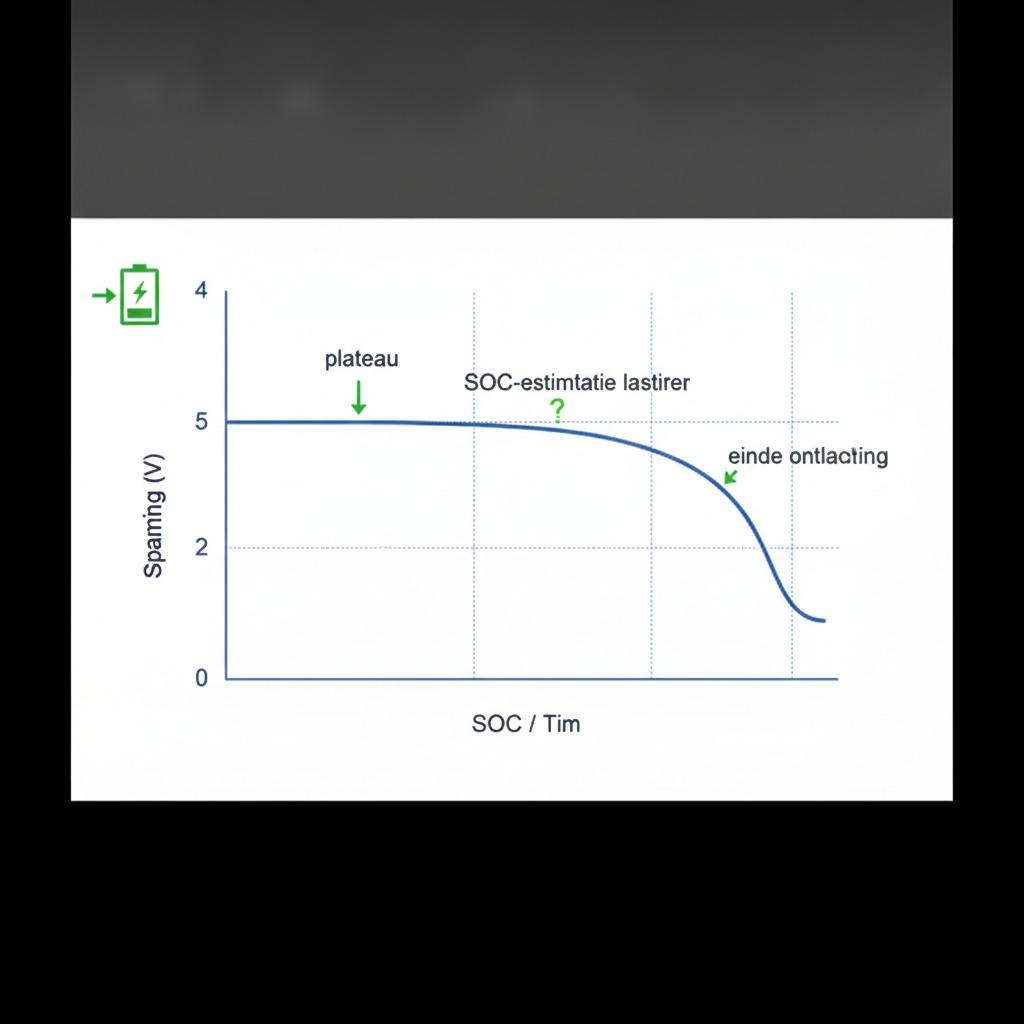
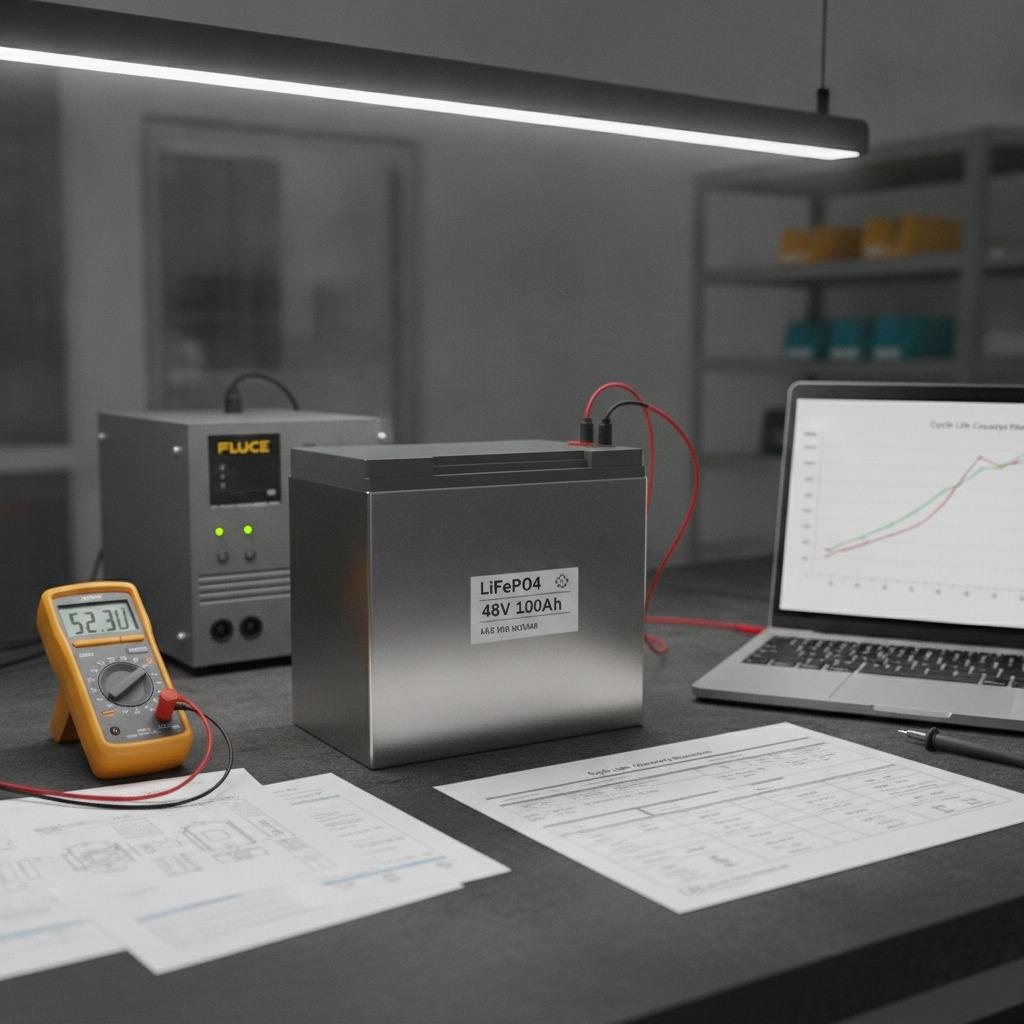
In practice, a 6000 cycle battery is usually positioned for applications where daily cycling or frequent partial cycling is expected. This is where chemistry and design matter. A LiFePO4 battery is commonly associated with long cycle life because lithium iron phosphate chemistry is generally known for good thermal stability, strong cycle performance, and relatively flat discharge behavior. That does not make every LiFePO4 battery identical, of course. Cell quality, battery management, pack architecture, and operating conditions still shape real-world performance.
Why buyers care: lifecycle cost, not just unit price
Many procurement decisions still start with the sticker price. That is understandable, but it can be misleading. For a battery-powered system, the real cost includes installation, service calls, replacement stock, downtime, disposal, and the cost of lost availability. A battery that lasts longer may justify a higher initial price if it reduces intervention over the system’s service life.
This is especially relevant in installations that are hard to access. Remote monitoring stations, rooftop equipment, backup power cabinets, and mobile industrial systems all tend to make maintenance expensive. In those cases, a longer-life battery is not a luxury feature. It is an operational control.
Engineers also care about consistency. A battery that ages predictably is easier to design around than one that drops sharply after a certain number of cycles. Predictable aging supports warranty planning, system sizing, and service scheduling. That is why cycle-life claims should be read as part of a larger reliability picture rather than as a standalone headline.
Key factors that affect cycle life
Depth of discharge
A battery generally lasts longer when it is not regularly drained to very low states of charge. In many chemistries, shallower cycles support longer service life. This is one reason cycle-life figures should always be read with their test depth of discharge. A 6000 cycle battery tested at a modest depth of discharge may not deliver the same count under harsher use.
Temperature
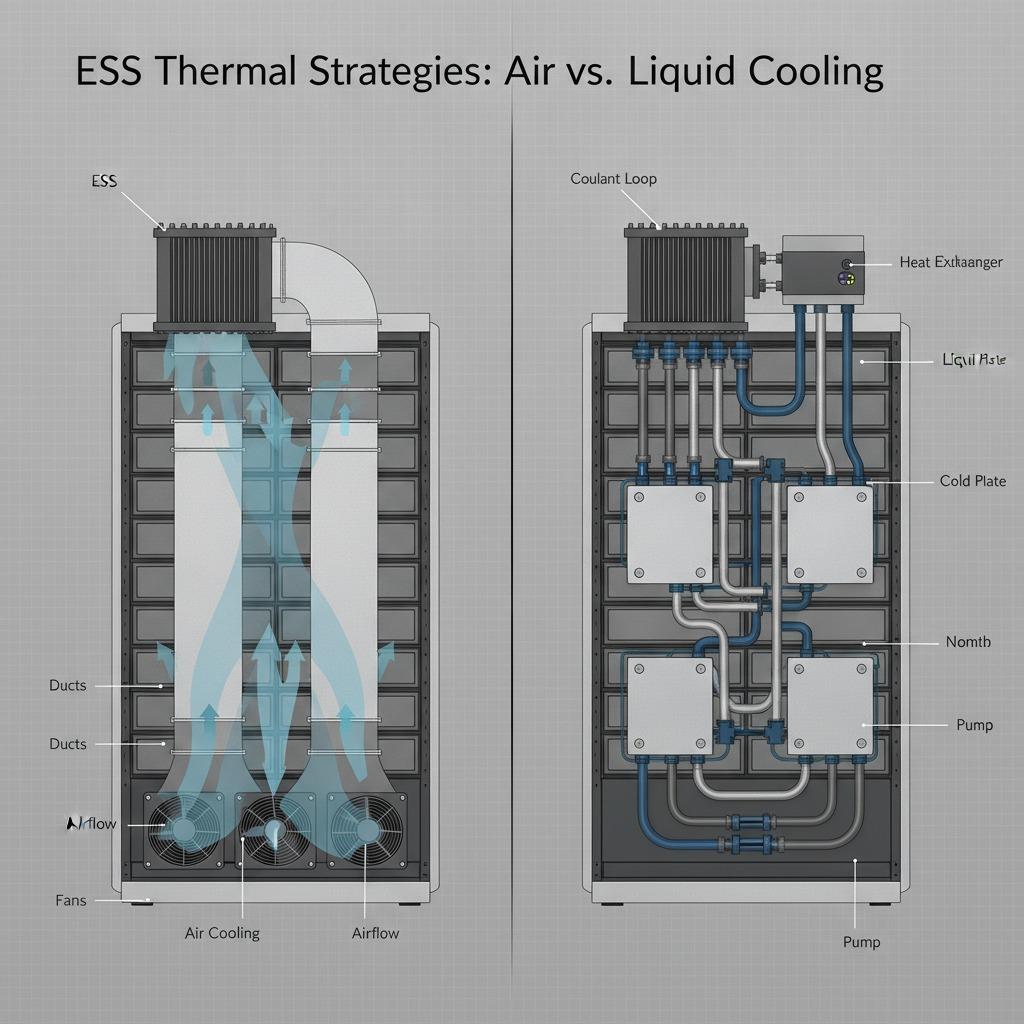
Heat shortens battery life. Cold can reduce usable capacity and affect charging behavior. For product teams, this means the battery may be technically capable on paper but poorly matched to the enclosure or climate. Thermal management is not an optional extra when the application sees continuous use.
Charge control
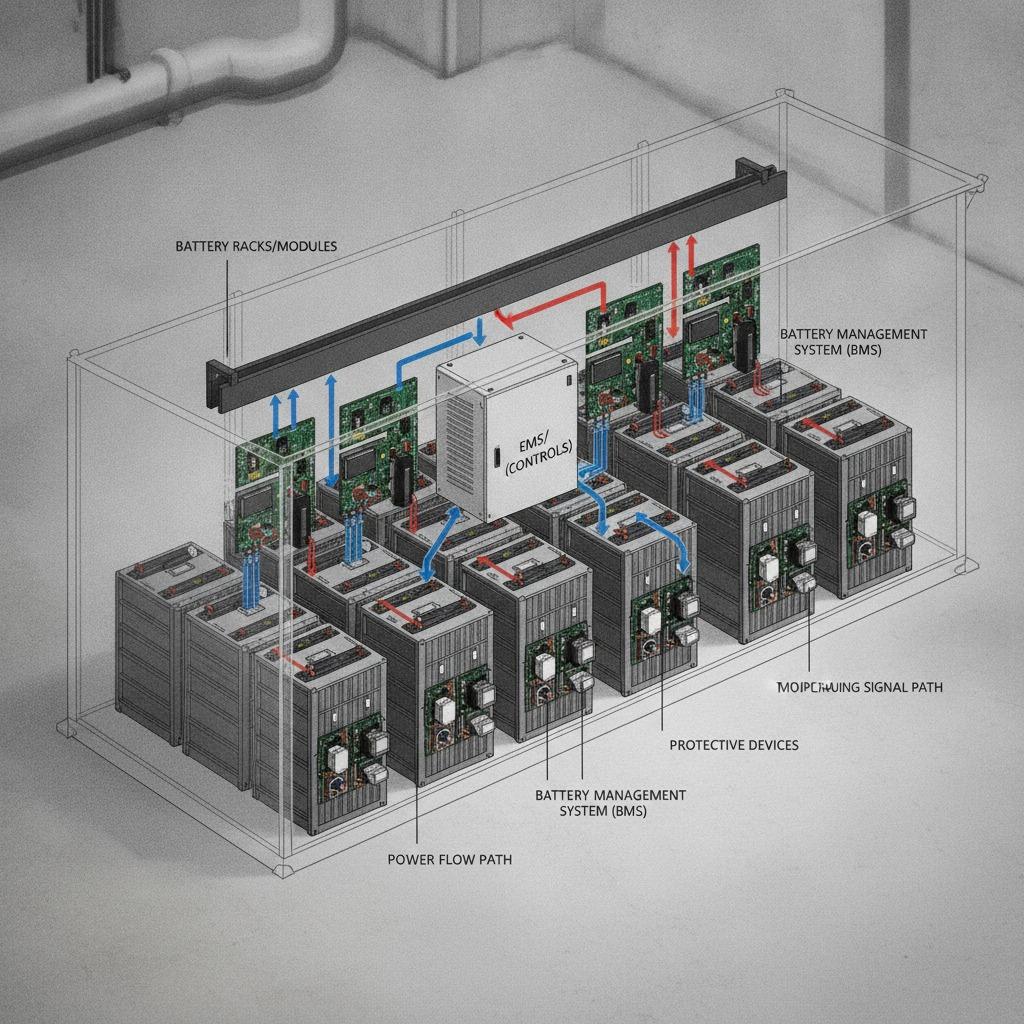
Correct charging is one of the most overlooked issues in the field. Even a well-built LiFePO4 battery can be damaged by poor charger settings, mismatched voltage profiles, or repeated overcharging. For engineers, this is a system-level issue, not just a battery issue. The charger, battery management system, and load profile need to be considered together.
Current demand and duty cycle
High peak currents, frequent rapid charging, and aggressive discharge rates can all reduce effective service life. A battery that seems suitable in static storage may age faster in a dynamic application with repeated load swings.
Where a 6000 cycle battery fits best
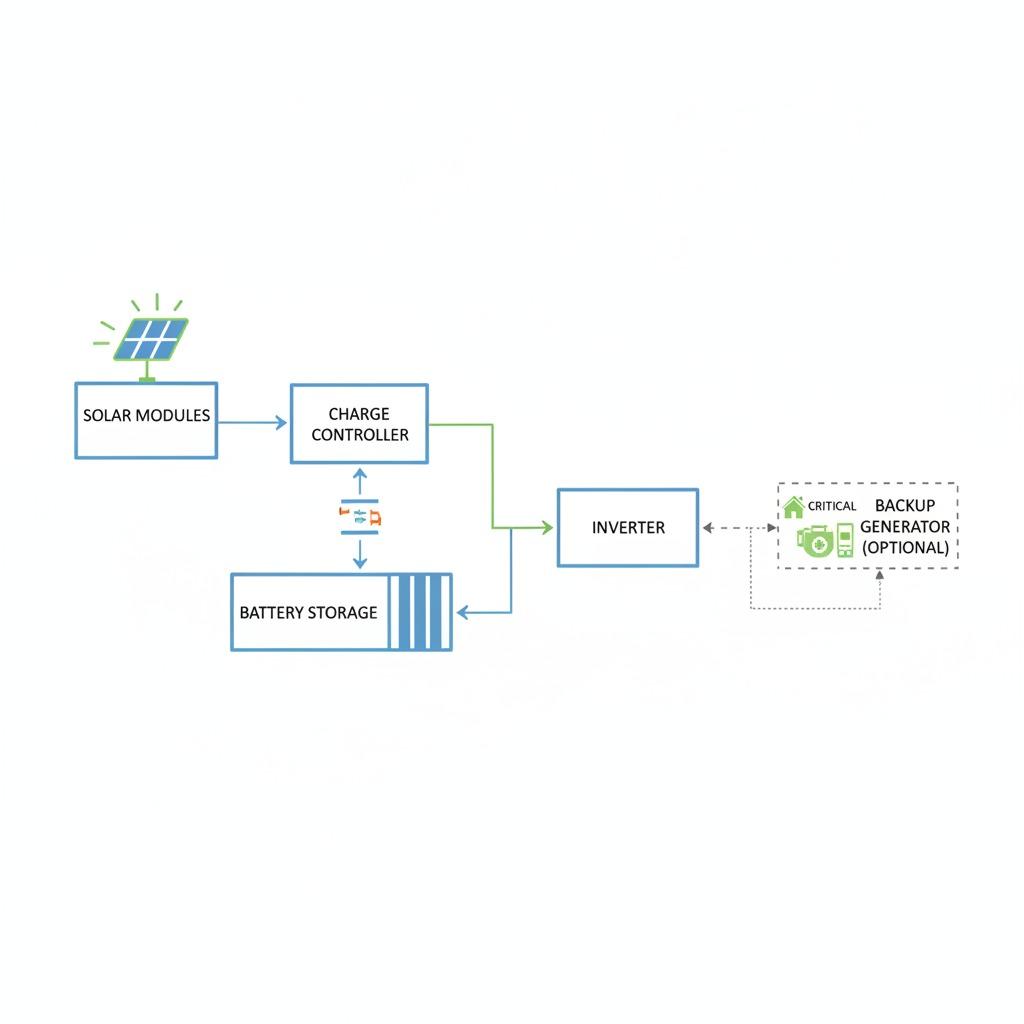
A 6000 cycle battery is typically most attractive where the battery is expected to work hard and for a long time. Common use cases include solar energy storage, backup systems that cycle often, electric mobility platforms with routine daily charging, industrial carts, marine auxiliary power, and portable power units built for repeated use.
In these applications, the battery is not simply sitting in reserve. It is part of the operating rhythm. That makes cycle life more important than peak discharge bragging rights or a minimal initial footprint. Buyers looking at these systems should ask whether the battery is meant for deep daily cycling, standby use, or intermittent support. Those are different design targets.
How to evaluate a 6000 cycle battery spec sheet
A cautious buyer should read beyond the headline cycle count. The useful questions are straightforward:
What depth of discharge was used in the test?
What temperature range was assumed?
What end-of-life capacity threshold defines the cycle count?
Is the rating based on a full cycle every day, or on a laboratory profile that does not match the real application?
Is the chemistry a LiFePO4 battery or another lithium formulation with different aging behavior?
Does the pack include a battery management system appropriate to the application?
These questions help separate a meaningful engineering spec from a marketing number. That distinction matters because a battery spec is only useful if it can be translated into operating behavior.
Common mistakes buyers make
One common mistake is oversizing the battery on paper but underestimating charger quality. Another is choosing a battery based on energy capacity alone while ignoring cycle life. A third is assuming all long-life batteries are interchangeable. They are not.
A more subtle mistake is comparing products with different test methods as if they were equivalent. Cycle-life claims are often condition-dependent, and those conditions can be easy to overlook in a quick sourcing review. If the data sheet is vague, treat the claim cautiously. That is not cynicism; it is good procurement discipline.
There is also the practical issue of system integration. The battery may be robust, but if the enclosure traps heat, if wiring adds resistance, or if the charging strategy is inconsistent, the service life can fall short of expectations. In other words, a 6000 cycle battery is part of a system, not a magic box.
Why LiFePO4 is often discussed in this context
The LiFePO4 battery is frequently mentioned in long-life applications because it tends to offer a favorable balance of cycle performance, stability, and usable capacity. For product designers, that combination is useful when the priority is long service rather than minimum mass or the highest possible energy density. The chemistry is also often favored in stationary storage and industrial applications where reliability and thermal behavior matter more than sheer compactness.
Still, it is worth keeping expectations realistic. A LiFePO4 battery does not automatically deliver 6000 cycles in every installation. Environmental conditions, charging practices, and design margins still determine how close a product gets to its theoretical life.
Practical buyer advice before you commit
If you are sourcing a 6000 cycle battery for a product or project, ask for the test conditions behind the claim. Compare batteries only when the discharge depth, temperature, and end-of-life definition are aligned. Check whether the pack is intended for daily cycling or standby duty. Review the battery management requirements early, not after the mechanical design is frozen.
It also helps to think about service strategy. If replacement access is difficult, pay more attention to long-cycle performance and conservative operating margins. If the application is cost-sensitive and replacements are easy, the business case may be different. That is the kind of decision a good sourcing review should surface.
FAQ: quick answers for buyers
Is a 6000 cycle battery always better?
Not always. It is better when the application truly needs long cycle life. For light-use or standby systems, other factors may matter more.
Does 6000 cycles mean 6000 years?
No. Cycles depend on use frequency, depth of discharge, and operating conditions. A battery can reach its cycle limit much sooner in a daily-use application.
Is LiFePO4 the only option for long cycle life?
No, but it is one of the most common choices where long cycle performance and stability are priorities.
Choosing with the full lifecycle in mind
The best battery choice is rarely the one with the flashiest headline number. It is the one that fits the load profile, survives the installation environment, and remains economical after years of use. A 6000 cycle battery can be a strong answer when long service life is central to the project, but only if the test basis is clear and the system around it is designed correctly.
For sourcing teams, the next step is simple: compare the claims, request the test conditions, and make the battery decision on lifecycle evidence rather than brochure language. That approach tends to save money later, which is usually where battery projects are won or lost.